

The wave of 1990s nostalgia currently sweeping through Hollywood shows no signs of receding. As studios look to capitalize on the built-in audiences of beloved childhood properties, the latest announcement from Legendary Pictures signals a bold leap into educational entertainment. On June 23, 2026, it was confirmed that a live-action feature film based on The Magic School Bus is officially in development. With director Rob Letterman at the helm and Elizabeth Banks tapped to portray the iconic, eccentric teacher Ms. Frizzle, the project promises to blend high-concept science fiction with the whimsical charm that defined a generation of PBS viewers.
The Core Facts: A New Chapter for the Frizzle Legacy
The live-action Magic School Bus project has been the subject of industry whispers for years, but the confirmation by The Hollywood Reporter provides a definitive roadmap for the production. Legendary Pictures has secured the rights to bring the iconic yellow bus—and its sentient, shape-shifting capabilities—to the big screen.
Director Rob Letterman is uniquely suited for this undertaking. Having successfully navigated the challenge of adapting beloved intellectual property in Goosebumps (2015) and Pokémon: Detective Pikachu (2019), Letterman has cultivated a reputation for balancing CGI-heavy spectacle with grounded, character-driven comedy.
Elizabeth Banks, an actress and producer known for her versatility in projects ranging from the high-octane The Hunger Games to the surreal humor of The Lego Movie, will step into the shoes of the red-haired, science-obsessed Ms. Frizzle. Banks has been linked to the project since at least 2020, demonstrating a long-standing commitment to bringing this character to life. The film is expected to serve as both a nostalgic homage to the original Joanna Cole and Bruce Degen book series and a modern cinematic spectacle for a new generation of students.
Chronology: From Classroom Books to Global Blockbuster
The journey of The Magic School Bus from the printed page to the center of a major studio production has spanned four decades:
- 1986: The original book series, written by Joanna Cole and illustrated by Bruce Degen, debuts. The series finds immediate success by combining rigorous scientific facts with the high-adventure premise of a school bus that can travel anywhere.
- 1994–1997: The animated series airs on PBS, voiced by the legendary Lily Tomlin. It becomes a staple of elementary school science curricula across the United States.
- 2017: Netflix launches The Magic School Bus Rides Again, featuring Kate McKinnon as the sister of the original Ms. Frizzle, modernizing the show for the digital age.
- 2020: Reports first emerge that Elizabeth Banks is in talks to star in and produce a live-action version of the property, then under development at Universal Pictures.
- 2026: Legendary Pictures officially announces the project, with Rob Letterman attached as director and development moving into full swing.
Supporting Data: Why ‘The Magic School Bus’ Works for Modern Cinema
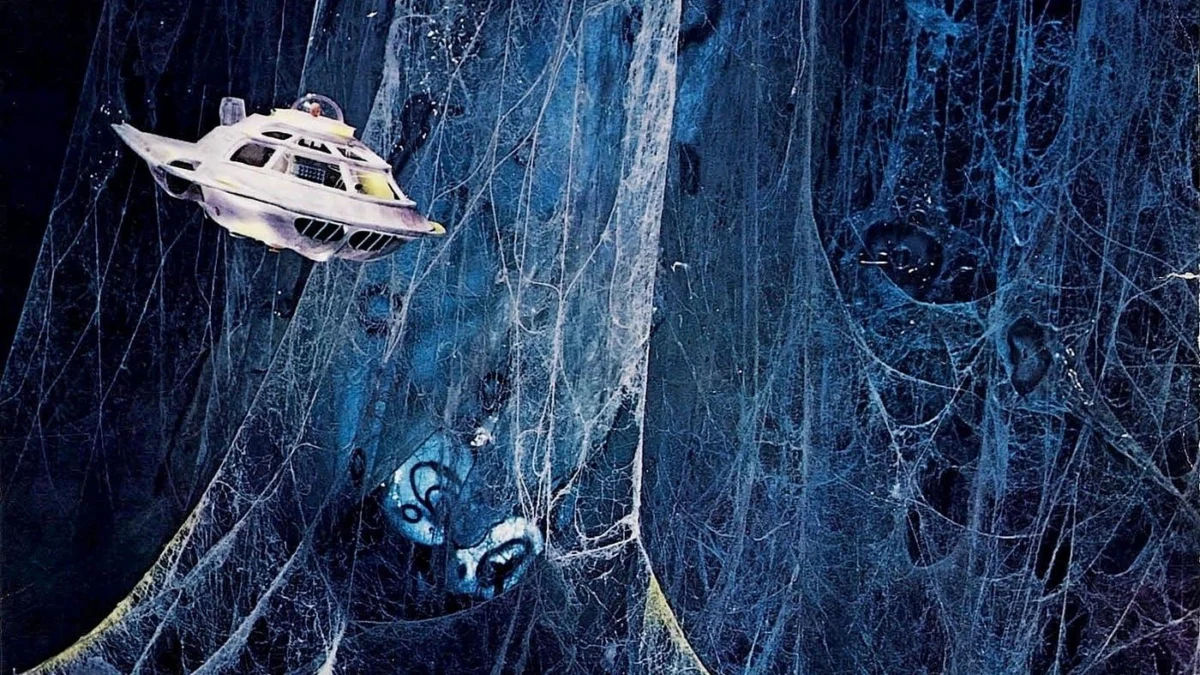
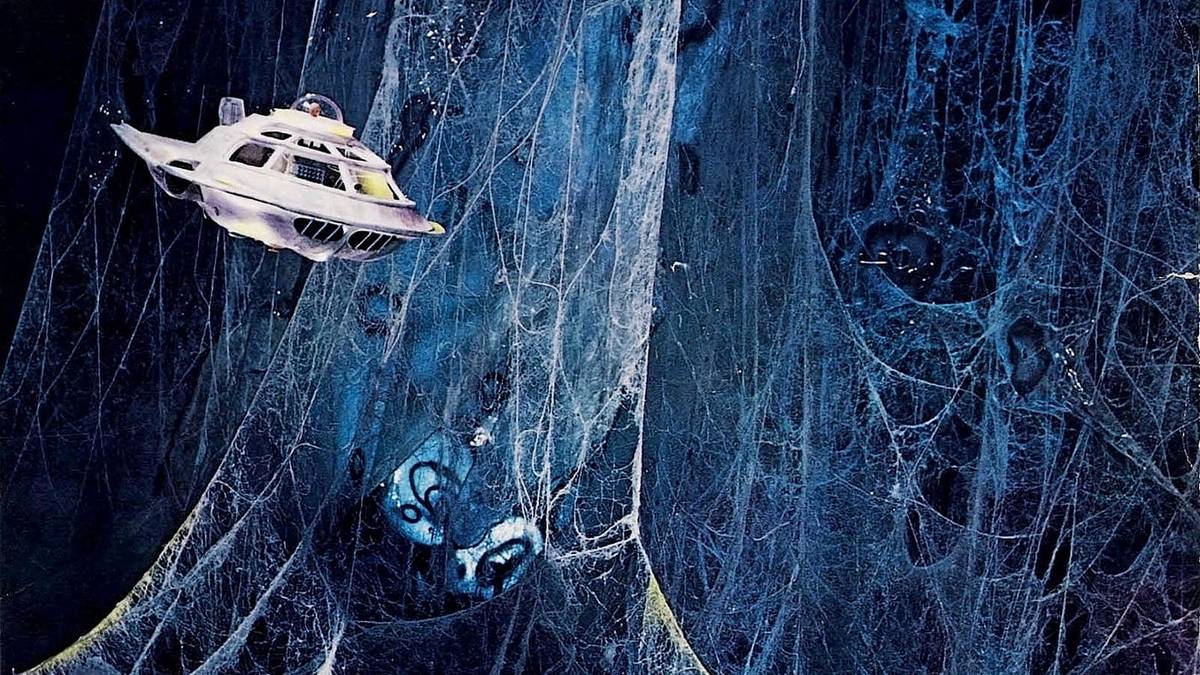
The success of the franchise lies in its "edutainment" model—a rare genre that successfully balances scientific accuracy with narrative stakes. The fundamental premise of The Magic School Bus is an evolution of the 1966 sci-fi classic Fantastic Voyage, in which a submarine crew is miniaturized to perform surgery inside a human body.
While the original book series explored everything from the solar system to the internal mechanics of a beehive, the "human body" episodes remain the most culturally resonant. In an era where audiences are accustomed to the visual language of the Marvel Cinematic Universe—specifically the "Quantum Realm" aesthetics—a high-budget live-action depiction of a bus navigating the human bloodstream or the chambers of a heart offers a unique visual palette that differentiates it from standard superhero fare.
Furthermore, the "nostalgia economy" is currently at an all-time high. With the recent success of X-Men ’97 and the ongoing development of a Thundercats feature film, studios are recognizing that the millennials who grew up on Saturday morning cartoons are now parents themselves, providing a massive, multi-generational box office demographic.
Official Responses and Creative Vision
While official statements from the studio have been brief, industry analysts suggest that the pivot to Legendary Pictures—which has a proven track record of handling massive franchises like Dune and the MonsterVerse—indicates a commitment to a "big-budget" aesthetic.
The casting of Elizabeth Banks is arguably the most critical creative decision. Banks possesses the "spunky weirdo energy" necessary to inhabit the role of Ms. Frizzle without turning the character into a caricature. Her portrayal of Effie Trinket in The Hunger Games proved she could handle eccentric, fashion-forward, and authoritative roles that require a complex internal life. Fans have already taken to social media to voice their primary demand: the preservation of Ms. Frizzle’s iconic, gravity-defying red hair. In a world of CGI, fans are looking for practical, recognizable character design that respects the source material.
Implications: The Future of Educational Sci-Fi
The implications of a successful Magic School Bus movie extend beyond mere box office numbers. If the film performs well, it could reinvigorate the educational film genre, proving that high-concept science fiction doesn’t have to be dystopian or violent to be successful.
1. A New Franchise Template
Legendary Pictures is likely eyeing a franchise structure. Given the endless locales explored in the books, the production team has the potential to turn this into an anthology-style series, with each sequel taking the bus to a different frontier—the bottom of the ocean, the center of the Earth, or the rings of Saturn.
2. The Influence of ‘Osmosis Jones’
Critics have pointed out that the success of the film may depend on its tone. If the movie leans into the biological "grittiness" of films like Osmosis Jones (2001) or the microscopic wonder of Fantastic Voyage, it could bridge the gap between children’s adventure and adult sci-fi. Balancing the whimsy of the original PBS show with the visual grandeur of modern effects is the tightrope Letterman must walk.
3. The "Legacy" Effect
This project serves as a barometer for how Hollywood treats 1990s intellectual property. By moving away from the gritty, "dark" reboots that characterized the 2010s, this film represents a shift toward more earnest, optimistic storytelling. If The Magic School Bus succeeds, it may encourage studios to mine other educational properties for high-budget adaptations, potentially leading to a renaissance in intellectual curiosity-based entertainment.
Final Reflections
As production begins, the challenge for Rob Letterman and his team will be maintaining the spirit of the original books. The Magic School Bus is, at its heart, about the joy of discovery and the idea that "taking chances, making mistakes, and getting messy" is the only way to learn. If the filmmakers can retain this core philosophy while delivering the visual spectacle of a modern blockbuster, they will have more than just a hit on their hands—they will have a cultural touchstone for a new generation.
For now, the audience waits to see how the "bus" will look, how the Frizzle will act, and, most importantly, if the school bus will finally be able to take us to the edge of the universe and back. One thing is certain: the world is ready to climb aboard.
 Basiran
 Nana Muazin
 Layla Zulfa
