

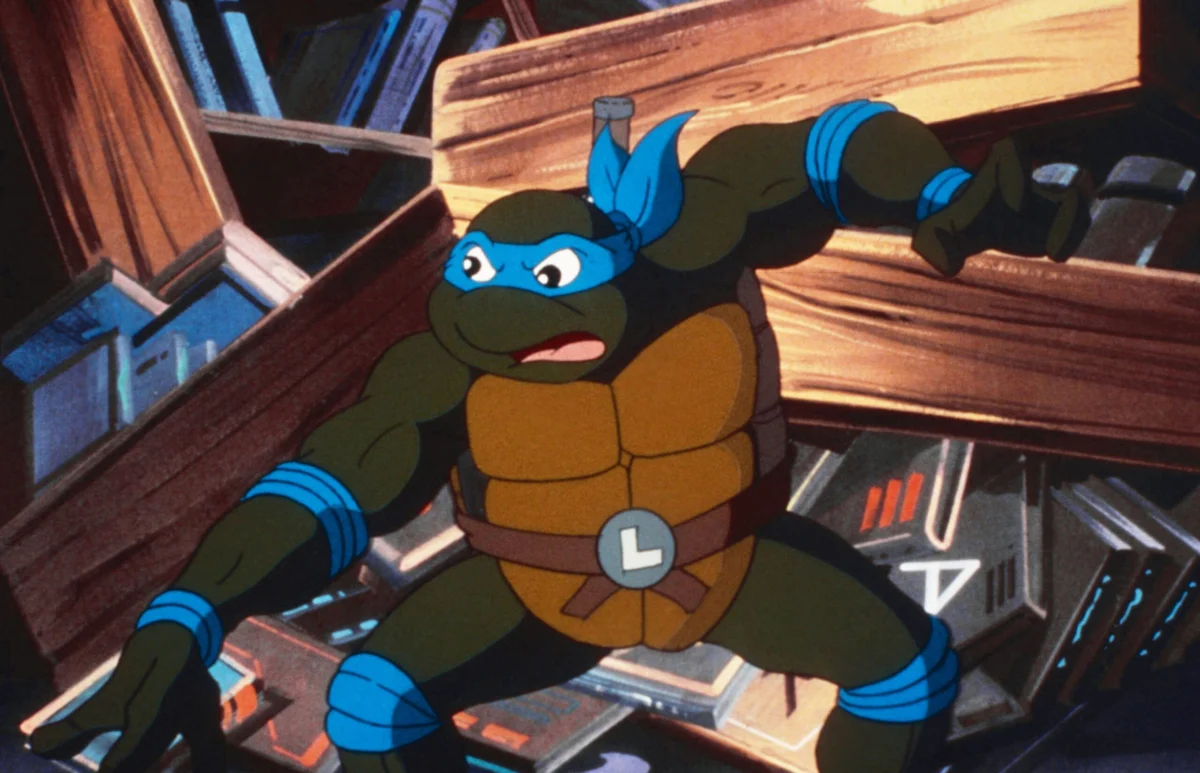
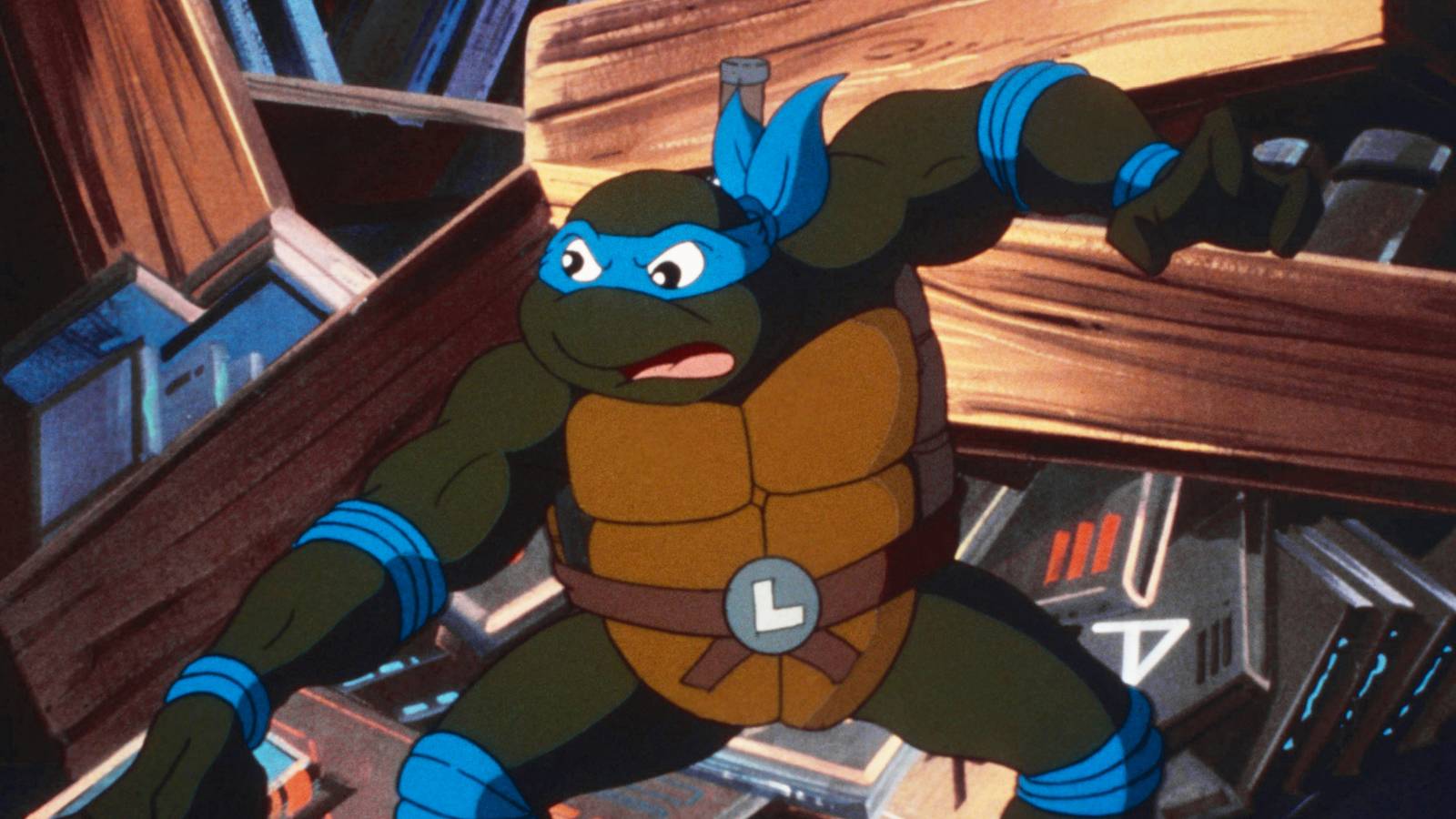
For over four decades, the Teenage Mutant Ninja Turtles have served as a foundational pillar of global pop culture. Since their gritty, black-and-white comic book debut in 1984, the quartet of Leonardo, Raphael, Donatello, and Michelangelo has undergone countless iterations. From the iconic 1987 animated series to the cinematic successes of recent years and the ever-evolving lines of plastic collectibles, the Turtles have proven to be uniquely malleable. However, even the most seasoned Shell-heads were blindsided by the latest announcement from Paramount and Nickelodeon: a brand-new, large-scale live stage production titled Teenage Mutant Ninja Turtles Live on Stage!
Slated to hit North American venues in 2027, the project is being developed in partnership with Maximum Entertainment. While the franchise is no stranger to multimedia expansion, this move represents a return to a format that has been dormant for over 35 years—a format that, for many, remains the most baffling and nostalgic chapter in the brand’s history.
The Genesis of the New Spectacle
The announcement, which sent ripples through the entertainment industry on June 24, 2026, confirmed that the production is not merely a puppet show or a local attraction. By tapping Maximum Entertainment—the production powerhouse behind Broadway hits like & Juliet and the cult-favorite musical Titanique—Paramount is signaling a desire for high-production value and modern theatrical sensibilities.
According to initial press materials, the show intends to chronicle the Turtles’ journey from their humble comic book origins to their status as global icons. The creative team promises a sensory-rich experience, promising to fuse martial arts choreography, parkour, high-energy hip-hop dance sequences, and cutting-edge projection technology. The goal, according to the official statement, is to reimagine the franchise as a "fast-paced spectacle for all ages."
A Look Back: The Ghost of "Coming Out of Their Shells"
To understand why this news is so provocative, one must look at the 1990 phenomenon: Teenage Mutant Ninja Turtles: Coming Out of Their Shells. For those who came of age during the peak of "Turtle-Mania," the original stage show is a touchstone of 1990s absurdity.
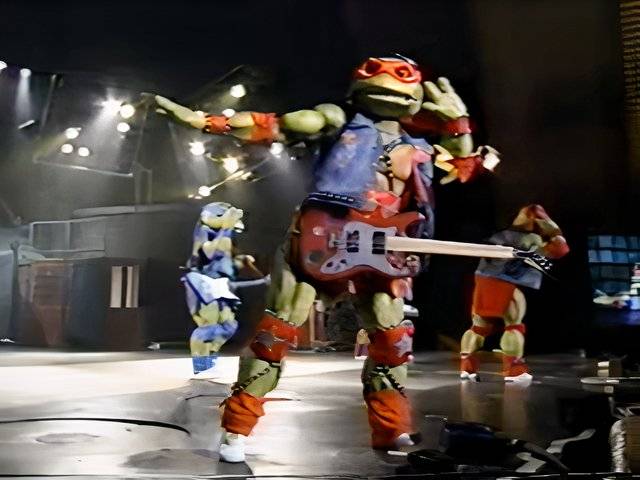
Debuting at Radio City Music Hall in September 1990, the show was a bizarre, high-concept musical tour that saw the protagonists trade their katanas and sais for musical instruments. The premise was as thin as it was memorable: the Turtles decided that saving New York City was no longer enough—they wanted to be rock stars. Leonardo took up the bass, Raphael played the saxophone, Donatello rocked the electric keyboard, and Michelangelo handled lead guitar.
The plot was secondary to the spectacle. The antagonist, Shredder, driven by a comical and uncharacteristic hatred for music, spent the production attempting to sabotage the band, culminating in the iconic song "I Hate Music." Despite the critical consensus that the show was "objectively terrible"—plagued by stiff costumes, nonsensical dialogue, and a desperate grab for parental wallets—it remains a beloved relic of the era. It captured the absolute zenith of the 1990s marketing machine, where the Turtles were plastered on everything from cereal boxes to school buses.
Chronology of a Multimedia Franchise
The history of the TMNT is a testament to the brand’s resilience. Understanding the trajectory from the 1990s to the current era helps contextualize why a live stage show is the logical, albeit risky, next step:
- 1984: Kevin Eastman and Peter Laird publish the first TMNT comic, a gritty homage to Frank Miller’s Daredevil.
- 1987: The animated series launches, shifting the tone to family-friendly, pizza-loving humor.
- 1990: Coming Out of Their Shells tour launches, representing the height of commercial saturation.
- 2009: Nickelodeon (via parent company Paramount) acquires the rights to the franchise from Mirage Studios.
- 2012–2026: A series of successful CGI series, live-action reboots, and critically acclaimed comic runs under IDW Publishing keep the brand relevant.
- 2027: The scheduled debut of Teenage Mutant Ninja Turtles Live on Stage!
Analyzing the Market Dynamics
The decision to pivot back to theater is not without significant data-driven backing. Industry analysts note that "immersive entertainment" has become a massive growth sector for legacy IP. Following the success of shows like Harry Potter and the Cursed Child or Disney’s The Lion King on stage, companies are looking to leverage their most valuable characters in ways that provide "event" status for families.
The TMNT franchise is uniquely positioned for this. Unlike many superhero properties that rely heavily on expensive CGI, the Turtles are fundamentally physical. Their appeal is rooted in movement, martial arts, and personality-driven conflict. By utilizing modern projection technology and high-level athletic choreography, Paramount hopes to bridge the gap between the "Saturday Morning Cartoon" energy of the 90s and the modern, high-production standards of contemporary Broadway.

Official Stance and Creative Direction
While the full creative team has yet to be finalized, the involvement of Maximum Entertainment provides a hint at the tone. The studio is known for its ability to treat "campy" or "niche" material with a level of irony and polish that resonates with both long-time fans and newcomers.
A spokesperson for the production stated, "We aren’t looking to replicate the past; we are looking to capture the spirit of what made the Turtles a household name. This is a story about brotherhood, identity, and the courage to fight for what is right, all told through a medium that demands physical excellence."
Implications for the Future
The implications of Teenage Mutant Ninja Turtles Live on Stage! are twofold. First, it represents a test of the brand’s multi-generational appeal. Can a character franchise that has evolved through four decades still command interest in a traditional theater setting? If successful, this could lead to a permanent touring residency, similar to the long-running Paw Patrol Live! or Marvel Universe LIVE!
Second, the show serves as a litmus test for "Nostalgia Management." Fans of the 1990s iteration will undoubtedly compare the new show to the original tour. If the production leans too far into the "cool, modern, gritty" aesthetic, it risks losing the inherent charm that makes the Turtles, well, the Turtles. If it leans too far into the "silly/musical" side, it risks being dismissed as a relic of a bygone era.
The Challenges Ahead
The primary challenge for the production team is balancing the needs of the "new generation" with the expectations of the "legacy fans." Children today have access to high-fidelity content on tablets and streaming platforms; a 90-minute stage show must offer something those platforms cannot: presence.
Furthermore, the "Coming Out of Their Shells" shadow looms large. While most fans look back on it with a mix of cringe and fondness, the new production will have to prove that it isn’t just another cynical cash grab. It will need to demonstrate that the Turtles are as relevant to a 2027 audience as they were to a 1990 audience.
Conclusion: A Shell-Shocked Wait
As we move closer to 2027, the anticipation—and the skepticism—will only continue to grow. The Teenage Mutant Ninja Turtles have survived the transition from comic books to cartoons, from feature films to toy lines, and now, they face the ultimate test: the stage.
Whether the new show becomes a cultural touchstone or a footnote in the franchise’s long, strange history, one thing is certain: Nickelodeon is betting big on the idea that the world still needs the Turtles. And given the brand’s history of defying the odds, it would be a mistake to count them out. Splinter may not have foreseen this particular iteration, but if the history of the franchise tells us anything, it’s that these four brothers have a knack for landing on their feet—even when they’re dressed in spandex and performing for a theater full of strangers.
 Basiran
 Nana Muazin
 Layla Zulfa
