

In the rapidly expanding landscape of digital audio, the "garage-to-global" success story has become a cornerstone of the creator economy. From humble bedroom setups to high-end professional suites, podcasters are investing thousands of dollars in microphones, audio interfaces, cameras, and lighting equipment. However, as these creators pivot toward monetization—leveraging sponsorships, dynamic ad insertion, and premium subscriptions—a critical, often overlooked vulnerability emerges: the insurance gap.
Many independent podcasters operate under the mistaken assumption that their high-value production equipment is protected by standard homeowner’s or renter’s insurance policies. In reality, the moment a hobby becomes a business, the insurance landscape shifts dramatically.
The Hidden Risk: Why Standard Coverage Fails
The primary misconception among creators is that their gear is covered simply because it sits inside their living space. Insurance policies are contracts defined by specific clauses, and most personal policies contain an "exclusion of business property" provision.
If you use your studio equipment to generate revenue—whether through Patreon, brand deals, or ad networks—that gear is no longer "personal property" in the eyes of an insurance adjuster. It is "business equipment." In the event of a fire, theft, or accidental damage, a standard claim for these items will almost certainly be denied.
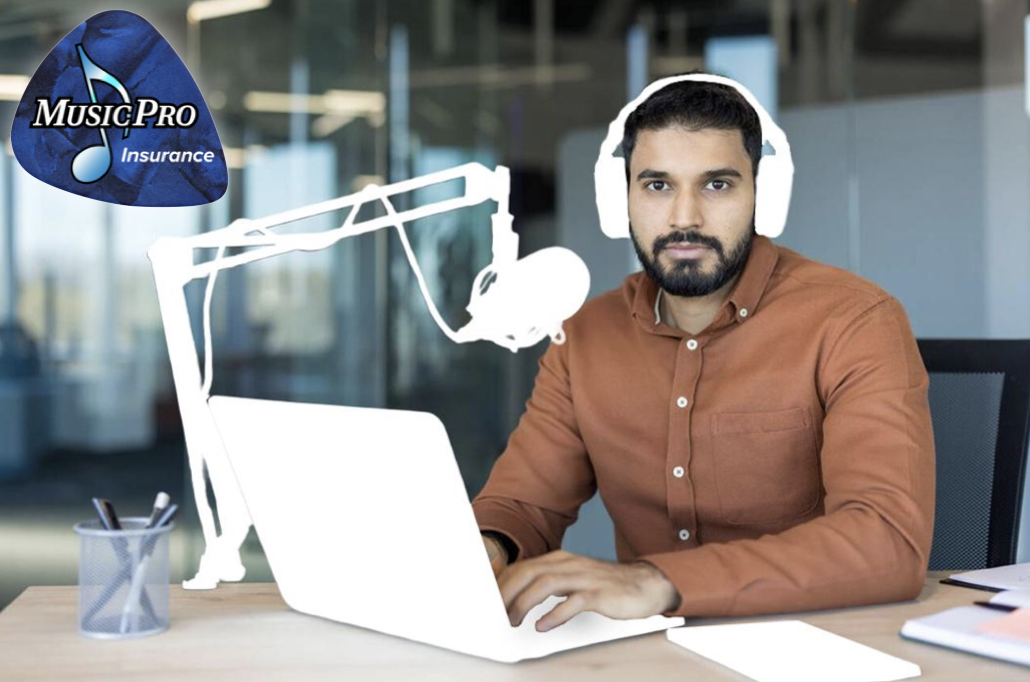
This creates a precarious situation for the creator. A professional-grade signal chain, including high-end preamps, interfaces, and microphones, can easily exceed $5,000 to $10,000 in value. For a solo podcaster, the loss of this hardware is not just a financial hit; it is a total cessation of production capabilities. Without a specific business equipment policy, a catastrophic event doesn’t just damage the studio—it effectively ends the business.
Chronology of a Claim: The "No Gear, No Gig" Reality
To understand the importance of specialized coverage, one must look at the lifecycle of an equipment claim:

- The Incident: A common scenario, such as a localized flood or a break-in, occurs. The podcaster files a claim with their homeowner’s insurance provider, confident in their coverage.
- The Investigation: An adjuster arrives. They inquire about the nature of the damaged items. Upon discovering that the equipment was used to record commercial content, the policy’s "business activity" exclusion is triggered.
- The Denial: The claim is rejected. The policyholder is left with damaged gear and no financial recourse.
- The Professional Pivot: Companies like MusicPro Insurance have emerged specifically to bridge this gap. With over two decades of experience and backing from industry giants like ASCAP and Sterling Risk, these firms understand that the tools of the trade—microphones, cameras, and AV gear—require specialized, high-tier protection.
Supporting Data: The Cost of Negligence
The growth of the podcasting industry has outpaced the financial literacy of its participants. While platforms like Apple Podcasts and Spotify continue to see record-breaking engagement, the "business of podcasting" remains in its infancy.
Recent industry data underscores the dominance of major players. The Daily continues to hold the #1 spot on Apple Podcasts in the United States, while The Joe Rogan Experience maintains its iron grip on the Spotify charts. These giants have comprehensive insurance portfolios to mitigate risk. Conversely, the "long tail" of podcasters—the millions of independent creators—are largely unprotected.

For instance, consider the emergence of niche hits like The Void, which recently saw a massive surge in the Science Fiction charts in Ireland, or the sustained interest in film history podcasts like WHAT WENT WRONG. These creators are producing high-value intellectual property that relies entirely on hardware consistency. If that hardware fails, the content stream halts, leading to a direct loss of income from sponsors who demand consistent delivery schedules.
Official Guidance: Expert Perspectives on Risk Mitigation
Industry experts, including Laura Donelan of MusicPro Insurance, emphasize that "white glove service" is essential when dealing with specialized gear. Unlike general insurance, which uses automated systems to handle high volumes of claims, specialized insurance providers treat the equipment as the vital business asset it is.

"It’s not just about replacing the gear," Donelan notes. "It’s about understanding the specific needs of content creators—many of whom are now working in hybrid environments, taking their equipment on the road, or setting up mobile studios."
The advice for creators is simple:

- Inventory Audit: Create a detailed spreadsheet of every piece of equipment, including serial numbers, purchase dates, and current replacement values.
- Policy Review: Contact your current provider and specifically ask, "Is my professional recording equipment covered if it is used to generate income?" If the answer is ambiguous, seek a commercial rider or a dedicated policy.
- Business Liability: Consider that equipment insurance is often just the first step. Creators should also look into general liability insurance, which covers the podcaster if a guest is injured in their studio or if they are sued for content-related issues.
Implications for the Future of Podcasting
As the podcasting industry matures, the expectations of creators and listeners are rising. The "lo-fi" aesthetic of early podcasting is being replaced by high-fidelity production values. This trend necessitates a higher investment in hardware, which in turn necessitates a higher standard of insurance protection.
Furthermore, the integration of AI in content creation—as discussed recently on Think Fast Talk Smart—means that the "studio" is no longer just a microphone; it is now a complex ecosystem of software and hardware. Protecting this ecosystem is a fundamental requirement for any creator looking to treat their podcast as a long-term business venture rather than a fleeting hobby.

The Path Forward
The "American Revolution Podcast," which continues to deep-dive into historical events, serves as a reminder that consistency and archival quality are paramount. Whether you are producing historical narratives, film analysis, or business advice, the integrity of your production chain is your greatest asset.
Don’t wait for an equipment failure to discover that your insurance coverage is inadequate. "Things happen," is the mantra of the professional creator. By proactively securing your gear through specialized providers, you ensure that even when the unexpected occurs, the show can go on.

For those looking to assess their current risks or seeking a professional consultation, reaching out to experts at firms like MusicPro (via 1-800-MusicPro or [email protected]) is the first step toward professional-grade peace of mind. In a competitive media landscape, the creators who survive are not just the ones with the best content, but the ones who treat their business with the seriousness it deserves.
Summary Checklist for Creators:
- Verify Business Status: Is your insurance provider aware you are generating income?
- Document Everything: Keep digital receipts and photos of your setup.
- Avoid "Generalist" Policies: Seek out underwriters who specialize in AV and music gear.
- Stay Informed: Monitor industry shifts—not just in content, but in the business infrastructure that supports it.
The transition from hobbyist to professional requires a shift in mindset. Protecting your gear is not merely an administrative chore; it is a vital investment in your creative future. Be prepared, be covered, and continue to produce the content that defines the modern audio landscape.
 Asep Darmawan
 Jia Lissa
 Neng Nana
