

As the television industry gears up for the 2026 Emmy Awards, the excitement is overshadowed by a perennial, logistical headache: the sheer volume of submissions. Year after year, the supporting acting categories receive more entries than any other segment of the competition. With only two weeks remaining until the official nominations are unveiled on July 8, the Gold Derby odds reveal a landscape that is remarkably fractured, particularly in the comedy and drama supporting races.

In these four specific contests, the math is daunting. Across the board, there are roughly 10 powerhouse contenders aggressively vying for only seven available slots per category. For industry analysts and prognosticators, this represents a nightmare of unpredictability. Who are the iron-clad locks, and which fan-favorite performances are currently sitting on the bubble, praying for a last-minute surge of voter support?

The Comedy Supporting Actress Scramble (149 Submissions)
The Comedy Supporting Actress race has become a crowded theater. With 149 performers submitted for consideration, the battle for the seven finalist positions is intense.

The Locks and the Lingering Questions
The current consensus among experts, editors, and users points to five clear front-runners, all boasting 70% or more support: Janelle James (Abbott Elementary), Hannah Einbinder (Hacks), Jessica Williams (Shrinking), Michelle Pfeiffer (Margo’s Got Money Troubles), and Sheryl Lee Ralph (Abbott Elementary).

However, the final two spots remain a subject of heated debate. Megan Stalter (54%) is a major point of interest. Having never received an Emmy nomination for her portrayal of the chaotic, hilarious Kayla Schaefer, she is perfectly positioned to ride the momentum of Hacks‘ acclaimed fifth and final season. While some fear her co-star Einbinder—the reigning category champion—might draw too many votes away, history proves that Emmy voters have no qualms about honoring multiple cast members from the same hit series.

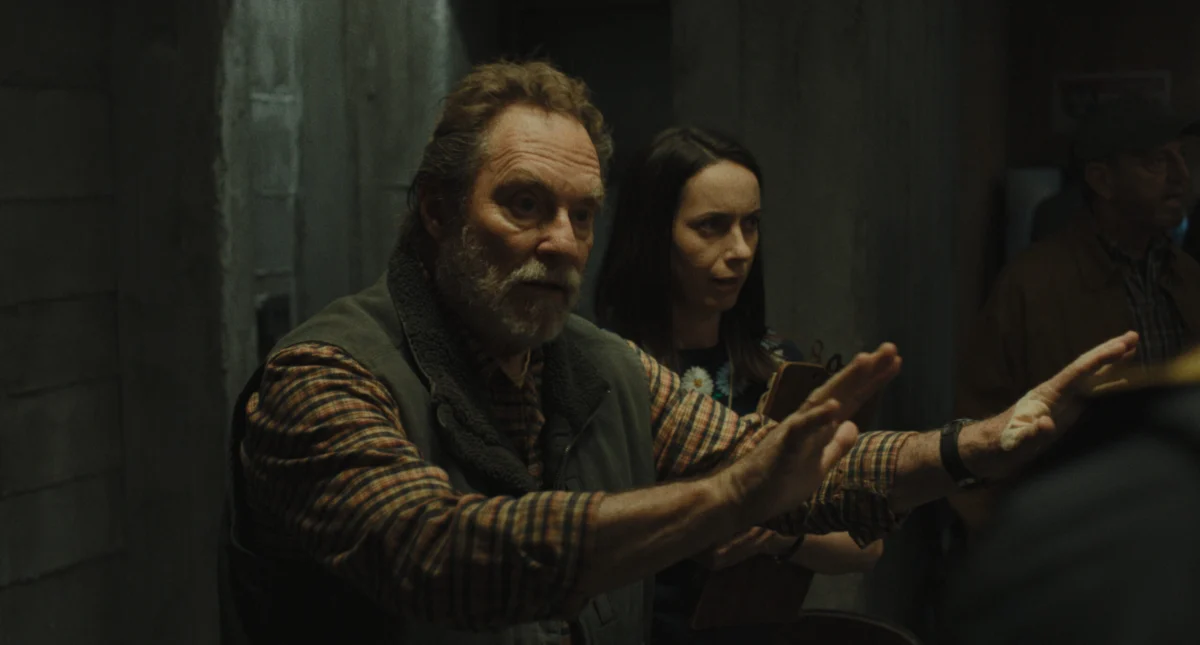
Meanwhile, Kate O’Flynn (37%) has been the season’s breakout riser. Her performance in the horror-comedy Widow’s Bay aired during the critical final stretch of the eligibility window, ensuring she remained at the forefront of voters’ minds. Her episode dedicated to the cursed "Sunset Cocktails" party provided a perfect showcase for her comedic range.

Other notable contenders include the legendary Carol Burnett (25%), who remains a formidable force with seven career wins. Her turn as the villainous Norma Dellacorte in Palm Royale provides her with a strong argument for one last nomination. Ashley Padilla (22%) is also looking to make history; the SNL breakout has gone viral weekly for sketches like "Two People Who Just Hooked Up." As she recently shared with Gold Derby, she was on the verge of quitting comedy entirely before the SNL call, making a potential nomination a true career-defining "Cinderella" moment.

Finally, there is Liza Colón-Zayas (16%), the 2024 winner for The Bear. Despite the show’s prestige, her candidacy is complicated by the transition between seasons, as she competes for the less-celebrated Season 4 while the show’s final season debut looms.

Comedy Supporting Actor: The Seven-Way War (185 Submissions)
With 185 submissions, the Comedy Supporting Actor category is even more crowded. The top six candidates—Harrison Ford (Shrinking), Paul W. Downs (Hacks), Michael Urie (Shrinking), Nick Offerman (Margo’s Got Money Troubles), Ebon Moss-Bachrach (The Bear), and Tyler James Williams (Abbott Elementary)—all hold over 60% support, leaving only one "wild card" spot for the remaining field.

The Bubble Contenders
Bowen Yang (45%) sits in a precarious but hopeful position. His final season on Saturday Night Live featured a high-profile guest host appearance by Ariana Grande, and his four previous nominations have solidified his standing. A fifth nod for his swan song season would be a poetic conclusion to his tenure.

Colman Domingo (31%) is a name that cannot be ignored. Last year, he was the sole representative for The Four Seasons. This year, he is pulling double duty, with potential for a guest nomination for his work in the final season of Euphoria.

The veteran Stephen Root (24%) has seen his stock rise rapidly for his work in Widow’s Bay. His role as the curmudgeonly Wyck Crawford, who engages in a war of nerves with Matthew Rhys, has captured the attention of the voting body. Finally, Marcello Hernández (14%) rounds out the SNL hopefuls. With viral characters like "Don Francisco" in his arsenal, his star is rising just in time for his upcoming big-screen projects, including Shrek 5.

Drama Supporting Actress: A Deep Field (222 Submissions)
Drama categories always command the most intense scrutiny, and this year is no exception. With 222 submissions, the Drama Supporting Actress race is the most packed in the industry.

The Front-Runners
The field is currently dominated by Katherine LaNasa (The Pitt), Taylor Dearden (The Pitt), Julianne Nicholson (Paradise), Karolina Wydra (Pluribus), Allison Janney (The Diplomat), and Sepideh Moafi (The Pitt). All six have surpassed the 60% support threshold.

The Struggle for Recognition
The Pitt is clearly the show to beat, with Fiona Dourif (35%) and Isa Briones (31%) fighting to join their castmates. Both are seeking their first career nominations, representing the intense competition within the show’s own ensemble.

Sydney Sweeney (13%) is an interesting case study. Having paused her film career to return for the final season of Euphoria, her character Cassie Jacobs has been involved in some of the most intense, bizarre, and high-stakes storylines of the year. However, her limited screen time compared to her previous status may prove a hurdle.

Similarly, Emilia Jones (11%) is making a strong play for Task. Her portrayal of Maeve Prendergrast, supported by a BAFTA recognition, places her in the conversation, though she is riding the coattails of a show that serves primarily as a showcase for Mark Ruffalo and Tom Pelphrey.

Drama Supporting Actor: The Path to Gold (228 Submissions)
In the final category, 228 actors submitted their work, making it the most difficult race of all.

The Established Titans
Billy Crudup (The Morning Show) is a two-time winner and remains the man to beat. He is joined at the top of the heap by Patrick Ball (The Pitt), Shawn Hatosy (The Pitt), Tom Pelphrey (Task), Jack Lowden (Slow Horses), and Gerran Howell (The Pitt).

The Underdogs and the Record-Breakers
Carlos-Manuel Vesga (49%) has been the surprise of the season. His performance in Pluribus as Manousos Oviedo—a human navigating a world stripped of unhappiness—has resonated with voters who watched the full series.

James Marsden (23%) faces a unique challenge. While he was a favorite last year for Paradise, his role was significantly reduced in Season 2. His path to a nomination is made more difficult by the fact that he is essentially the only returning contender in a category that has seen a total turnover in other shows like Severance and The White Lotus.

Jacob Elordi (14%) is a name that carries massive weight, especially after his Oscar nod for Frankenstein. However, his work on Euphoria this season was hampered by a polarizing narrative arc that isolated his character from the main cast.

Finally, the most intriguing entry is 11-year-old Dexter Sol Ansell (10%). Playing the beloved Prince Aegon "Egg" Targaryen in the Game of Thrones prequel A Knight of the Seven Kingdoms, he is currently on track to potentially break the age record for the youngest male actor to win an Emmy. It would be a monumental achievement for a young actor who has already become a fan favorite.

Implications for the 2026 Ceremony
The sheer density of these categories suggests that the 2026 Emmy nominations will be defined by "snubs" as much as by accolades. When 10 or more performers are legitimately qualified for seven spots, high-quality work is inevitably left off the ballot.

As we look toward July 8, the trend is clear: ensemble-heavy dramas like The Pitt are effectively cannibalizing their own chances, while SNL performers are finding it increasingly difficult to break through the noise of prestige drama. Whether the Academy opts for established veterans or rewards the breakout performances of newcomers like Ansell or Padilla remains to be seen. One thing is certain: when the nominations are read, the fallout will dominate the conversation for weeks to come.
 Ammar Sabilarrohman
 Siti Muinah
 Iffa Jayyana
