

Main Facts: The Battle for the Weekend Crown
The cinematic landscape of late June 2026 has been defined by a stark contrast between established animated juggernauts and the high-stakes world of DC superhero adaptations. As the dust settles on the weekend of June 26–28, it has become clear that while Woody, Buzz, and their ensemble cast remain a box office force of nature, the DC Universe has hit a significant speed bump.
Warner Bros.’ highly anticipated Supergirl, directed by Craig Gillespie and starring Milly Alcock, arrived in theaters with the weight of the DC brand on its shoulders. However, the film struggled to find an audience, opening to a meager $38 million domestically. With a global haul of just $68 million, the film failed to meet even the most conservative industry projections. Given its substantial $170 million production budget—augmented by a massive marketing spend—the path to profitability for Supergirl now looks increasingly treacherous.
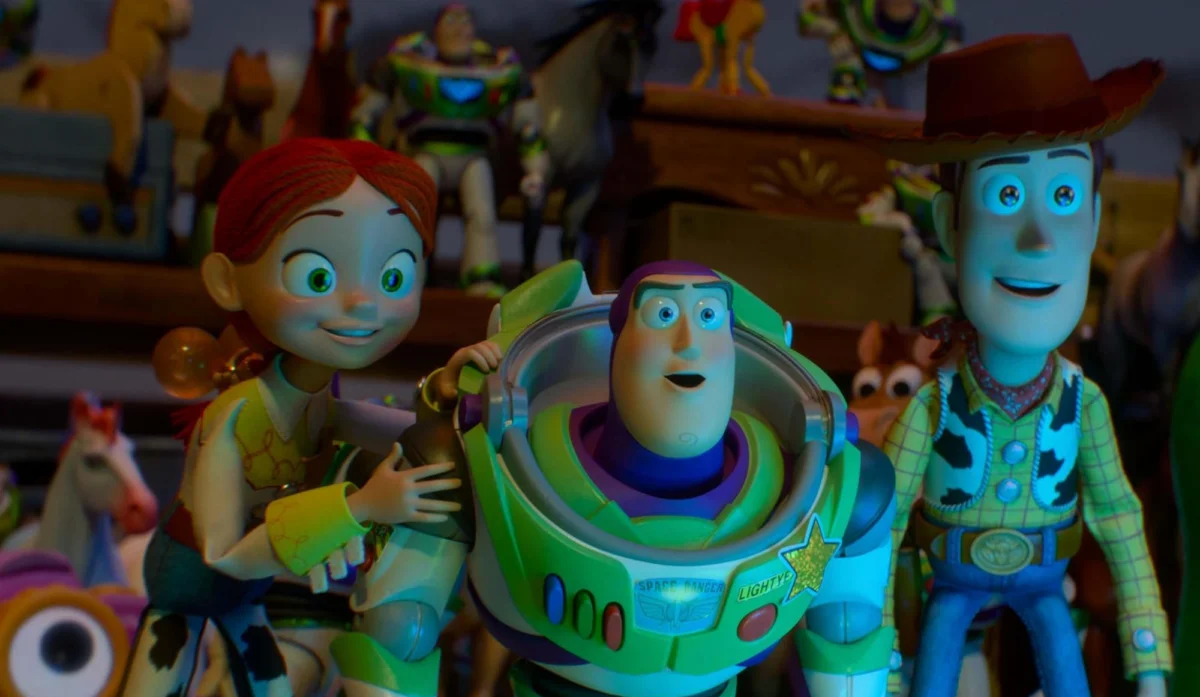
Conversely, Disney and Pixar’s Toy Story 5 continues to command the multiplexes. Despite a second-weekend performance that also dipped below internal studio projections, the film raked in an additional $70 million domestically. The sequel is rapidly approaching the $300 million mark in North America and is poised to cross the $600 million threshold globally within the coming days, cementing its status as the definitive hit of the 2026 summer season.
Chronology: A Tale of Two Openings
The trajectory of the June 26–28 weekend was set in motion by the record-breaking success of Toy Story 5 earlier in the month. By the time the calendar turned to June 25, the film had already established itself as the year’s highest-grossing debut, having secured a staggering $160 million in its opening frame. Industry analysts noted that the film’s momentum was unprecedented, bolstered by a 93% critic approval rating on Rotten Tomatoes and an elusive "A" CinemaScore.
By mid-week, the narrative had shifted toward the upcoming clash between the Pixar sequel and the debut of Supergirl. While industry analysts were hopeful that the goodwill generated by the previous year’s Superman film would translate to interest in Kara Zor-El’s standalone adventure, the early signs were ominous. By June 25, independent tracking models were already adjusting their forecasts downward, citing a lack of broad audience appeal and a target demographic that skewed too heavily toward older, male comic book enthusiasts.

When the final numbers were tallied on Sunday, June 28, the fears of the industry were realized. Supergirl debuted to $38 million—falling significantly short of the $45–$50 million window predicted by Warner Bros. Meanwhile, Jackass: Best and Last, the final installment in the long-running prank franchise, suffered its own difficulties, landing a franchise-low $8.2 million debut.
Supporting Data: The Numbers Behind the Stories
The box office data for the final weekend of June 2026 provides a sobering look at audience preferences and the challenges facing big-budget intellectual property.
Weekend Box Office Estimates (June 26–28):
- Toy Story 5: $70 million
- Supergirl: $38 million
- Obsession: $9.8 million
- Jackass: Best and Last: $8.4 million
- Disclosure Day: $8.1 million
The disparity between the top two films is emblematic of a broader trend. Toy Story 5 has benefited from universal brand recognition and high-quality ratings. In contrast, Supergirl has struggled with a "rotten" 57% critic score on Rotten Tomatoes and a mediocre 49% on Metacritic. The B-minus CinemaScore suggests that even those who did show up for the film were not particularly enthusiastic, which bodes poorly for the movie’s long-term legs in theaters.
In the indie sphere, however, there was a glimmer of hope. A24’s comedy The Invite, directed by Olivia Wilde and featuring an ensemble cast including Seth Rogen, Penélope Cruz, and Edward Norton, opened on just seven screens in New York and Los Angeles. It pulled in $379,104, resulting in a robust $54,158 per-screen average. This suggests that while blockbuster fatigue may be setting in for superhero content, audiences are still willing to turn out for high-concept, star-driven comedies.

Official Responses and Production Perspectives
The failure of Supergirl to resonate with the public has prompted quiet but intense discussions within Warner Bros. and DC Studios. The film’s marketing campaign leaned heavily into the prestige of the source material—Tom King and Bilquis Evely’s acclaimed graphic novel—but the translation to the screen proved to be a difficult sell for a general audience.
Craig Gillespie’s direction and Milly Alcock’s performance were intended to bring a fresh, gritty edge to the character, but the PG-13 rating and the film’s tone may have alienated the family-friendly demographic that usually supports DC films. Additionally, the release window, wedged uncomfortably between Father’s Day and the Fourth of July, lacked the "event" status required to draw in casual viewers.
Paramount, meanwhile, has taken a more pragmatic approach to the underperformance of Jackass: Best and Last. With a modest production budget of approximately $10 million, the film is expected to turn a profit despite being the lowest-grossing entry in the franchise. The studio’s decision to blend archival footage with new stunts was a calculated risk that may have disappointed die-hard fans, yet the film’s "A-minus" CinemaScore indicates that those who did buy tickets were generally satisfied with the experience.
Implications for the Film Industry
The results of this weekend send a clear signal to major studios: brand legacy is no longer a guaranteed passport to financial success.
For DC Studios, the underperformance of Supergirl is a critical moment. Following the success of Superman last year, there was an assumption that the DC Universe had found its footing. The lukewarm reception to Supergirl suggests that audiences are increasingly discerning and unwilling to support films that fail to meet high critical standards. The "superhero fatigue" that critics have discussed for years appears to be manifesting in the form of selective consumption, where only the highest-rated or most buzz-worthy titles thrive.

For Pixar, Toy Story 5 remains a triumph, but the fact that even a juggernaut franchise failed to meet its own internal projections in its second weekend suggests that the overall box office environment is cooling. The total number of moviegoers visiting theaters is shifting, and the "mid-budget" film is effectively disappearing, leaving only the massive hits and the extremely low-budget curiosities.
Furthermore, the success of limited releases like The Invite provides a blueprint for studios looking to avoid the massive financial risks associated with $170 million productions. By focusing on strong critical acclaim and limited, high-engagement releases, distributors can build momentum that traditional wide-release marketing campaigns often fail to generate.
As we look toward the remainder of the summer, the industry will be watching to see if Supergirl can find a second life in international markets or if it will join the list of 2026’s most notable box-office disappointments. One thing remains certain: in the current economic climate, neither the cape nor the animated toy can rely on nostalgia alone to fill seats. Quality, as ever, remains the most important variable in the complex equation of cinema economics.
Quick Snapshot: The New Releases
Supergirl (Warner Bros.)
- Director: Craig Gillespie
- Starring: Milly Alcock
- Premise: Kara Zor-El, aka Supergirl, travels the cosmos with her dog Krypto to confront a new threat.
- Critical Reception: 57% on Rotten Tomatoes (Rotten); 49% on Metacritic (Mixed).
- Outlook: Facing a difficult road to profitability due to high production costs and lukewarm audience scores.
Jackass: Best and Last (Paramount Pictures)
- Director: Jeff Tremaine
- Premise: The iconic crew reunites for one final series of stunts, mixing new footage with classic archive clips.
- Critical Reception: No official scores yet.
- Outlook: Low-risk, low-reward. Expected to reach profitability quickly due to its small $10 million budget.
 Ammar Sabilarrohman
 Siti Muinah
 Iffa Jayyana
