

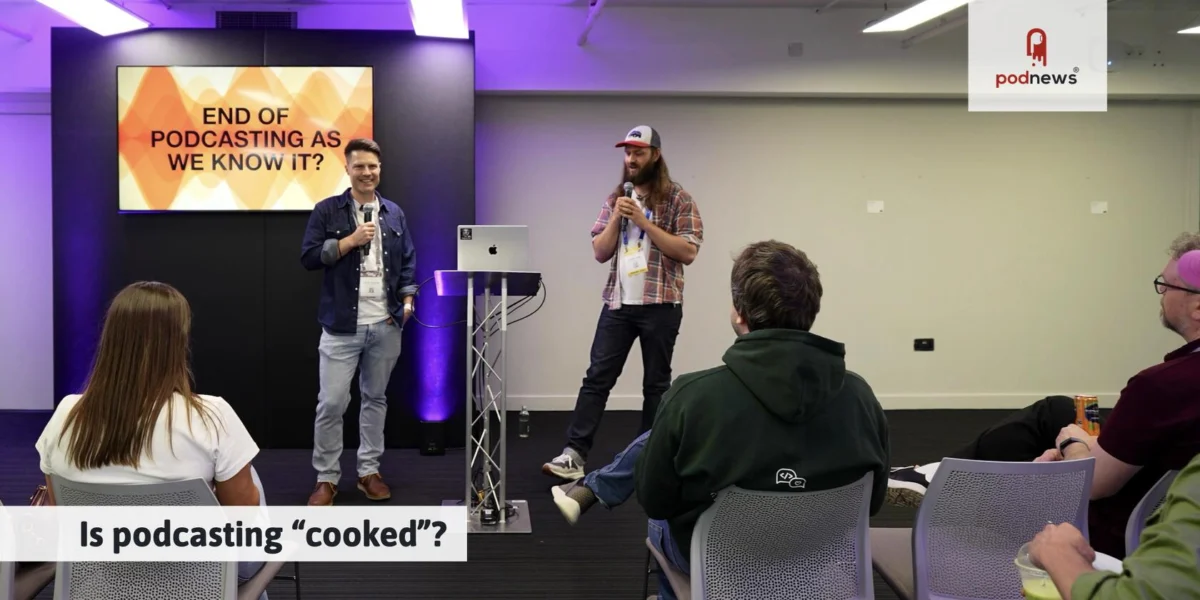
The podcasting landscape continues to undergo a rapid, multifaceted evolution. As the medium matures, the intersection of specialized storytelling, historical deep dives, and data-driven discoverability has redefined how audiences engage with audio. This report synthesizes the latest developments from the Airwave network and broader industry trends, offering a comprehensive look at the current state of the audio ecosystem.
Main Facts: A Diverse Audio Landscape
The current podcasting ecosystem is characterized by a "niche-first" philosophy. Where the industry once prioritized mass-appeal celebrity vehicles, recent performance data indicates a robust appetite for high-quality, long-form, and specialized content.
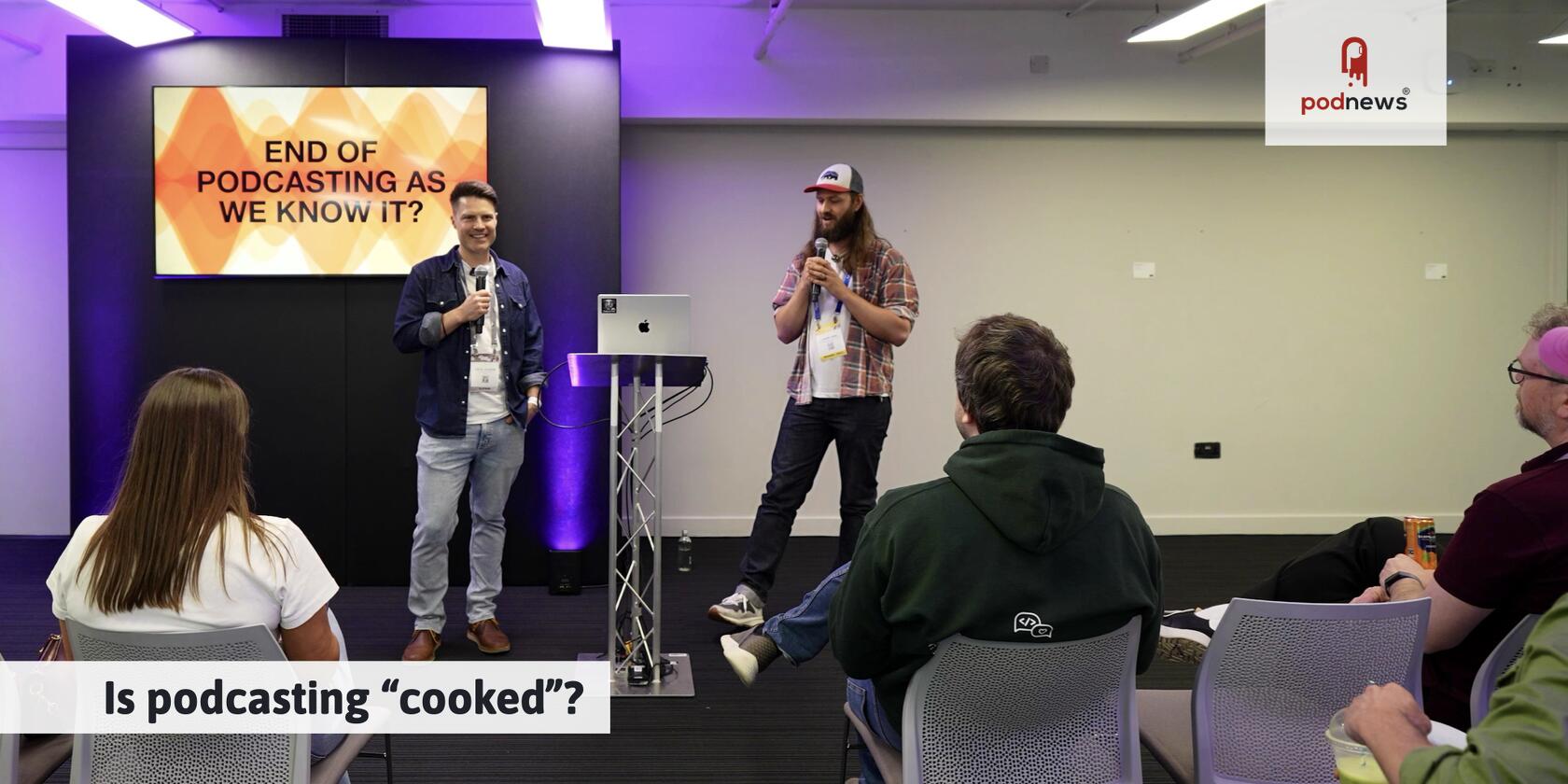
The Airwave network, a prominent player in the curation of intellectual and historical programming, has recently highlighted several key programs that reflect these shifts. From the grim corridors of true crime history to the granular analysis of industrial heritage, producers are increasingly leaning into "deep-vertical" content. This strategy not only fosters loyal, highly engaged listener communities but also provides advertisers with highly specific demographic targets, shifting the value proposition of podcasting from sheer volume to high-intent engagement.
Chronology: Recent Developments and New Releases
The past few weeks have seen a flurry of activity across the audio production spectrum, signaling a move toward thematic expansion:

- Mid-Year Content Overhauls: Several podcasts, including What We Did Before, have used this period to pivot toward "last-chance" reporting. By focusing on the imminent closure or renovation of cultural institutions—such as the Catalyst Museum in Widnes, UK—these shows are positioning themselves as essential, timely records of history.
- Season Premieres and Professional Pivot: The Candid Divorce Lawyer, hosted by Kimberley Davies, has launched a new season, reflecting a broader trend of "expert-led" programming. By moving away from generalist advice to highly specialized legal and emotional guidance, the show serves as a case study in how professional service providers are using audio to establish authority.
- The "Podcast About Podcasts" Phenomenon: Shows like Pick of the Pods have successfully carved out a meta-niche. By interviewing creators—such as their recent feature on Jonathan Block’s Stumbling Blocks—these programs are essentially creating a recursive loop of discovery, helping listeners navigate an increasingly saturated market.
Supporting Data: The Anatomy of the Charts
Data from major platforms reveals a rigid yet constantly shifting hierarchy of listener preference. The current top-tier performers demonstrate that established, high-frequency shows continue to dominate the top of the funnel, while new entries are beginning to disrupt specific regional and thematic categories.
Market Leaders
- Apple Podcasts (US): Crime Junkie maintains its grip on the #1 spot, underscoring the enduring power of the true-crime genre.
- Spotify (US): The Joe Rogan Experience remains the undisputed leader, proving that long-form, conversation-based content remains the most resilient format in the digital age.
Emerging Trends in Discoverability
- Highest New Entry: The Solo Bureau has debuted at #1 in the Australian news category, indicating a successful regional launch strategy.
- Niche Gains: The Creative Kind saw the most significant growth in the Visual Arts category in Ireland, proving that even "soft" or creative topics can achieve rapid chart velocity when targeted toward specific geographic demographics.
- Genre Authority: The Book Club continues to anchor the UK literature podcast market at #1, suggesting that vertical-specific shows are increasingly becoming the "destination" for hobbyists and professionals alike.
Official Responses and Creator Perspectives
Industry leaders, including figures like Justin Jackson and Jeremy Enns, have recently emphasized the importance of sustainable production models. The shift away from the "podcasting gold rush" toward a more sustainable, creator-owned model has become a dominant theme in professional discourse.

"The goal is no longer just to get a million downloads," notes one production lead. "The goal is to build an audience that stays for the long term." This sentiment is reflected in the content strategy of the Airwave network, where the focus has shifted toward high-production-value interviews with authors, historians, and subject-matter experts. By inviting experts to deep-dive into their life’s work—such as the historians featured on Most Notorious!—networks are building "evergreen" libraries that retain value years after the initial release.
Implications: The Future of the Audio Economy
The current state of the industry suggests three major implications for the coming year:

1. The Death of the Generalist
As the charts become increasingly stratified, general-interest podcasts are finding it harder to compete. The most successful shows now have a clear, almost granular, focus. Whether it is the history of the chemical industry or the legal nuances of divorce, the "deep dive" is the new standard.
2. The Rise of "Archival" Audio
The work being done by programs like What We Did Before indicates a transition toward audio as a form of cultural preservation. As physical locations change or disappear, podcasts are acting as the primary medium for documenting these shifts. This gives audio a unique position in the media landscape, moving it from mere entertainment to an essential cultural record.

3. Data-Driven Discovery
The success of shows that perform well in specific regions (like The Solo Bureau in Australia or The Creative Kind in Ireland) highlights the role of localized SEO and metadata. Producers are no longer just making "content"; they are optimizing for specific chart behaviors. Understanding the algorithmic preferences of Apple Podcasts and Spotify is becoming as critical as the editorial quality of the show itself.
4. The Sustainability Challenge
The industry is currently in a phase of professionalization. With the return of structured seasons for shows like The Candid Divorce Lawyer, there is a clear trend toward the "television model" of production: finite seasons, high editorial rigor, and clear value propositions. This moves the industry away from the chaotic, infinite-stream approach that defined the early 2020s and toward a more manageable, business-focused model.

Conclusion
The podcasting industry has entered a phase of stabilization. The frenzy of rapid, unchecked growth has given way to a more sophisticated, data-aware, and content-rich environment. While the top of the charts remains occupied by long-standing powerhouses, the vibrancy of the medium is found in the fringes—in the history of the 19th-century bleach industry, in the nuanced advice for those navigating divorce, and in the critical analysis of leadership failures.
For creators, the path forward is clear: identify a niche, build deep authority, and leverage the discoverability tools now available to ensure that content reaches the audience that needs it most. The future of audio is not in being everything to everyone, but in being the definitive source for someone. As we look to the remainder of the year, the winners will be those who balance this relentless pursuit of quality with a keen understanding of the data that drives listener behavior.
 Asep Darmawan
 Jia Lissa
 Neng Nana
