

Last month, I made the most significant transition of my professional and personal life: I moved to Paris. This was not the fleeting, romanticized version of an extended vacation, nor was it the frequent "commuter" lifestyle I had maintained for years, flying in from New York four times annually. This was a permanent relocation—a work visa in hand, a Brooklyn apartment liquidated, and a one-way ticket to a new reality. I arrived in mid-May with six suitcases, a fried nervous system, and the daunting task of establishing a life in a city that famously guards its secrets.
To bridge the gap between "tourist" and "resident," I chose to bypass the cramped, high-priced studios of the city center and instead checked into a sprawling, light-filled Airbnb in Suresnes, a commune in Greater Paris. It proved to be the most strategic decision of my move.
The Anatomy of the Move: Finding a Foothold
The logistics of moving to a new country are rarely as cinematic as they appear on screen. They are defined by the crushing weight of luggage, the bureaucratic fatigue of visa paperwork, and the existential dread of being a stranger in a foreign land. My initial goal was simple: I needed a "soft landing."
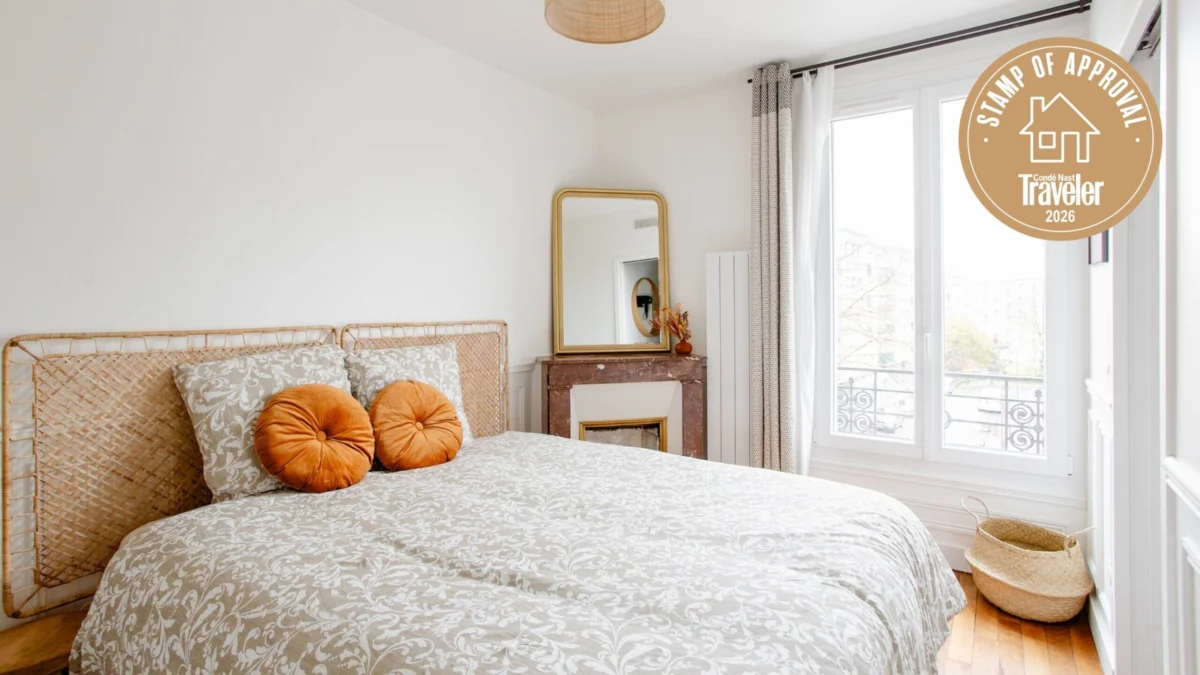
The apartment in Suresnes offered exactly that. With a proper bedroom, a dedicated living room, a full kitchen, and the golden ticket for any expat—an in-unit washing machine—it was designed for the rigors of long-term living. The architecture itself provided an immediate, comforting sense of place: classic French wood flooring, intricate wall moldings, and tall, street-facing windows that acted as a portal to the neighborhood.
For a traveler, this space is an anomaly. It is perfectly suited for a family requiring separation, a couple seeking breathing room, or a solo traveler who values the luxury of square footage—a rare commodity in the 20 arrondissements.
Chronology of a Transition: From Arrival to Residency
The process of settling in followed a distinct rhythm, one that allowed me to acclimate to French life without the sensory overload of the city’s tourist hubs.

- Week 1 (Arrival): The focus was on "transition objects." I unpacked my cocktail shaker and wine openers, establishing a sense of domesticity in the well-equipped kitchen. I stocked the full-size refrigerator with local market finds—comté, seasonal radishes, and fresh baguette.
- Week 2 (Integration): I began to understand the infrastructure of Suresnes. The induction cooktop became my morning station for coffee and omelettes. I mastered the manual drying rack, positioning it to catch the afternoon sun, and began navigating the nuances of the local train system.
- Week 3 (Socialization): I ventured into the neighborhood. I became a regular at the local rotisserie, where the proprietor greeted me with the warmth of a long-time neighbor. I learned the social etiquette of the bus stop at Croix du Roy, where a local resident once shared her umbrella during a sudden downpour—a small, quintessential act of French kindness.
- Week 4 (The Shift): By the end of the month, the move from the temporary Airbnb to a permanent residence felt less like a leap into the unknown and more like a graduation. I had learned the sounds of the neighborhood—the evening chatter at the local brasserie, the morning school-run bustle—and had found my rhythm.
Supporting Data: The Strategic Advantage of Suresnes
The primary draw of this location is its positioning just outside the périphérique, the highway that acts as the physical and psychological boundary of Paris. While first-time visitors often prioritize proximity to the Eiffel Tower, the "old-hand" traveler—or the expat—understands the value of the 20-minute commute.
The train service into Gare Saint-Lazare is, by any international standard, efficient. It serves as a bridge between the quiet, orderly charm of Suresnes and the frantic energy of central Paris. For someone like me, who has logged roughly 16 trips to the French capital, this location offered the best of both worlds: the ability to meet friends for an apéro in Montmartre on a whim, while maintaining a sanctuary of calm that the inner city rarely provides.
The Domestic Reality: Why Architecture Matters
The technical specifications of this Airbnb were not just conveniences; they were vital to my mental health during the transition. The en suite bathroom, with its immaculate blue tiling, featured hot water and plumbing that functioned with a speed rarely seen in the aging infrastructure of central Paris.
The building, while lacking an elevator, required a climb of only three flights of stairs. This was a minor physical tax for the benefit of the view: a sweeping perspective of the neighborhood that grounded me. In the evenings, the ambient noise of the brasserie across the street acted as a gentle, human soundtrack to my remote work, a stark contrast to the sterile silence of a hotel room.
Implications for the Future of Travel
The shift toward "slow travel"—the practice of staying in one place for weeks or months rather than days—is changing the rental market. My experience highlights a significant trend: travelers are increasingly seeking properties that facilitate a "domestic" lifestyle.
For the rental industry, this suggests that the future of hospitality is not just about aesthetic, but about utility. Amenities like high-speed internet for remote work, functional laundry facilities, and proximity to non-tourist infrastructure are now the primary drivers of demand. Families, in particular, are looking for spaces that offer a sense of "normalcy," such as child-proofed kitchen appliances and safe, quiet neighborhood environments.

The "Local" Experience: A Reflection
Living in Suresnes provided me with a template for what a sustainable life in France could look like. It wasn’t about being at the center of the spectacle; it was about being adjacent to it.
I remember sitting on a bench at the Terrasse du Fecheray, watching the sun set over the French capital. The Eiffel Tower glittered in the distance—a reminder that while I was far enough away to enjoy the peace of a quiet suburb, the heart of the city was still mine to access.
This transition, from the chaotic packing of my life in Brooklyn to the quiet, organized mornings in my Suresnes apartment, taught me that the secret to loving Paris is not trying to consume it all at once. It is about finding a corner of the city that allows you to breathe, letting you wake up with the sun, cook your own meals, and engage with the community on your own terms.
As I settle into my new, more permanent life in the city, I find myself looking back on that Airbnb with a sense of profound gratitude. It was not just a place to stay; it was the staging ground for a new chapter. And for anyone looking to see a different side of this beloved, complex city, it remains the ultimate recommendation: look past the center, find the quiet boulevards, and give yourself the space to actually live.
Editor’s Note: Selecting Your Long-Term Stay
When choosing an Airbnb for an extended period, prioritize the following:
- Transport Connectivity: Always check the proximity to a major train or RER station. A 20-minute commute is often more peaceful than living in a loud city center.
- Laundry Infrastructure: For stays over a week, an in-unit washer is non-negotiable.
- Local Amenities: Ensure the property is within walking distance of essential services—a bakery, a pharmacy, and a grocery store.
- Natural Light: In older European buildings, light can be scarce. Look for photos that show large, street-facing windows to ensure your living space doesn’t feel like a basement.
 Sagoh
Sagoh
 Asro
Asro
