

The ballots have officially closed, marking the end of the high-stakes period of speculation, campaigning, and frantic screeners that defines the Emmy Awards season. As the television industry collectively holds its breath until the nominations are announced on July 8, the focus has shifted from the "for your consideration" campaigns to the cold, hard reality of the voting body’s choices.
To unpack the complex landscape of this year’s race, Gold Derby editor-in-chief Debra Birnbaum convened a panel of the industry’s most respected voices: The Hollywood Reporter’s Scott Feinberg, Deadline’s Pete Hammond, Variety’s Clayton Davis, and IndieWire’s Marcus Jones. What was billed as a standard conversation quickly devolved into a spirited—and at times combative—argument over the state of modern television and the shifting tastes of the expanded TV Academy.
The "Content Glut": A Crisis of Consumption
The central thesis emerging from the panel was one of overwhelming saturation. With the streaming era hitting its peak, the sheer volume of high-quality, high-budget programming has made it humanly impossible for the average Television Academy voter to keep pace.
"It’s just very difficult to see all of this," admitted Pete Hammond, whose decades of experience covering awards season have left him wary of the current landscape. "I can’t imagine people watching all of this. So again, the familiar is going to rise to the top."
This sentiment captures the "incumbent advantage" that defines the Emmys. When voters are faced with thousands of hours of content, the path of least resistance—voting for the shows that defined the previous year or the platforms that dominate the cultural conversation—often wins out over niche, critically acclaimed gems. The panel agreed that this "content glut" is not just a logistical hurdle but a structural problem for the Academy, as it tends to favor brand-name recognition over discovery.
The Fragility of Incumbents: Momentum as a Metric
While many pundits assume that established winners will sail through to nominations, Scott Feinberg offered a provocative counter-narrative: the era of the "safe" repeat nominee is coming to an end.
"We may be looking at some that have been there for year after year that are actually going to fall out potentially," Feinberg noted. He pointed specifically to The Bear, which is entering its fourth season. Despite its massive footprint, Feinberg argued that the show’s momentum is beginning to shift, suggesting that the industry’s hunger for the "next big thing" might finally eclipse the loyalty shown to long-running staples.
On the drama front, the conversation turned to Stranger Things. The sci-fi juggernaut has long been a fixture of the Emmy conversation, but as it nears its conclusion, the panel questioned its ability to sustain the same level of prestige-voter support it once commanded. The consensus among the experts? The "sneaky" nomination—where a show slides into a category despite waning buzz—is becoming harder to pull off as newer, fresher contenders crowd the field.

The Limited Series Stagnation
Historically, the Limited Series category has been the "Wild West" of the Emmys—the place where the most innovative, experimental, and star-studded projects live. However, the panel expressed a collective sense of fatigue regarding this year’s entries.
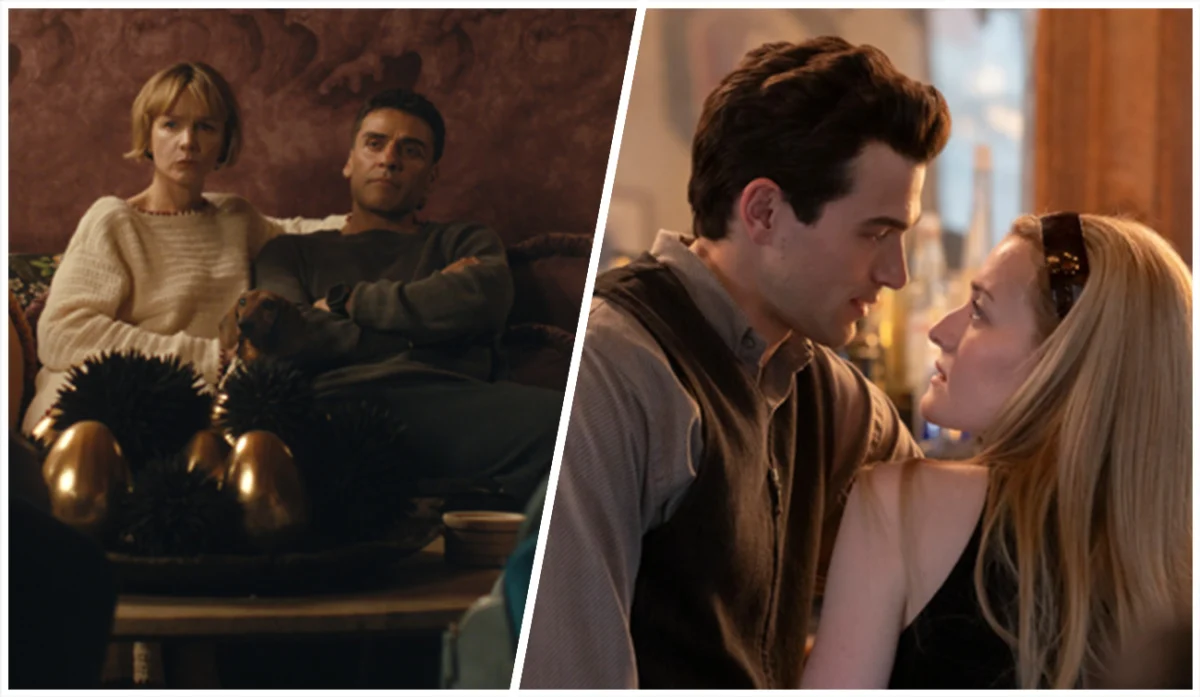
"It feels less exciting this cycle," the group agreed. While the high-profile heavy hitters like Love Story, Beef, and The Beast in Me were identified as "safe" bets for nominations, the periphery of the category was met with skepticism. Titles such as DTF St. Louis were labeled as "very weird for a lot of people," while Half Man was criticized for being a difficult watch.
The struggle of these shows highlights a broader issue: the "Prestige" barrier. If a series is deemed too polarizing or difficult, it struggles to gain the consensus support required for a nomination in a category that has become increasingly competitive.
Voting Dynamics in an Era of 24,000 Members
The most significant change to the Emmy landscape in recent years is the size of the electorate. With the Television Academy now boasting 24,000 members, the traditional "camps" and "voting blocks" are harder to predict.
"It’s anybody’s ball game," says Hammond. "That’s why a show like Love Story, which I didn’t vote for, but I think will easily get nominated, because it’s got all of the zeitgeist behind it."
This expansion has shifted the power from a small, insular group of industry insiders to a broader, more diverse, and often more casual voting base. The "zeitgeist" factor—the ability of a show to dominate social media, water-cooler conversations, and headlines—has become a more reliable predictor of success than traditional critical acclaim.
Prestige Bias and the "British Vote"
Clayton Davis offered an interesting insight into the quirks of the voting process, specifically the "prestige British vote." In discussing why Lord of the Flies is projected to secure a nomination, Davis noted the tendency for voters to lean toward international prestige projects, regardless of whether they have seen them.
"I’ve never found someone in real life who watches Slow Horses, but that still keeps getting in," Davis observed. He argued that there is a subset of the Academy that views certain British imports as inherently "prestige" by default, leading to an automatic bump in the polls. It is a form of brand loyalty that transcends individual viewing habits.

The Platform Problem: Peacock and the Visibility Gap
The panel also touched upon the "platform problem," noting that visibility is often tied to the perceived prestige of the streamer. Marcus Jones highlighted the uphill battle faced by platforms like Peacock.
"Do enough voters watch Peacock in general?" Jones asked. When discussing All Her Fault, he suggested that while the show itself might be overlooked due to its home on a platform that voters don’t habitually check, the individual talent will still rise to the top. "Even I think Sarah Snook is going to be nominated," he added, citing the undeniable power of a star performance to transcend the "platform bias."
Implications for the Industry
As we look toward the July 8 announcement, the implications of these discussions are clear. The television industry is in a period of contraction and correction. The era of "more is more" is being replaced by a focus on "what matters."
If the pundits are correct, we should expect a list of nominations that balances legacy favorites with a few surprise "zeitgeist" hits. However, the true story of this year’s Emmys won’t be about the winners; it will be about the shows that were left behind. The "content glut" has created a filter that favors the loud, the familiar, and the undeniably prestige, leaving little room for the quiet, challenging, or "difficult" television that once thrived in the margins of the awards circuit.
Looking Ahead
The debate among the pundits is far from over. With Part 2 of the discussion set to focus on Comedy and Part 3 on Drama, the battle lines are only beginning to be drawn.
As the industry waits for the final word from the Academy, the question remains: Can the Emmys continue to serve as a meaningful barometer of quality when the medium itself is so fractured? Or has the nomination process simply become a reflection of the most recognizable brands in the business?
For now, the experts have had their say. The ballot boxes are sealed, the computers are processing, and in less than a week, the results will confirm whether the "familiar" truly rose to the top, or if the 24,000 members of the Television Academy have a surprise in store for us all.
Stay tuned to our TV forums for ongoing analysis and further breakdowns as we count down to the official Emmy nominations.
 Ammar Sabilarrohman
 Siti Muinah
 Iffa Jayyana
