

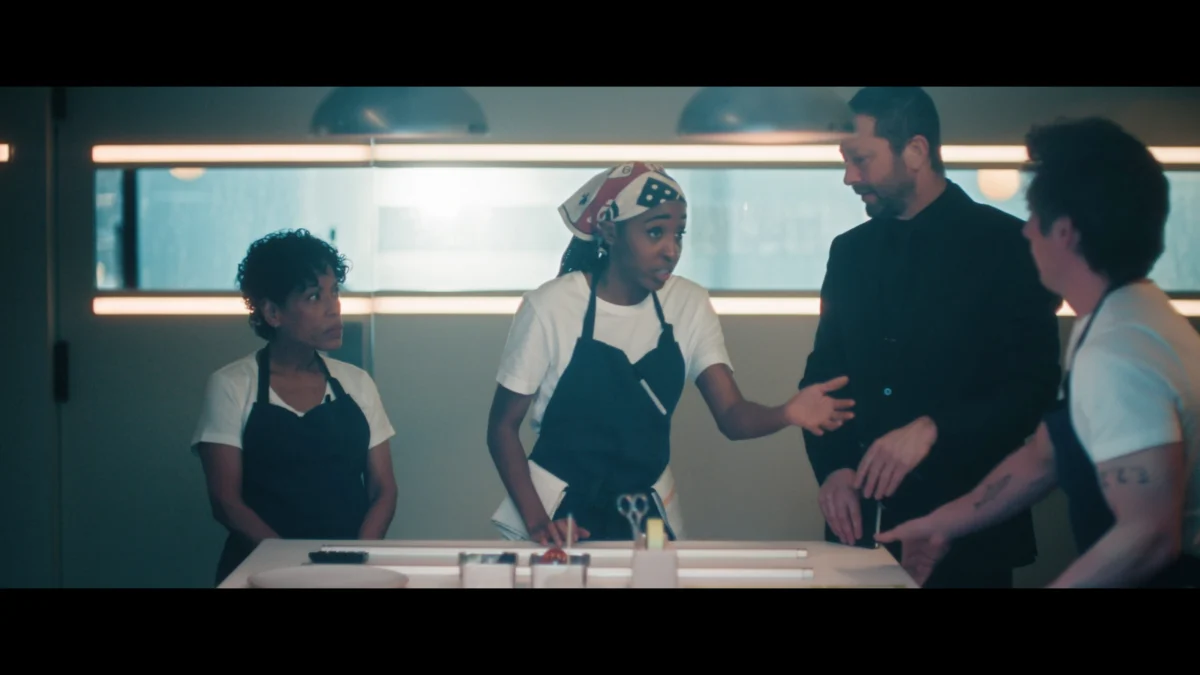
The landscape of modern television awards is rarely straightforward, but few shows have navigated the labyrinthine politics of the Television Academy as uniquely—or as controversially—as FX’s The Bear. As the series enters its latest cycle, the discourse surrounding its categorization, eligibility windows, and critical reception has reached a fever pitch. With the recent, highly anticipated release of Season 5, industry analysts and fans alike are dissecting how the show’s latest narrative chapter impacts its standing as it marches toward the 2026 Emmy Awards.

A Complex Legacy: Comedy, Drama, and the Scheduling Squeeze
For years, the conversation regarding The Bear and the Emmys has been defined by a fundamental identity crisis. Is it a half-hour comedy, or does its relentless, anxiety-inducing pacing and profound exploration of trauma align it more closely with the drama category? While the Television Academy has largely accepted its placement as a comedy, the debate continues to simmer in trade publications and social media forums.

Beyond the genre classification, there is the issue of the "timing trap." Because of the show’s habitual June release, Television Academy members are often required to evaluate new episodes while simultaneously casting ballots for the previous season. This has created a volatile feedback loop for the production. The timing proved a massive success in 2023, when the show secured the award for Best Comedy Series. However, the momentum hit a significant wall last year, when the show was notably passed over in several high-profile categories despite holding 13 nominations.

The question facing the industry today is whether the overwhelmingly positive critical reception of the just-released Season 5 will act as a "halo effect," potentially boosting the perception of the previous season’s work, or if it will inadvertently highlight the show’s departure from its original comedic roots.

Chronology of a Campaign: From Critics’ Darling to Emmy Heavyweight
To understand the current positioning of The Bear, one must look at its trajectory. The show’s rise was meteoric, moving from a sleeper hit on FX to a cultural juggernaut within a single year.

- 2023: The show dominated the awards circuit, securing its place as the definitive Best Comedy Series. The industry lauded the show’s technical precision and raw performances.
- 2025: A year of adjustment. As the show moved into its mid-run, the Academy began to weigh the series against a crowded field of newcomers and established favorites. The lack of wins for major categories was viewed by some as a "correction" in the voting cycle.
- June 2026: The release of Season 5. Within 72 hours of its debut, the show began to see a measurable shift in betting odds. Current data from Gold Derby experts indicates a 3% increase in favorability for a Best Comedy Series nomination. This puts the show in a strong position, particularly given the current rules that guarantee eight slots for the Best Series categories.
Supporting Data: The Numbers Behind the Narrative
The shift in betting markets, while seemingly incremental, is statistically significant in the high-stakes world of awards forecasting. A 3% jump in a field as competitive as the Best Comedy Series is a testament to the enduring loyalty of both the voting base and the critical establishment.

However, a closer look at the data reveals a fascinating divergence between the series-level success and the individual performance categories. While the show’s nomination for Best Comedy Series feels increasingly secure, the lead performer categories are experiencing a different trend. Jeremy Allen White, who has previously taken home the gold for Best Comedy Actor, has seen his individual odds dip by 3%. Similarly, Ayo Edebiri—who transitioned from a supporting role to a lead role—has seen her odds slide by 6%.

This suggests that while the Academy remains committed to the work of the show as a whole, voters are increasingly scrutinizing the individual performances as the narrative of the series evolves. The pressure to maintain a streak of wins is immense, and as the show enters its later seasons, the "incumbency tax"—a phenomenon where voters look to honor new talent over previous winners—may be beginning to take hold.

The Reality of the Voting Window
The most critical factor in this year’s narrative is the timing of the Television Academy’s voting process. Phase 1 of the Emmy voting concluded prior to the premiere of Season 5. This creates a technical hurdle: the current accolades, reviews, and cultural conversation surrounding the new season do not officially count toward the eligibility of the episodes currently being voted upon.

Consequently, if The Bear is to secure a victory in 2026, it must do so on the strength of the previous season’s output alone. The "Season 5 bump" is, for all intents and purposes, a psychological phenomenon rather than a procedural one. It influences the "vibe" of the industry, keeping the show in the forefront of the conversation, but it cannot override the ballots already cast. This separation of critical momentum from actual eligibility is a rare quirk of the 2026 calendar, forcing the FX campaign team to rely on the enduring resonance of the previous episodes.

Implications: A Michelin-Worthy Farewell
The implications of this cycle are profound. If The Bear secures a nomination—and potentially a win—despite the voting window mismatch, it will solidify its status as a foundational text in the "prestige comedy" genre. Should it falter, it may signal that the industry is finally ready to move on, looking for the next breakout hit to define the mid-2020s.

Critics have described the latest season as "Michelin-worthy," citing its polished writing and character development. If these reviews continue to dominate the discourse, the production team at FX and the series creators likely hope that this cultural capital will spill over into the following year. By creating a high-quality product that bridges the gap between seasons, the show is essentially "pre-campaigning" for 2027 while still fighting for the 2026 finish line.

Ultimately, The Bear finds itself in a position of strength, even with the cooling of its individual performance odds. The show is not merely competing for a trophy; it is competing for legacy. As the kitchen doors potentially close on this chapter of the series, the industry is watching to see if the Academy will reward a show that consistently pushes the boundaries of its format, or if the "complicated conversation" about its genre will finally lead to a change in its fortunes.

For now, the math is clear: the show is safely within the top-eight range for a nomination. Whether it can overcome the individual dips for White and Edebiri to secure the top prize will remain the industry’s most closely watched story until the envelopes are opened.
 Ammar Sabilarrohman
 Siti Muinah
 Iffa Jayyana
