

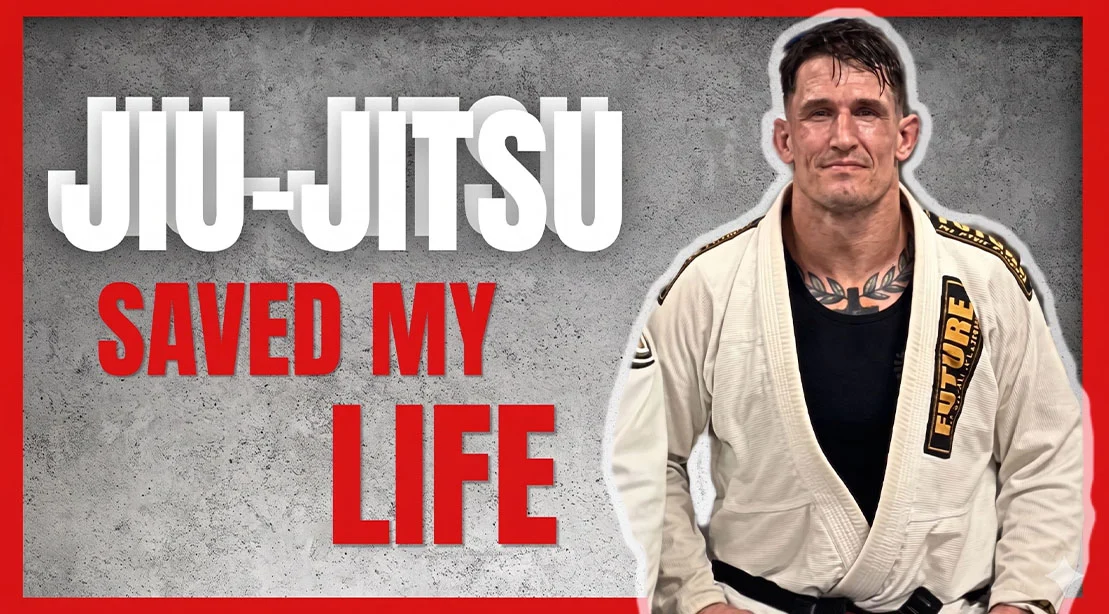
The transition from military service to civilian life is a challenge that thousands of veterans face annually. For many, the loss of structure, camaraderie, and a clear sense of mission leads to a profound identity crisis. In the latest episode of the Fit to Serve podcast, host Tim Wilkins sat down with retired United States Marine and founder of the Veteran Bushido Brotherhood (VBB), Jeric Fry, to dissect the complex journey of service, struggle, and the ultimate search for purpose.
Fry’s narrative is not merely a recount of his time in the infantry; it is a raw, unvarnished look at the psychological landscape of the modern veteran. From the grueling physical preparation of the Marine Corps to the dark nights of PTSD and survivor’s guilt, Fry’s story serves as a blueprint for those seeking to reclaim their lives after the uniform comes off.
The Reality of Preparation: More Than Just Battle
The Myth of Immediate Deployment
For many young recruits, the cinematic version of military service—stepping off a plane and straight into the heat of combat—is the primary motivation for signing the dotted line. Jeric Fry was no exception. Raised in a blue-collar household in western Pennsylvania, Fry entered the recruiter’s office with a burning desire to serve and a misconception about how quickly that service would begin.
Fry quickly learned that the path to becoming a Marine is a methodical, long-term commitment defined by education, rigorous testing, and intense physical conditioning. "You don’t take an oath today and jump on a plane overseas tomorrow," Fry noted during the podcast. This period of waiting, which might frustrate a young, eager recruit, proved to be a vital foundational phase.
The Physical Crucible
Fry candidly admitted that he arrived at boot camp "a little heavy." The transition from civilian life to the relentless, high-octane cardio requirements of the Marine Corps was a shock to the system. However, the culture of constant movement and physical exertion acted as a catalyst for his transformation.
The lesson here for future service members is clear: the military is not just about the mission; it is about the preparation of the self. The time spent in training is designed to acclimate the soldier to an environment where physical endurance is the baseline for survival. Fry’s journey highlights that the discipline learned during these formative months creates the mental scaffolding required for the trials that follow.
The Weight of Command and the Pressure of Greatness
The Responsibility of the Gunner
Once deployed, the romanticized version of warfare vanishes, replaced by the crushing reality of responsibility. As a gunner, Fry carried the weight of his unit’s safety and the success of the mission on his shoulders. The "pressure to be great" was not an abstract goal; it was a daily requirement.
"The only thing I could think about was that people’s lives are in my hands," Fry explained. This level of accountability creates a psychological strain that is difficult for those outside the military to fathom. Fry recalled a specific mission to rescue American citizens in a legitimate war zone—a moment where the surreal nature of the situation hit him with full force. While sitting on a ship, watching buildings vanish under fire in the distance, he was forced to confront the life-or-death consequences of his decisions.
The Psychological Toll
Throughout the interview, Fry reflected on the moments he questioned his own choices. This internal dialogue is a hallmark of the combat experience. When the "beautiful sea" becomes a backdrop for destruction, the contrast between the environment and the mission creates a cognitive dissonance that many veterans carry long after they return home.
Fitness as an Anchor: The "Man Stuff" Mentality
Stability in Chaos
During his deployment, Fry found solace in the simple, repetitive nature of military life. The routine—working, lifting weights, and camaraderie—provided a sense of normalcy amidst the chaos of war. Fry referred to this as "man stuff," a shorthand for the essential bonding and physical maintenance that kept him and his fellow Marines focused and grounded.
A Generational Legacy
Fitness in the Fry family was never just a hobby; it was a pillar of existence. Fry recounted stories of his grandfather, who, even at 75 years old, was maintaining a rigorous strength-training regimen, performing flyes with 75-pound dumbbells. This generational influence taught Fry that physical health is the primary anchor of a stable life.
"No matter what else fails in my life, fitness keeps me centered," Fry stated. This philosophy suggests that for veterans, the gym acts as a sanctuary—a place where the rules are clear, the effort is rewarded, and the mind can find a momentary respite from the complexities of civilian transition.
The Crisis of Identity: Surviving the Transition
The Vacuum of Purpose
Upon exiting the service, Fry faced the classic veteran’s dilemma: the lack of a formal degree, a loss of community, and a sudden, deafening silence where there used to be a mission. Without the structure of the Corps, he spiraled into a period marked by depression, survivor’s guilt, and the numbing effects of alcohol.
Fry’s struggle is a sobering reminder of the "post-service void." He found himself working a labor-intensive job—digging holes for a plumbing company—while feeling a profound sense of disillusionment. "I was the coolest I was ever going to be at 25 years old," he lamented. This sentiment is shared by many who feel that their peak years of purpose and identity are tied to a period of life that is officially "closed."
Reclaiming Agency
The turning point for Fry came when he decided to stop waiting for an opportunity and start creating one. Remembering his past experience as a barber at Quantico, he took his tools to a local shop. He persisted, returning day after day, until he finally secured the chance to cut a client’s hair. Within six months, he had successfully transitioned out of the plumbing industry and back into a trade that allowed him to interact with people and reclaim his identity.
The Veteran Bushido Brotherhood: Turning Pain into Purpose
The Role of Jiu-Jitsu
It was through his work as a barber that Fry discovered Brazilian Jiu-Jitsu (BJJ). The discipline of the mat provided the structure he had been missing. In the BJJ community, he found other veterans who were also striving to improve themselves. This was not just a workout; it was a recovery ecosystem.
Creating the Veteran Bushido Brotherhood
Recognizing that he was not alone in his struggles, Fry founded the Veteran Bushido Brotherhood (VBB). The nonprofit organization is dedicated to helping veterans find their footing through the martial arts. By creating a space where veterans can train, talk, and build a new sense of community, Fry has transformed his personal healing into a mission to save the lives of others.
"I’m here to spread this message, not because I want to or because I have an ego, but because I have to," Fry explained. "Because it saves lives."
Implications for the Veteran Community
Jeric Fry’s journey from a Marine gunner to the founder of the VBB offers several key takeaways for those currently navigating the veteran experience:
- Preparation is Eternal: The discipline learned during training should be applied to civilian life. Planning, goal setting, and physical readiness are just as crucial in the boardroom or the barber shop as they are in the field.
- Fitness is Non-Negotiable: For the veteran, physical health is the foundational layer of mental health. Maintaining a fitness routine provides an anchor during times of transition or emotional volatility.
- Community is the Cure: The greatest casualty of the transition to civilian life is often the loss of a tribe. Veterans must actively seek out communities—whether through sports, trades, or organizations like the VBB—that share their values and provide a sense of belonging.
- Purpose Must Be Built: There is no "waiting" for a purpose to manifest. Like Fry, veterans must be willing to use their existing skills or acquire new ones to forge a new identity, even if it requires starting at the bottom again.
- Service Continues: The spirit of service does not end with the DD-214. By mentoring other veterans and creating support networks, individuals can continue to protect and serve their brothers and sisters in arms.
For those interested in hearing the full, unedited account of Jeric Fry’s journey, the Fit to Serve podcast episode is available on the Muscle & Fitness YouTube channel. Fry’s story is a testament to the fact that while the transition to civilian life is fraught with peril, it is also an opportunity for a second act—one that is just as meaningful, if not more so, than the first.
 Lina Hope
 rifanmuazin
 Laily UPN
