

By Dominika Tomaszewska-Mortimer
30 June 2026 | Humanitarian Aid
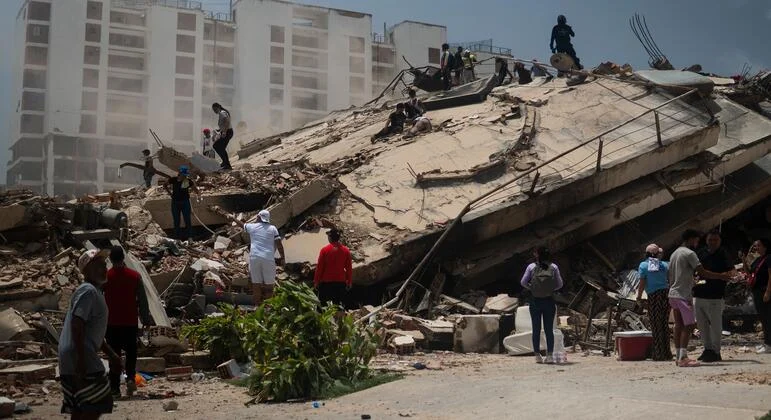
Six days after a series of devastating, high-magnitude earthquakes struck central-northern Venezuela, the nation finds itself in the grip of a deepening humanitarian emergency. Rescue teams are working around the clock in a race against time, yet the logistical nightmare on the ground—compounded by the collapse of basic services and the disappearance of key medical personnel—has left thousands of survivors in a state of precarious vulnerability.
The United Nations has issued a stark warning: without an immediate, coordinated surge in international aid, the secondary impact of this disaster—specifically the threat of infectious disease outbreaks—could claim as many lives as the tremors themselves.
Main Facts: A Nation in Peril
The geological violence that tore through the states of La Guaira, the Capital District, Miranda, Aragua, and Falcón has left a trail of physical and societal destruction. According to the latest data from the United Nations High Commissioner for Refugees (UNHCR), the official death toll stands at 1,719, with at least 5,034 individuals sustaining injuries. The displacement crisis is acute, with 15,866 people officially registered as affected or displaced, though humanitarian agencies fear the real numbers are likely higher as communication lines remain severed in more isolated regions.
In La Guaira, the epicenter of the tragedy, the situation is described as dire. UNHCR spokesperson Carlotta Wolf reported that food shortages are now widespread, and the breakdown of telecommunications has effectively silenced large swaths of the population. “Basic services have broken down and connectivity has been largely severed,” Wolf stated, noting that community tensions are escalating as the scramble for limited resources turns into an desperate struggle for survival.
Chronology of the Disaster
- Day 1 (June 24): The initial, high-magnitude earthquake strikes central-northern Venezuela, followed shortly by powerful aftershocks that leveled structures across five major states.
- Day 2–3: Emergency response teams initiate search and rescue operations. Authorities struggle to establish a unified command center as power grids fail and road access is blocked by landslides and debris.
- Day 4: UNHCR conducts a rapid needs assessment. Preliminary data confirms that nearly 40% of the displaced are living in the streets, public parks, or makeshift structures.
- Day 5: The World Health Organization (WHO) sounds the alarm on the health sector, citing "chaotic service delivery" and the collapse of forensic and morgue services.
- Day 6 (June 30): International humanitarian agencies report that healthcare gaps are widening, with critical shortages in maternal care due to missing staff, and warnings of imminent disease outbreaks begin to dominate the discourse.
Supporting Data: The Anatomy of a Collapse
The physical toll of the earthquake is mirrored by the total failure of the nation’s health infrastructure. A WHO analysis of 21 health facilities across the affected states paints a grim picture:
- Critical Infrastructure: Three facilities are currently in "critical condition" and non-functional.
- Structural Damage: Six facilities have suffered significant structural failure, rendering them only partially operational.
- Strain: The remaining facilities, while nominally open, are operating under extreme, unsustainable pressure, characterized by severe overcrowding and a total breakdown in standard biosafety protocols.
The displacement figures are equally concerning. The UNHCR survey revealed that roughly 50% of the displaced are currently reliant on the hospitality of neighbors or relatives, while the other half are forced into sub-standard, improvised shelters. These include churches, schools, and tents that fail to meet the minimum international standards for privacy, hygiene, and safe access. The presence of unaccompanied and separated children among these populations has emerged as a significant protection concern, prompting calls for immediate child-welfare interventions.
Official Responses: The Battle Against Chaos
International agencies are struggling to navigate what they describe as "chaotic service delivery." Christian Lindmeier, a spokesperson for the WHO, emphasized that the current flow of patients is unmanageable. "There is panic—people want to have access to aid as soon as possible," Lindmeier said, noting that the surgical backlog is growing by the hour, even as the capacity to perform surgeries diminishes.
The government and international NGOs are currently attempting to establish mobile clinics and secure supply chains for food and clean water, but the task is immense. The collapse of morgue and forensic services has introduced a harrowing administrative and humanitarian hurdle: the failure to properly register casualties and track the missing is leaving families in a state of indefinite, agonizing limbo.
Perhaps most alarmingly, the disaster has claimed its own first responders. Several healthcare workers, particularly those in the La Guaira region, remain missing. The disappearance of an entire team responsible for the maternal care pathway has effectively stripped the region of its ability to handle obstetric emergencies, placing pregnant women and newborns at acute risk.
Implications: The Looming Shadow of Disease
As the dust settles, the risk of a secondary epidemic is rising to the forefront of the UN’s concerns. The combination of overcrowded, unsanitary shelters and the disruption of local water and sanitation systems has created a perfect environment for the transmission of infectious diseases.
WHO officials have specifically warned of a potential surge in vaccine-preventable illnesses, including:
- Measles, Diphtheria, and Pertussis: These diseases pose a heightened risk due to low pre-earthquake vaccination coverage and the current inability to deliver vaccines to the displaced.
- Vector and Waterborne Diseases: The proximity of stagnant water and poor waste management increases the risk of Dengue, Chikungunya, Zika, Oropouche, and Malaria.
"There is an elevated health risk for the displaced," Mr. Lindmeier warned. "The breakdown of sanitation, combined with the lack of access to basic medical services, means that an outbreak would spread rapidly through these improvised, overcrowded shelters."
The implications are clear: the emergency phase of this disaster is far from over. While search and rescue efforts continue, the international community is being urged to pivot toward a long-term stabilization strategy. This includes the massive scaling up of water and sanitation infrastructure, the deployment of specialized medical teams to replace the missing personnel, and the urgent restoration of the cold chain for vaccines.
Moving Forward
The people of Venezuela face a long road to recovery. The immediate needs—food, water, shelter, and medical care—are currently outpacing the available supplies. For the families in La Guaira and beyond, the sound of falling debris has been replaced by the deafening silence of missing loved ones and the growing fear of what the next few days will bring.
The UN continues to call for calm and cooperation, urging the international community to provide the financial and material resources necessary to prevent a manageable tragedy from spiraling into an uncontrollable public health catastrophe.
For ongoing updates on the humanitarian situation in Venezuela, subscribers are encouraged to follow the official reports from the UN News portal. Real-time updates and emergency alerts can be accessed via the UN News mobile application for both iOS and Android platforms.
 Lina Hope
 Asro
Asro
 Layla Zulfa
