

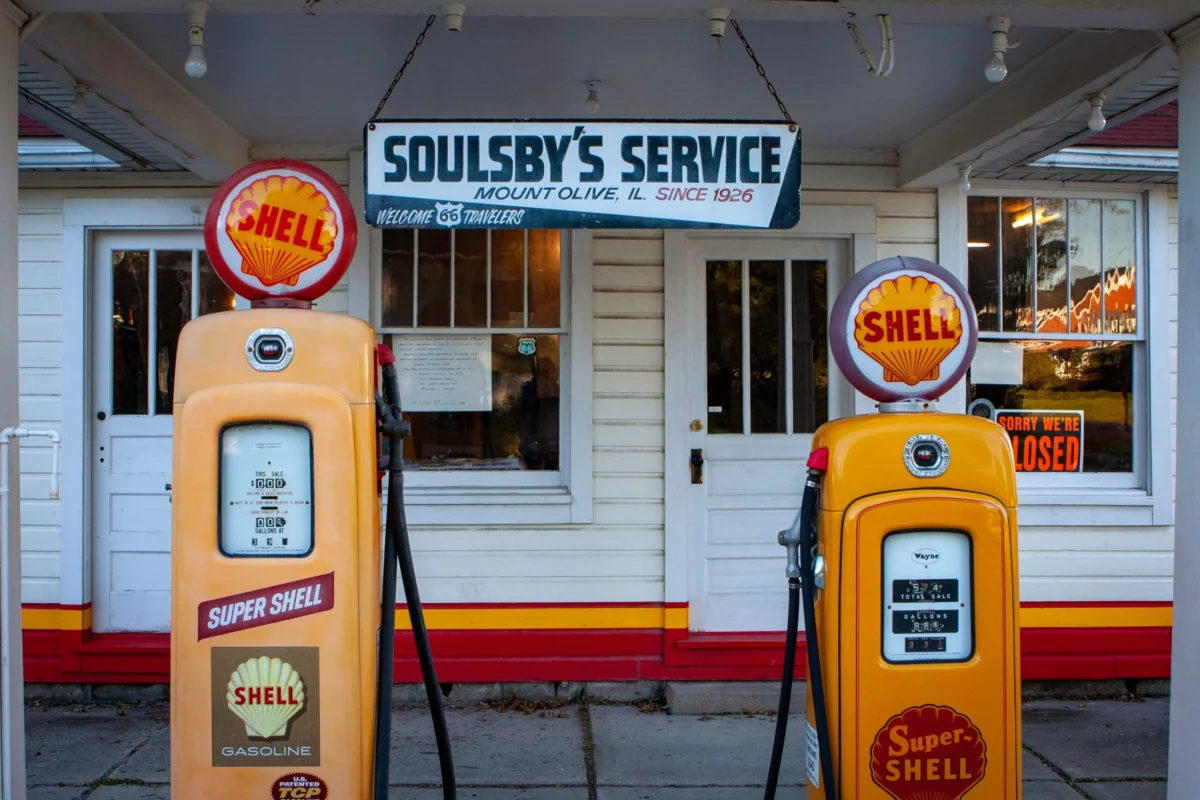
As the iconic Route 66 approaches its centennial anniversary, the "Mother Road" remains more than a mere thoroughfare; it is a circulatory system for the American mythos. For the immigrant traveler, the highway offers a unique lens through which to view a nation that often feels as contradictory as it is vast. From the industrial heartbeat of Detroit to the high-desert serenity of New Mexico, the road serves as a bridge between the country’s colonial aspirations and its indigenous realities.
The Evolution of a Skeptic: From Outsider to Road-Tripper
For many who arrive in the United States from abroad, the initial encounter is often defined by a friction between expectation and reality. Growing up in the diverse cultural landscapes of India, England, and Saudi Arabia, one is often conditioned to view American cultural hegemony with a mixture of cynicism and detached amusement. The "main-character energy" of the States—its geopolitical posturing and pervasive swagger—can be off-putting to the uninitiated.
However, the transformative power of the American road trip is a tangible, visceral experience. Upon moving to Detroit—the cradle of the American automotive industry—the author discovered that the act of driving was not merely functional; it was a sensory rite of passage. Whether behind the wheel of a vintage 1977 Ford pickup in the sweltering heat of an Ann Arbor summer or traversing the vast, quiet stretches of the Pacific Northwest, the road provides a profound sense of agency. This freedom is the bedrock of the American obsession with mobility, a concept that transcends simple geography to become a cornerstone of the national identity.

A Chronology of the Southwest Stretch
The current exploration focuses on the legendary stretch between Flagstaff, Arizona, and Santa Fe, New Mexico—a segment of Route 66 that encapsulates the tension between time, history, and modernity.
The Flagstaff Gateway
The journey begins at Sosta, a Flagstaff café, where the spirit of the Southwest is distilled into conversation. Here, the landscape serves as a protagonist. The Grand Canyon, often dismissed by skeptics as a "tourist trap," reveals itself to be a humbling geological wonder upon closer inspection. Seven hours of observation are barely enough to process the scale of the erosion and the sheer weight of geological time.
Ancient Echoes: Walnut Canyon
Ten minutes from the urban center of Flagstaff lies the Walnut Canyon National Monument. The site hosts cliff dwellings built between 1100 and 1400 by the Sinagua people. Walking these paths forces a necessary pivot in perspective: while the nation prepares for its 250th anniversary, these dwellings stand as a testament to the fact that human civilization has thrived here for millennia. The juxtaposition of the modern highway and the ancient stone creates a haunting dissonance.

Meteorite Impacts and Cultural touchstones
Thirty minutes further, the journey reaches the Barringer Crater, a 50,000-year-old scar on the Earth. The crater’s scale—capable of housing 20 football fields—serves as a reminder of the fragility of the human footprint. Transitioning from geological awe to pop-culture nostalgia, the town of Winslow offers a different kind of history. Immortalized by the Eagles’ "Take It Easy," the town has effectively commodified its own legend, turning a corner of a street into a pilgrimage site for fans of classic rock and road-trip lore.
The Preservation of Diné Heritage
In Winslow, the La Posada Hotel serves as a cultural anchor. The hotel houses the Diyogí Tsoh (The Big Rug), a massive piece of Diné artistry commissioned in 1932. The rug serves as a silent witness to a dark chapter in U.S. history: the systematic culling of Navajo-Churro sheep by the government, which devastated local livelihoods. The preservation of this rug is not just an aesthetic achievement; it is an act of defiance against the erasure of Indigenous history.
Supporting Data: The Economics of the Road
The experience of the road trip is underpinned by a massive tourism economy. As of 2026, the National Park Service continues to see record-breaking interest, though the financial barrier to entry is shifting.

- Park Access: The annual $80 National Park pass remains one of the most significant values in domestic travel, though federal policies have begun to introduce tiered pricing for non-citizens, with some passes reaching upwards of $250.
- Infrastructure: Route 66, while largely decommissioned as a federal highway, survives through state-level preservation efforts and the "Roadside Americana" industry. Small towns like Holbrook, Arizona, rely heavily on the continued viability of sites like the Wigwam Motel—a key inspiration for the Cars franchise—to sustain their local economies.
Indigenous Perspectives and Official Narratives
A recurring theme of this journey is the disconnect between the official narrative of American "discovery" and the reality of Indigenous land stewardship. During a visit to Window Rock, the capital of the Navajo Nation, the landscape reveals its true name: Ni’ Ałnįįgi, or the "Center of the World."
Engaging with residents like Lester, a member of the Hopi community, provides a vital check on the traveler’s gaze. When asked for travel advice, Lester’s response—that one must "come back" to truly witness the depth of the culture—underscores the limitation of the transient tourist experience. The ceremony he mentions, which lasted four hours, is a reminder that the most significant events in this region occur away from the highway, in spaces that demand time, patience, and respect rather than a quick photo opportunity.
Implications for the Modern American Identity
The act of traveling across the U.S. is currently a study in contradiction. As political and social tensions rise, the road serves as a microcosm of the country’s broader issues: land rights, the preservation of history, and the definition of what it means to be an American.

The "Porous" Nature of American Optimism
Despite the complexities, there remains a persistent, almost infectious optimism in the people encountered along the way. This "porousness"—the willingness to engage, share stories, and maintain a sense of possibility—is what continues to attract immigrants and residents alike. It is a blue-sky mentality that views the horizon not as a limit, but as an invitation.
Conclusion: The Road Forward
As the 100th anniversary of Route 66 approaches, the highway stands as a living museum. It is a route that forces a traveler to confront their own biases, the weight of the past, and the uncertainty of the future. Whether it is the rust-red mesas of the Petrified Forest or the quiet dignity of a tribal ceremony, the "Mother Road" continues to offer a path to understanding. It is a reminder that while nations are human constructs, the land they inhabit—and the people who have stewarded it for thousands of years—possess an endurance that transcends the boundaries of the map.
For the skeptic-turned-enthusiast, the journey is far from over. It is a lifelong commitment to listening to the stories of the land, acknowledging the shadows of the past, and embracing the open-ended promise of the next hundred miles.
 Lina Hope
 rifanmuazin
 Layla Zulfa
