

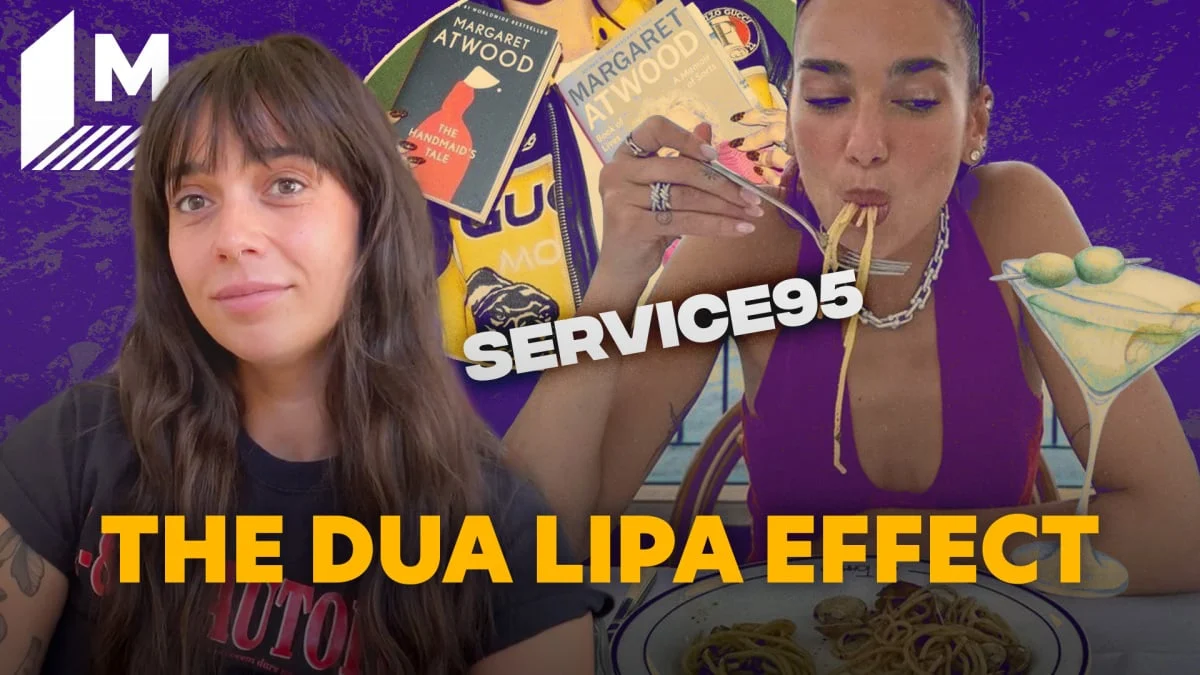
In the hyper-curated landscape of contemporary social media, where the "hustle culture" of the 2010s has gradually given way to a yearning for intentional living, one figure has emerged as the North Star for a generation exhausted by productivity metrics: Dua Lipa.
The Grammy-winning pop sensation has transcended the traditional boundaries of musical stardom to become something far more influential—a digital mood board for an idealized, autonomous version of adulthood. Her life, as presented to her millions of followers, is not merely a collection of high-fashion moments or red-carpet appearances; it is a meticulously crafted vision of leisure, intellectual curiosity, and aesthetic refinement.
The Anatomy of the "Dua Effect"
At its core, the "Dua Effect"—a term coined by culture writer Madison Huizinga—represents a fundamental shift in how we perceive celebrity lifestyle. Unlike the aspirational wealth flaunted by previous generations of pop stars, Lipa’s brand is rooted in the concept of enrichment. Her Instagram feed functions as a digital scrapbook of a life well-lived: candid shots of her reading books on remote beaches, intimate dinners with friends, visits to obscure art galleries, and a relentless, globetrotting exploration of culture.
While she is undeniably wealthy, beautiful, and famous, the allure of Lipa’s lifestyle is that it doesn’t feel like a performance of consumption. Instead, it feels like a performance of curiosity. Through her editorial platform, Service95, she has solidified this image by positioning herself as a "cultural concierge." Through its curated newsletters, podcasts, and global book club, Lipa provides her audience with a roadmap to the intellectual and aesthetic milestones she has reached. She isn’t just showing us her life; she is inviting us to participate in her process of becoming a well-rounded citizen of the world.
A Chronology of the Aesthetic Shift
The rise of the "Dua Effect" did not happen in a vacuum; it occurred in tandem with a broader cultural fatigue regarding the "grind."
- 2020-2021 (The Lockdown Pivot): As the world stood still, audiences began to romanticize the "slow life." Lipa’s content during this period focused on personal growth, home cooking, and the intellectual pursuit of literature, signaling a shift away from the frenetic energy of pre-pandemic fame.
- 2022 (The Launch of Service95): The formalization of her lifestyle brand marked a turning point. By moving her recommendations off of transient Instagram Stories and into a permanent, editorialized space, she cemented her status as a tastemaker rather than just a performer.
- 2023-2024 (The Rise of Euro Summer): Lipa became the poster child for the "Euro Summer" aesthetic on TikTok. Her ability to seamlessly blend the luxury of high-fashion travel with the relatable pursuit of simple pleasures—espresso in a piazza, a dip in the Mediterranean, a paperback book—became the template for millions of young users.
- 2025-2026 (The Mainstream Adoption): The "Dua Effect" has now fully matured into a social phenomenon. The obsession with her lifestyle has shifted from a niche interest to a defining standard for Gen Z and Millennial aspirations.
The Death of "Hustle Culture" and the Rise of Leisure
The data surrounding generational attitudes toward work suggests that Lipa’s appeal is grounded in a seismic economic and psychological shift. According to recent labor studies and youth sentiment surveys, Gen Z is significantly less likely to prioritize "the grind" than its predecessors. The traditional American Dream—which emphasized climbing the corporate ladder at the expense of personal well-being—is increasingly viewed as a trap.

Lipa’s life serves as a visual counter-narrative to this exhaustion. For a demographic currently grappling with rising living costs, housing instability, and the feeling that their personal lives are being consumed by productivity, her lifestyle represents a "dream job" where the currency is not just money, but time.
It is important to note that Lipa is, in reality, a high-performing professional who works with relentless intensity. However, the brilliance of her digital strategy is the omission of the labor. We see the final product—the dinner, the book, the sunset—not the grueling tour schedules, the legal meetings, or the administrative burdens of running a global enterprise. By shielding the "work" from the "art," she allows her audience to project their own desires onto her reality.
Supporting Data: Why We Are Watching
The obsession with Lipa is fueled by a specific set of cultural drivers:
- The Creator Economy Fantasy: Many young people aspire to the "creator" model, where one’s life is the primary product. Lipa’s success serves as the gold standard for this model, proving that one can be both a global commodity and a person of depth.
- The "It Girl" Reading Culture: The rise of #BookTok has made reading a social currency. By leveraging her book club, Lipa has bridged the gap between celebrity culture and intellectual prestige, making literature a core component of her "aesthetic."
- Algorithmic Curation: Platforms like TikTok and Instagram prioritize "lifestyle" content that feels both unattainable and yet strangely intimate. Lipa’s partnerships with entities like Google—curating global travel guides—allow users to engage with her life via "accessible" luxury, making the fantasy feel just within reach.
Official Perspectives and the Tension of Accessibility
Critics argue that there is an inherent tension in the "Dua Effect." While it encourages a life of curiosity, it is, by definition, a life of extreme privilege.
"The fundamental problem," notes one industry analyst, "is that Lipa’s lifestyle is not replicable. It requires a level of financial freedom that is simply unavailable to the vast majority of her audience."
When asked about her lifestyle brand, representatives for Lipa have emphasized that Service95 is intended to democratize culture, not gatekeep it. "The goal is to provide a platform for stories and perspectives that might not otherwise reach a global audience," a representative stated in a recent press release.

However, the irony remains: the very people who most need a reprieve from "the grind"—those working long hours in insecure, low-paying jobs—are the least likely to be able to replicate her "leisure-first" lifestyle.
Implications for the Future of Celebrity
As we look toward the remainder of the decade, the implications of the "Dua Effect" are profound. We are seeing a shift away from the "relatable" celebrity—who was popular in the mid-2010s—toward the "aspirational guide."
Audiences no longer want celebrities to pretend they are "just like us." Instead, they want celebrities to provide a blueprint for a better life. We want them to tell us what to read, where to eat, and how to structure our days to maximize pleasure rather than output.
However, this trend carries risks. As social media users continue to compare their reality to these highly produced, curated visions of leisure, the potential for digital burnout increases. The "Dua Effect" may eventually face a reckoning as the audience grows tired of the gap between their own economic realities and the glossy, curated world on their screens.
For now, however, the hunger for this specific brand of beauty remains insatiable. We are living in a time where the "grind" has lost its appeal, and in the absence of a clear path to economic stability, many have chosen to embrace the next best thing: the aesthetic of a life that is, at the very least, beautifully imagined.
Dua Lipa is not just a singer; she is a mirror. In her, we see a version of ourselves that has finally set down the laptop, closed the spreadsheet, and decided that there is more to existence than being productive. Whether or not that lifestyle is sustainable for the masses remains to be seen, but as long as the fantasy persists, the world will continue to scroll, watch, and wonder what it would be like to live—if only for a moment—the life of Dua.
 Ali Ikhwan
 Raul Delapena Setiawan
 Azzam Bilal Chamdy
