

Main Facts
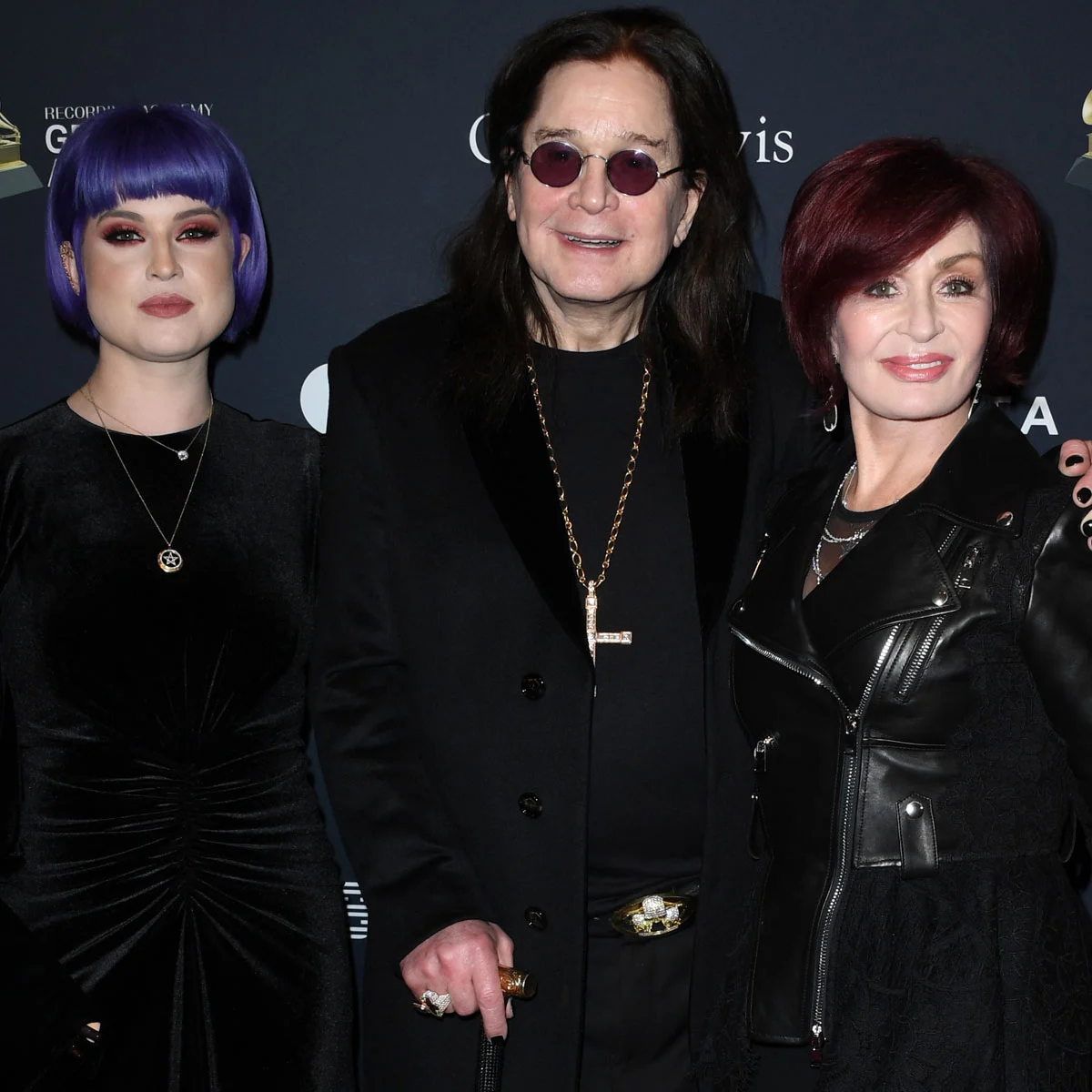
In a deeply emotional public display of grief and remembrance, Kelly Osbourne has penned a poignant open letter to her mother, Sharon Osbourne, marking what would have been Sharon and the late Ozzy Osbourne’s 46th wedding anniversary. The tribute, shared via Instagram on July 4, 2026, represents the family’s first anniversary milestone since the legendary Black Sabbath frontman passed away on July 22, 2025, at the age of 76.
Kelly’s letter offers a rare, intimate glimpse into the private mourning of one of rock music’s most famous dynasties. It highlights the enduring bond between Sharon and Ozzy, who were married in 1982 (and together since 1980), navigating decades of rock-and-roll excess, health crises, and global reality TV stardom.
However, the family’s grief is unfolding against a backdrop of modern technological and commercial dilemmas. As the Osbournes adjust to life without their patriarch, discussions regarding the preservation of Ozzy’s legacy have taken a futuristic turn. Ozzy’s son, Jack Osbourne, has recently stepped forward to defend controversial plans to develop an artificial intelligence (AI) avatar of the late rocker. This dual reality—the deeply personal pain of a family mourning a husband and father, juxtaposed with the complex, high-tech management of a multi-million-dollar posthumous brand—exemplifies the modern challenges facing the estates of 20th-century cultural icons.
Chronology of a Rock Legend: The Life and Times of Ozzy Osbourne
To understand the weight of the Osbourne family’s current grief and the immense value of the legacy they now manage, one must examine the extraordinary, chaotic, and triumphant timeline of John Michael "Ozzy" Osbourne’s life.
[1948] Born in Birmingham, England; struggles with dyslexia
   │
[1968] Formed "Earth," later renamed "Black Sabbath"
   │
[1970] Release of landmark heavy metal albums "Black Sabbath" and "Paranoid"
   │
[1971] Married first wife, Thelma Riley
   │
[1979] Fired from Black Sabbath due to severe substance abuse
   │
[1980] Met Sharon Arden; launched solo career with "Blizzard of Ozz"
   │
[1982] Infamous bat-biting incident; married Sharon in Maui, Hawaii
   │
[1983-1985] Welcomed children Aimee, Kelly, and Jack
   │
[1997] Reunited with Black Sabbath; launched highly successful Ozzfest tour
   │
[2002-2005] Starred in MTV's "The Osbournes," pioneering celebrity reality TV
   │
[2016] Brief separation and high-profile reconciliation with Sharon
   │
[2020] Publicly revealed Parkinson's disease diagnosis
   │
[2025] Passed away on July 22 at the age of 76
   │
[2026] First wedding anniversary following his death; AI avatar plans defended
The Birmingham Roots and the Birth of Heavy Metal (1948–1979)
Born into a working-class family in Birmingham, England, in 1948, John Michael Osbourne struggled significantly in his youth. Dyslexia and schoolyard bullying left him feeling alienated. "I left school with a little more education than when I first started going," Ozzy reflected in a 2010 interview. He credited music, specifically the cultural explosion of The Beatles, with saving his life: "If it wasn’t for The Beatles turning me onto music in a big way, I don’t know what I would have done."
In 1968, Osbourne teamed up with guitarist Tony Iommi, bassist Geezer Butler, and drummer Bill Ward. Initially performing under the moniker "Earth," the band soon renamed themselves Black Sabbath, inspired by the 1963 Mario Bava horror film. Their self-titled 1970 debut album and its follow-up, Paranoid, laid the sonic and thematic foundations for heavy metal.
During this era, Ozzy married his first wife, Thelma Riley, in 1971, with whom he had three children: Jessica, Louis, and Elliot. However, as Black Sabbath’s fame grew, so did Ozzy’s dependency on drugs and alcohol. By 1979, his bandmates made the difficult decision to fire him due to his volatile behavior and severe addiction, marking what Ozzy later described as "one of the lowest points of my life."
Solo Redemption and the Sharon Era (1980–1999)
Ozzy’s downward spiral was halted by Sharon Arden, the daughter of notorious music manager Don Arden. Sharon took over Ozzy’s management, clean-shaven his image, and helped launch his solo career with the landmark 1980 album Blizzard of Ozz.
The 1980s were defined by massive solo success and legendary theatricality. In 1982, during the Diary of a Madman tour, Ozzy infamously bit the head off a dead bat thrown onstage at Madison Square Garden, mistakenly believing it was a rubber toy. Later that year, on July 4, Ozzy and Sharon were married. The couple quickly expanded their family, welcoming Aimee (1983), Kelly (1984), and Jack (1985).
Throughout the late 1980s and 1990s, Sharon guided Ozzy through various controversies, legal battles, and stints in rehab, solidifying his status as the "Prince of Darkness" while keeping his commercial appeal intact. In 1997, Ozzy rejoined Black Sabbath, cementing his legacy with a series of massive reunion tours and the creation of Ozzfest, a highly lucrative summer metal festival.
The Reality TV Era and Final Years (2000–2025)
In 2002, the family transitioned from music royalty to mainstream pop-culture icons with the premiere of MTV’s The Osbournes. The show, which ran until 2005, pioneered the modern celebrity reality television genre, showcasing the family’s eccentric domestic life.
As Ozzy aged, his health became a primary focus. Despite battles with Parkinson’s disease, severe spinal injuries from a 2003 quad bike accident, and subsequent surgeries, he continued to record and perform when possible, launching his "No More Tours II" campaign in 2018. Reflecting on his survival in 2018, Ozzy remarked, "I never thought I’d make it this far… I guess whoever the man is upstairs, if there even is one, wants me to stick around."
Ozzy Osbourne passed away on July 22, 2025, leaving behind a vast musical catalog and a family dedicated to protecting his name.
Supporting Data: The Cultural and Commercial Impact of the Osbourne Estate
The legacy that the Osbourne family is currently managing is not merely sentimental; it is one of the most commercially significant portfolios in rock history.
- Global Record Sales: Ozzy Osbourne has sold over 100 million albums worldwide across his solo career and his work with Black Sabbath.
- Accolades: A multi-Grammy Award winner, Ozzy was inducted into the Rock and Roll Hall of Fame as a member of Black Sabbath in 2006, and again as a solo artist in 2024.
- Broadcast Milestones: At its peak, The Osbournes was the most-viewed series in MTV’s history, averaging over 8 million viewers per episode during its second season and winning a Primetime Emmy Award for Outstanding Reality Program in 2002.
- Posthumous Streaming Metrics: Following his death in July 2025, streaming of Ozzy’s solo catalog and Black Sabbath’s discography spiked by over 340% globally, demonstrating an enduring audience demand that spans multiple generations.
Official Responses: Family Perspectives on Grief and the Future
In her July 4 open letter, Kelly Osbourne chose to focus entirely on the emotional reality of her mother’s grief, avoiding the business-centric discussions that often surround the family.
"Today feels different," Kelly wrote, addressing Sharon. "A day that was once filled with celebration now carries a quiet ache. This is your first wedding anniversary without Daddy by your side, and I can only imagine how heavy your heart must feel."
Kelly emphasized the endurance of her parents’ love, writing:
"I hope you know that love like yours doesn’t end when a life does. It changes shape. It becomes the warmth of the sun on your face when you need comfort, the memories that make you smile through tears… Daddy may no longer walk beside you, but he will never stop walking with you."
She also praised Sharon’s strength in navigating the past year: "Every day since he left, you’ve had to learn how to carry both grief and hope in the same heart, and somehow, you’ve continued to do it with extraordinary grace."
Jack Osbourne Defends the AI Avatar
While Kelly’s public statements have focused on emotional healing, her brother Jack has addressed the more pragmatic, and controversial, aspects of preserving their father’s legacy.
Responding to public skepticism regarding plans to create a digital AI avatar of Ozzy for future performances and interactive experiences, Jack Osbourne offered a staunch defense of the technology.
"People look at AI and immediately think it’s some sort of soulless cash grab," Jack stated in a recent interview. "But for us, it’s about preservation. My father was a larger-than-life performer. He loved the stage, and he loved his fans. If we can use modern technology to keep his performance style alive for future generations—in a way that is high-quality and fully approved by the family—then why wouldn’t we do that? It’s about ensuring the Prince of Darkness never truly leaves the stage."
Implications: Legacy, Grief, and the Ethics of AI in Rock
The intersection of Kelly’s emotional tribute and Jack’s defense of an AI avatar highlights a critical turning point for the music industry. The Osbournes are navigating a path that many estates of legacy artists must now tread: how to honor the dead while leveraging technology to keep their art alive.
The Posthumous Digital Frontier
The concept of the "hologram tour" or "AI avatar" is no longer science fiction. From the ABBA Voyage show in London to posthumous performances by Tupac Shakur, Roy Orbison, and Ronnie James Dio, the technology to resurrect deceased artists digitally has matured rapidly.
| Artist Estate | Format | Public Reception | Ethical/Artistic Control |
|---|---|---|---|
| ABBA | Digital "Abba-tars" (Living Artists) | Extremely positive; highly lucrative | Fully controlled and performed by the living members. |
| Ronnie James Dio | Hologram Tour (Posthumous) | Mixed; some fans felt it was unnatural | Managed by his widow/manager Wendy Dio; faced technical criticism. |
| Elvis Presley | AI/Holographic "Elvis Evolution" | Highly anticipated; commercially successful | Fully endorsed by Authentic Brands Group and the Presley estate. |
| Ozzy Osbourne | Planned AI Avatar (Posthumous) | Debated; fans divided on authenticity | Managed directly by Sharon, Jack, and Kelly Osbourne. |
The Ethics of Digital Resurrection
The debate over Jack Osbourne’s AI plans centers on the concept of "artistic consent." Critics argue that creating an AI avatar of a deceased artist can strip them of their humanity, reducing a lifetime of complex, flawed, and brilliant live performances to a programmed algorithm.
However, proponents argue that for artists like Ozzy, whose later years were plagued by physical limitations that kept him off the stage, a digital avatar offers a way to present the artist in their prime. For Sharon and her children, the project represents a way to maintain control over Ozzy’s likeness, ensuring that any posthumous representations are executed with the family’s direct oversight and to their high standards.
Ultimately, Kelly’s emotional letter serves as a reminder that behind the massive commercial empire and the high-tech debates over AI lies a family dealing with the universal experience of loss. As the Osbournes move forward, they are tasked with a delicate balancing act: honoring the very real, human husband and father they lost, while ensuring that the immortal, digital "Prince of Darkness" continues to rock forever.
 Nana Wu
 Sagoh
Sagoh
 Iffa Jayyana
