

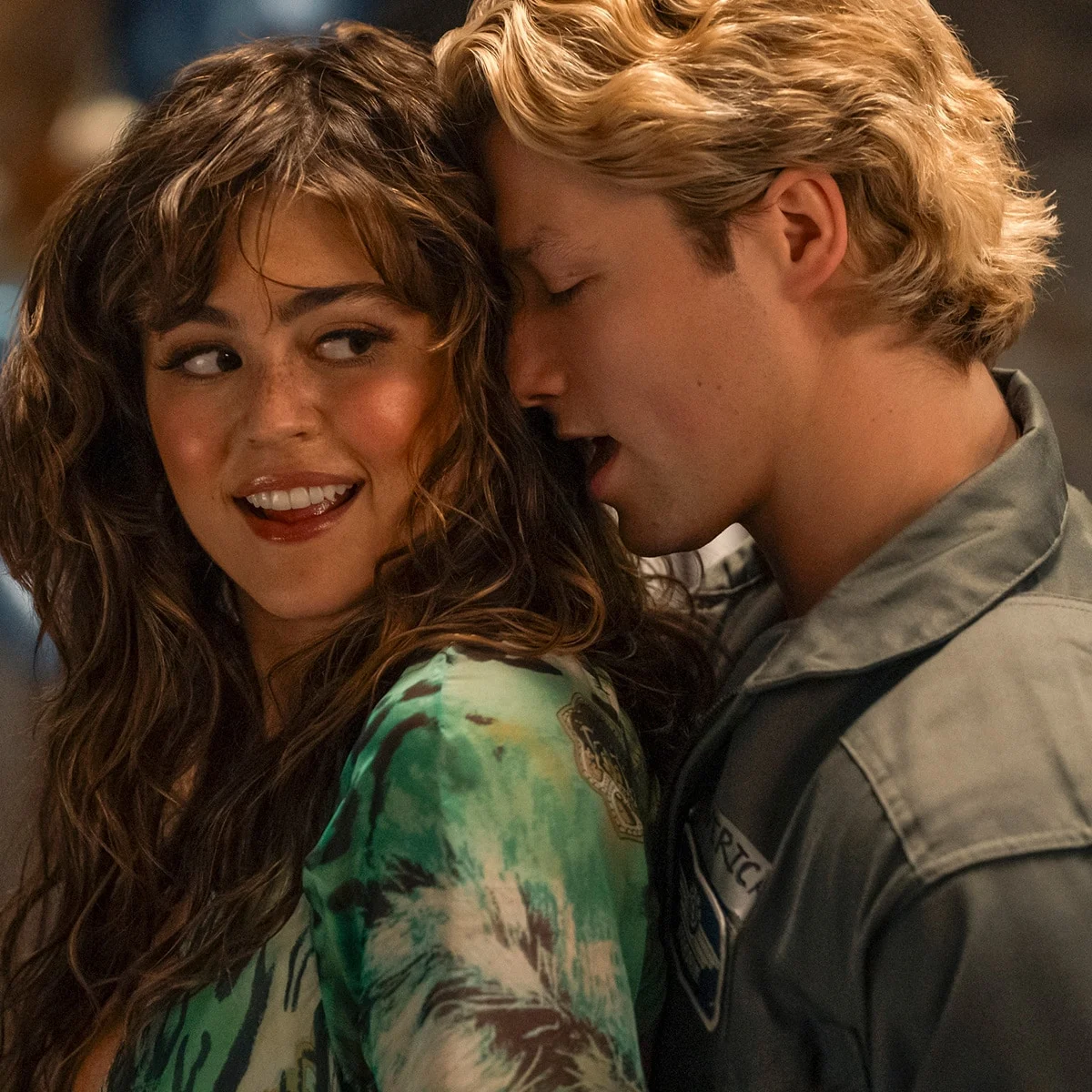
The television landscape is experiencing a significant shift, driven by a surge of romance novel adaptations. Once relegated to the margins of critical discourse, the romance genre has emerged as a dominant force in mainstream entertainment. This transformation is highlighted by the recent renewals of high-profile series such as Off Campus and Every Year After, signaling a broader industry trend where streaming platforms and production houses are heavily investing in romantic intellectual property (IP).
From collegiate ice rinks to sun-drenched lakeside towns, these narratives are capturing massive audiences and proving that love-centric storytelling holds immense commercial and cultural value.
1. Main Facts: The Double Renewal of ‘Off Campus’ and ‘Every Year After’
At the forefront of this romantic wave are two major television adaptations that have officially secured second-season orders: Off Campus, based on the bestselling collegiate romance novels by Elle Kennedy, and Every Year After, adapted from Carley Fortune’s hit contemporary romance novel Every Summer After.
The Phenomenon of ‘Off Campus’
The debut season of Off Campus brought the high-stakes world of university hockey and academic pressure to life. Set at the fictional Briar University, the series capitalized on the highly popular "fake-dating" trope.
- The Plot: Star hockey center Garrett Graham (played by Belmont Cameli) enters into a mutually beneficial arrangement with music student Hannah Wells (Ella Bright). In exchange for tutoring to keep his GPA afloat, Garrett agrees to help Hannah catch the attention of musician Justin Kohl (Josh Heuston) by pretending to be her boyfriend. Predictably, the artificial arrangement dissolves into genuine passion.
- The Season 2 Transition: Following the anthology structure of Elle Kennedy’s book series, Season 2 will shift its focus to a new couple. The upcoming season will follow Hannah’s best friend, Allie Hayes (Mika Abdalla), and hockey player Dean DiLaurentis (Stephen Kalyn) as they navigate the volatile transition from a friends-with-benefits arrangement to a committed relationship.
The Melancholy Romance of ‘Every Year After’
In contrast to the high-energy collegiate setting of Off Campus, Amazon Prime Video’s Every Year After delivers a nostalgic, slow-burn narrative set in the lakeside community of Barry’s Bay.
- The Plot: The first season follows the complicated history of Percy Fraser (Sadie Soverall) and Sam Florek (Matt Cornett), former childhood sweethearts who reconcile after a decade of silence.
- The Conflict: The resolution of their romance is complicated by a past infidelity involving Sam’s brother, Charlie Florek (Michael Bradway). The first season concluded without offering a definitive answer regarding the future of Percy and Sam’s relationship, leaving audiences on a cliffhanger that Season 2 is poised to resolve.
2. Chronology: The Evolution of Teen and Young Adult Romance on Television
The current boom in romance adaptations is not an isolated phenomenon; it is the culmination of a decades-long evolution in young adult (YA) and new adult (NA) television dramas.
[Late 1990s - Early 2000s]  -->  [Mid-2000s - Early 2010s]  -->  [Late 2010s - Present]
Pioneering Teen Angsters          Sports & Class Dynamics           The Streaming & BookTok Era
(Dawson's Creek, The O.C.)       (Friday Night Lights, Greek)      (The Summer I Turned Pretty, Maxton Hall)
The Foundations: Late 1990s to Early 2000s
- 1998–2003 (Dawson’s Creek): Kevin Williamson’s seminal drama established the template for modern YA television. Centered on Dawson Leery (James Van Der Beek), Joey Potter (Katie Holmes), and Pacey Witter (Joshua Jackson), the show introduced hyper-articulate teenagers navigating complex emotional landscapes in a small coastal town. It also broke ground in queer representation, featuring one of the first passionate, romantic kisses between two men on prime-time television.
- 2003–2007 (The O.C.): Created by Josh Schwartz, this series brought socioeconomic tension and high-society drama to the forefront. The arrival of troubled teen Ryan Atwood (Ben McKenzie) in affluent Newport Beach set off a chain of romantic and familial upheavals, pairing him with the tragic Marissa Cooper (Mischa Barton), while his foster brother Seth Cohen (Adam Brody) pursued a witty romance with Summer Roberts (Rachel Bilson).
- 2003–2012 (One Tree Hill): Running concurrently, this series focused on half-brothers Lucas (Chad Michael Murray) and Nathan Scott (James Lafferty) in North Carolina. The show masterfully blended high school basketball with intense romantic melodrama, particularly the long-running love triangle involving Peyton Sawyer (Hilarie Burton) and Brooke Davis (Sophia Bush).
The Mid-2000s Transition: Sports and Subcultures
- 2006–2011 (Friday Night Lights): This critically acclaimed sports drama elevated the genre by focusing on the realistic pressures of a small Texas town. While centered on high school football, the emotional anchor of the series was the stable, mature marriage of Coach Eric Taylor (Kyle Chandler) and Tami Taylor (Connie Britton).
- 2007–2011 (Greek): Airing on ABC Family, this collegiate series explored the social hierarchy of fraternities and sororities at Cyprus-Rhodes University. Through the eyes of Rusty Cartwright (Jacob Zachar) and his sister Casey (Spencer Grammer), the show balanced party culture with genuine character growth and relationship dynamics.
The Modern Streaming Era: Global and Literary Adaptations
- 2022–Present (The Summer I Turned Pretty): Jenny Han’s adaptation for Prime Video revitalized the classic summer romance, placing Belly Conklin (Lola Tung) at the center of a love triangle with brothers Conrad (Christopher Briney) and Jeremiah Fisher (Gavin Casalegno).
- 2023–Present (My Life With the Walter Boys & XO, Kitty): Netflix capitalized on the demand for adolescent dramas by launching My Life With the Walter Boys (featuring Nikki Rodriguez) and the To All the Boys spin-off XO, Kitty (starring Anna Cathcart), proving that global audiences have an insatiable appetite for coming-of-age romance.
- 2024–Present (Maxton Hall – The World Between Us & Heated Rivalry): The genre has expanded internationally. Germany’s Maxton Hall on Prime Video, starring Harriet Herbig-Matten and Damian Hardung, became a global hit by adapting Mona Kasten’s enemies-to-lovers novel. Meanwhile, Crave’s Heated Rivalry (based on Rachel Reid’s novels) brought LGBTQ+ hockey romance to television, focusing on rivals Shane Hollander (Hudson Williams) and Ilya Rozanov (Connor Storrie).
3. Supporting Data: The Power of Literary IP and Romance Tropes
The success of these shows is deeply tied to their use of established literary tropes. By adapting books that already have dedicated fanbases on platforms like BookTok (TikTok’s reading community), networks and streaming services can bypass the difficult phase of building an audience from scratch.
| TV Series | Source Material | Key Romantic Tropes | Target Audience Demographics |
|---|---|---|---|
| Off Campus | Off-Campus series by Elle Kennedy | Fake-Dating, Sports (Hockey), Friends-to-Lovers | New Adult, Gen Z & Millennials |
| Every Year After | Every Summer After by Carley Fortune | Second-Chance Romance, Childhood Sweethearts, Secret Infidelity | Contemporary Romance Fans, Gen Z |
| Heated Rivalry | Gamechangers series by Rachel Reid | Enemies-to-Lovers, Secret Romance, Professional Sports | LGBTQ+ Romance Readers, New Adult |
| The Summer I Turned Pretty | The Summer I Turned Pretty by Jenny Han | Love Triangle, Brother’s Best Friend, Coming-of-Age | Young Adult, Gen Z |
| Maxton Hall | Save Me by Mona Kasten | Class Difference, Enemies-to-Lovers, Academic Setting | International YA/NA Audiences |
The data shows that these tropes are highly effective at driving viewer engagement. For instance, Maxton Hall became Prime Video’s most-watched international original series upon its release, driven by the global popularity of its "enemies-to-lovers" and "class-difference" dynamics.
4. Official Responses: What the Creators and Cast Say
The creative minds behind these series have spoken openly about the cultural significance of the romance genre and the challenges of bringing these beloved books to screen.
Author Elle Kennedy on the Mainstream Rise of Romance
Elle Kennedy, author of the Off Campus book series, expressed her pride in seeing the genre gain widespread recognition:
"I love seeing any time romance gets into the mainstream, no matter the genre. I am a big fan of romance and getting in front of as many people. It’s a genre that still, probably by a lot of people, is looked down upon. It’s never really been taken seriously. Any genre, I love seeing it rise."
Matt Cornett on the Emotional Complexity of ‘Every Year After’
Reflecting on the unresolved tension at the end of Season 1, star Matt Cornett (Sam Florek) shared his hopes for his character’s future in the upcoming season:
"I am excited to hopefully see them have to come together and reconcile what happened and have a real honest conversation with each other. I do think that obviously things can be fixed, but I think that there is a lot of talking that needs to happen."
Jacob Tierney on Queer Joy in ‘Heated Rivalry’
Jacob Tierney, the showrunner behind the adaptation of Heated Rivalry, discussed the political and social importance of presenting unapologetic queer romance:
"This is a gay love story set in the world of hockey, so its very existence is an act of rebellion. But the show itself is happily ever after. I didn’t want to subvert too many romance tropes—I love these stories. This show is queer joy for adults."
5. Implications: The Cultural and Economic Impact of the Romance Boom
The sustained success of these adaptations has major implications for both the publishing and television industries.
1. The Financial Power of Fandoms
The romance publishing industry is a multi-billion-dollar market. By greenlighting adaptations of popular novels, streaming services tap into a highly active, digital-savvy demographic. Fans of these books often drive organic marketing campaigns on social media, creating viral trends that boost viewership and book sales alike.
2. A Shift in Critical Respect
Historically dismissed by mainstream critics as formulaic, the romance genre is reclaiming its narrative value. Modern adaptations are praised for their high production values, complex character development, and nuanced handling of real-world issues—including socioeconomic disparities, mental health, and diverse sexual identities.
3. The Standardization of the Seasonal Anthology
The renewal of Off Campus highlights a growing production trend: the seasonal anthology. Rather than dragging out a single couple’s story over several years, shows are increasingly focusing on a new pair each season, mirroring the structure of romance novel companion series. This approach keeps the narrative fresh while allowing a recurring cast of characters to remain in the background, satisfying long-time fans of the books.
Ultimately, the double renewal of Off Campus and Every Year After proves that romance is no longer just a niche market. It is a cornerstone of modern television, offering viewers a mix of escapism, emotional depth, and a guaranteed happy ending.
 Sagoh
Sagoh
 Siti Muinah
 Nana
Nana
