

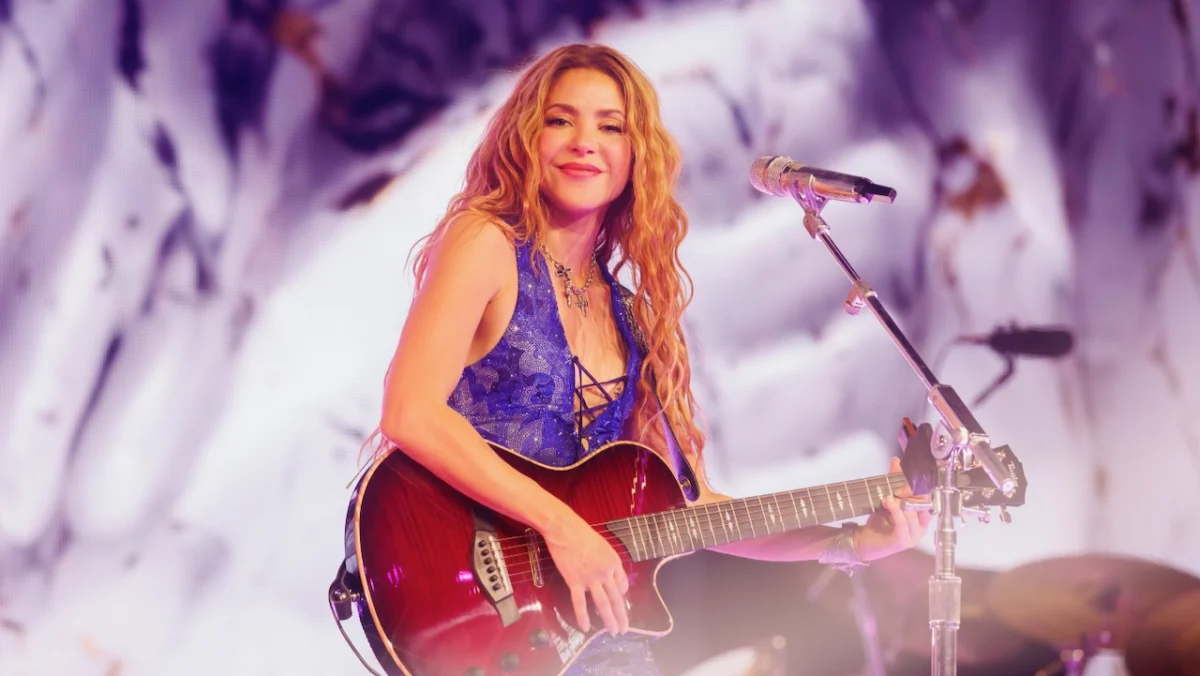
In a significant show of international solidarity, global pop icon Shakira has joined forces with FIFA to pledge $500,000 in emergency aid to support victims of the catastrophic earthquakes that struck Venezuela this past June. The donation, sourced from the FIFA Global Citizen Education Fund, marks a pivotal moment in the ongoing humanitarian recovery efforts, specifically targeting the restoration of educational infrastructure for thousands of children whose lives have been upended by the natural disaster.
As the international community grapples with the scale of the tragedy—which has claimed over 2,600 lives and left tens of thousands missing—the involvement of high-profile figures like Shakira underscores the critical need for sustained, long-term support for the region.
The Humanitarian Crisis: A Nation in Mourning
On June 24th, two massive, consecutive earthquakes rocked Venezuela, triggering widespread devastation. The twin shocks leveled residential neighborhoods, disrupted critical infrastructure, and left the country in a state of emergency. Current official reports indicate that more than 60,000 people remain missing, and search-and-rescue teams continue to face daunting terrain and logistical hurdles.
The cultural impact of the disaster has been equally profound. Among the confirmed fatalities were all four members of the rising Venezuelan nu-metal band, Van Der Dijs, a loss that has resonated deeply throughout the Latin American arts community and served as a somber reminder of the indiscriminate nature of the tragedy.
Shakira’s Strategic Alliance with FIFA
Shakira’s contribution is not a isolated gesture, but rather the latest iteration of her long-standing partnership with FIFA. Beyond her role as an international performer, the Colombian superstar serves on the board of the FIFA Global Citizen Education Fund. Her commitment to education has been a hallmark of her career, and this recent announcement serves to bridge the gap between global sports entertainment and tangible social responsibility.
In an emotional video released to the public, Shakira explained that the $500,000 grant will be dedicated to "education intervention." This initiative aims to provide mobile learning centers, temporary school facilities, and educational supplies to displaced children, ensuring that the next generation does not suffer a complete breakdown in their academic development while their communities rebuild.
"When we look at the scale of this crisis, we see more than just broken buildings," Shakira stated in her address. "We see broken futures. By investing in these children now, we are providing them with the stability they need to process this trauma and eventually reclaim their potential."
A Call to Global Action
The $500,000 donation is part of a much larger, more ambitious goal: the FIFA Global Citizen Education Fund is currently campaigning to raise $100 million. This capital is intended to provide comprehensive educational resources to students in high-risk zones across the globe.
Shakira is not the only celebrity leveraging her platform for this cause. A coalition of influential figures—including actor Hugh Jackman, singer John Legend, and humanitarian advocate and former Irish Prime Minister Leo Varadkar—has joined the effort. Their collective campaign is supported by an open letter signed by an international consortium of former heads of state and global philanthropists. The letter serves as a manifesto for the initiative, emphasizing that in times of crisis, "no child is left on the sidelines."
Broadening Support: The Role of the Music Industry
The response from the entertainment industry has been rapid and varied. While Shakira and FIFA provide large-scale institutional support, other artists have focused on grassroots and community-level relief:
- Metallica: Through their charitable organization, All Within My Hands, the band members personally contributed $100,000 to assist with immediate medical and food relief in the affected regions.
- Rush: The legendary rock group released a limited-edition benefit t-shirt, with 100% of the proceeds earmarked for earthquake relief, allowing fans to contribute directly while raising awareness for the ongoing recovery.
This wave of philanthropy is part of a broader trend of celebrity-led social impact, where artists are increasingly acting as primary conduits for rapid-response humanitarian funding.
Chronology of Relief and Strategic Planning
The timeline of the recovery effort has been marked by a transition from immediate disaster response to long-term reconstruction:
- June 24th: The initial earthquakes strike Venezuela, causing immediate, widespread damage.
- Late June: International aid organizations begin initial assessments. The disappearance of 60,000 individuals triggers an urgent global call for resources.
- July 2026: As the world turns its attention to the upcoming FIFA World Cup Final, the integration of humanitarian messaging into the sporting event becomes a priority.
- July 19th, 2026: The FIFA World Cup Final, held at MetLife Stadium, will serve as a global stage to further highlight the needs of the Venezuelan people and the ongoing fundraising efforts.
Education as a Pillar of Recovery
Critics of international disaster relief often point to the focus on short-term food and water aid while neglecting the psychological and developmental needs of children. The FIFA Global Citizen Education Fund addresses this by prioritizing "education intervention."
According to reports from the organization, the fund is focusing on three key areas:
- Infrastructure Rehabilitation: Partnering with local engineers to identify schools that can be repaired or replaced with modular, earthquake-resistant buildings.
- Psychosocial Support: Integrating mental health resources into the classroom to help students cope with the trauma of the disaster.
- Teacher Retention: Providing stipends for local educators who have also been displaced, ensuring that children retain a sense of normalcy and mentorship.
The 2026 FIFA World Cup: A Platform for Change
The timing of this relief effort is inextricably linked to the 2026 FIFA World Cup. Shakira, who is set to perform as the halftime artist for the Final on July 19th, has effectively used the global spotlight to keep the Venezuelan crisis in the headlines.
Earlier in May, Shakira announced that all profits from the official World Cup anthem, "Dai Dai," would be donated to the Education Fund. This marks her fourth official anthem contribution to the tournament, and arguably her most politically and socially significant. By tying the world’s most-watched sporting event to this humanitarian mission, she and FIFA have ensured that the crisis remains at the forefront of the international consciousness.
Looking Ahead: The "Las Mujeres Ya No Lloran" Connection
While Shakira balances her humanitarian work with her current "Las Mujeres Ya No Lloran World Tour," she has shown no signs of slowing down her advocacy. Her US stadium tour, which has seen massive attendance, acts as a rotating fundraising vehicle.
The integration of her professional life—touring, recording, and performing at the world’s biggest events—with her philanthropic mandate suggests a shift in the role of the modern pop star. No longer merely entertainers, figures like Shakira are functioning as global diplomats, capable of shifting billions of dollars in public perception and capital toward regions in need.
Conclusion: A Long Road to Recovery
The path to rebuilding Venezuela following the June earthquakes will be measured in years, not months. The contributions from Shakira, FIFA, and the various members of the music industry are essential, but the organizers emphasize that the work is only beginning.
With 60,000 people still unaccounted for and an entire educational infrastructure in need of reconstruction, the world’s attention must remain steadfast. As the global community prepares for the World Cup Final, the message from the organizers is clear: the stadium may be filled with the sounds of celebration, but the work of compassion continues, ensuring that the children of Venezuela are provided the tools to build a future that is resilient, educated, and secure.
 Pevita Pearce
 Asro
Asro
 Lina Irawan
