

By Oli Welsh
Published July 5, 2026
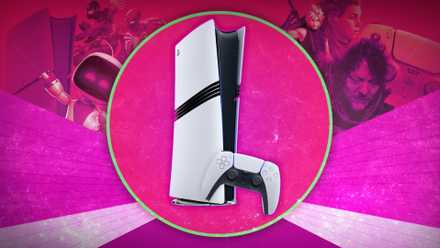
The recent announcement from Sony Interactive Entertainment confirming the cessation of physical disc production for PlayStation games marks the end of a multi-generational epoch. For many, this is a moment of profound mourning—a symbolic closing of the curtain on the ritual of unboxing, the shelf-lining of plastic cases, and the tangible security of ownership. Yet, amidst the understandable outcry regarding digital preservation and the fragility of consumer rights, a technical reality persists that is often overlooked in the nostalgia: for video games, the optical disc was never the ideal vessel.
While the death of physical media as a concept is a legitimate cause for concern for the future of artistic preservation, the medium itself—the spinning, scratch-prone, whirring optical disc—has long been a bottleneck for the medium of interactive entertainment.
A Chronology of a Failed Marriage
The integration of optical storage into the gaming industry was a product of the mid-1990s hardware race, where Sony sought to differentiate itself from the cartridge-dominated landscape.
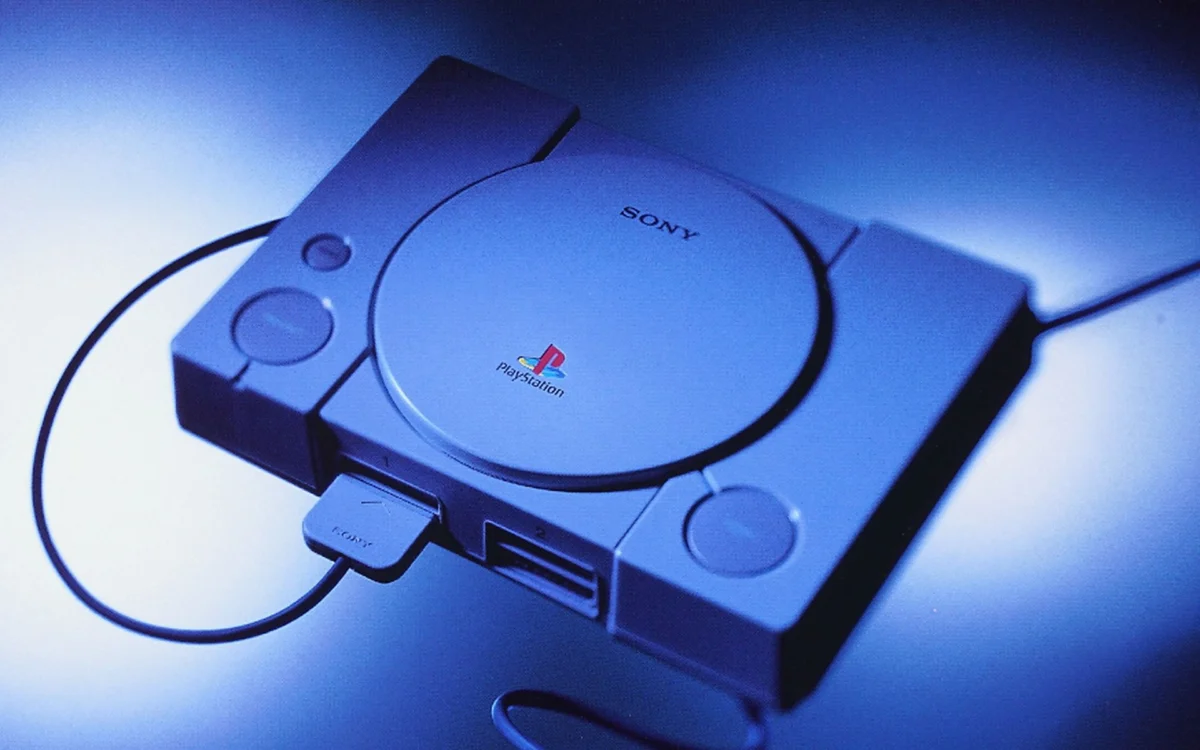
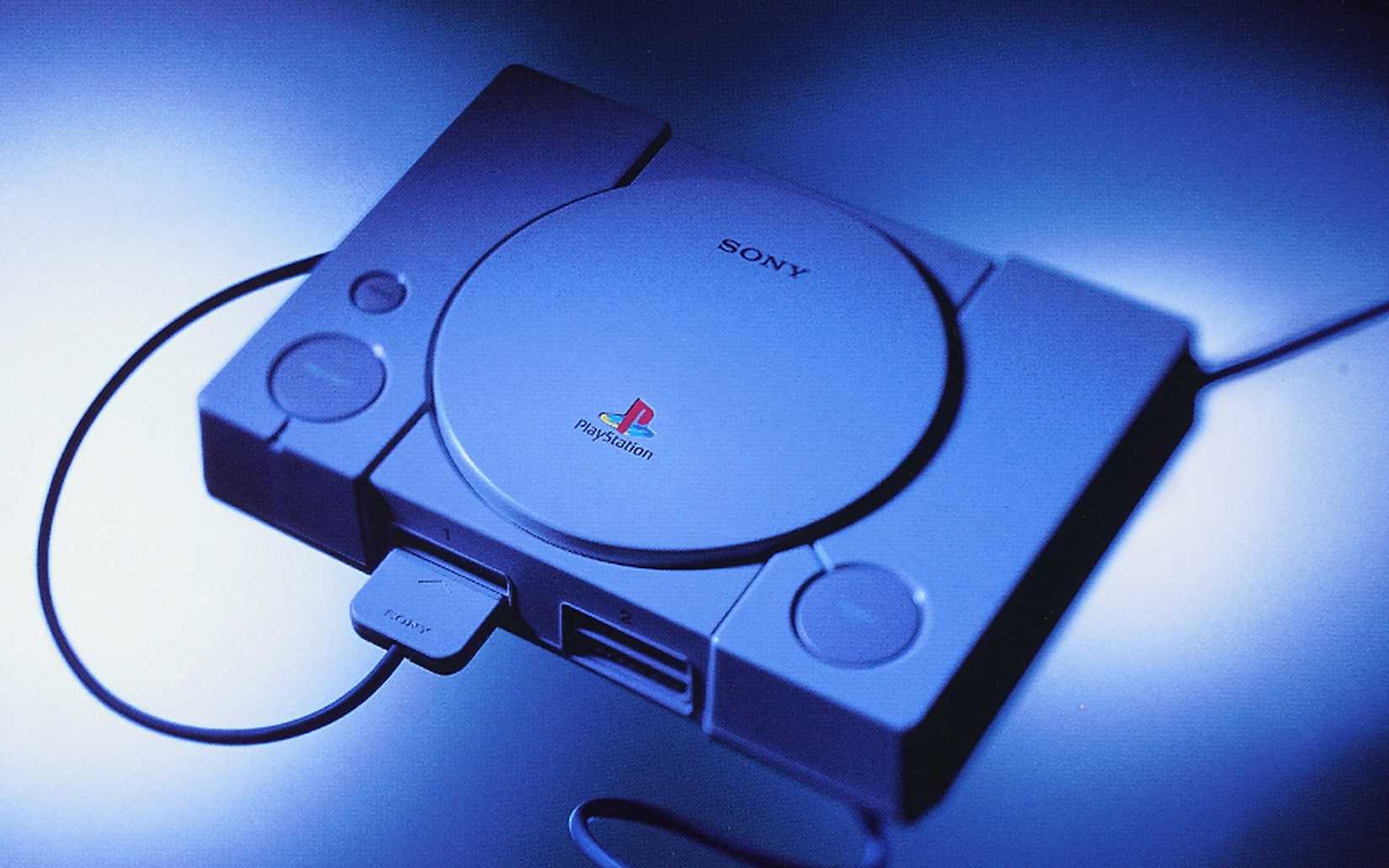
- 1994 (The CD-ROM Revolution): The original PlayStation launched with CD-ROM support. While this allowed for massive leaps in pre-rendered FMV (Full Motion Video) and orchestral soundtracks, it introduced the first generation of players to the "loading screen"—a phenomenon that would haunt gaming for three decades.
- 2000–2006 (The DVD Era): The PlayStation 2 cemented the disc as the industry standard. While efficient for distribution, the mechanical fragility of the laser-based reading system led to the infamous "disc read error" frustration that defined the early 2000s console experience.
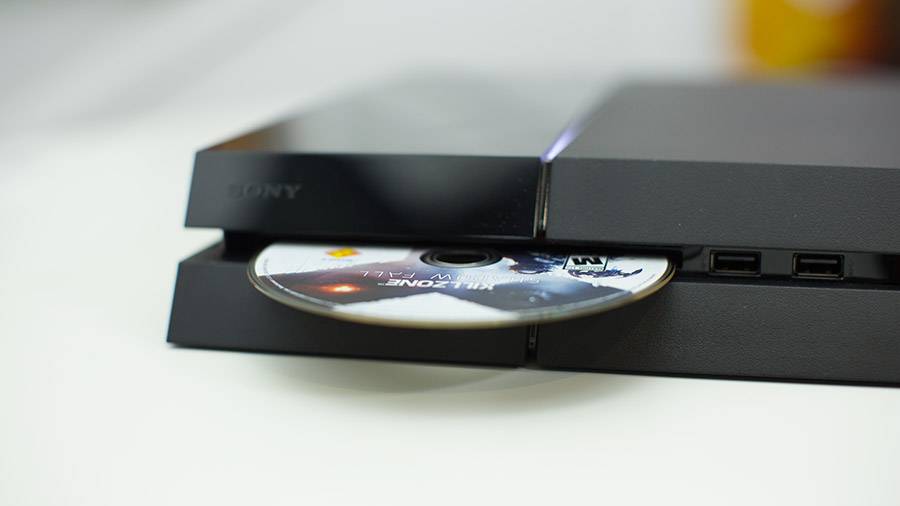
- 2006–2013 (The Blu-ray Shift): With the PS3, Sony moved to Blu-ray. The high capacity was a boon for sprawling open-world titles, but the slow read speeds compared to internal memory forced developers to implement mandatory installations, turning a "plug-and-play" medium into a chore-laden digital hybrid.
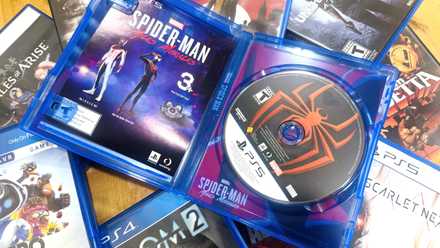
- 2020–2026 (The Hybrid Decline): The PlayStation 5 era saw the final degradation of the disc’s utility. With games often requiring "day-one" patches larger than the data on the disc itself, the physical medium became little more than a digital key—a vestigial plastic coaster that served only to verify a license rather than contain the game itself.
The Technical Mismatch: Why Discs Sucked
To understand why the industry is moving away from discs, one must look at the nature of the software itself. Optical discs were designed by the hi-fi industry to mimic the linear experience of vinyl records or magnetic tape. They are sequential storage mediums. You start at the beginning, and the laser follows the track.
Video games, however, are inherently non-linear. A game engine requires near-instantaneous access to various data packets—textures, audio files, physics calculations, and scripts—from different sectors of a drive simultaneously. Forcing an optical drive to mechanically seek this data across a spinning disc is an exercise in inefficiency.

Furthermore, the vulnerability of the medium is a structural failure. A book can survive a coffee spill, and a vinyl record can endure a scratch; a game disc, once compromised by a surface-level scratch or deep-seated "disc rot," renders the entire software package inaccessible. In an age where games are increasingly complex, data-dense, and reliant on persistent, real-time streaming of assets, the physical disc is an archaic anchor.
The Case for Silicon
The future of physical media, if it is to survive, must align with the nature of the software. Cartridges, like those used by the Nintendo Switch, are essentially flash memory—silicon-based, durable, and capable of high-speed data retrieval.
When we look at the evolution of computing, we see a clear trend: we have moved away from mechanical storage (HDD, optical) toward solid-state storage (SSD, NVMe, Flash). By insisting on optical discs for so long, the industry was essentially trying to play a high-performance modern symphony on a player piano. The "Nintendo PlayStation" partnership of the early 90s, which ultimately collapsed, was perhaps a blessing in disguise; it pushed Nintendo back toward the path of silicon, a decision that has aged significantly better than the disc-based experiments of their competitors.
Implications for Preservation and Ownership
While the technical critique of the disc is sound, the implications of the digital-only pivot are severe. As Giovanni Colantonio has noted, the loss of physical media is not merely a loss of a delivery system; it is a direct assault on the concept of digital ownership.
When a company ceases production of physical media, they effectively centralize the power of access. If a game is pulled from a digital storefront due to licensing issues or server decommissioning, a physical disc offers a "last line of defense" for the consumer. Without that, the art becomes a service that can be toggled off at the whim of the publisher.
We are entering a "post-ownership" era where the consumer is a tenant, not a proprietor. The loss of the disc is not just a hardware update; it is a cultural shift in the contract between the creator and the audience.
The Response: A Divided Industry
Official statements from Sony focus on "streamlining distribution" and "environmental sustainability," citing the reduction of plastic waste and the carbon footprint associated with global shipping. While these are valid corporate goals, they largely ignore the consumer outcry regarding the second-hand market.
The used game market has historically been the primary driver of accessibility for the average consumer. It allows for the circulation of capital among the player base and ensures that games remain available even when publishers cease digital support. By removing the physical copy, Sony is effectively tightening the leash on the secondary market, ensuring that all revenue flows directly into their ecosystem.
Conclusion: The Double-Edged Sword
I am, in principle, a defender of physical media. My shelves are lined with vinyl, Blu-rays, and books. I believe that art deserves a physical form that can be traded, gifted, and held. The existential threat posed by the loss of physical preservation is real, and it is something the industry must address through better archival laws and consumer protections.
However, we must be careful not to mistake the medium for the message. Mourning the loss of the optical disc is akin to mourning the loss of the floppy disk or the cassette tape. They were flawed, fragile, and inefficient tools that served a purpose until technology surpassed them.
The industry needs a new, robust way to handle physical ownership—perhaps through proprietary flash-based media that offers the speed and durability of modern gaming with the tangible benefits of the physical format. But as for the whirring, scratching, slow-loading discs of the past thirty years? They were never meant for the speed and complexity of the digital age. It is time to let them go. The real battle is not for the disc, but for the right to own the bits and bytes that constitute our digital culture.
 Reynand Wu
 Jia Lissa
 Layla Zulfa
