

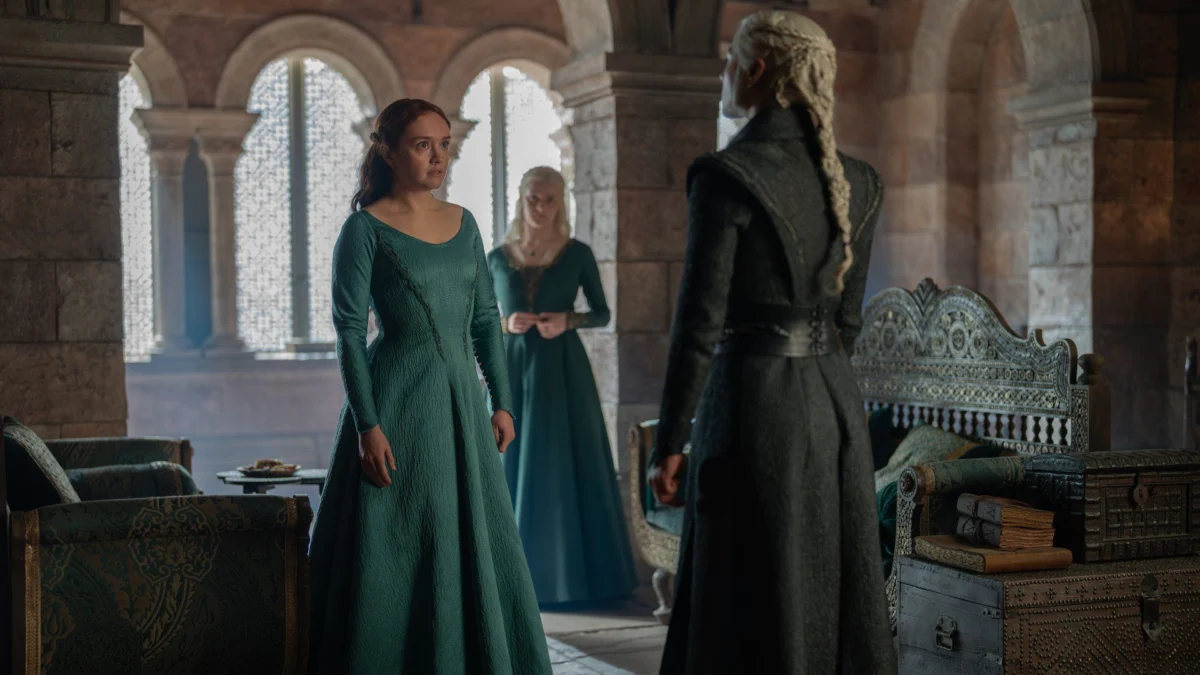
The political landscape of Westeros has reached a point of no return. As House of the Dragon season 3 progresses, the precarious truce between the former childhood best friends—Queen Alicent Hightower and Queen Rhaenyra Targaryen—has collapsed, leaving the realm in a state of volatile uncertainty. Following the high-stakes maneuvers of the previous season, the narrative arc has shifted from political posturing to the visceral, often brutal, consequences of absolute power.
The fallout from the botched escape attempt by Alicent and her daughter, Helaena, has transformed the Red Keep into a gilded cage. As the third episode of the season unfolds, the series forces a confrontation between the two central matriarchs, exploring the psychological toll of their roles as leaders and the irreversible damage inflicted upon their personal history.
The State of the Realm: A Chronology of Conflict
To understand the current tension, one must look at the rapid descent of events following the conclusion of season 2. The narrative timeline has been defined by a series of desperate gambits:
- The Failed Pact: Alicent Hightower initially sought a diplomatic resolution, proposing a surrender of King’s Landing to Rhaenyra in exchange for the safety of her children. The arrangement was intended to prevent the total annihilation of the Hightower line.
- The Royal Flight: The plan disintegrated when King Aegon II, driven by fear and defiance, secretly fled the capital, effectively nullifying the conditions of the surrender and leaving Alicent vulnerable.
- The Execution of Otto Hightower: In a move that signaled the end of any remaining goodwill, Rhaenyra ordered the execution of Otto Hightower. The revelation of his decapitated remains to Alicent at the end of episode 2 served as the definitive "point of no return."
- The Current Standoff: Episode 3 finds Alicent detained within the Red Keep, grappling with the realization that the woman she once loved as a sister is now her captor and the executor of her family’s patriarch.
The Weight of the Crown: Burden and Isolation
The third episode of the season provides a rare, grounded look at the administrative drudgery that accompanies the claim to the Iron Throne. For Rhaenyra, the victory of taking King’s Landing is hollow. She is immediately met with the grim realities of medieval governance: food shortages, the constant threat of urban blight, and a rampant rat infestation that plagues the palace.
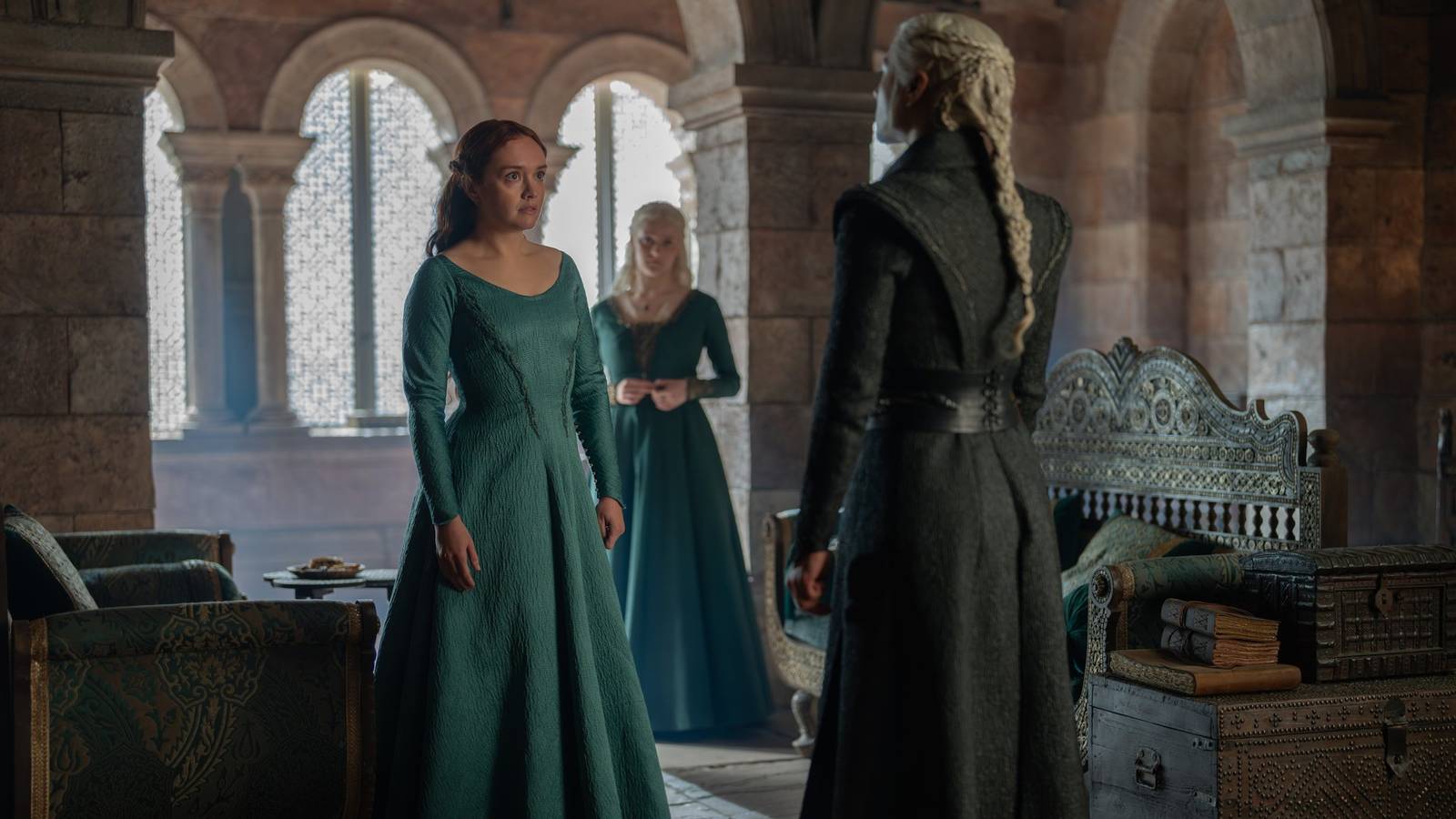
These logistical nightmares mirror her internal state. Still reeling from the tragic loss of her son, Jace, during the Battle of the Gullet, Rhaenyra’s leadership is defined by a sense of duty that borders on martyrdom. Her actions are no longer purely about personal ambition; they are a tribute to the legacy of her lost children.
Official Perspectives: Insight from the Cast
In a recent virtual interview, the actors behind these iconic roles offered a glimpse into the motivations driving their characters. Olivia Cooke, who portrays Alicent, describes the dynamic between the two women as a "seesaw" of power.
"Both of them can’t have power at the same time," Cooke explained. "But I think when Rhaenyra sneezes, Alicent catches a cold. No matter where they are, they can’t help but feel the ripple effects of each other’s actions and also recognize and see what each other are going through because they’ve been in these positions themselves."
This shared experience of the burdens of rule—having both served as the primary authority in a male-dominated court—creates a unique, albeit toxic, bond. However, Emma D’Arcy, who plays Rhaenyra, emphasizes that for her character, the political and the personal have become inextricably linked.

"Her journey to the throne comes so in the shadow of her son’s death that I feel like she’s sort of acting on his behalf," D’Arcy noted. "This is a political family whose personal relationships are so fundamentally enmeshed with this political ambition. If Rhaenyra’s name enters the history books, her son gains a kind of immortality."
Implications of the "White-Hot Anger"
The execution of Otto Hightower has shifted the narrative trajectory from cold, calculated politics to personal vendetta. For Alicent, the shock of seeing her father’s death has catalyzed a change in her character. She is no longer the passive observer or the reluctant negotiator; she is now a woman driven by what Cooke describes as "white-hot anger."
The implications are profound. Alicent’s uncertainty—not knowing if she is a prisoner of circumstance or a pawn in a larger, darker game orchestrated by Rhaenyra—has hardened her resolve. The "bargain" that was meant to secure peace has instead become the foundation for a more intense, personal war.
Cooke’s assessment of the relationship is final: "There’s an element of her love for Rhaenyra that is preserved from when they were girls and from their best friendship, but I think there’s too much water under the bridge and I think it is beyond saving. They can never go back to who they were. They can never have a simple relationship again. It’s marred by betrayal and death and too much time having passed."
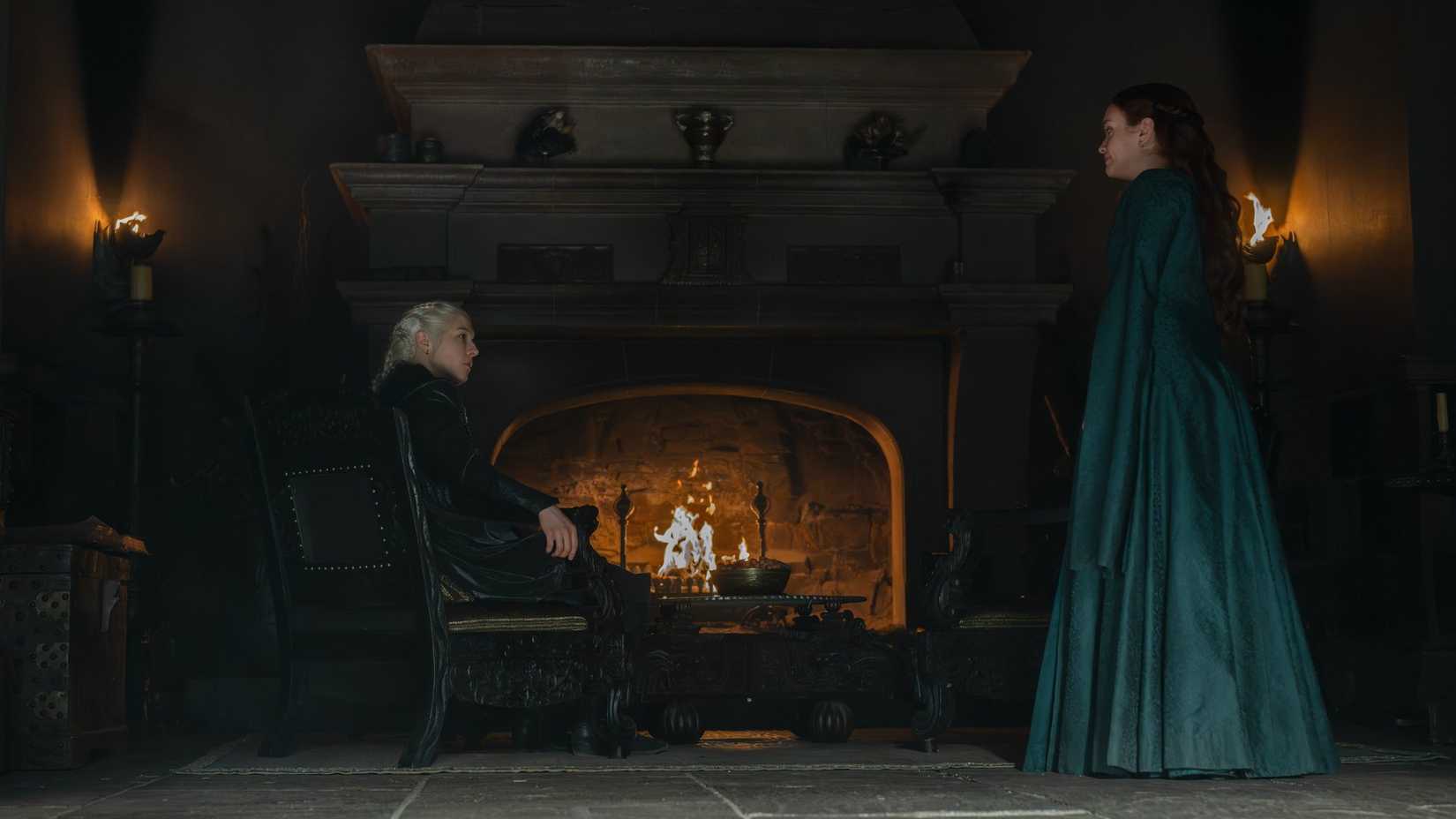
The Historical Context of the Succession Crisis
The tension in House of the Dragon continues to draw inspiration from real-world historical parallels, particularly the wars of succession seen in the Tudor and Plantagenet dynasties. By focusing on the emotional labor required to maintain a crown, the series distinguishes itself from its predecessor, Game of Thrones.
While the latter focused on the existential threat of the White Walkers and the grand mechanics of war, this series remains deeply rooted in the claustrophobic confines of family trauma. The decision to keep the conflict focused on the internal psychological state of the two Queens serves to heighten the stakes. Every decree issued by Rhaenyra and every silent plea from the imprisoned Alicent is colored by their shared history, making every political move feel like a personal betrayal.
Looking Forward: What Remains of the House?
As the season progresses, viewers are left to wonder what kind of ruler Rhaenyra will become under the crushing weight of her grief and the necessity of ruling a hostile population. For Alicent, the question is one of survival: can she preserve the lives of her remaining children, or has the path of violence already claimed them?
The series continues to excel at highlighting the "ripple effects" that Cooke mentioned. The war is no longer just about the Iron Throne; it is a battle for the soul of the Targaryen and Hightower legacies. With the lines of communication severed and the trust between the two women obliterated, the remaining episodes of season 3 promise a path that leads away from reconciliation and toward an inevitable, total collapse.
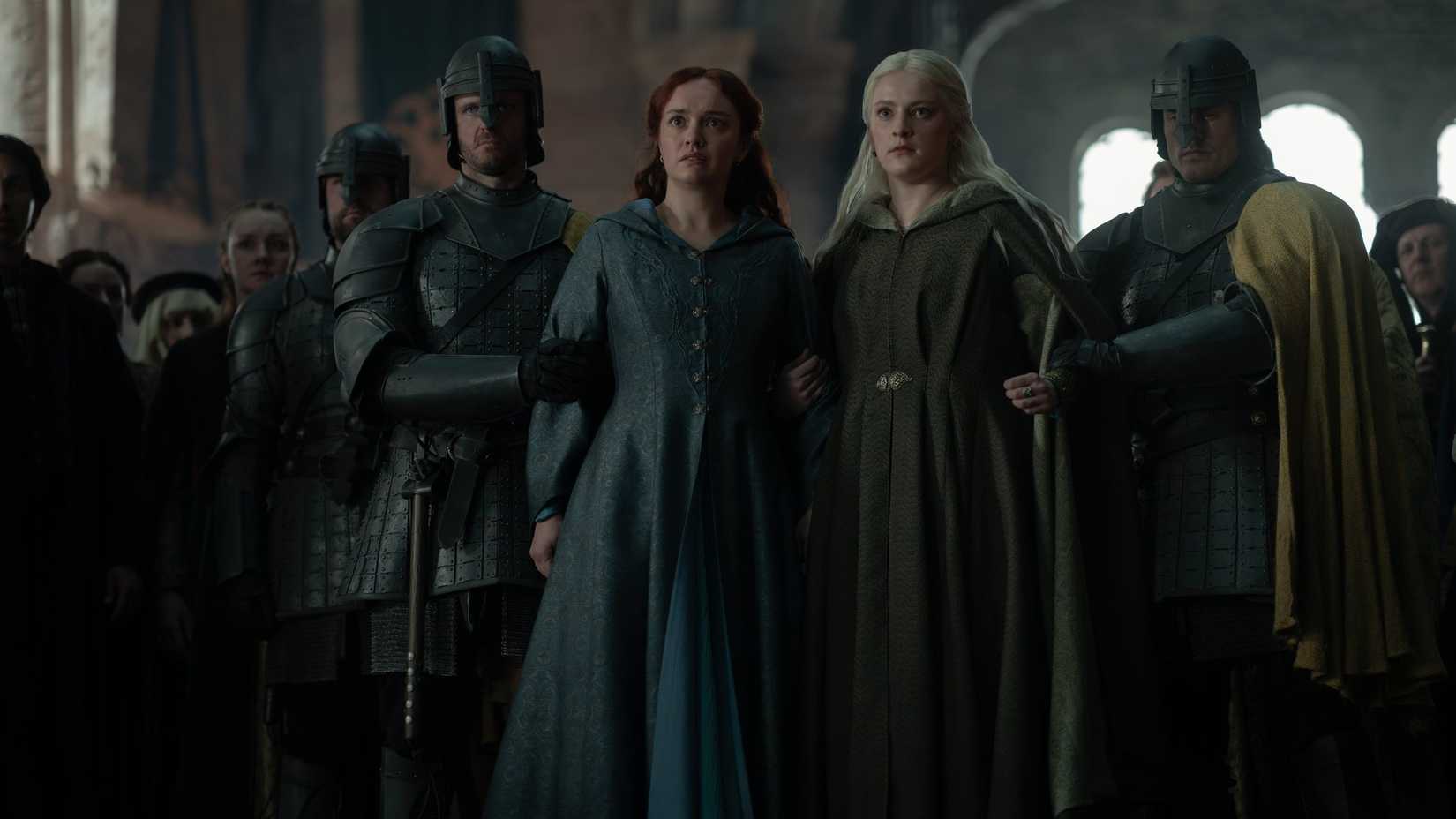
House of the Dragon season 3, episode 3, serves as a masterclass in character-driven drama. It reminds the audience that in the game of thrones, the most devastating casualties are often those inflicted on the heart, long before the swords are even drawn. As the bells of King’s Landing toll, the question remains: when the dust finally settles, will there be anything left of the bond that once held the realm together?
House of the Dragon season 3 episode 3 airs at 9 p.m. ET Sunday, July 5 on HBO.
 Azzam Bilal Chamdy
 Lina Hope
 Layla Zulfa
