

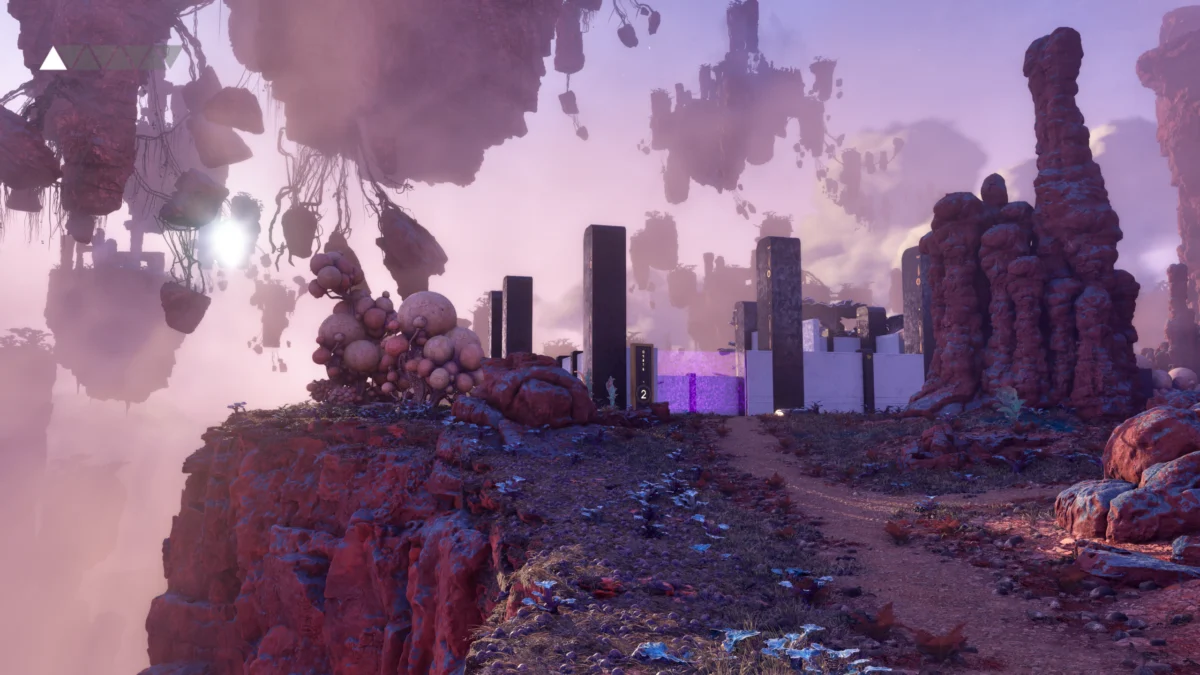
Since its inception in 2012, The Talos Principle has stood as a beacon of intellectual rigor within the gaming landscape. Developed by Croteam—the studio historically synonymous with the high-octane, bombastic carnage of the Serious Sam franchise—the series pivoted sharply into the realm of philosophical inquiry. It traded physical comedy for existential meditation, presenting a hard sci-fi narrative that explored the nature of humanity through the eyes of cold, calculating androids.
Now, fourteen years after the first game redefined the puzzle-platformer genre, Croteam is embarking on the series’ grand finale: The Talos Principle 3. However, the landscape into which this final chapter will arrive is vastly different from the world that greeted the original. As generative AI shifts from the realm of academic theory to an inescapable, anxiety-inducing facet of daily life, Croteam finds itself in a precarious position—navigating a thematic minefield where their optimistic vision of artificial intelligence is constantly challenged by the realities of modern technology.
A Legacy of Accidental Innovation
The origins of The Talos Principle are as unconventional as its narrative structure. According to Croteam CCO Davor Hunski, the series was never intended to be a flagship intellectual franchise. It was, in his words, an "accident."
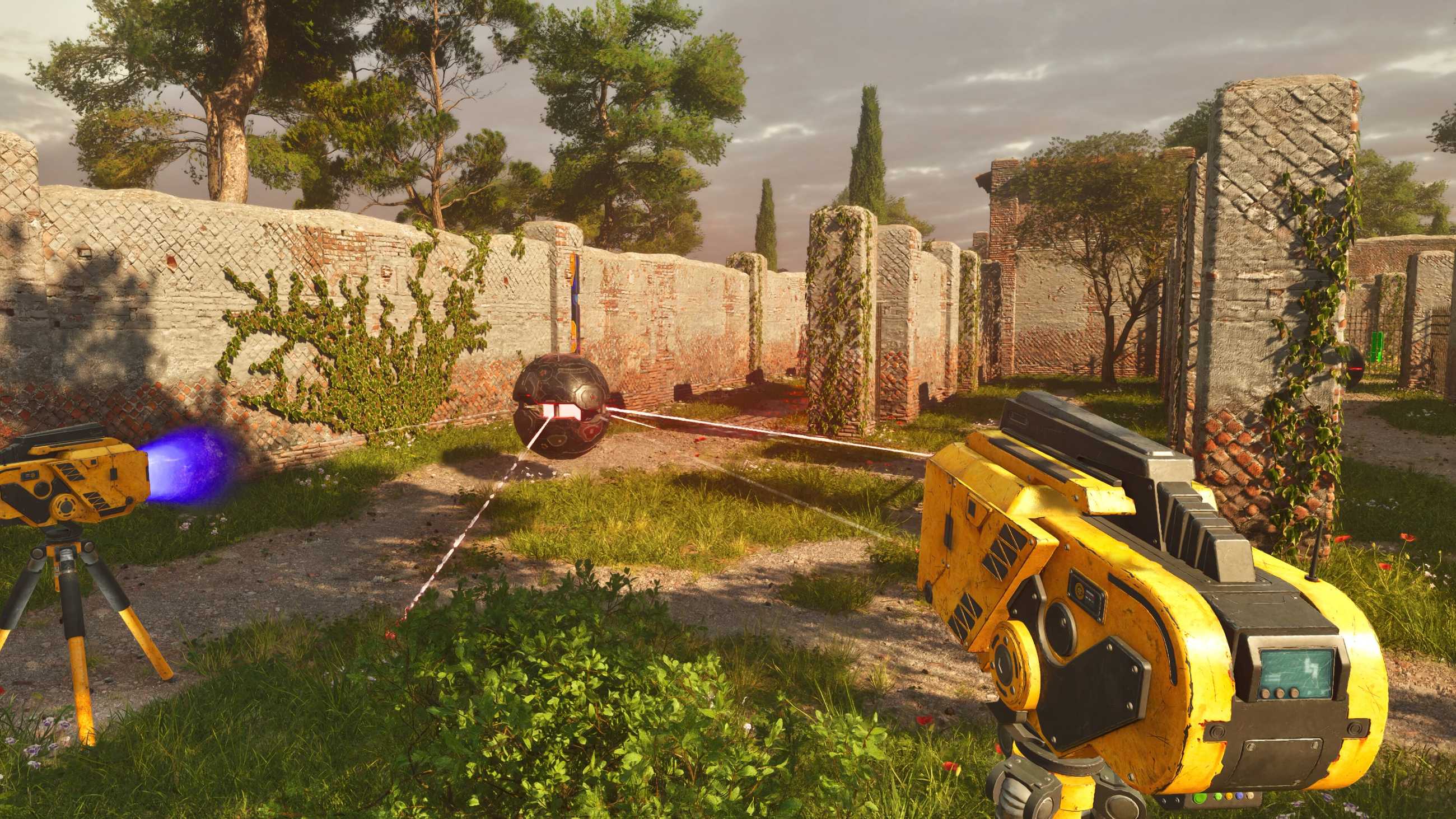
While the team was deep in the development of Serious Sam 4, Hunski was struggling with a mundane design challenge: How do you create an engaging way for players to unlock doors without relying on the tired trope of color-coded keycards? His solution—a device that allowed players to jam door mechanisms—triggered a cascade of creative experimentation. The team began exploring mechanics inspired by titles like Flow, weaving them into a prototype that felt fundamentally different from the frantic arena-shooters Croteam was known for.
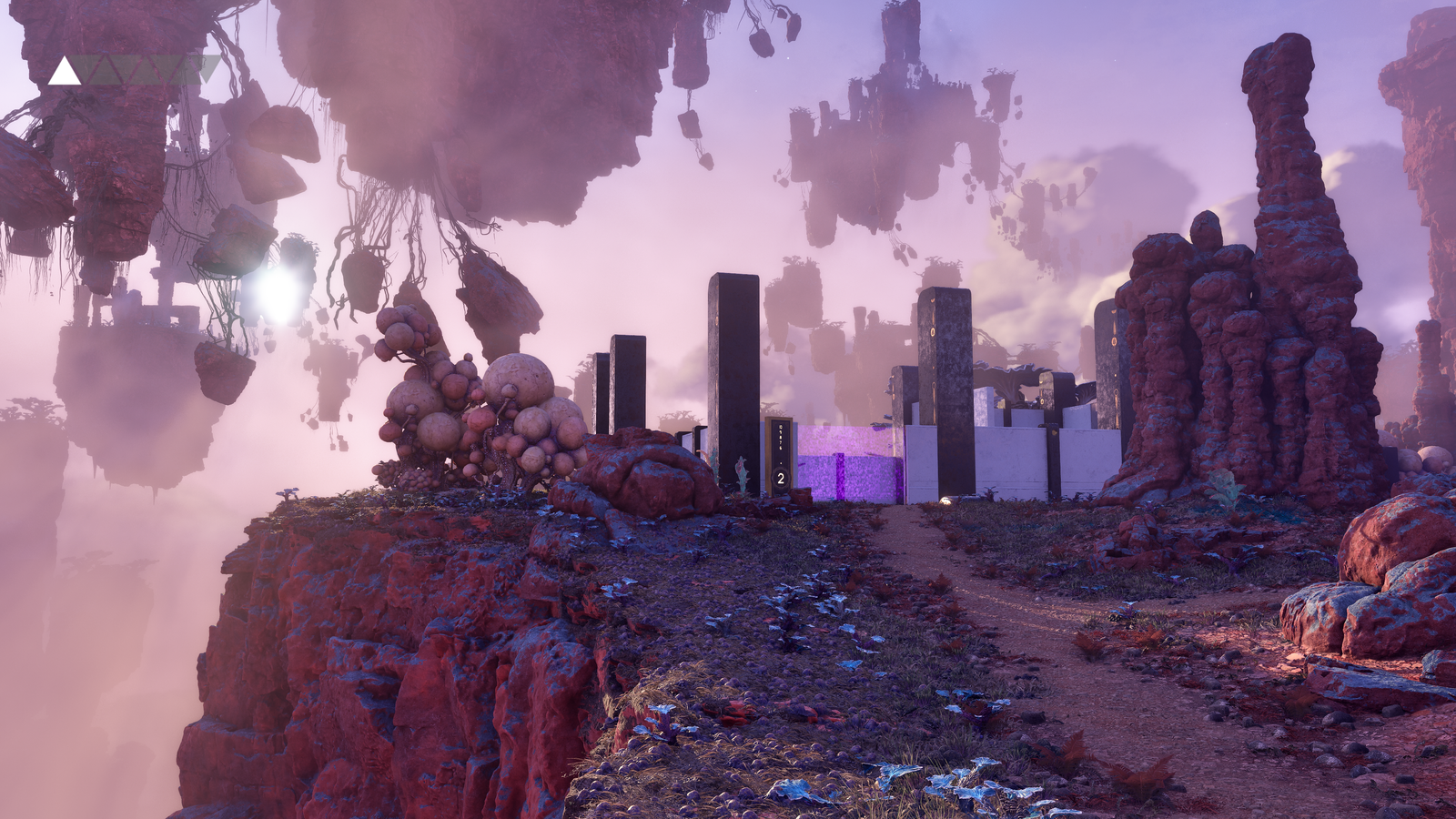
When the team pitched this experimental offshoot to their publisher, Devolver Digital, they expected to be told to get back to the work of rendering monsters. Instead, Devolver offered enthusiastic approval. The result was the 2012 original, a game that challenged players with complex puzzles while simultaneously dissecting the concept of transhumanism.
Chronology of an Existential Journey
To understand the gravity of the upcoming third installment, one must look at the trajectory of the series.
- 2012: The Talos Principle launches, earning critical acclaim for its unique blend of laser-based puzzles and philosophical musings on what it means to be human.
- 2023: The Talos Principle 2 expands the scope of the world, moving beyond the sterile test chambers of the original into a sprawling, vibrant future populated by a civilization of androids.
- 2025: Croteam releases The Talos Principle: Reawakened, a comprehensive remake of the first title that introduces modern audiences to the series’ core questions.
- 2026/Future: The Talos Principle 3 is announced as the final act, intended to close the narrative loop that the studio envisioned over a decade ago.
The series, as writer Verena Kyratzes explains, follows a rigid, thematic life cycle: "The first game is about birth. The second game is about life. And the last game is about what comes after."
Into The Anomaly: The Final Act
While details regarding The Talos Principle 3 remain tightly guarded, Croteam has provided a glimpse into its central premise. The game is set within "The Anomaly," a metaphysical space where the laws of physics are suspended, and the very concept of reality is fluid. Players assume the role of an expedition member who has become hopelessly lost in this environment, forced to witness the recreation of their own past experiences.
This setting serves as the backdrop for the series’ ultimate inquiry: the nature of death and the possibility of continuity. "What drew me to the story is this discussion of: Do you believe in life after death, or don’t you?" says Verena Kyratzes. "Is it something to be afraid of, or can you find hope in that? Is there a continuity of the soul? I’m not necessarily saying that I believe in it, but I think it’s a very interesting discussion to have. Maybe if you’ve lived a good life, then the next step isn’t so scary anymore."
The Ghost in the Machine: AI and Modern Anxiety
The most striking element of Croteam’s current development process is the friction between their optimistic, sci-fi world-building and the rapid, often cynical rise of real-world generative AI. While the series has always dealt with artificial intelligence, it did so from a perspective of philosophical wonder—asking if consciousness could be manufactured through the arrangement of matter.
Today, that discourse is complicated by the presence of Large Language Models (LLMs) and a corporate tech culture that often prioritizes the "signifier" over the "signified." Jonas Kyratzes, a writer for the series, is acutely aware of this shift.
"People have been annoying me with [comparisons to generative AI] since the first game," he notes. "We have this weird phenomenon where we call things artificial intelligence that aren’t artificial intelligence, and now we’re all talking as if we had artificial intelligence. It’s a bit like if you told me we had warp travel, but it was just a tunnel. We have something very interesting in machine learning, but we also have a bunch of dumb companies randomly spending tons of money that they don’t know how to make back."
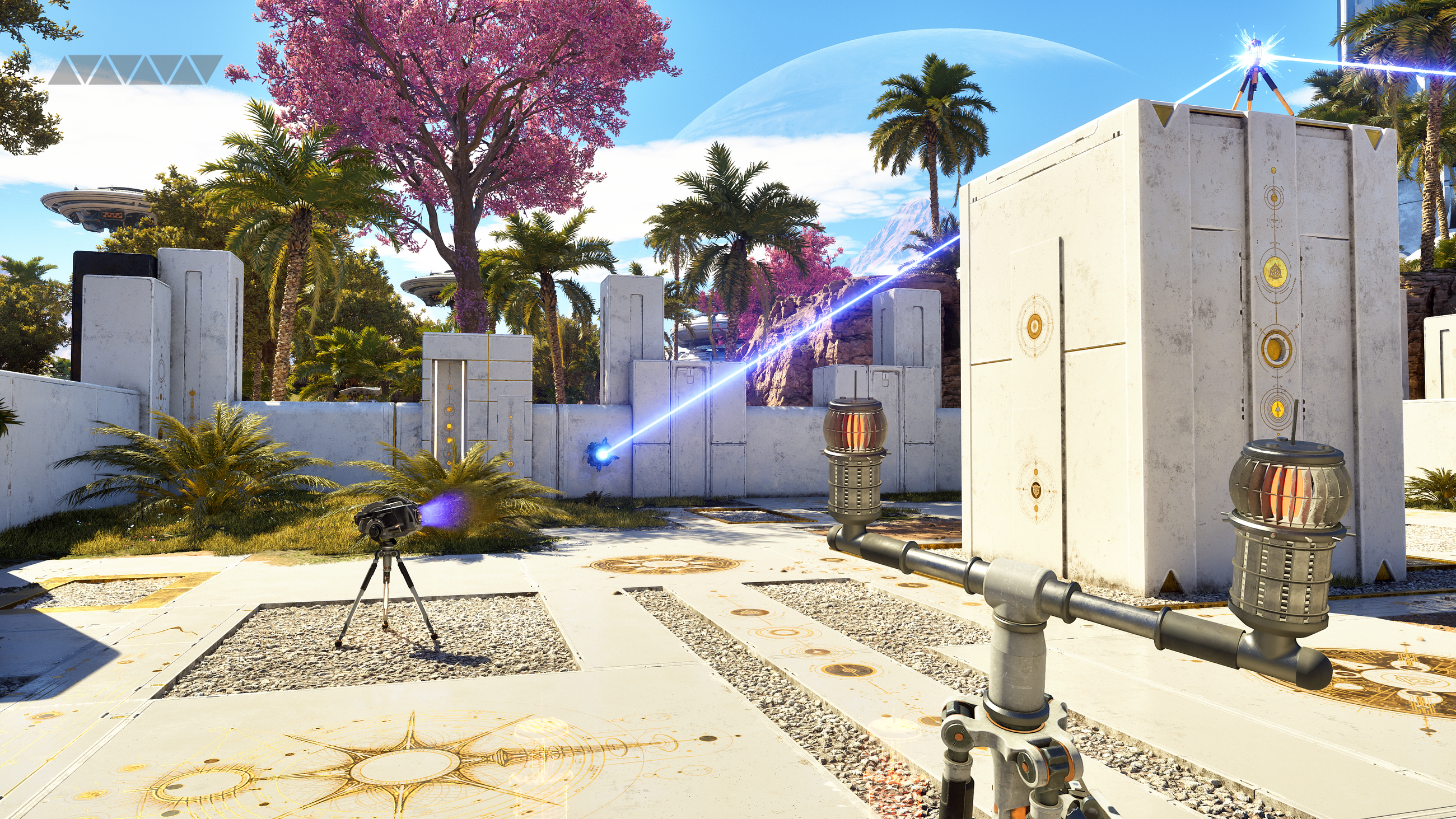
Despite this, Croteam refuses to pivot toward a dystopian, anti-tech narrative. For them, the series is not about the mechanics of the code, but the potential of the beings that might emerge from it. They argue that the goal of the artificial life in their games is not to supersede humanity, but to emulate the best parts of it—to be, in a sense, "more human."
Philosophical Debate: The Nature of Labor and Longevity
During a discussion on the concept of immortality, the developers challenged the interviewer’s skepticism regarding living for a thousand years. When the topic of the "boredom of eternal labor" was raised, Jonas Kyratzes offered a sharp, systemic critique:
"A lot of the time, people say, ‘Oh, I don’t want to live a thousand years because I would have to work for a thousand years.’ Your problem is your job! The problem is you’re extremely alienated from your labor! The problem is not that you don’t want to live a thousand years!"
This perspective highlights the studio’s belief that the "dystopia" we currently experience is not a failure of technology itself, but a failure of the systems in which we live. They emphasize that the individuals in power—the CEOs and political figures often blamed for the current state of the world—are products of a flawed machinery.
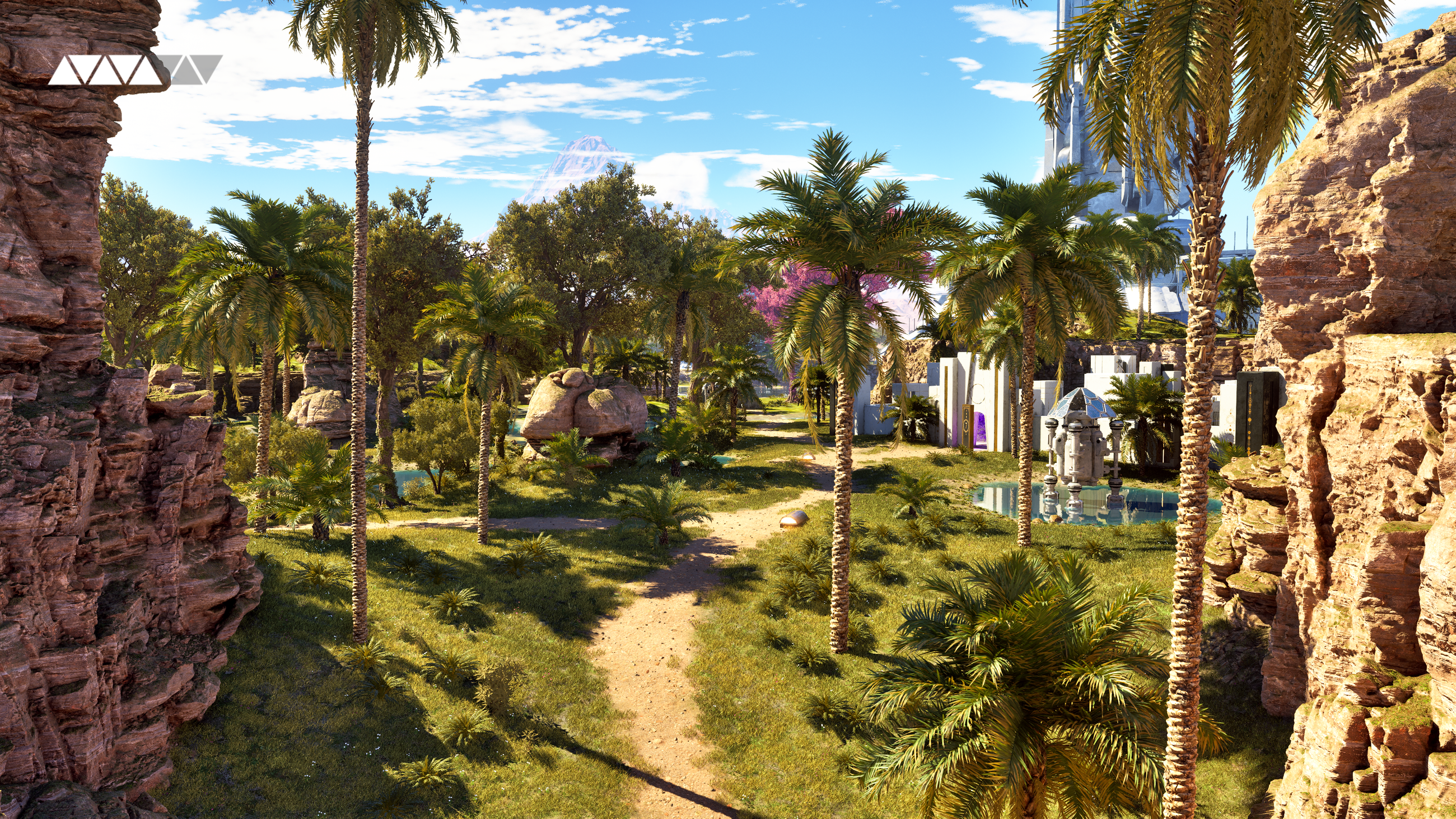
"There’s a kind of compassion in understanding that systems produce these individuals and put them in positions of power," Jonas adds. "It’s not that this or that person is uniquely evil; it’s that something historical is happening. While that’s very scary, it’s also hopeful, because it means that it’s not the individual people who are to blame. It’s just that we’re all trapped in this machinery."
Conclusion: The Hope of the Final Act
As Croteam works toward the conclusion of The Talos Principle 3, they remain defiant in their optimism. In an era where fiction is dominated by bleak, dystopian outlooks—where AI is almost exclusively depicted as a harbinger of doom—the studio is choosing a different path.
"We tell this story because we think that a lot of people don’t have hope," says Verena Kyratzes. "If we don’t tell those stories, then people will not believe that there is still hope. I look out there, and I also think, okay, we’re screwed. But what if we weren’t? What if enough people could hope again so that something could change?"
It is a modest ambition for a studio that started by making shooters, yet it is the only mission that makes sense for the finale of The Talos Principle. By refusing to be swayed by the prevailing winds of cynicism, Croteam hopes to offer a final, lingering thought: that even in a world of complex, automated systems, the capacity for goodness, growth, and hope remains the most essential human trait—even if you happen to be made of silicon.
 Nana Muazin
 Layla Zulfa
