

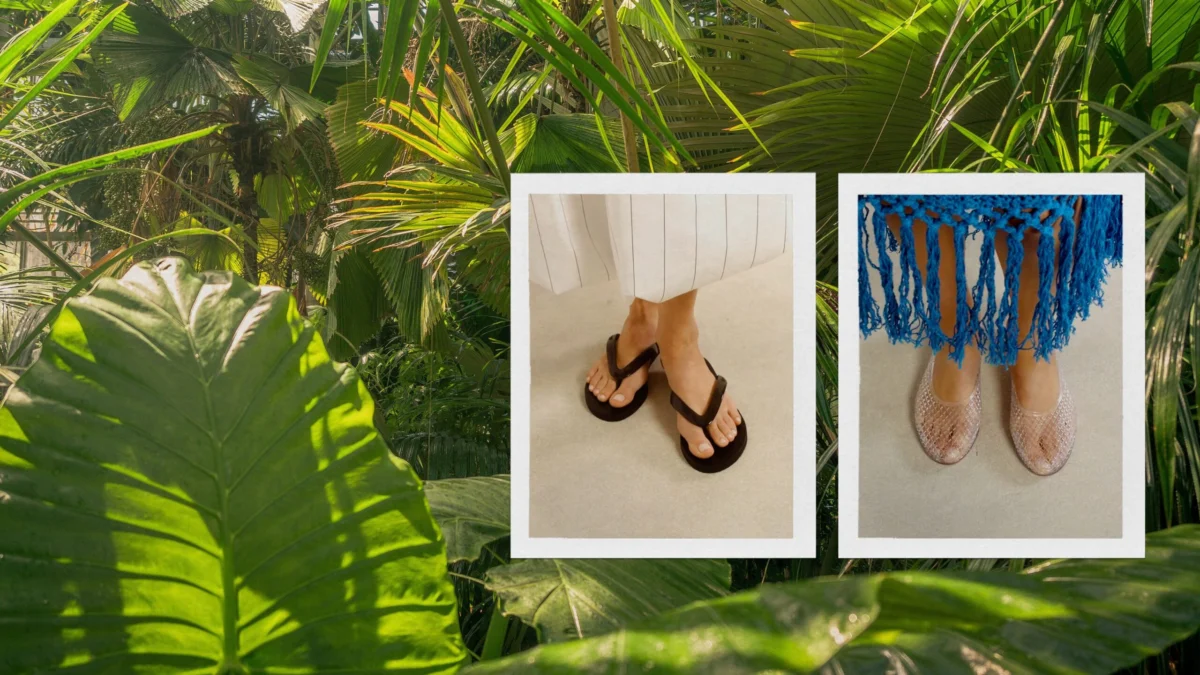
The cycle of fashion is notoriously circular, but few trends evoke as visceral a response as the return of the jelly shoe. Once relegated to the dusty corners of 1990s childhood memories and coastal souvenir shops, the "half-naked" silhouette has made a triumphant, high-fashion comeback. For SS26, the jelly shoe—and its elevated cousins, the caged flat and the sheer mesh pump—has evolved from a kitschy playground staple into a sophisticated travel essential. Whether you are navigating the cobblestones of a European capital or traversing the shoreline of a Mediterranean getaway, the jelly shoe is proving itself to be the most versatile, packable, and debated footwear of the season.
Main Facts: A Silhouette Reimagined
At its core, the modern jelly shoe occupies a fascinating middle ground between the utilitarian walking sandal and the refined ballet flat. Characterized by their signature cage construction and translucent or semi-sheer materials, these shoes are no longer exclusively crafted from the rigid, scented PVC of yesteryear. Today, they are being reimagined with premium finishes, slim leather soles, and intricate weaves that bridge the gap between high-street nostalgia and luxury craftsmanship.
The appeal of the jelly is primarily functional. In an era where travel-light mandates dominate the tourism industry, the weightlessness and flexibility of these shoes make them the ultimate "pack-and-go" solution. Unlike bulky sneakers or delicate heels that require dedicated dust bags, jelly shoes can be compressed into the corner of a carry-on, emerging unscathed and ready for wear.
Chronology: From Childhood Nostalgia to Runway Mainstay
The resurgence of the jelly shoe was not a gradual creep but a deliberate, industry-led shift.
- The 1980s and 90s (The Foundation): The jelly shoe became a cultural phenomenon, popularized by affordable manufacturing processes that allowed for vibrant, colorful, and inexpensive footwear. It was the quintessential "summer shoe" for a generation of children.
- 2024 (The Luxury Pivot): The turning point occurred when The Row—the minimalist powerhouse helmed by Mary-Kate and Ashley Olsen—introduced mesh and caged footwear to their runway collections. The inclusion of such a polarizing item in a luxury show provided the "permission" the rest of the fashion industry needed to embrace the trend.
- Late 2024–2025 (Mass Adoption): Following the initial runway shock, luxury houses and high-street titans alike began to interpret the look. Brands like Alaïa, Khaite, and Melissa accelerated production, shifting the narrative from "childhood toy" to "essential summer staple."
- SS26 (The Current Status): The trend has reached full maturity. It is no longer a "niche" experiment; it is now a permanent fixture in both resort wear and urban street-style collections, supported by a range of price points that democratize the aesthetic.
Supporting Data: Why Consumers Are Buying In
Retail analysis indicates that the demand for "transparency" in footwear has spiked by 35% year-over-year. Data from major e-commerce platforms reveals that consumers are gravitating toward "hybrid footwear"—shoes that function as both indoor slippers and outdoor walking shoes.
The success of the trend is largely attributed to the "cool-girl" aesthetic, which prioritizes effortless styling. Retailers report that the Melissa Possession sandal and Ancient Greek Sandals’ jelly line are among the top-selling items for the summer season. Furthermore, the shift toward sheer materials—seen in the popularity of mesh ballet flats—indicates a broader consumer desire for breathable, lightweight clothing that accommodates changing global temperatures. As heatwaves become more frequent during summer travel, the breathability of the cage design offers a distinct competitive advantage over leather-lined alternatives.
Official Responses and Expert Perspectives
Fashion critics initially dismissed the jelly trend as a "fleeting ironic gesture," but those sentiments have shifted as the trend survived multiple seasons.
"The longevity of the jelly shoe is tied to its dual-purpose nature," says one industry analyst. "It is a rare item that satisfies the consumer’s need for nostalgia while simultaneously solving a logistical problem for the modern traveler. We are seeing a move away from the ‘status sneaker’ toward footwear that is understated, packable, and surprisingly durable."
Designers have responded to the "controversy" of the plastic aesthetic by introducing sophisticated color palettes. Rather than the neon hues of the 1990s, the current market is dominated by muted earth tones, matte blacks, and sophisticated metallics. Khaite, for instance, has effectively elevated the mesh pump to a status symbol, positioning it as an acceptable alternative to the traditional evening heel. Zara and H&M have mirrored this, providing accessible, embellished iterations that allow the trend to permeate all levels of the market.
Implications: The Future of Travel Footwear
The implications of this trend extend beyond mere aesthetics; they represent a fundamental change in how we view the "vacation wardrobe."
1. The Death of the "Single-Use" Shoe
Historically, travelers would pack a specific shoe for the beach and a different pair for evening dining. The jelly/caged hybrid has effectively collapsed these categories. A well-designed, black-jelly, or mesh-caged flat is now considered appropriate for both a casual morning stroll to a café and a formal dinner reservation when paired with the right ensemble.
2. Economic Accessibility
The wide range of price points for these shoes—from the $50 range at high-street retailers to the $800+ bracket for designer labels—has made the trend incredibly inclusive. This wide availability ensures that the "jelly" look is ubiquitous, reinforcing its status as a defining visual marker of the mid-2020s.
3. Sustainability and Material Innovation
While the traditional PVC jelly shoe is a petroleum-based product, the current market pressure for more sustainable options has prompted brands to look into bio-based plastics and recycled polymers. The longevity of the trend is now being linked to the brand’s ability to market these materials as environmentally conscious, with many manufacturers highlighting the durability of their materials to combat the "fast fashion" stigma.
How to Wear the Trend: A Style Guide
For those hesitant to embrace the rubbery texture of the traditional jelly, the current market offers a spectrum of entry points:
- The Purist: Opt for the Melissa Possession sandal. This is the authentic experience—waterproof, flexible, and perfectly suited for a day at the beach or a pool-side lounge.
- The Urbanite: Lean into the Ancient Greek Sandals or Vince mules. These provide a more structured, mature silhouette that pairs perfectly with wide-leg linen trousers or midi skirts, making them ideal for city sightseeing.
- The Modern Minimalist: If the plastic feel is a bridge too far, the fishnet or mesh ballet flat—pioneered by Alaïa—is the perfect alternative. These offer the same visual "cage" effect but with a more luxurious, tactile experience.
- The Evening Elegant: For those seeking a heel alternative, look to the mesh pumps from Khaite. Their semi-sheer construction provides a delicate, sophisticated look that adds texture to any evening outfit without the discomfort of a stiletto.
Conclusion: A Trend with Staying Power
Whether you view the resurgence of the jelly shoe as a triumph of childhood nostalgia or a brilliant piece of modern marketing, one thing is certain: it has secured its place in the modern wardrobe. Its ability to pack flat, endure the elements, and adapt to both casual and formal settings makes it the unofficial shoe of the modern traveler. As we look toward the remainder of the summer and beyond, the message from the runway is clear: keep your feet cool, keep your suitcase light, and do not be afraid to embrace the transparent, the caged, and the nostalgic. The jelly shoe is not just a passing phase; it is a practical, stylish answer to the demands of contemporary life.
 Sagoh
Sagoh
 Asro
Asro
