

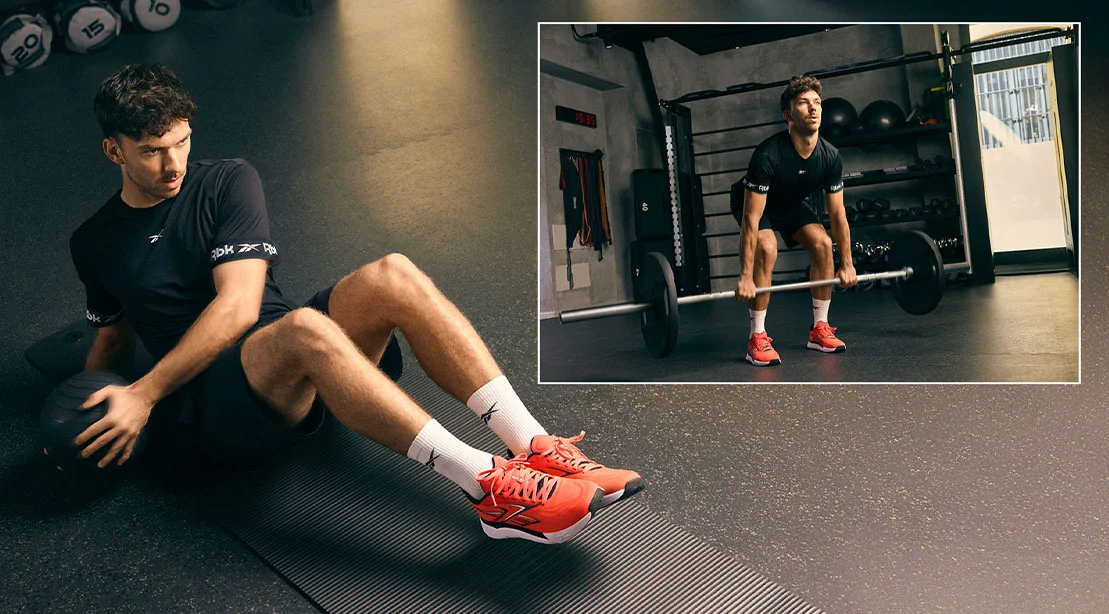
In the high-stakes world of functional fitness, footwear is the primary bridge between human intent and kinetic output. As training methodologies evolve—shifting from static weightlifting to the dynamic, high-intensity requirements of HIIT, CrossFit, and the surging popularity of race-based functional fitness like HYROX—the demand for a "do-it-all" sneaker has reached a fever pitch. Reebok, a brand synonymous with the rise of modern training culture, has answered this demand with the release of the Nano Gym 2.0. Weighing in at just 10.6 ounces (approx. 300g), this second-generation silhouette is 20% lighter than its predecessor, a feat of engineering that challenges the traditional trade-off between weight reduction and structural integrity.
Main Facts: The Anatomy of a Leaner Trainer
The Reebok Nano Gym 2.0 represents a significant pivot in the brand’s design philosophy. By stripping away non-essential materials, Reebok has created a sneaker that caters to the "hybrid athlete"—the gym-goer who transitions seamlessly from explosive plyometrics to weight-bearing movements.
The core metrics of the Nano Gym 2.0 are as follows:
- Weight: 10.6 ounces (300g), achieving a 20% reduction from the original Nano Gym.
- Midsole Technology: Integrated FLOATPULSE foam for high-rebound energy return.
- Upper Construction: Engineered mesh with strategic, durable breathability zones.
- Outsole: Gym-specific flex groove architecture for multi-directional traction.
- Release Date: July 16, 2026.
- MSRP: $100.
The design goal was not merely to reduce weight, but to eliminate "dead weight." Tal Short, Reebok’s Director of Training Footwear, notes that the development team focused on identifying components that provided aesthetic bulk without functional utility. By removing these, the brand has created a shoe that feels nearly weightless on the foot while maintaining the lateral stability required for heavy lifting.
Chronology of Development: From Concept to Gym Floor
The journey toward the Nano Gym 2.0 began in the wake of the original model’s success. While the first iteration established a solid foundation for general training, feedback from the community suggested that athletes were craving a more responsive, "float-like" experience during high-speed movements.
Phase 1: The Weight Audit (Late 2024 – Early 2025)
Reebok’s design team initiated a "zero-based" audit of the original Nano Gym. Every component—from the heel counter to the eyelets—was weighed and stress-tested. The team discovered that by re-engineering the upper mesh and thinning the perimeter of the midsole without sacrificing the core foam density, they could cut weight by nearly a fifth.
Phase 2: Prototyping FLOATPULSE (Mid-2025)
The introduction of FLOATPULSE foam was the pivot point for the 2.0 project. Early prototypes focused on traditional EVA foams, but they failed to meet the energy return requirements for explosive agility drills. The transition to the proprietary FLOATPULSE material allowed for a foam that was both lighter and more resilient, providing a "spring-loaded" sensation that aids in both jumping and rapid lateral shuffling.
Phase 3: The Outsole Refinement (Late 2025 – Early 2026)
The final phase involved perfecting the outsole. The challenge was to maintain grip on smooth gym flooring while ensuring the shoe remained flexible enough for burpees, mountain climbers, and box jumps. The team settled on a flex groove pattern that mirrors the natural anatomy of the human foot, allowing for maximum ground contact during the transition from landing to takeoff.
Supporting Data: Why Weight Matters in Training
In functional fitness, the "swing weight" of a shoe can impact fatigue levels over the course of a 60-minute training session. When an athlete performs hundreds of repetitions—whether it is rowing, box jumps, or shuttle runs—the accumulated weight of a heavy sneaker acts as a drag on performance.
Research into athletic footwear suggests that a 100-gram reduction in shoe weight can lead to a measurable improvement in metabolic efficiency. By dropping the Nano Gym 2.0 to 10.6 ounces, Reebok is targeting the athlete’s need for speed. The "locked-in" fit of the engineered mesh upper ensures that despite the light weight, the foot remains centered over the base of the shoe, preventing the "sliding" sensation often associated with ultra-lightweight running shoes.
Furthermore, the stability of the shoe is not merely a result of the foam. It is the synergy between the upper’s breathability zones and the base. By placing the most durable materials in high-wear areas and the lightest, most breathable mesh in the midfoot, Reebok has achieved a balance that keeps the foot cool while preventing the shoe from collapsing under lateral pressure.
Official Responses: Insights from Tal Short
Speaking on the challenges of the design process, Tal Short emphasized that the primary hurdle was maintaining the "Nano" reputation for stability while embracing a minimalist approach.
"We worked on streamlining the design and removing any bulk or unnecessary materials that weren’t crucial to the performance of the shoe," Short explains. "Stability remains the absolute key. You can have the lightest shoe in the world, but if it doesn’t provide a platform for a heavy squat or a stable landing after a box jump, it fails the gym test. We redeveloped the upper specifically to feature a locked-in fit, providing lightweight yet durable breathability. The midsole remains highly responsive and stable, and the flex groove outsole offers added grip exactly where it’s needed most."
When asked about the inclusion of FLOATPULSE foam, Short was particularly enthusiastic. "It’s an ultra-responsive foam that creates high-rebound energy return. It doesn’t just cushion the impact; it returns energy to the athlete. It supports explosive movements and can genuinely take an athlete’s training routine to the next level. We aren’t just making a shoe for people who go to the gym; we are making a tool for those who treat their training as a performance."
Implications for the Fitness Industry
The release of the Nano Gym 2.0 signifies a broader trend in the footwear industry: the "hybridization" of sport. As fitness disciplines like HYROX—which combines functional movements with endurance running—gain global traction, athletes are moving away from specialized gear toward versatile, multi-disciplinary equipment.
The Rise of the Hybrid Athlete
For the modern consumer, the Nano Gym 2.0 addresses a logistical problem. Many athletes commute to the gym, change into lifting shoes for squats, and then change again for conditioning. The 2.0 version is designed to be the "one-and-done" sneaker. Its aesthetics are sufficiently neutral for everyday wear, yet its technical specs are advanced enough for a professional-grade training session.
Competitive Positioning
Reebok’s decision to launch the 2.0 at a $100 price point is a strategic move to capture the mid-market segment. By offering premium, proprietary technology like FLOATPULSE at a sub-$150 price, Reebok is positioning itself as the leader in "accessible performance." This creates a strong competitive barrier against luxury boutique training brands and helps solidify the brand’s standing in the functional fitness community.
Future Outlook
As we look toward the remainder of 2026, the success of the Nano Gym 2.0 will likely dictate the future of Reebok’s design language. If the market reception to the 20% weight reduction is positive, we may see this "less-is-more" philosophy applied to the wider Nano family, including the more heavy-duty lifting iterations.
Conclusion: A New Standard for Versatility
The Reebok Nano Gym 2.0 is more than just a lighter sneaker; it is a synthesis of data-driven design and athlete-centric feedback. By successfully integrating high-rebound foam with a precision-engineered mesh upper, Reebok has managed to solve the age-old problem of how to keep a shoe stable without making it bulky.
Whether one is a weekend warrior tackling a new HIIT class, an aspiring hybrid athlete preparing for their first competition, or simply a busy individual looking for a reliable, comfortable shoe for a diverse array of activities, the Nano Gym 2.0 offers a compelling solution. With its official launch set for July 16, 2026, the sneaker is poised to become a staple on gym floors across the globe, proving that in the world of training, sometimes the greatest strength comes from shedding the weight.
As Tal Short succinctly put it, "Whether you need a reliable option for your regular gym routine, for trying out a new fitness class, or maybe dipping your toes into HYROX, you can confidently do it all." In an industry characterized by constant change, the Nano Gym 2.0 provides the stability and performance needed to keep moving forward.
 Lina Hope
 rifanmuazin
 Laily UPN
