

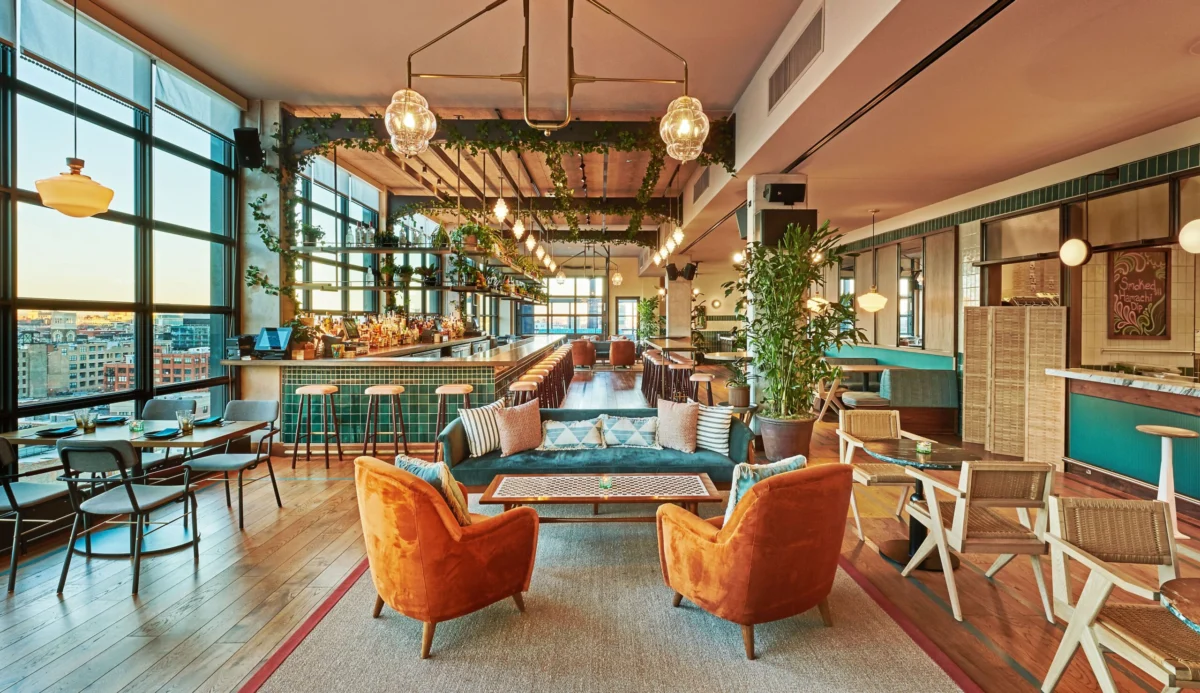
In the city that birthed the skyscraper, the skyline is more than just a silhouette—it is an architectural narrative written in steel, limestone, and glass. For Chicagoans and visitors alike, there is perhaps no experience as quintessential as ascending to the clouds to toast the horizon. As the city continues to evolve, its rooftop culture has transitioned from seasonal novelty to a year-round fixture, offering panoramic encounters with the cerulean expanse of Lake Michigan, the historic fervor of Wrigley Field, and the intricate masonry of the Loop.
From high-octane lounges that pulse with the energy of the urban grid to intimate, glass-enclosed sanctuaries that offer warmth amidst a winter blizzard, Chicago’s rooftops are the ultimate vantage points. This report explores the elevation of the city’s social scene, examining the standards of excellence that define these elevated destinations.
Main Facts: The Evolution of the Elevated Experience
The concept of the "rooftop bar" in Chicago has undergone a radical transformation over the last decade. Historically, these spaces were often relegated to seasonal hotel operations, opening only during the brief, balmy window of a Midwestern summer. Today, however, the industry has shifted toward an "omni-seasonal" model.
Modern engineering and interior design have allowed venues to integrate climate-controlled, glass-enclosed, and heated spaces, ensuring that the spectacle of the skyline remains accessible even when the thermometer dips below freezing. These venues now offer more than just a view; they are culinary powerhouses. The days of simple peanuts and lukewarm beer are long gone, replaced by menus curated by world-class chefs featuring craft cocktails, elevated bar snacks, and full-scale dining experiences that rival the city’s ground-level gastronomic institutions.
Chronology: From Seasonal Novelty to Urban Staple
To understand the trajectory of Chicago’s rooftop culture, one must look at the timeline of the city’s architectural and hospitality development:
- 1990s – Early 2000s: The emergence of the "Hotel Rooftop." Primarily the domain of luxury hospitality brands, these spaces focused on exclusivity and seasonal aesthetics, catering largely to travelers and corporate elites.
- 2010 – 2015: The "Neighborhood Expansion." Rooftop culture migrated beyond the central business district. Independent operators in neighborhoods like West Loop, River North, and Lincoln Park began converting industrial rooftops into vibrant, accessible lounges, signaling a democratization of the skyline.
- 2016 – 2019: The Era of Architectural Integration. Developers began prioritizing roof usage at the design phase of new construction projects. The skyline became a competitive commodity, with bars positioning themselves specifically to capture "money shots" of iconic landmarks like the Tribune Tower or the Willis Tower.
- 2020 – 2022: The Resilience Phase. The global pandemic forced a reckoning with spatial utility. Establishments invested heavily in retractable glass ceilings, advanced air filtration systems, and year-round infrastructure, effectively proving that the "rooftop" could be a 12-month business model.
- 2023 – Present: The Focus on Sustainability and Inclusivity. The current landscape is defined by a shift toward greener practices and a broader appeal, ensuring that rooftops are not just for the elite, but serve as inclusive social hubs for the diverse population of Chicago.
Supporting Data: What Makes a Rooftop "Best-in-Class"
When Condé Nast Traveler editors and local contributors evaluate Chicago’s rooftop scene, the criteria are rigorous and multifaceted. It is not enough to simply have a tall building; the experience must be holistic.
1. Architectural Synergy
The best rooftops are those that respect their context. Whether it is a brutalist structure that provides a stark contrast to the surrounding glass, or a historic building that offers a vintage aesthetic, the venue must feel like a natural extension of the skyline, not an intrusion.
2. Culinary and Mixology Standards
Data indicates that consumers are increasingly prioritizing the "full experience." A venue that offers high-end small plates—such as wagyu sliders, locally sourced charcuterie, or seasonal farm-to-table salads—tends to command a higher loyalty rate than those relying on pre-packaged snacks. Similarly, mixology programs now prioritize house-made bitters, locally distilled spirits, and non-alcoholic "mocktail" menus to cater to shifting drinking habits.
3. Accessibility and Comfort
Climate control is the most significant differentiator. The inclusion of heated flooring, fire pits, and wind-shielding glass panels allows venues to remain operational for an average of 300 days a year, compared to the 120-day window seen two decades ago.
Official Responses: The Philosophy of the Edit
The selection process for the best bars in Chicago is a meticulous, ongoing endeavor. According to editorial directives, every bar on the curated lists is selected independently. This process involves:
- On-the-Ground Verification: Every establishment is visited by a local contributor who assesses not just the view, but the service flow, the acoustic environment, and the consistency of the menu.
- The Inclusivity Audit: Editors specifically look for venues that foster an welcoming atmosphere. "Inclusivity is not a buzzword; it is a metric," notes the editorial board. This includes staff training, physical accessibility for guests with disabilities, and price-point diversity that prevents the space from feeling exclusionary.
- Sustainability Credentials: With the hospitality industry facing scrutiny regarding food waste and energy consumption, modern rooftops are evaluated on their waste management practices, the sourcing of ingredients, and their efforts to minimize the carbon footprint of their climate-control systems.
Implications: The Future of the Skyline
The implications of this thriving rooftop scene are profound, both for the city’s economy and its cultural identity.
Economic Impact
Tourism is a primary beneficiary. A visitor who spends an evening at a downtown rooftop is more likely to engage with the city’s transit, its nightlife, and its retail sectors. These venues serve as "anchor tenants" for neighborhoods, driving foot traffic to otherwise quiet districts.
Urban Planning
As rooftops become more popular, the city’s zoning and planning boards are increasingly involved in the conversation. The integration of "Green Roofs"—gardens and sustainable vegetation atop these bars—has become a point of negotiation. Developers are now incentivized to include rooftop green spaces, which help mitigate the "Urban Heat Island" effect, a significant challenge for a city as dense as Chicago.
Social Dynamics
Perhaps most importantly, the proliferation of rooftop spaces has redefined how Chicagoans socialize. The "Skyline Toast" has become a ritual for celebrations, business deals, and romantic evenings. It has forced the city to look upward, fostering a sense of pride in Chicago’s architectural heritage. When you are sitting 20 stories above the pavement, looking out over the expanse of Lake Michigan, the scale of the city feels both intimate and grand.
Conclusion: A City in the Clouds
Chicago is a city of layers. There is the bustling street level, where the grit and ambition of the Midwest play out in the daily commute; there is the river level, where architecture tours glide past the history of the city; and now, there is the rooftop level, where the city pauses to admire its own reflection in the clouds.
Whether you are seeking the high-octane energy of a River North hotspot, the refined elegance of a Gold Coast lounge, or the laid-back, community-focused vibe of a neighborhood gem, the Chicago rooftop experience is unparalleled. As the industry continues to innovate—balancing the pressures of environmental sustainability with the demand for luxury—the city’s skyline will remain the ultimate destination.
For the traveler, the local, and the architect alike, these venues are more than just bars; they are the observation decks of a city that never stops reaching for the sky. As you plan your next outing, remember that the best view in Chicago isn’t just about what you see—it’s about how the city makes you feel when you’re finally at its level.
For more on navigating the city, read our complete Chicago travel guide, covering the best neighborhoods, culinary landmarks, and essential cultural experiences that define the Windy City.
 Asro
Asro
