

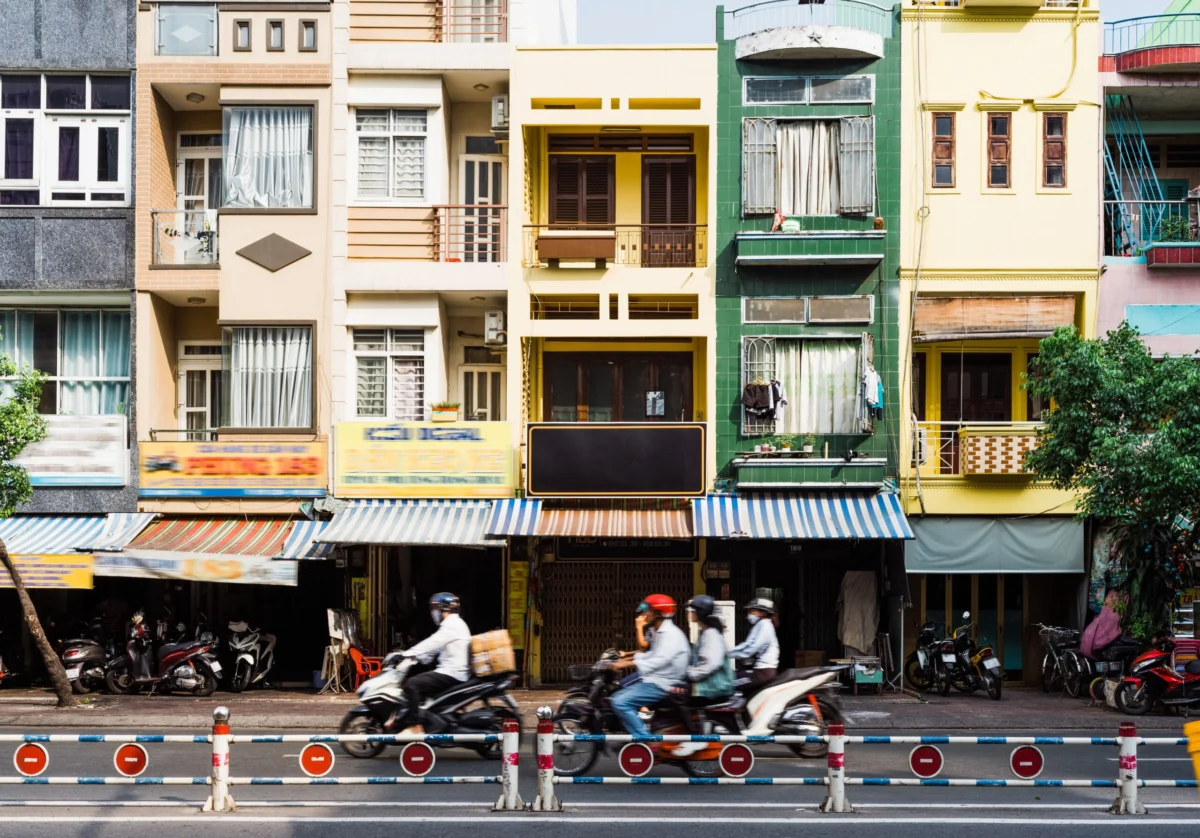
Separated from the frenetic, neon-drenched pulse of Ho Chi Minh City’s District 1 by a gentle bend in the Saigon River, Thảo Điền was for decades defined by its quietude. It was the city’s leafy, sprawling expat sanctuary—a neighborhood of gated villas, international schools, and quiet cafes designed to replicate the comforts of home for the foreign resident. But over the last ten years, a seismic shift has occurred. The neighborhood has shed its "expat bubble" reputation, transforming into an effervescent, influential hub of contemporary Vietnamese culture.
Today, Thảo Điền is the epicenter of a new creative movement. A generation of homegrown chefs, visionary designers, and ambitious entrepreneurs have reclaimed the area, turning it into a living, breathing gallery of modern local identity.

The Evolution: A Chronology of Change
The transformation of Thảo Điền did not happen overnight; it was a gradual migration of talent and ambition.
- 2010–2015: The Infrastructure Phase. As Ho Chi Minh City expanded, the relative affordability of land in Thảo Điền, combined with its unique riverside geography, began to attract boutique developers and small-scale hospitality entrepreneurs who found the dense, traffic-choked streets of District 1 too restrictive for the "garden cafe" concepts they envisioned.
- 2016–2020: The Creative Influx. The neighborhood began to see a rise in concept shops. Artists and designers, seeking community, started opening studios in the repurposed villas that define the area’s architectural heritage.
- 2021–2023: The Culinary Pivot. The shift reached a tipping point as high-end dining began to follow the creative boutiques. Chefs began experimenting with indigenous ingredients, utilizing the space of Thảo Điền’s larger plots to build sophisticated, multi-sensory dining experiences.
- 2024–2025: Global Recognition. With the arrival of flagships from internationally recognized brands like Fanci Club and the opening of Michelin-starred establishments like Ciel, Thảo Điền has officially transitioned from a residential enclave to a premier destination on the global luxury and travel map.
The New Vanguard: Where Culture Meets Commerce
The modern face of Thảo Điền is defined by its ability to blend the "global" with the "local." The neighborhood’s retail landscape is no longer just selling products; it is selling a version of contemporary Vietnam.

Hầm: The Tropical Concept Haven
Designed to feel like a sanctuary, Hầm—whose name translates to "a home"—has become the neighborhood’s unofficial living room. Built around a lush, tropical garden, it is a testament to the "cafe culture" that drives the area. It serves as a retail space for local furniture and decor while offering a menu of Vietnamese espresso and seasonal matcha that rivals any global capital. It is here that one finds the pulse of the neighborhood: a mix of local celebrities, remote-working nomads, and local artisans.
OHQUAO: Reimagining Vietnamese Motifs
Illustrator Simon Phan and his wife, Hoa Phẩm, launched OHQUAO to bridge the gap between traditional craft and modern design. By taking the phonetic Vietnamese spelling of "oh, wow," the store signals its intent to surprise. From customizable stamps to ceramics and stationery, the store’s inventory acts as a modern archive of Vietnamese motifs, proving that traditional aesthetics have a permanent place in the modern home.

OBJoff: The Independent Fashion Clubhouse
OBJoff serves as the heartbeat of the local fashion scene. More than a boutique, it is a creative clubhouse that acts as a launchpad for emerging Vietnamese labels like Aeie Studios and Paradise Saigon. Its commitment to hosting community events, DJ sets, and pop-ups ensures that it remains a focal point for the city’s youth culture.
Fanci Club: A Global Flagship
The arrival of Fanci Club’s 6,500-square-foot flagship in 2024 served as the ultimate validation of Thảo Điền’s status. With a clientele that includes international icons like Bella Hadid and Blackpink, the brand—led by designer Trần Khánh Duy—has turned its space into a piece of architecture. With its mirrored surfaces, sculptural displays, and a secret, ruby-red VIP salon, it is less a store and more an immersive, high-fashion destination that challenges the traditional boundaries of retail in Southeast Asia.

Culinary Sophistication: The Rise of Ciel Dining
Perhaps the most significant marker of Thảo Điền’s maturation is the success of Ciel Dining. Founded in 2025 by Chef Việt Hưởng, the restaurant represents the pinnacle of the neighborhood’s culinary evolution. Securing a Michelin star within its first year of operation, Ciel manages a difficult feat: it honors the Vietnamese palate while utilizing high-end global techniques.
Dishes such as deconstructed Chinese-style drunken chicken and butter-sautéed fish maw are served at a horseshoe-shaped counter, creating an intimate, high-stakes dining environment. It is a reflection of the "new Vietnam"—confident, technically precise, and deeply rooted in its own provenance.

Nightlife and Social Infrastructure: Lost Birds and Mảmi
As the sun sets, Thảo Điền sheds its leafy, quiet veneer. The bar scene here is less about the loud, commercial clubs of downtown and more about the "craft" experience.
- Lost Birds Bar: A masterclass in atmosphere, this bar features exposed brick and industrial-chic lighting. It is a favorite among hospitality professionals, known for its fat-washed spirits and bold, experimental flavor profiles.
- Mảmi: Jason Pham’s "social club" concept on the bustling Xuan Thuy high street is a love letter to the "Vietnamese auntie"—a nod to the larger-than-life energy of the matriarchs who define much of Vietnamese social life. With a 12-seat open kitchen on the ground floor and a neon-lit, mahjong-tiled bar upstairs, Mảmi is the neighborhood’s epicenter for late-night spontaneity, frequently hosting street-side block parties that blur the lines between private business and public space.
Implications for the Future of Urban Planning
The rapid gentrification of Thảo Điền carries significant implications for Ho Chi Minh City. While the district is becoming a magnet for investment and tourism, it also raises questions about sustainability and preservation.

Urban planners note that Thảo Điền’s success is built on a specific "low-rise, high-greenery" aesthetic. As developers push for more density, the challenge will be maintaining the garden-villa architecture that made the area desirable in the first place. Furthermore, the district’s reliance on narrow streets—once a charming feature—is now testing the city’s traffic management capabilities as the influx of visitors grows.
However, the "Thảo Điền Model"—where creative retail, high-end gastronomy, and communal social spaces are integrated into a pedestrian-friendly environment—is now being eyed by other urban hubs across Asia. It represents a successful departure from the "shopping mall culture" that dominated the early 2000s, favoring instead a more authentic, decentralized approach to urban life.

Conclusion: A Neighborhood Reborn
Thảo Điền is no longer just a place where foreigners go to feel at home. It has become a place where Vietnamese creators go to redefine their future. It is a neighborhood where the history of the villa-lined street meets the future of global fashion, and where the quiet tradition of the morning coffee break leads into the innovative, neon-lit nights of a city on the move. For the traveler, the entrepreneur, and the local resident alike, Thảo Điền is no longer a destination on the periphery; it is the center of a new, vibrant, and thoroughly modern Ho Chi Minh City.
 Sagoh
Sagoh
 Asro
Asro
