

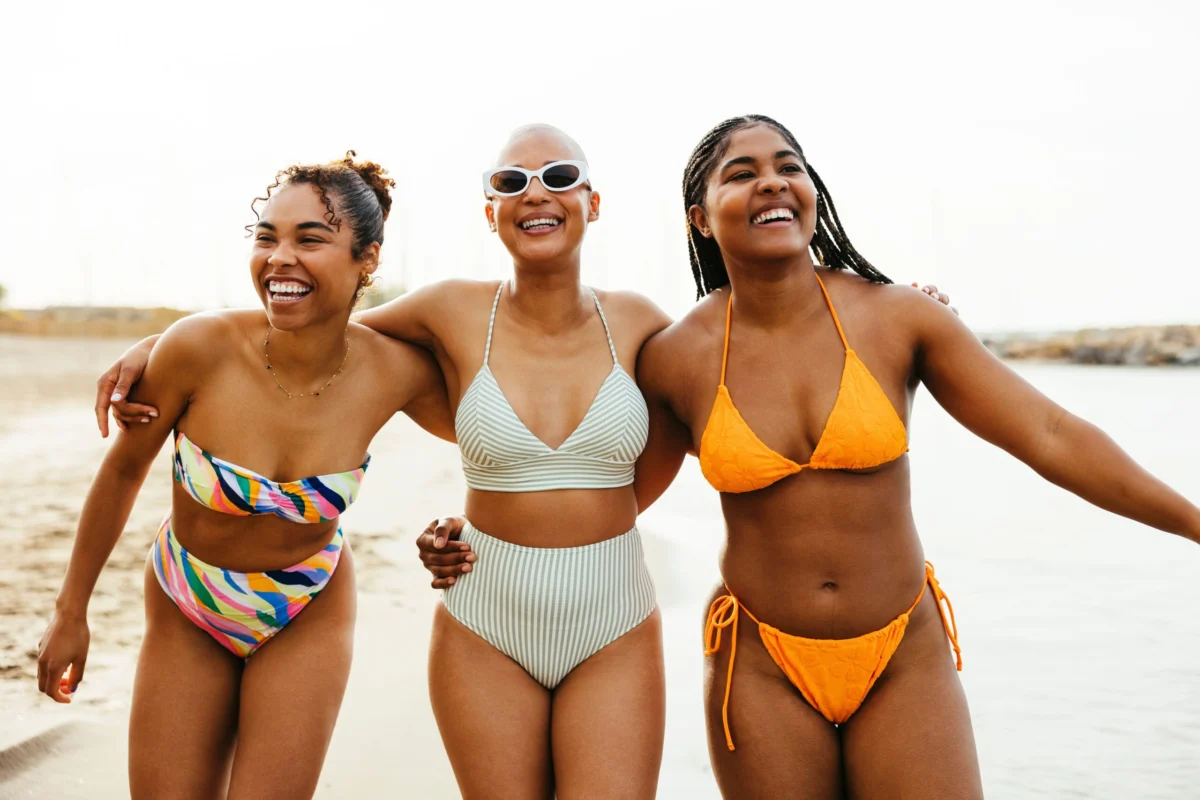
In a travel landscape dominated by the imagery of honeymooners and babymoons, a new cultural phenomenon is taking flight: the "we-moon." It is a travel trend designed specifically for single women to celebrate life milestones—be it a book deal, a professional promotion, a master’s degree, or simply the milestone of self-actualization—with their chosen family of friends.
As the travel industry begins to pivot toward solo and group-female travelers, the we-moon represents a shift in how we perceive accomplishment. No longer are grand, destination-based celebrations reserved for domestic partnerships or family planning; they are now being claimed by women who recognize that their personal victories are just as worthy of a luxury getaway as any wedding or birth.
The Genesis of the We-Moon
The concept of the we-moon was born out of a realization of inequity. Society has long codified "milestone travel" into a rigid framework: you travel to celebrate someone else’s marriage, someone else’s engagement, or someone else’s growing family. For the single woman, the calendar is often filled with bachelorette parties and baby showers, but rarely is there a moment to pause and center one’s own achievements.
During a recent excursion to the Four Seasons Resort and Residences Anguilla, the realization was stark. Surrounded by couples on romantic getaways, it became clear that the "we-moon" is not just a vacation—it is a reclamation of space. It is the conscious decision to invite your support system to celebrate you, rather than just showing up to celebrate the traditional milestones of others.
The Mechanics of a Successful Celebration: A Strategic Guide
Pulling off a high-stakes, milestone-worthy trip without the friction common to group travel requires meticulous planning. To ensure the experience remains restorative rather than draining, travel experts and psychologists emphasize the importance of intentionality.
Dr. Joy Harden Bradford, author of Sisterhood Heals, notes that the primary goal of a we-moon is to foster connection while honoring individual needs. "It is important to have a space where everybody can retreat," Dr. Bradford explains. "Private sleeping quarters are essential for maintaining group harmony."

1. The Architecture of Privacy
The most common point of contention in group travel is the lack of personal space. Whether staying in a hotel or a villa, the recommendation is clear: secure separate rooms. By utilizing villa rentals, such as those at the Four Seasons Anguilla, travelers gain the intimacy of a private home while retaining access to luxury concierge services. This balance allows for early risers to enjoy a quiet balcony read, while night owls can sleep in without disrupting the group flow.
2. The Budgetary Consensus
Financial friction is the silent killer of friendship-based travel. Dr. Bradford suggests that budget expectations must be established long before the plane tickets are booked. "You don’t want to wait until you get there to find out there’s a difference in the group regarding comfort levels," she says. "Some people view a hotel as a place to sleep; others view it as a primary destination. These expectations must be aligned upfront."
3. The Flexibility of the Itinerary
A "we-moon" is not a corporate retreat. While planning is necessary, over-scheduling is the enemy of rejuvenation. A hallmark of a successful trip is the "opt-in" model. During the Anguilla trip, while group activities like spa days and Jeep excursions across the island were on the menu, participants were encouraged to skip activities in favor of rest or personal wellness. When one traveler chose to pursue a private, one-on-one yoga session to focus on specific physical pain points, the group supported the deviation, proving that the collective goal of the trip is the well-being of the individual.
The Cognitive Benefits of Shared Novelty
Beyond the relaxation, a we-moon serves as a crucible for new experiences. Science suggests that learning new skills—like a margarita-making class, a new sport like pickleball, or even a local cooking workshop—is vital for brain health.
When performed within the safety of a friendship group, these activities double as social experiments. There is a inherent safety in failing at a new task when surrounded by friends; the experience shifts from potential embarrassment to a shared laugh. This "shared novelty" creates lasting memories that anchor the trip, transforming the vacation from a series of passive events into an active, bonding narrative.
Deepening the Bonds: The Art of Conversation
Perhaps the most significant difference between a standard "girls’ trip" and a "we-moon" is the depth of the dialogue. On a typical vacation, conversations are often fragmented by the noise of restaurants or the distraction of sightseeing. A we-moon, however, creates a container for intentional intimacy.

"If these are people you are hoping to grow closer to, you must be willing to engage in vulnerability," says Dr. Bradford. "The we-moon provides a backdrop—away from the routines of daily life—to address things you don’t normally have time to talk about."
To facilitate this, the organizers of the Anguilla trip curated specific "unraveling" moments. By choosing quiet, secluded settings—such as a late-night session in a private jacuzzi or a quiet fireside chat—the group created the space necessary to discuss work-life struggles, relationship woes, and career anxieties. This environment allows for a level of emotional support that is often buried under the pressures of our standard, day-to-day lives.
Implications for the Future of Travel
The rise of the we-moon reflects a broader shift in the travel and hospitality industry. Hotels and resorts are increasingly noticing that the traditional "couples-only" narrative is exclusionary. As a result, properties are pivoting to offer services that cater to curated groups of friends, providing private chefs, concierge-led wellness activities, and flexible room configurations that prioritize individual comfort alongside group socialization.
This trend also speaks to the evolving status of single women in modern society. We are seeing a move away from the "waiting for a partner" mentality. Whether it is a promotion, a creative breakthrough, or simply a personal milestone, women are increasingly viewing their own lives as the primary catalyst for adventure.
Conclusion: Investing in Your Support System
A we-moon is more than just a luxury trip; it is an investment in one’s own life and the relationships that sustain it. By centering our own milestones, we acknowledge that our journey is valid, our accomplishments are significant, and our friendships are worthy of the same level of celebration as any traditional rite of passage.
As you plan your next journey, consider the "we-moon" model. Don’t wait for the ring, the promotion, or the partner to book the ticket. Celebrate the life you have, the work you’ve done, and the friends who walked the path beside you. In the end, the most important milestone you can celebrate is your own commitment to living a life that is, by all accounts, your own.
 Reynand Wu
 Iffa Jayyana
 Lina Irawan
