

In the high-stakes, hyper-competitive arena of the FIFA World Cup, success is traditionally measured by goal differentials, tactical masterclasses, and the kind of highlight-reel heroics that turn players into global icons overnight. However, the 2026 World Cup has ushered in a paradigm shift. While millions of eyes remain glued to the pitch, a surprising secondary competition has emerged in the locker rooms and the stands—one defined not by power, but by politeness.
Observers have dubbed this phenomenon the "Ted Lasso" World Cup, a nod to the beloved fictional coach whose philosophy prioritized kindness and community over cynical win-at-all-costs mentalities. In an era often dominated by digital outrage and polarization, these displays of radical empathy—from immaculate locker rooms to post-match trash collection—have captured the internet’s imagination, proving that in 2026, a thank-you note can travel just as far as a game-winning goal.
The Anatomy of an Unlikely Viral Trend
The trend reached a fever pitch following the conclusion of Jordan’s historic first-ever World Cup campaign. After a hard-fought 2-1 loss to Algeria on June 22, the Jordanian squad did not simply exit the tournament in frustration. Instead, they left the stadium staff in the U.S. with a departing gift that quickly made rounds on social media.
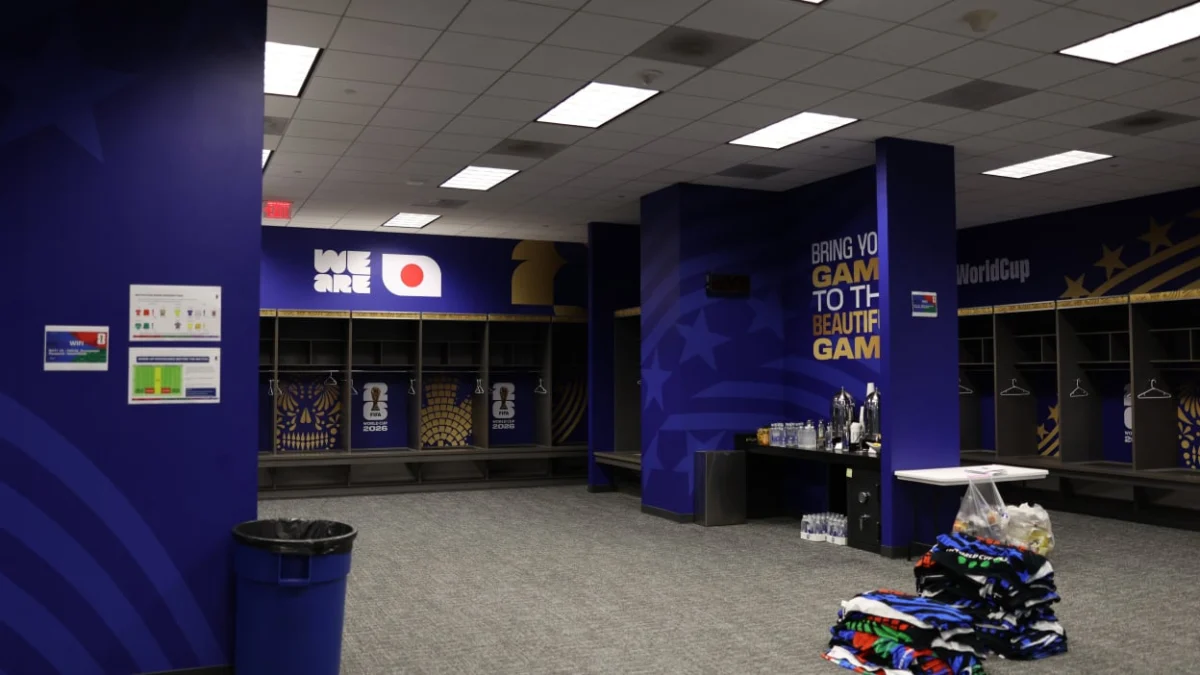
Video footage released by FIFA showed the Jordanian dressing room in a state of pristine order. The team had not only cleaned the facility to a mirror shine but had also left behind personalized thank-you notes, tokens of appreciation, and boxes of traditional Jordanian sweets for the local stadium staff. For a team making its tournament debut, the gesture resonated deeply with viewers. It underscored a commitment to the "spirit of the game" that extended far beyond the ninety minutes of play. In their correspondence, the team explicitly thanked the host nation for its "dedication, professionalism, and warm hospitality," turning a tournament exit into a masterclass in international diplomacy.
A Chronology of Courteous Competition
The Jordanian team’s actions are not an isolated anomaly but part of a growing movement of sportsmanship. The following timeline tracks how this "wholesome wave" has defined the early stages of the 2026 tournament:

- June 14, 2026: Following a tense 2-2 draw against the Netherlands in Texas, Japanese fans were filmed performing their now-signature post-match ritual: systematically gathering litter, discarded cups, and wrappers into blue plastic bags, leaving the stands cleaner than they found them.
- June 20, 2026: Japan’s national team solidified their reputation for excellence both on and off the pitch. After a dominant 4-0 victory over Tunisia in Mexico, the players left their locker room in immaculate condition, accompanied by a handwritten note of gratitude to the host stadium personnel.
- June 22, 2026: The Jordanian national team exits the tournament, leaving behind a "care package" of sweets and a heartfelt letter, cementing their status as fan favorites in the court of public opinion.
- Post-June 22, 2026: Following a gritty 0-0 draw against Belgium at SoFi Stadium, the Iranian team—facing significant logistical hurdles and external pressure—released a statement of gratitude for the Los Angeles fans, emphasizing that they "compete with honor and leave with dignity."
The Japanese Standard: "Tatsu Tori Ato Wo Nigosazu"
While many nations have embraced this trend, Japan remains the gold standard for stadium stewardship. This behavior is deeply rooted in the Japanese proverb “tatsu tori ato wo nigosazu,” which translates to "the bird does not foul the nest it leaves." It is a cultural ethos of leaving a space better than one found it, a practice that has been observed during Japanese matches as far back as the 1998 World Cup.
At the 2022 World Cup in Qatar, the world watched in awe as Japanese fans cleaned sections of the stadium even after matches their team wasn’t participating in. In 2026, this commitment has reached new levels of visibility. During the June 14 match in Texas, the trend even saw an unlikely celebrity crossover: New York Giants quarterback Jameis Winston was spotted in the stands, donning a blue Japan jersey and actively assisting fans in the trash-collection effort. This cross-pollination of American sports culture and Japanese tradition suggests that the "wholesome trend" is transcending soccer and beginning to permeate broader athletic discourse.
Official Responses and the Diplomacy of Sports
The impact of these actions has not been lost on tournament organizers or the international community. FIFA, usually focused on the logistics of the game, has actively promoted these moments of grace on their official social channels. These gestures are viewed as essential PR for the sport, reinforcing the idea that the World Cup is a bridge-building exercise.
The Iranian team’s situation serves as a poignant counterpoint to the trend. Despite reports of logistical strain and the inability of some officials to enter the U.S., the team chose to focus on the human connection established with the fans in Los Angeles. By stating, "We came with pride, competed with honor, and leave with dignity," the team bypassed political tension in favor of professional respect. This serves as a reminder that the World Cup often acts as a rare platform where national teams can communicate directly with the public, independent of the complexities of their governments.
The Implications for Future Tournaments
As the 2026 tournament progresses, the question arises: Is this a temporary fad, or has the culture of global sports changed permanently? The viral nature of these acts—where a picture of a clean locker room can generate as many engagements as a highlight clip—creates an incentive for teams to maintain these standards.

Sociologists suggest that in a world of high-pressure digital consumption, the public is starved for "positive news." When a team displays humility in defeat, it humanizes the players, making them more relatable to the average fan. Furthermore, as we look toward the 2030 World Cup—which will span multiple continents for the first time—the importance of being a "good guest" becomes a logistical and social necessity.
Conclusion: The "Believe" Factor
The "Ted Lasso" effect is, at its heart, about the power of belief—not just in one’s team, but in the idea that competition does not have to be dehumanizing. Whether it is the Japanese fans picking up litter or the Jordanian players leaving behind sweets, these small acts are shifting the narrative of what it means to be a "winner."
In 2026, the World Cup is proving that while history may be written by the victors, the collective memory of the fans is being shaped by those who showed the most grace. As the tournament heads toward its conclusion, the "wholesome trend" stands as a testament to the fact that the most enduring images of the World Cup may not be of goals scored, but of the space left behind when the final whistle blows. As the fictional Coach Lasso would remind us, when it comes to the impact of kindness on a global stage, we must simply: Believe.
 Ali Ikhwan
 Raul Delapena Setiawan
 Azzam Bilal Chamdy
