

By Crystal Bell
July 9, 2026
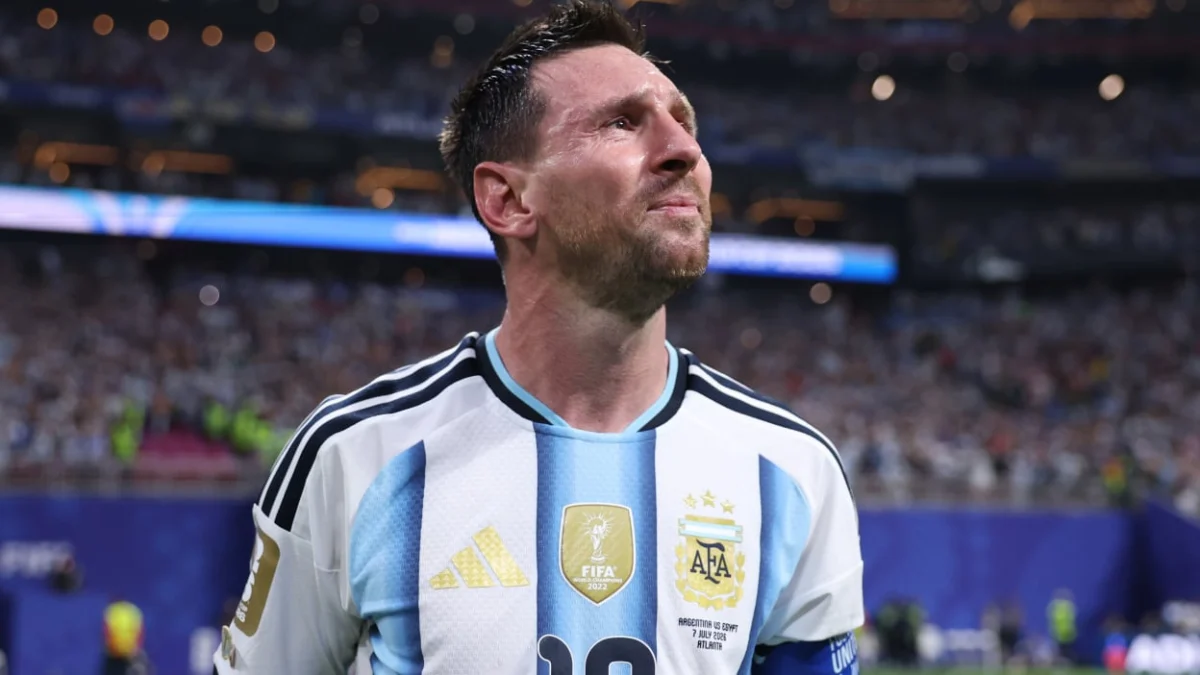
Spend five minutes navigating the digital corridors of the 2026 FIFA World Cup—whether you are scrolling through the frantic pulse of X (formerly Twitter) or the curated, algorithm-driven feeds of TikTok—and you will encounter a singular, recurring sentiment: the internet appears to be collectively rooting against Argentina.
To the casual observer, this seems paradoxical. Lionel Messi, the mercurial talisman of the Argentine squad, remains perhaps the most globally beloved athlete of the 21st century. Argentina boasts one of the most fervent, melodic, and dedicated fan bases in the history of the sport. Yet, in the digital sphere, the defending champions have evolved into the tournament’s ultimate "heel." Every match, every whistle, and every VAR check involving La Albiceleste is met with a tidal wave of skepticism, vitriol, and accusations of institutional favoritism.
The phenomenon is not merely a product of sporting rivalry. It is a complex, multi-layered collision of geopolitical friction, historical resentment, "Messi fatigue," and the unique way social media compresses centuries of cultural conflict into 130-character bursts.
The Catalyst: A Tournament of Controversies
The current swell of anti-Argentine sentiment reached a fever pitch following their 3-2 victory over Egypt in the Round of 16. The match was a masterclass in high-stakes drama, but it ended in a firestorm of controversy. Egypt, feeling aggrieved by a series of contentious VAR decisions and officiating calls, filed a formal complaint with FIFA.
Egypt’s head coach, Hossam Hassan, did not mince words in the post-match press conference, suggesting that the governing body possessed a vested interest in keeping Lionel Messi’s Argentina in the tournament for as long as possible. While FIFA has not substantiated these claims, and a subsequent analysis by BBC Sport concluded that while the officiating was flawed, there was no evidence of a systemic conspiracy, the damage to the public narrative was done.
This perception was further exacerbated by a curious officiating choice: FIFA’s decision to appoint an all-Argentine officiating crew for France’s quarterfinal match against Morocco. While FIFA maintained that the appointment was based on merit and logistics, the optics were disastrous. In the court of public opinion, the decision served as "proof" of the bias that online detractors had been citing for weeks.

Chronology of a Growing Divide
The current tension did not materialize overnight; it is the culmination of years of escalating friction.
- The Legacy of 2022: The 2022 World Cup final remains a fresh wound for many European fans, particularly in France. The narrative of "Messi’s destiny" versus the rest of the world created a binary that has persisted into the 2026 cycle.
- The 2024 Copa América: The post-tournament celebrations in 2024 served as a major turning point. The French Football Federation filed a formal complaint regarding racist and discriminatory chants directed at the French national team by members of the Argentine squad. Though Enzo Fernández issued a public apology and his club, Chelsea, launched an internal inquiry, the incident cemented a perception of the team as being culturally insensitive or exclusionary.
- The iShowSpeed Incident: During the Round of 32, a viral altercation involving popular streamer iShowSpeed and an Argentine supporter during the match against Cape Verde ignited a fresh debate regarding racism and fan behavior. While the incident is currently under investigation, it provided a rallying point for those who argue that the Argentine "ultras" culture has drifted into toxicity.
The Geopolitical Undercurrents
As one Portuguese-language social media user famously noted, "The World Cup is 20% soccer and 80% colonial resentment."
Unlike club football, where rivalries are geographically localized to cities or specific leagues, the World Cup is a stage for national identity. As noted in Franklin Foer’s seminal work, How Soccer Explains the World, these matches often act as proxies for deep-seated historical conflicts.
For many, Argentina is not simply a soccer team. To the English, they are the specter of the Falklands/Malvinas conflict and the enduring memory of Diego Maradona’s "Hand of God." To the Mexican fanbase, they represent the recurring wall that has repeatedly halted their World Cup aspirations. To many Latin American neighbors, the rivalry is a blend of "big brother" syndrome and a contest for continental supremacy, with Brazil and Uruguay standing as historic gatekeepers.
The "European" Identity Debate
Perhaps the most nuanced and difficult aspect of this backlash is the criticism surrounding Argentina’s national self-image. Sociologists have long pointed to a prevalent sentiment within Argentina that emphasizes its "European" heritage—an identity that has historically been criticized for marginalizing the country’s Black and Indigenous populations.
When this internal cultural tension meets the global stage of the World Cup, it becomes a flashpoint. Critics argue that the chants and behaviors seen in recent years are not just "football banter" but are rooted in a refusal to acknowledge a more diverse, inclusive national history. When a team is perceived as projecting an exclusionary identity, the global, diverse, and interconnected internet is quick to push back.
Supporting Data: Why the Internet Loves to Hate
The "anti-Argentina" narrative is bolstered by a feedback loop of social media algorithms. Because the sentiment generates high engagement, platforms like TikTok and X prioritize content that reinforces the "villain" narrative.

- Memetic Warfare: Every time Argentina wins, a deluge of memes appears, mocking the officiating or calling for "justice."
- The "Messi Fatigue": After two decades of dominance, there is a segment of the younger demographic that is simply tired of the "Messi narrative." For these viewers, any win for Argentina is a win for a story they feel has already been told.
- The Victim/Villain Dynamic: Argentina’s tendency to embrace a "us against the world" mentality—a trait shared by many successful teams—only fuels the fire. When a team plays the villain, the crowd cheers for the hero, and in the digital age, that hero is whoever happens to be playing against Argentina on any given day.
Official Responses and FIFA’s Tightrope
FIFA finds itself in an increasingly uncomfortable position. As the governing body, they must maintain the appearance of neutrality while managing a tournament that relies on the star power of figures like Messi.
In response to the mounting pressure, FIFA officials have reiterated their commitment to fair play and the integrity of the VAR system. However, the organization’s inability to address the systemic nature of these complaints—beyond individual match investigations—has left a vacuum that is being filled by conspiracy theories and heated fan discourse.
Implications for the Future of Fandom
What does this mean for the future of the sport? The 2026 World Cup is highlighting a shift in how we consume global events. We are moving toward a more decentralized, vocal, and politically conscious fan culture. The days when a national team could simply "play the game" are gone. Today, a team’s performance is inextricably linked to its social and cultural footprint.
The backlash against Argentina is not necessarily a reflection of the team’s morality, but rather a reflection of the internet’s capacity to turn the beautiful game into a moral battlefield. Whether or not these allegations of "favoritism" hold water, the feeling of injustice has become a central component of the 2026 experience.
As we look toward the final stages of the tournament, one thing is certain: Argentina remains the center of gravity. Whether they lift the trophy or fall to their critics, the conversation surrounding them has fundamentally changed how we view the intersection of global sport and digital culture. The next time you see a post claiming that "everyone hates Argentina," remember: you aren’t just looking at a sports take. You are witnessing the culmination of decades of history, identity, and global resentment, all playing out on the most visible stage in the world.
 Ali Ikhwan
 Siti Muinah
 Suro Senen
