

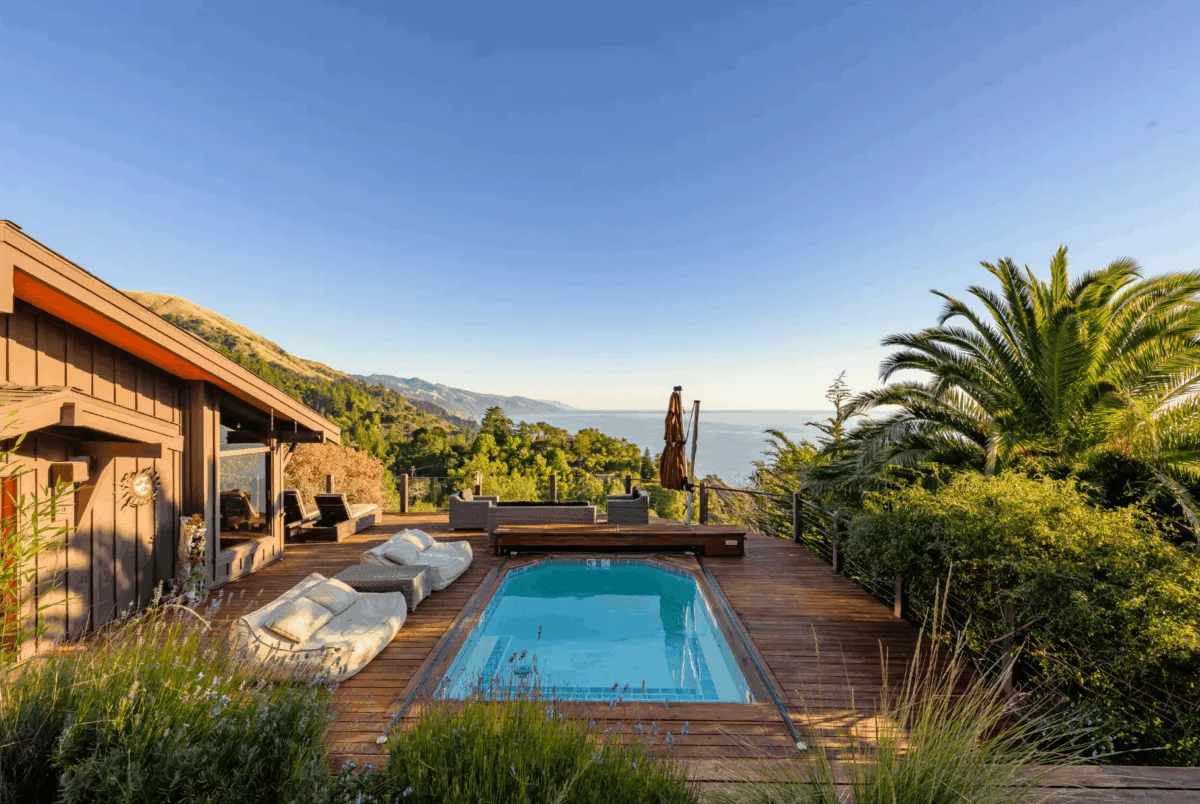
For travelers seeking a sublime intersection of raw nature and meditative solitude, few places on Earth compare to Big Sur. This 70-mile stretch of California’s Central Coast is defined by the Santa Lucia Mountains, which rise abruptly from the Pacific Ocean, creating a dramatic, vertical landscape that feels untethered from the rest of the modern world. With its fog-drenched redwood cathedrals, churning sapphire waters, and sheer coastal bluffs, Big Sur is more than a destination; it is a profound sensory experience.
However, planning a stay in this iconic region requires more than just a map and a reservation. Due to the area’s strict environmental protections and geographical constraints, finding the right home base requires a nuanced understanding of the local landscape.
The Geography of Awe: Why Big Sur Remains Unrivaled
The allure of Big Sur is rooted in its extraordinary geological diversity. Situated atop 800-foot-high coastal bluffs, the region offers panoramic vistas that change with the rhythm of the tides and the shifting coastal fog.
A Sanctuary of Biodiversity
Big Sur serves as the literal threshold to the Monterey Bay National Marine Sanctuary. This protected aquatic territory is one of the most biodiverse ecosystems on the planet. Visitors are frequently treated to the sight of humpback whales breaching in the distance, while closer to the shoreline, the kelp forests provide a nursery for the region’s famous furry sea otters.
The Cathedral of the Redwoods
Venturing inland, the coastal geography shifts from ocean spray to the deep, silent shade of the California coastal redwoods. These ancient giants—some standing for over a thousand years—create a climate that is perpetually cool, quiet, and humbling. This unique ecosystem, coupled with the winding Big Sur River and the region’s hidden waterfall canyons, provides a hiking landscape that is as physically demanding as it is spiritually restorative.
The Challenge of Hospitality: Navigating Rental Restrictions
It is a common misconception that Big Sur is lined with luxury villas and high-density resorts. In reality, the area is heavily regulated to preserve its natural beauty. Official short-term rental permits are scarce, and local zoning laws are intentionally restrictive to prevent the over-development of the coastline.
Strategy for the Savvy Traveler
Because in-region inventory is limited, the most effective strategy for the modern traveler is to look at the immediate periphery. By staying within a 40-minute drive of the core Big Sur area, visitors can enjoy the same breathtaking ocean vistas and forested settings without the complications of navigating the high-demand, low-supply market within the official boundaries.
Whether you are seeking a secluded cabin for two tucked beneath a canopy of redwoods or a sprawling oceanfront estate capable of hosting a multi-generational family reunion, the surrounding areas—ranging from the northern approach near Carmel-by-the-Sea to the rugged southern coast—offer a variety of curated, high-end accommodations.
A Chronology of the Coast: From Wilderness to World-Class Destination
To understand Big Sur, one must appreciate its history. For centuries, the region was accessible only by rugged trails used by indigenous peoples and later by homesteaders.
- 1937: The Opening of Highway 1. The completion of the Bixby Creek Bridge and the surrounding road network marked the beginning of Big Sur’s integration into the California tourism circuit.
- 1960s-70s: The Bohemian Era. The region became a haven for writers, artists, and thinkers—including Henry Miller and Jack Kerouac—who sought the region’s isolation to fuel their creative output.
- Modern Era (2000-Present): The rise of digital platforms and global connectivity has increased pressure on the region. Today, the focus has shifted toward "sustainable tourism," with strict adherence to environmental regulations and "Leave No Trace" policies.
Supporting Data: Why Location Matters
When choosing your rental, consider the following data-driven factors regarding accessibility and experience:
| Feature | Northern Big Sur (Near Carmel) | Southern Big Sur (Near San Simeon) |
|---|---|---|
| Accessibility | High (Close to Monterey/Carmel) | Moderate (Requires longer drive) |
| Amenities | High (Restaurants, galleries, markets) | Low (Total isolation) |
| Landscape | Forested, coastal views | Rocky, beach-heavy access |
| Vibe | Social, tourist-friendly | Solitary, rugged |
Official Perspectives and Environmental Stewardship
Local governing bodies in Monterey County have been clear: the preservation of Big Sur’s ecological health is the primary priority. Landslides, particularly during the rainy season, are a constant reality, and the infrastructure is designed to accommodate the land, not the other way around.
"The landscape is the host," notes one local conservation representative. "When you visit Big Sur, you are a guest in a fragile, shifting environment. Our policies on lodging are designed to ensure that the human footprint remains light, protecting the delicate balance of the coastal bluffs and the redwood forests."
Travelers are strongly urged to respect these mandates by staying only in designated properties and avoiding unauthorized camping or parking along Highway 1.
The Implications for Future Travel
The scarcity of housing in Big Sur has significant implications for future visitors. As demand continues to outpace the limited supply, the cost of staying in or near the region will likely remain at a premium.
The Shift Toward "Slow Travel"
The trend is moving away from the "bucket list" road trip—where travelers attempt to see every waterfall in 24 hours—toward "slow travel." This involves booking one location for a week, immersing oneself in the local rhythm, and exploring the immediate surroundings rather than constant transit.
Infrastructure Vigilance
Prospective visitors must remain vigilant about highway conditions. Because the region relies almost exclusively on Highway 1, a single major storm can close access for days or even months. Checking Caltrans reports before departing is not merely a suggestion; it is a critical component of trip planning.
FAQ: Essential Logistics for the Big Sur Visitor
How do I navigate the isolation?
Big Sur is geologically isolated. Access is almost exclusively via Highway 1. For those traveling southbound from Carmel-by-the-Sea, the entrance is roughly eight miles out. If approaching from the south, the region sits about 15 miles north of San Simeon, the site of the legendary Hearst Castle.
What about alternative routes?
There is one inland route: Nacimiento-Fergusson Road. However, this is a treacherous path across the Santa Lucia Mountains. It features sheer cliffs, blind curves, and narrow, single-lane stretches. Locals and authorities strongly advise against this route unless you are an experienced driver familiar with mountain terrain.
Where should I base myself?
If you desire proximity to the "iconic" Big Sur experience—such as the hiking trails of Pfeiffer Big Sur State Park or the sunset views at Nepenthe—look for rentals on the northern end. If you prefer quiet, private beach access and a lack of tourist traffic, the southern coast is your best option.
Final Recommendations for Your Stay
When selecting your rental, prioritize properties that offer "Superhost" or "Guest Favorite" status. These designations indicate a consistent track record of guest satisfaction and property maintenance. Look for amenities that reflect the environment: outdoor decks for sunset viewing, wood-burning stoves for cool coastal nights, and proximity to local trailheads.
Big Sur remains a place of profound beauty, but it demands respect. By planning carefully, choosing your base of operations wisely, and honoring the local environment, you can ensure that your visit to this magnificent stretch of California coast remains as timeless and transformative as the land itself.
 Lina Hope
 rifanmuazin
 Layla Zulfa
