

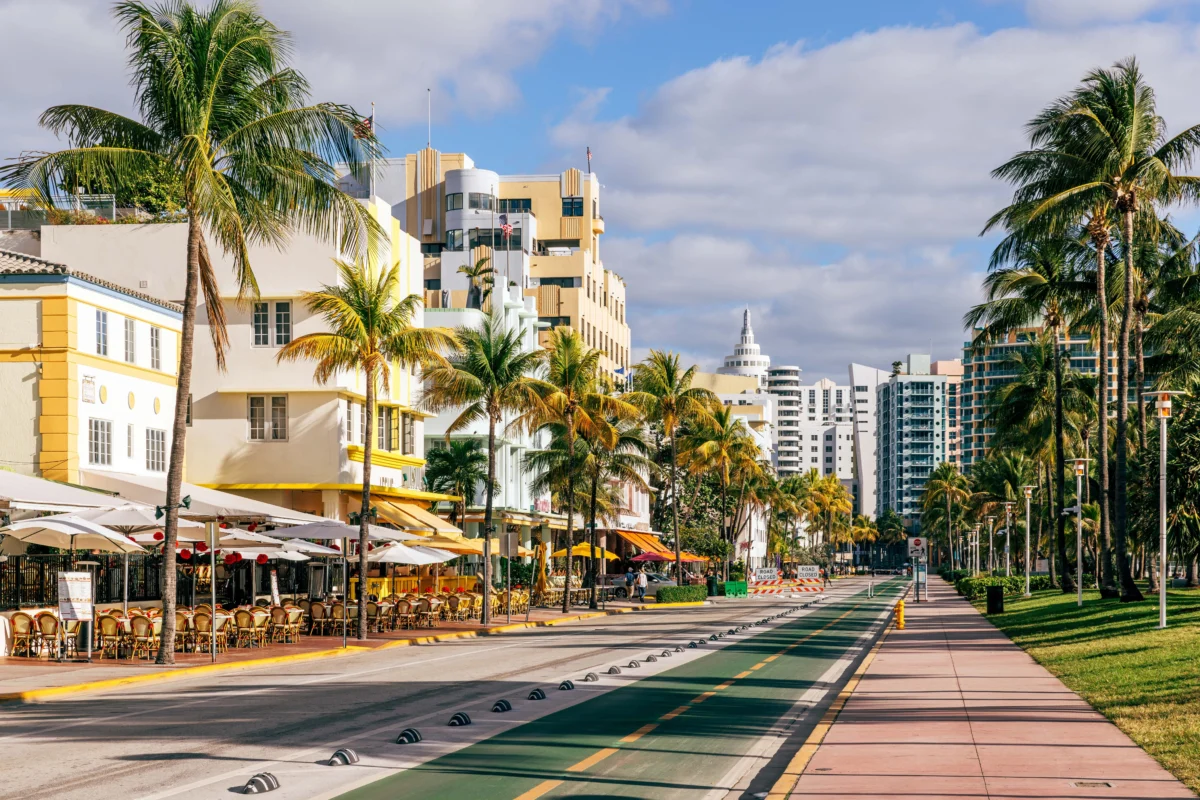
The United States has long been defined by its geographic diversity—a vast expanse stretching from the mist-shrouded, low-key coastal enclaves of California to the bustling, culturally rich corridors of the East Coast. Whether one seeks the glamour of Florida’s sun-drenched beach towns or the approachable, community-oriented spirit of Midwestern metropolises, the American landscape offers a kaleidoscopic array of lifestyles. Yet, for the prospective resident or the ambitious traveler, the sheer volume of choices can be paralyzing.
In an era defined by shifting migration patterns and a post-pandemic recalibration of priorities, the question of "where to live" has moved beyond mere aesthetic preference. It is now a data-driven inquiry into quality of life. Providing an objective lens to this search, the Economist Intelligence Unit (EIU)—the research division of The Economist Group—has released its highly anticipated 2026 Global Liveability Index. The report serves as a definitive roadmap, quantifying the intangible elements that transform a city from a simple location into a thriving home.
The Metrics of Success: Understanding the Methodology
The EIU’s Global Liveability Index is not a popularity contest; it is a rigorous diagnostic tool. By analyzing 173 cities across the globe, the study evaluates urban centers against 30 discrete indicators categorized into five primary pillars: stability, healthcare, culture and environment, education, and infrastructure.
Each city is assigned a weighted score out of 100, providing a granular view of how well a city functions for its inhabitants. In the 2026 iteration of the report, the findings suggest a nuanced reality for the United States: while no American municipality cracked the global top 10, the nation’s top-tier cities demonstrate remarkable resilience, with the leading U.S. destinations consistently appearing within the top 50 worldwide.
Chronology of Urban Development: From Industry to Innovation
To understand the current rankings, one must view the evolution of American cities through a chronological lens. The mid-20th century saw the height of the industrial American city, where growth was measured by manufacturing output and population density. However, as the 21st century dawned, the metric for success shifted toward "knowledge economies."
- The Post-Industrial Pivot (2000–2010): Cities began reinvesting in downtown cores, moving away from manufacturing and toward technology, finance, and education. This era laid the groundwork for the infrastructure scores seen today.
- The Connectivity Era (2010–2020): Urban centers became defined by their digital and physical infrastructure. Transit projects and high-speed internet penetration became the new "must-haves."
- The Resilience Shift (2020–2026): The recent global pandemic fundamentally altered the EIU’s evaluation criteria. Stability—encompassing public health, civil unrest, and crime—has gained significant weight. The 2026 Index reflects a post-2020 world where healthcare accessibility and environmental sustainability are no longer optional luxuries but fundamental requirements for high-ranking cities.
Supporting Data: Why "Smaller" is Often "Better"
A recurring theme in the 2026 EIU report is the surprising performance of secondary cities. While major global hubs like New York or Los Angeles are often the face of American culture, the index reveals that "smaller American cities continue to be the best places to live in the US."
The data suggests a ceiling effect in massive metropolises: as cities grow beyond a certain point, the costs of infrastructure maintenance, traffic congestion, and social inequality often begin to erode the quality-of-life scores. In contrast, mid-sized cities—those with populations ranging from 300,000 to 800,000—often achieve a "Goldilocks" balance. They provide sufficient cultural and educational institutions without the stifling density that plagues larger, older cities.
Every U.S. city featured in the top tier of the index earned a score above 80 points. By EIU standards, this places these cities in the "highest liveability tier," positioning them firmly in the top half of global rankings. This consistent performance indicates that, despite the vast geographic differences between a city in the Pacific Northwest and one in the Southeast, there is a baseline of American urban standards that is remarkably high.
Official Perspectives and Critical Analysis
The EIU report is not without its candid assessments. While the United States excels in categories such as infrastructure, culture, and environmental protection, the report highlights persistent "structural challenges" that act as a drag on overall scores.
"Structural challenges persist across US cities," the report notes. Two primary factors are cited as the main culprits for suppressed rankings:
- Healthcare Costs: Despite the high quality of medical technology and research facilities, the prohibitive cost and unequal access to healthcare remain significant detractors from the quality of life.
- Public Safety and Legislation: The report specifically points to weak gun-control laws as a factor that negatively impacts the "stability" pillar. For international residents, the prevalence of gun violence is a primary consideration that often sees U.S. cities lose points compared to European or Canadian counterparts.
These factors prevent American cities from dominating the global top 10. While a city may have world-class museums, universities, and transit, the high cost of medical care and concerns regarding social stability create a "liveability gap" that is difficult to bridge.
Implications for Future Migration and Policy
The findings of the 2026 Global Liveability Index carry significant implications for both policymakers and the general public.
For Local Governments
The data provides a clear mandate for mayors and city planners: success is no longer about attracting the most corporations; it is about sustaining the best environment for the human experience. Cities that prioritize affordable, high-quality healthcare and invest in community safety measures are the ones that see their liveability scores climb. The "Smaller is Better" trend suggests that regional development—rather than hyper-concentration in a few coastal hubs—may be the most effective strategy for future growth.
For the Prospective Resident
For those considering a move, the EIU index serves as a reality check against the "glamour" of coastal living. A city with a lower cost of living but a higher liveability score (due to better infrastructure and healthcare) may offer a higher objective quality of life than a "glamorous" beach enclave with poor social services.
The Macro View: What Does 2026 Reveal?
The 2026 index acts as a barometer for the American Dream. It shows a country that is physically robust, culturally vibrant, and educationally sound, yet structurally hampered by policy inertia in healthcare and public safety. The "best" places in the U.S. today are those that have managed to shield themselves from the negative externalities of massive urban expansion while maximizing the benefits of a modern, connected society.
Conclusion: The Road Ahead
As we look toward the latter half of the decade, the competition between cities will only intensify. The EIU’s Global Liveability Index offers more than just a ranking; it offers a critique of the modern urban experience. For American cities, the path to the global top 10 is clear: it requires bridging the gap between world-class cultural institutions and the fundamental need for affordable, safe, and equitable public services.
Whether you are a professional weighing a career move or a traveler curious about the fabric of American life, the 2026 rankings provide a definitive look at where the nation is thriving and where it must still evolve. As the index demonstrates, the best places to live are not just defined by their geography, but by their commitment to the daily well-being of their citizens. In 2026, the American city is at a crossroads—one that favors the mid-sized, the well-planned, and the inclusive over the sprawling and the status-driven.
 Sagoh
Sagoh
 Asro
Asro
