

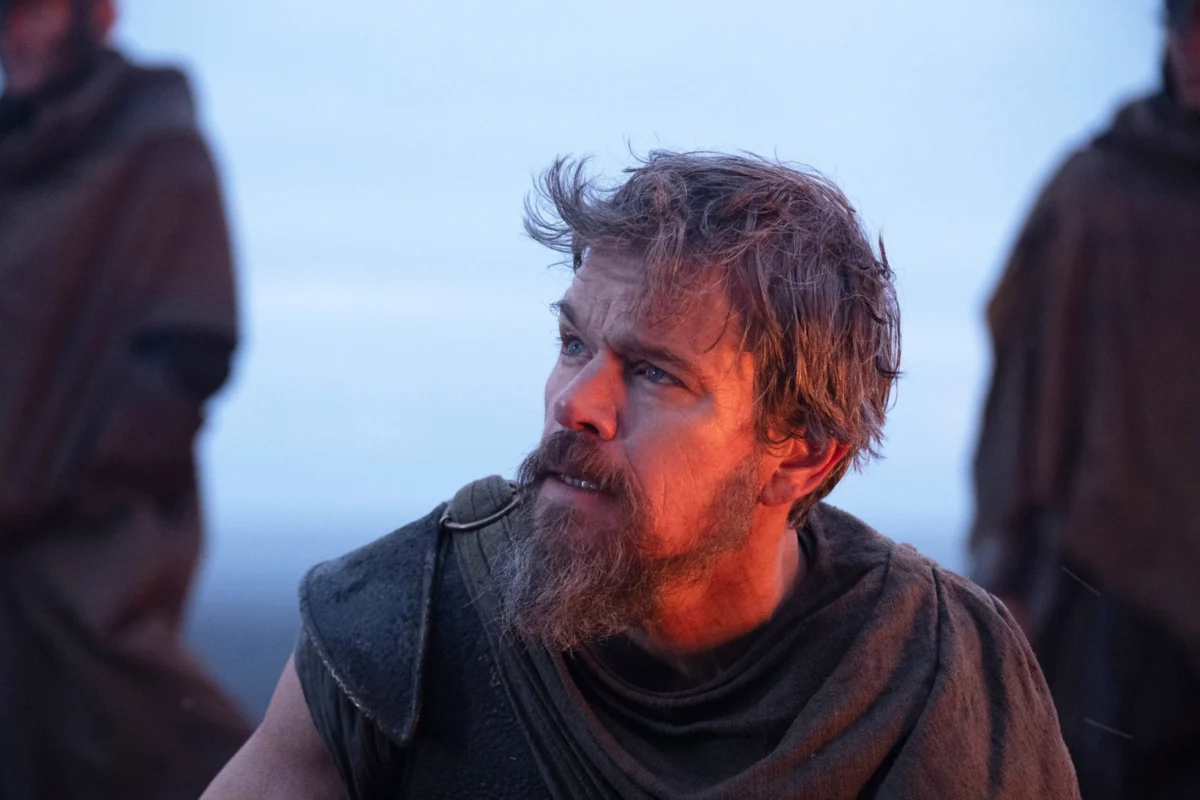
The mid-summer landscape of the film industry has shifted. As the dust settles from a high-stakes week of television industry milestones, the focus of Hollywood’s awards season machine has decisively pivoted toward the silver screen. With the 78th Primetime Emmy nominations unveiled this past Wednesday—marked by the anticipation of first-time host Mariska Hargitay—the industry is simultaneously bracing for an unusually early and aggressive start to the 2027 Oscar race.

While awards prognosticators were busy dissecting the television snubs and surprises that will define the lead-up to the September 14 Emmy ceremony, a seismic shift occurred in the film sector. Gold Derby officially launched its 2027 Oscar predictions center this week, providing an early, high-altitude view of a landscape currently dominated by two monumental, IMAX-bound juggernauts: Christopher Nolan’s The Odyssey and the conclusion of Denis Villeneuve’s Dune trilogy.

The Dawn of a New Awards Season: A Chronology of Impact
The race for the 99th Academy Awards has begun with a distinct sense of urgency. Following the Independence Day holiday, the industry saw a flurry of strategic positioning. The most significant development came in the form of early, high-profile screenings for The Odyssey. Universal, in a move that signals a return to traditional prestige-building, bypassed the influencer-heavy screenings that have become the industry standard for generating social media volatility. Instead, they opted for an exclusive, curated screening for the "cinematic literati"—the seasoned critics and journalists from Variety, The Hollywood Reporter, and beyond.

This decision reflects a calculated effort to foster deep, critical discourse rather than fleeting viral trends. For the industry, this signals that The Odyssey is aiming for the same structural pedigree that propelled Oppenheimer to global dominance. The film’s immediate ascent to the top of our Best Picture and Best Director rankings is not merely a reflection of the quality of the footage shown, but of the collective recognition that Nolan has once again delivered an experience designed to be viewed on the largest possible canvas.

The Nolan-Villeneuve Rivalry: A Battle for Scope
The current state of the race feels like a clash of the titans. Christopher Nolan, who has long championed the IMAX format, is leaning into the grandeur of his latest project. Speaking to Gold Derby, Nolan articulated his philosophy: "There’s a kind of calm and authority to the way that we try and move the camera in The Odyssey… We’re not trying to thrash it around too much; we want to have a stately feel." This "stately feel" is clearly resonating with those who have seen the film, setting a high bar for the rest of the year.

However, the "Muad’Denis" factor cannot be ignored. Just 48 hours after the Odyssey screening, Denis Villeneuve and Timothée Chalamet took center stage to celebrate the latest trailer for Dune: Part Three. The event served as a stark reminder of the cultural momentum behind the Dune franchise. With 15 Oscar nominations across its first two parts, the narrative is hardening: the Academy is waiting to crown this trilogy in its final act, much like it did for Peter Jackson’s The Lord of the Rings in 2004.

Chalamet, serving as the voice of the film’s internal hype cycle, noted, "I’m a huge fan of the Lord of the Rings trilogy, and I’m trying to imagine the last time someone knocked out three things so consecutively. I’m just very grateful to Denis, and ‘In Denis we trust.’"

Supporting Data: Navigating the Top 10
With ten slots available for the Best Picture race, the math of the 2027 cycle is already becoming complex. While The Odyssey and Dune: Part Three currently occupy the pole positions in public perception, they are far from the only contenders. The Gold Derby predictions center highlights a crowded field:

- Best Picture: The Odyssey currently leads, followed by Project Hail Mary—the high-concept sci-fi project from Phil Lord and Chris Miller—and Digger, the Tom Cruise-led vehicle that is already being cited as a potential "transformative" turn for the star.
- Best Director: Nolan sits comfortably at the top, but the race is tightening. Alejandro G. Inarritu’s Digger is gaining steam, and the potential for a directing nod for Lord and Miller could disrupt the status quo. Villeneuve remains outside the Top 5 for now, a status that suggests the Academy is waiting to see the final product before committing to his visionary direction.
Official Responses and Strategic Maneuvers
The studios are not merely waiting for the season to unfold; they are actively shaping it. Universal’s decision to limit early access to The Odyssey is a classic "prestige" play. Conversely, Warner Bros. is betting on visibility. By announcing that attendees of select Odyssey screenings will be treated to a major battle scene preview from Dune: Part Three, they are turning the competition into a cross-promotional event. It is a bold, almost defiant, strategy that forces voters and audiences to consider these two films as the twin pillars of the 2026/27 cinematic year.

For the actors, the campaign trail is equally treacherous. The Best Actor category is shaping up to be a generational showdown. Matt Damon, in the midst of a career-best run of form, is competing against Chalamet’s meteoric rise. Both are playing "weary, battle-hardened leaders," a trope that historically performs well with the Academy. But they must contend with the "art-house contingent," including Sebastian Stan’s performance in Fjord and the industry’s enduring love for character actors like John Malkovich and John Turturro.

The Implications: A Season of Spectacle vs. Substance
The primary implication of this early surge in activity is that the "fall festival season"—typically the start of the true Oscar race—may arrive to find the slots already filled by these mid-summer spectacles. If The Odyssey and Dune: Part Three can maintain their momentum, the fall will not be a time for new contenders to emerge, but rather a time for them to be squeezed out by the sheer gravity of these two blockbusters.

Furthermore, the new Academy rules regarding multiple performances in the same category have created an environment of "campaign chaos." Actresses like Penélope Cruz and Sandra Hüller, who have multiple high-profile projects in the mix, are forced to make difficult decisions regarding their campaigning. Will they double-dip, or will they focus their resources on the project most likely to land them a golden statuette?

For Zendaya, the situation is particularly critical. As the heart of the Dune franchise, she occupies a unique position. If Dune: Part Three is as monumental as the trailers suggest, she may find herself the beneficiary of the "sweep" narrative that often accompanies the final installment of a beloved series. Whether she is positioned as Best Actress or Supporting Actress will be the most significant strategic decision of the fall.

Conclusion: The Long Road to March
As we look toward the months ahead, the industry is bracing for a cycle that will test the limits of Imax-scale cinema. The question is no longer whether these blockbusters will dominate the technical categories, but whether they have the emotional resonance to sweep the top honors.

We are, in effect, witnessing a collision between the old guard of Hollywood prestige—represented by the deliberate, "stately" filmmaking of Nolan—and the new wave of franchise epics championed by Villeneuve. Both sides are digging in. As Villeneuve noted during the Dune event, when asked about the pressure of the race: "Fear is the mind killer." In a season where the competition is this fierce, the filmmakers, the studios, and the voters would do well to remember that. The race is on, the screen is set, and the Odyssey has only just begun.
 Ammar Sabilarrohman
 Siti Muinah
 Iffa Jayyana
