

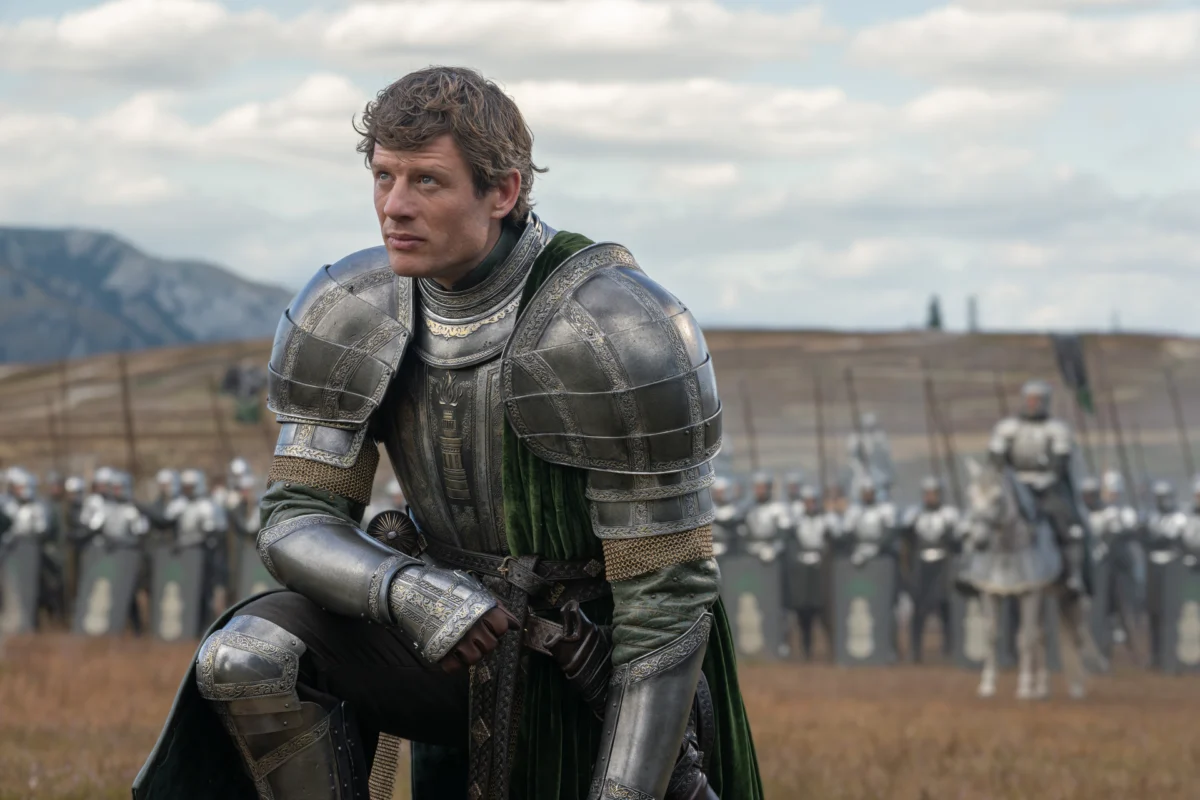
In the high-stakes political theater of Westeros, few characters have made as chilling an impression as quickly as Ormund Hightower. Portrayed by acclaimed English actor James Norton, the character has emerged in the third season of HBO’s House of the Dragon as a formidable antagonist—a figure described by his own collaborators as a "bogeyman" and a master manipulator. As the civil war between the Greens and the Blacks intensifies, Ormund’s calculated maneuvers have shifted the tactical landscape, transforming the conflict from a clash of dragons into a grim game of psychological warfare and political entrapment.
The Catalyst of Conflict: Unmasking the Deception
The narrative tension surrounding Ormund reached a boiling point in "Tumbleton," the season’s fourth episode. For weeks, viewers had been kept in the dark regarding the true loyalties and motivations of this new addition to the Hightower faction. However, the revelation that Ormund had orchestrated a elaborate deception—handing over a decoy in place of the true Daeron Targaryen, the youngest son of Alicent Hightower—sent shockwaves through the narrative.
For Rhaenyra Targaryen, the newly crowned queen, this discovery was more than a mere military setback; it was a psychological turning point. As Emma D’Arcy, who portrays Rhaenyra, noted in a behind-the-scenes featurette, the ruse serves as the dawn of a profound paranoia for the queen. "The revelation about Daeron’s true identity and Ormund’s deception marks the start of paranoia for Rhaenyra," D’Arcy explained. "Ormund is a kind of unknowable force. His psychology is very inaccessible. I think he sort of becomes a bogeyman in Rhaenyra’s consciousness, not least because she doesn’t understand his intention."
A Strategic Chessboard: The Siege of Tumbleton
The brilliance of Ormund’s character lies not in brute strength, but in his cold, clinical approach to warfare. Showrunner Ryan Condal highlights the strategic genius—and inherent cruelty—of Ormund’s occupation of Tumbleton. By retreating behind the city’s walls, Ormund has created a "no-win" scenario for Rhaenyra.

"Ormund has done the calculation that, because Tumbleton is loyal to Rhaenyra, if he holes up inside the city walls and keeps his troops in there, she will not be able to burn him out without having to lay waste to an entire city that declared loyalty to her," Condal observed. "That would delegitimize her and make her a monster in the eyes of the realm. That’s what’s so brilliant about Ormund. This guy is a major player on the chess game of this world."
This tactic forces Rhaenyra to confront the moral cost of her conquest. If she chooses to utilize her dragons to end the threat, she risks alienating the very people she seeks to rule. Ormund’s presence, therefore, is not merely a military hurdle; it is a moral trap designed to erode Rhaenyra’s legitimacy from within.
The Puppet Master: James Norton’s Portrayal of Ambition
James Norton, 40, has brought a nuanced, layered performance to the role, imbuing Ormund with a chilling blend of calculated pragmatism and dark ambition. Speaking on the motivations behind his character’s actions, Norton suggests that Ormund’s loyalty to the Hightower line is a thin veil for his own desire for absolute power.
"I guess Ormund could be described as the pushiest of all pushy parents," Norton said with a laugh. "He wants Daeron to be king. And it’s not from a place of pride and love. It’s actually from a place of self-interest, because I think if Ormund can install Daeron as king, he essentially can become king himself. Daeron becomes a puppet king and Ormund becomes the real power behind that. The whole journey of Ormund is one of self-interest and ambition."

This portrayal of a man who views the monarchy as a vessel for his own advancement adds a layer of modern political commentary to the medieval fantasy. Unlike the traditional warriors of the Game of Thrones universe, Ormund operates in the shadows, using bureaucracy, optics, and manipulation to consolidate authority.
The Dysfunctional Bond: Ormund and Daeron
The relationship between Ormund and the young Prince Daeron, played by Benjamin Evan Ainsworth, serves as the emotional dark heart of the season. Executive producer and director Clare Kilner has described the dynamic as "abusive" and "horrible to watch," yet essential for character development.
"Daeron has only known the love that he’s known from Ormund, which isn’t love at all," Kilner noted. "Daeron is in Ormund’s thrall, but doesn’t really understand it or know it. Ormund is a great manipulator, and knows when to give love and when to give punishment. He’s an evil man."
Ainsworth, for his part, provides insight into why Daeron remains under such a toxic influence. In a pivotal moment where Daeron is coerced into committing a violent act against Leo, his fear of disappointing Ormund outweighs his moral compass. "In the moment where Daeron is told he has to kill Leo, he ends up doing it out of fear of Ormund and out of a longing to be seen in good light by Ormund," Ainsworth explained. This cycle of emotional dependency and trauma highlights the predatory nature of Ormund’s leadership style.

Historical and Cultural Underpinnings
Executive producer and writer David Hancock has provided further context for Ormund’s ideological leanings, suggesting that his character is rooted in a fundamentalist interpretation of the Faith of the Seven. Unlike the Targaryens, whose customs are steeped in Valyrian magic and "perverse" traditions, Ormund represents a rigid, traditionalist approach to governance.
"He’s been raised in the light of the Seven, and he’s raising Daeron in the same light—not the corrupted, perverse, Valyrian ways of the foreign Targaryens," Hancock revealed. This creates a fascinating friction. By presenting himself as a champion of "compassionate" justice—even while committing horrific acts—Ormund frames himself as the "righteous" alternative to the Targaryen dynasty. This contrast between his public persona and his private manipulations makes him a uniquely dangerous adversary for Rhaenyra, who is seen by many in the realm as an outsider to the traditional religious structures of Westeros.
The Long-Term Implications for the Realm
As the season progresses, the implications of Ormund’s rise are clear. He is not just a soldier; he is an architect of the new order. His ability to manipulate the optics of the war, his control over a malleable Prince Daeron, and his cold-blooded willingness to sacrifice the lives of commoners in Tumbleton to force a political checkmate demonstrate that he is a character who understands that power is not just taken—it is crafted.
The paranoia he has sown in Rhaenyra is already yielding results. A leader driven by fear and suspicion is more prone to errors, and Ormund is poised to capitalize on every misstep. Whether he can sustain this momentum or if his own hubris will eventually lead to his downfall remains the central question of the latter half of the season.

Conclusion: A New Standard for Antagonists
James Norton’s Ormund Hightower stands as a testament to the evolving nature of the House of the Dragon narrative. By moving away from the purely martial conflicts of earlier seasons and leaning into the psychological, the show has introduced a character who feels both grounded and terrifying. As the war for the Iron Throne reaches its boiling point, Ormund remains a central, enigmatic, and deeply threatening figure—a "bogeyman" whose shadow will undoubtedly loom over the remainder of the series.
For fans eager to continue dissecting the complex machinations of the Greens and the Blacks, the conversation is far from over. From the moral quandaries of the Siege of Tumbleton to the harrowing dynamic between mentor and protégé, the character of Ormund Hightower continues to challenge the definitions of hero and villain in the world of Westeros. As the season marches toward its inevitable, fiery conclusion, one thing is certain: the game has changed, and Ormund is playing to win.
 Siti Muinah
 Nana
Nana
 Asro
Asro
