

Warning: This article contains major spoilers for the Season 1 finale of Peacock’s The Five Star Weekend.
When showrunner Bekah Brunstetter sat down to adapt Elin Hilderbrand’s beloved, bestselling novel The Five Star Weekend for the screen, she faced a classic literary dilemma: how to translate internal prose into the high-stakes, visual language of prestige television. Her most significant departure from the source material involved a carefully guarded secret that, in the original book, remained buried far longer than the television audience would likely tolerate.
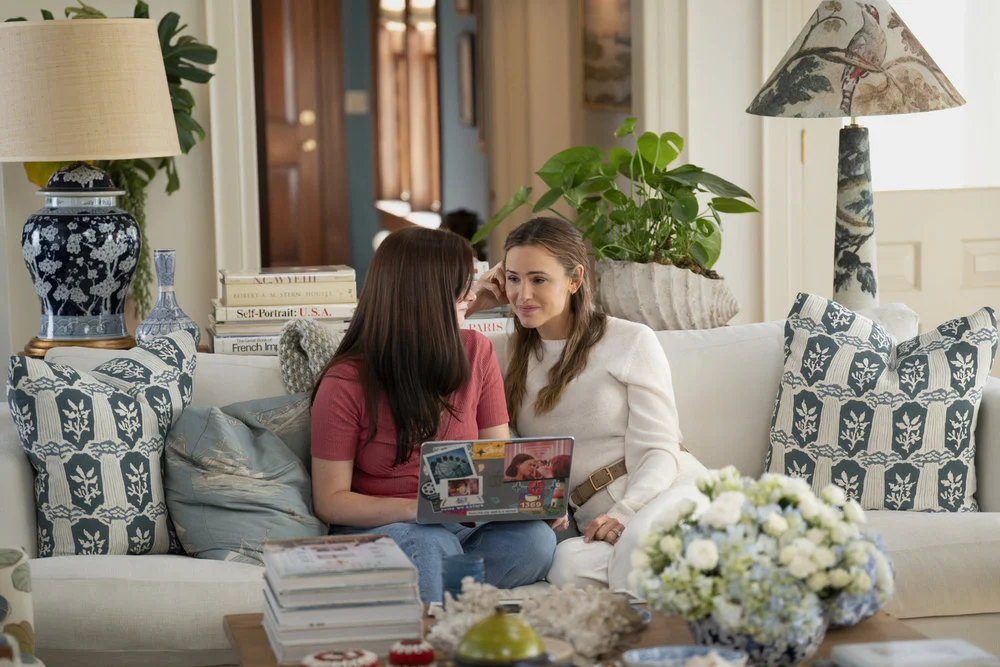
In the series, Jennifer Garner stars as Hollis Shaw, a successful food blogger whose carefully curated life begins to unravel following the sudden death of her husband, Matthew (Josh Hamilton). Seeking solace, Hollis invites four women from different chapters of her life to her Nantucket estate for a weekend of bonding, culinary indulgence, and emotional recovery. The group includes her childhood best friend, Tatum (Chloë Sevigny); her college confidante, Dru-Ann (Regina Hall); her "mom group" anchor, Brooke (D’Arcy Carden); and her estranged daughter, Caroline (Harlow Jane).
However, the guest list harbors a viper. Gigi (Gemma Chan), an Instagram acquaintance and globetrotting pilot, is the "internet friend" invited to round out the group. As the premiere episode reveals, Gigi was not merely an online pen pal; she was the woman with whom Matthew was having an affair—and she was the very person he was driving to see when his fatal accident occurred.

A Shift in Narrative Strategy: From Mystery to Reckoning
In Hilderbrand’s novel, the secret of Gigi’s identity is treated with a slow-burn approach. A "frenemy" character (portrayed on screen by Judy Greer) eventually drops the bombshell in a public setting, prompting a dramatic confrontation. While Hollis learns the truth, she opts not to immediately disclose the full depth of the betrayal to her other guests or her daughter, effectively shielding them from the collateral damage.
Brunstetter, however, determined that such a delay would be fatal to the audience’s patience. By shifting the reveal earlier in the season and tasking Brooke with the initial discovery, the show transformed a passive secret into an active engine of conflict.
"I just felt if no one found out the whole weekend, people would just be throwing things at the TV," Brunstetter explains to Gold Derby. "How annoying would that be? It was a directive in the writers’ room to have the characters find out sooner, and giving Brooke the initial burden of the secret was a delightful concept to me, because she wanted so badly to be liked."
The Chronology of the Reveal
The television adaptation systematically dismantles the secrecy surrounding Gigi’s past. By Episode 7, the pressure cooker reaches its boiling point. Following a scene that mirrors the book’s public exposure, Judy Greer’s character forces the truth into the light in front of Caroline. For the daughter, this is the final blow in a series of revelations about her father’s character.

For the cast, this structural change provided a richer, more volatile landscape to inhabit. D’Arcy Carden, who plays Brooke, notes that the shift fundamentally altered her character’s trajectory. "It was such a fun turn for Brooke because she never expected to discover that," Carden says. "She didn’t want to know about it, and it flips the weekend on its head for her. It was so much fun for me to play that switch in my relationship with Gemma."
Gemma Chan, tasked with portraying the "other woman" without succumbing to two-dimensional tropes, embraced the shift. Instead of spending the series in a state of deception, her version of Gigi is forced to confront the wreckage of her choices. "She has to really deal with people’s reactions, and it’s a real reckoning for her," Chan reflects. "What I find good about the story and the way Gigi has been written is that she’s not villainized. She’s very much a flawed human being who has made mistakes—and there are consequences—but she’s just doing her best."
Emotional Fallout: The Finale’s Denouement
The Season 1 finale serves as the crucible for these narrative changes. In a final, painful conversation between the two women, Hollis learns that Matthew had actually decided to end the affair, suggesting he was on his way to reconcile with his wife when he died. This knowledge provides a sliver of closure, but it does not lead to a tidy, happy ending.
The episode concludes with a firm boundary: Hollis offers forgiveness, but mandates that their relationship—both digital and physical—is effectively over. As Gigi departs the house and the series, she leaves behind a group of women who have been irrevocably changed. While the other characters receive glimpses of their futures, Gigi is left in the rearview mirror, marking a definitive end to her involvement in the group’s narrative.

The "Lost" Scene and the Editing Room
Interestingly, the finale was originally slated to feature an additional, pivotal interaction that might have softened the blow. Both Brunstetter and Chan reveal that a scene was filmed at the Nantucket airport where Gigi and Caroline cross paths.
"There were some parallels to what they both were going through in terms of their feelings of guilt and a little bit of self-loathing," Chan notes. "They’re both at a tricky, messy point in their lives and they really connect over that. And in that scene at the airport, Gigi is actually the reason why Caroline goes back to see her mom."
Ultimately, Brunstetter chose to excise the scene, prioritizing the "simplest, most compelling version" of the story. "We didn’t want this sense that they had forgiven each other and everything’s great," the showrunner notes. "We didn’t want to end with that level of sweetness in our mouths. We wanted to get Gigi out of the way, and then let Hollis stay with her remaining friends and find some healing."
Implications for a Potential Second Season
With the first season now in the rearview, all eyes are on Peacock for a potential renewal. The finale plants the seeds for a recurring series format, with Brooke suggesting Greece as the destination for next year’s "Five Star Weekend."

Brunstetter envisions a modular, anthology-adjacent future for the show. "The way we set up the show is that they could do a million girls’ trips," she says. "That’s our dream. We’ve designed the show so that they could really go anywhere, and we’d be meeting up with them again each year."
The question, of course, remains: What happens to Gigi? When told that her character has been barred from the proposed Greek trip, Chan feigns horror, while Carden jokingly argues for a loophole: "She’s a pilot, so she could show up anywhere!"
Eagle-eyed fans of the original Hilderbrand novel will know that the book’s epilogue features a fantasy-tinged sequence where Gigi is the pilot of the plane carrying the friends back from Italy. This literary Easter egg provides a tantalizing blueprint for a potential Season 2—one where the pilot, the mistress, and the scorned wives are forced into a confined space once more.
"It writes itself," Carden adds with a laugh. "We’ll tell Bekah."

As the production team awaits news from executives, one thing is certain: the success of the adaptation has proven that even when you change the secrets, the core of the story—the messy, complicated nature of female friendship—remains as compelling as ever. Whether or not the group reunites in Greece, or if Gigi finds a way to return to the flight deck, The Five Star Weekend has firmly established itself as a masterclass in modern character-driven drama.
 Nana
Nana
 Asro
Asro
 Ammar Sabilarrohman
