

The National Academy of Television Arts & Sciences (NATAS) has officially set the stage for the 53rd annual Daytime Emmy Awards, initiating a multi-phase announcement process that reflects the shifting landscape of daytime television. As the industry grapples with the rise of streaming, the evolution of talk show formats, and the ambitious return of the broadcast soap opera, these nominations serve as a definitive barometer for the current state of the medium.
The rollout, which began on Monday evening, signals a transition period where legacy icons compete alongside newcomers who are breathing fresh life into the genre. With the nominations being revealed in three distinct waves, the suspense surrounding the 2026 honors is palpable, keeping both industry insiders and dedicated fans at the edge of their seats.
A Chronology of the Nominations: The Three-Wave Reveal
The selection process for the 2026 Daytime Emmys has been meticulously structured to maximize visibility for the various categories.
Wave One: Setting the Tone
The first wave of nominations, unveiled on Monday night, focused on the powerhouse performances that anchor the daytime drama genre and the talk shows that define daily conversation. In a strategic move, the Academy partnered with Entertainment Tonight and Extra to disseminate these announcements. Entertainment Tonight took the lead by revealing the contenders for Best Drama Actress and Best Daytime Talk Series, while Extra followed with the highly anticipated lineups for Best Daytime Talk Series Host and Best Drama Actor. This initial phase immediately sparked discourse regarding the surprising shifts in voter preference, particularly regarding the industry’s newest arrival.

Wave Two: The Spotlight on Daytime Institutions
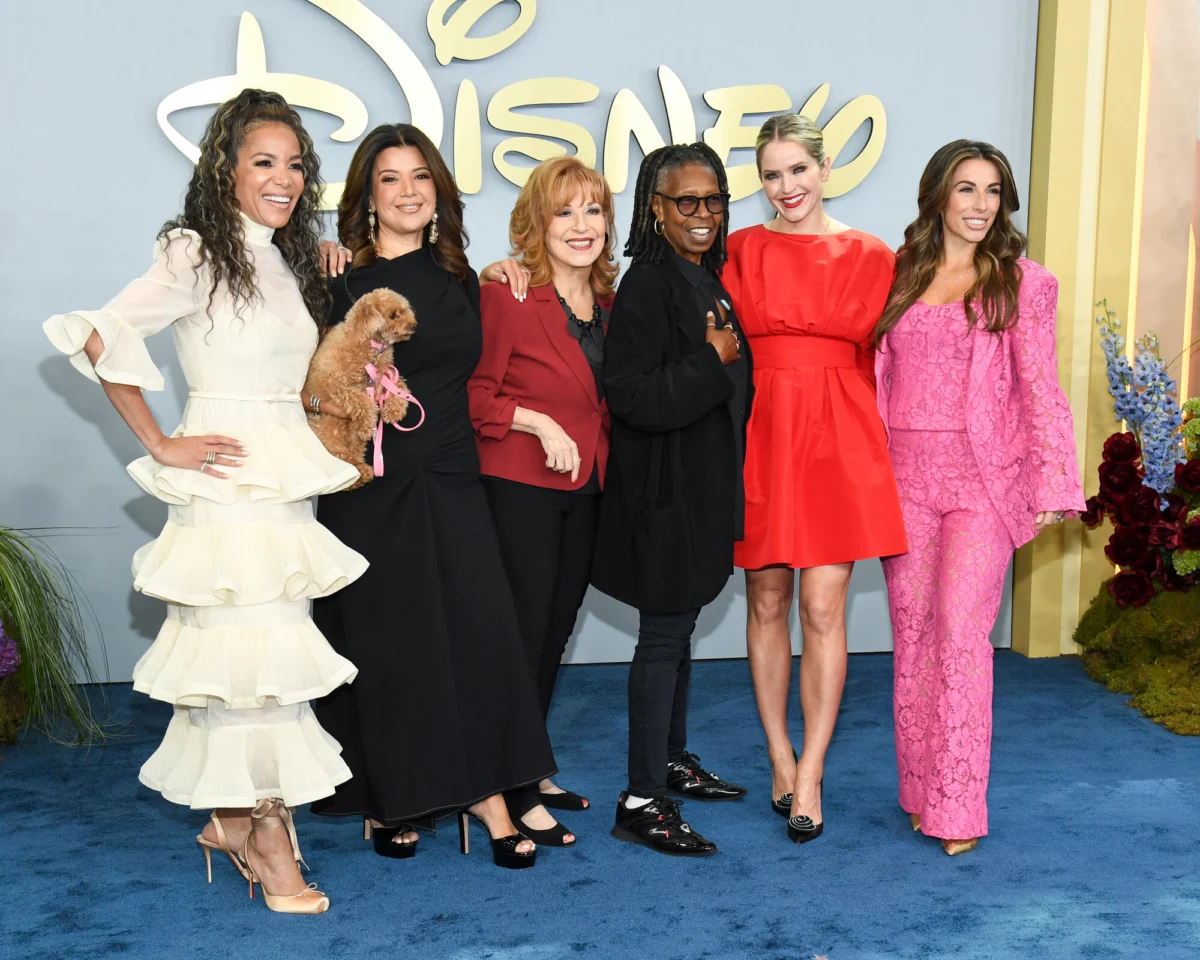
The second wave of announcements occurred on Tuesday morning, hosted by the panel of ABC’s The View. Leveraging their platform, the hosts took turns presenting nominees in three high-stakes categories: Best Daytime Drama Series, Best Entertainment News Series, and Best Daytime Personality (Daily). By utilizing the platform of a major talk show to announce these nominations, the Academy underscored the vital link between talk programming and the broader daytime ecosystem.
Wave Three: The Final Verdict
The remaining technical and craft categories are scheduled for a third and final reveal on Tuesday at 12 p.m. ET/9 a.m. PT. This closing act will solidify the full slate of contenders, setting the table for the final awards ceremony. For those following the race, Gold Derby remains the premier destination for comprehensive analysis, tracking the trends that emerge from these final disclosures.
The Arrival of Beyond the Gates
Perhaps the most significant narrative of the 2026 cycle is the meteoric impact of Beyond the Gates. As the first new broadcast network soap opera to debut in decades, the show carried the weight of industry expectations on its shoulders. It has officially arrived on the Emmy stage, securing two critical nominations for Best Lead Actress.
Tamara Tunie, portraying Anita Williams Dupree, and Karla Mosley, as Dani Dupree, have both earned nods for their performances. Their inclusion is a validation of the show’s creative direction and serves as a clarion call that the traditional soap opera format remains a viable and potent platform for high-caliber acting.

However, the nomination process was not without its controversies. In a development that has sent shockwaves through the fan community, Clifton Davis—the leading man of Beyond the Gates—was notably absent from the Best Lead Actor category. This "snub" has become a central topic of debate, particularly when contrasted with the Academy’s continued support for established industry veterans like Eric Braeden (The Young and the Restless) and Steve Burton (General Hospital).
Supporting Data: A Breakdown of the Contenders
The competition in the acting categories remains fierce, blending familiar faces with fresh energy. The following list highlights the primary contenders vying for gold in the major categories:
Best Lead Actress in a Daytime Drama Series
- Stacy Haiduk (Days of Our Lives) – As the long-tenured Kristen DiMera, Haiduk continues to be a staple of excellence.
- Karla Mosley (Beyond the Gates) – Representing the next generation of leading women.
- Michelle Stafford (The Young and the Restless) – A perennial powerhouse as Phyllis Summers.
- Heather Tom (The Bold and the Beautiful) – A master of the craft who consistently delivers top-tier performances.
- Tamara Tunie (Beyond the Gates) – Proving that the newcomer is a formidable force.
Best Lead Actor in a Daytime Drama Series
- Eric Braeden (The Young and the Restless) – The indomitable Victor Newman.
- Steve Burton (General Hospital) – A fan-favorite whose return to the show has been a ratings driver.
- Scott Clifton (The Bold and the Beautiful) – Known for his nuanced portrayals.
- Thorsten Kaye (The Bold and the Beautiful) – A cornerstone of the current landscape.
- Christian Jules LeBlanc (The Young and the Restless) – A veteran who remains at the top of his game.
The Landscape of Talk
In the realm of daytime talk, the diversity of formats continues to grow. The nominees for Best Daytime Talk Series include the 3rd Hour of Today, The Drew Barrymore Show, The Kelly Clarkson Show, Today With Jenna & Friends, The View, and the reigning champion, Live With Kelly and Mark.
The Best Daytime Talk Series Host category is equally stacked, featuring a mix of ensemble chemistry and solo charisma:

- The View (Joy Behar, Whoopi Goldberg, Alyssa Farah Griffin, Sara Haines, Sunny Hostin, and Ana Navarro)
- Kelly Clarkson (The Kelly Clarkson Show)
- Tamron Hall (Tamron Hall)
- Jennifer Hudson (The Jennifer Hudson Show)
- Sherri Shepherd (Sherri)
Official Responses and Industry Sentiment
The announcement of the nominations has triggered a flurry of activity from the networks and the stars themselves. While the Academy has remained focused on the logistical success of the multi-wave rollout, the networks involved are already leveraging the nominations to bolster their marketing campaigns.
For Beyond the Gates, these nominations are an existential victory. Producers have emphasized that being recognized by the Academy in such a short window of time is a testament to the cast’s dedication and the audience’s hunger for new serialized storytelling. Conversely, the absence of nominations in certain categories for other long-running shows has led to internal reviews of their narrative arcs, with some networks reportedly re-evaluating their submission strategies for the remaining technical awards.
"The goal of these awards is to celebrate excellence," stated a representative for the NATAS during the preliminary announcements. "By highlighting both the legacy shows that have sustained the medium and the new voices attempting to redefine it, we are ensuring that the Daytime Emmys remain relevant in a rapidly changing media environment."
Implications: Where Does Daytime Go From Here?
The 2026 Daytime Emmy nominations carry significant implications for the future of the industry. First, the success of Beyond the Gates suggests that there is still room for growth within the traditional broadcast model, provided the content is compelling enough to capture a modern audience.

Second, the intense competition in the talk show categories illustrates that "daytime" is no longer just a time slot—it is a brand. The success of hosts like Kelly Clarkson and the ensemble of The View demonstrates that audiences are looking for authenticity, relatability, and a sense of community. The Academy’s decision to include a wide range of talk formats—from the news-adjacent 3rd Hour of Today to the personality-driven Jennifer Hudson Show—reflects a broader definition of what qualifies as "daytime entertainment."
Finally, the "snubs" of the season serve as a reminder that the voting body remains traditional in its leanings. The dominance of The Young and the Restless and The Bold and the Beautiful in the acting categories indicates that the industry is still anchored by the giants of the 1980s and 90s. For newer shows to break through, they must do more than just exist; they must disrupt the established order of the voting blocks.
As we look toward the final wave of nominations and the subsequent awards ceremony, the narrative is clear: daytime television is in a state of transition. It is a medium that is honoring its past while desperately searching for its future. Whether the 2026 ceremony will be defined by the victory of the established guard or the arrival of a new era remains to be seen. One thing is certain: the conversation has only just begun. Stay tuned to Gold Derby for the final reveals and the expert analysis that will carry us through to the night of the awards.
 Ammar Sabilarrohman
 Siti Muinah
 Iffa Jayyana
