

The podcasting landscape is currently undergoing a period of rapid professionalization, balancing the excitement of creative experimentation with the stark realities of business risk. As the medium matures, creators and enterprises alike are facing a new set of challenges—ranging from the legal protection of high-end equipment to the changing ways in which audiences consume episodic audio. This report explores the intersection of risk management, industry trends, and the latest developments shaping the audio ecosystem.
The Hidden Risks of Home Studios: Protecting Your Assets
For many independent podcasters and small-scale audio production houses, the "studio" is often located within a residential property. While this offers convenience and cost-efficiency, it introduces a significant, often overlooked vulnerability: insurance coverage gaps.
The "Business Equipment" Trap
A common misconception among creators is that professional recording equipment—microphones, interfaces, high-end laptops, and sound treatment—is fully protected under a standard homeowner’s or renter’s insurance policy. However, insurance adjusters frequently classify any equipment used to generate income as "business property."
In the event of theft, fire, or accidental damage, a standard residential policy may trigger an exclusion clause, leaving the creator responsible for the total loss of their production setup. As the podcasting industry becomes more lucrative, the financial stakes are rising, making it imperative for producers to move away from hobbyist-grade protection toward commercial-grade asset security.
Professional Solutions
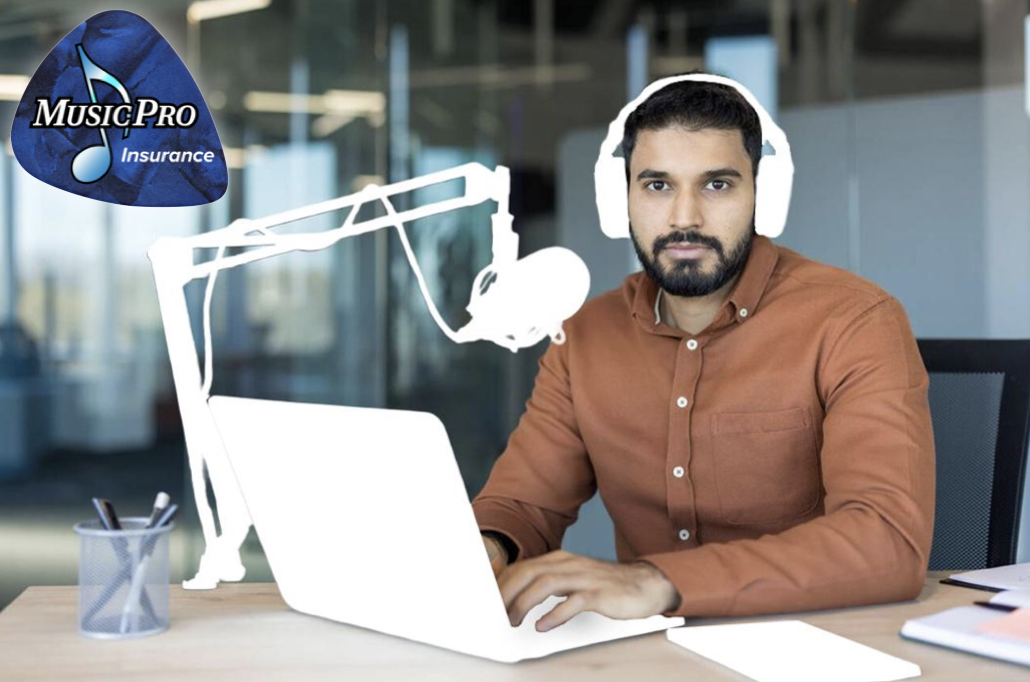
Companies such as MusicPro Insurance—a firm with over two decades of specialized experience—are now stepping in to fill this void. Owned by ASCAP and Sterling Risk, these entities provide tailored coverage for music and AV gear. Industry experts emphasize that "white glove service" in insurance is not merely a marketing term; it is a necessity for those whose livelihoods depend on the uptime of their technical infrastructure. Producers are being urged to audit their insurance portfolios, as the cost of a dedicated policy is negligible compared to the potential loss of a revenue-generating studio.
Chronology: A Week of Shifts in the Audio Space
The industry continues to move at a breakneck pace. Over the past week, several key developments have highlighted the shift from experimental audio to high-value content production.

- Monday: Hypecast officially joined the growing list of industry supporters, signaling a focus on the enterprise sector. The company’s move highlights a trend: the corporate world is increasingly treating podcasting as a primary communication tool rather than an experimental marketing tactic.
- Tuesday: The launch of Better in Person with Stephen Dubner marked a return to intimate, long-form conversation. By recording in his own living room, Dubner is attempting to strip away the "produced" artifice of modern media, focusing instead on raw, human connection.
- Wednesday: PodBiz celebrated its one-year anniversary. The show has become a bellwether for creators trying to navigate the complexities of monetization, providing a retrospective look at the fiscal realities of independent podcasting.
- Thursday: Experimental projects like Perpetual Brew highlighted a growing interest in "sound-rich" audio. By documenting community interactions in public spaces, such projects are challenging the narrative-heavy dominance of standard interview formats.
Supporting Data: The Current Podcast Hierarchy
Data analysis reveals a consistent trend in listener behavior, dominated by established giants and niche, high-engagement topics.
Market Leaders (United States)
- Apple Podcasts: The Daily continues to maintain its stronghold as the most-listened-to show, underscoring the audience’s appetite for consistent, high-quality daily news briefings.
- Spotify: The Joe Rogan Experience retains its position as the number one podcast on the platform, illustrating the massive reach of long-form, personality-driven content.
Emerging Trends in Global Markets
Data from Ireland and the UK indicates interesting shifts in consumer interests:

- Specialized Growth: The podcast MuslimMatters recorded a significant gain in the Irish market, moving to the #2 spot in the religious/spirituality category. This suggests that niche audiences are becoming more sophisticated in their search for community-specific content.
- After-Show Dominance: The success of Love Island: The Debrief in Ireland proves the viability of "companion podcasts," where listeners seek deeper analysis of mainstream television events.
Official Responses and Industry Sentiment
The professionalization of the industry is not just about equipment; it is about infrastructure. The involvement of platforms like Airwave and Hypecast indicates a broader industry push toward providing enterprise-level tools for creators.
"We are moving past the era of the ‘garage producer,’" says an industry analyst. "Today, the successful podcaster is a business owner, a marketing executive, and a content strategist. Their support systems—from insurance providers to distribution platforms—must reflect that reality."

Furthermore, creators are increasingly looking for platforms that prioritize "public space" audio. Shows like Perpetual Brew, which utilize non-narrated, sound-rich audio, represent a growing movement to reconnect podcasting with real-world, physical environments rather than strictly digital ones.
Implications: The Road Ahead
The implications for the future of the industry are threefold:

1. The Professionalization of Content
As corporate entities enter the space, the "production value" bar is being raised. Independent creators who wish to compete must ensure their audio quality and distribution strategies are as robust as those of institutional players. This includes legal and financial safeguards, such as proper insurance and enterprise-grade hosting.
2. The Rise of "Intimate" Audio
Despite the push for high production value, there is a counter-trend toward authenticity. The success of home-recorded series like Better in Person proves that audiences are craving intimacy. Future success will likely be found at the intersection of high-quality technical production and raw, unfiltered human connection.

3. Monetization Maturity
As seen in the one-year anniversary reflections of PodBiz, creators are becoming more realistic about their revenue streams. The industry is moving away from the "get rich quick" mentality toward sustainable, long-term business modeling. This involves diversifying income sources, such as live events, niche subscriptions, and corporate consulting—a model supported by companies like Hypecast.
Final Thoughts
The podcasting industry is no longer a fringe medium; it is a cornerstone of the modern information and entertainment economy. Whether it is a solo creator recording a documentary in a park or an enterprise executive crafting a corporate brand story, the requirements for success remain the same: mitigate your risks, invest in your tools, and, above all, respect the listener’s time by delivering content that offers genuine value.

As we look toward the remainder of 2026, the key to survival will be adaptability. The gear may be insured, the numbers may be tracked, but the soul of the medium remains in the conversation. By staying informed and properly protected, the next generation of podcasters can ensure that their voices not only reach their audience but sustain their business for years to come.
 Nila Kartika Wati
 Nana Wu
 Basiran
