

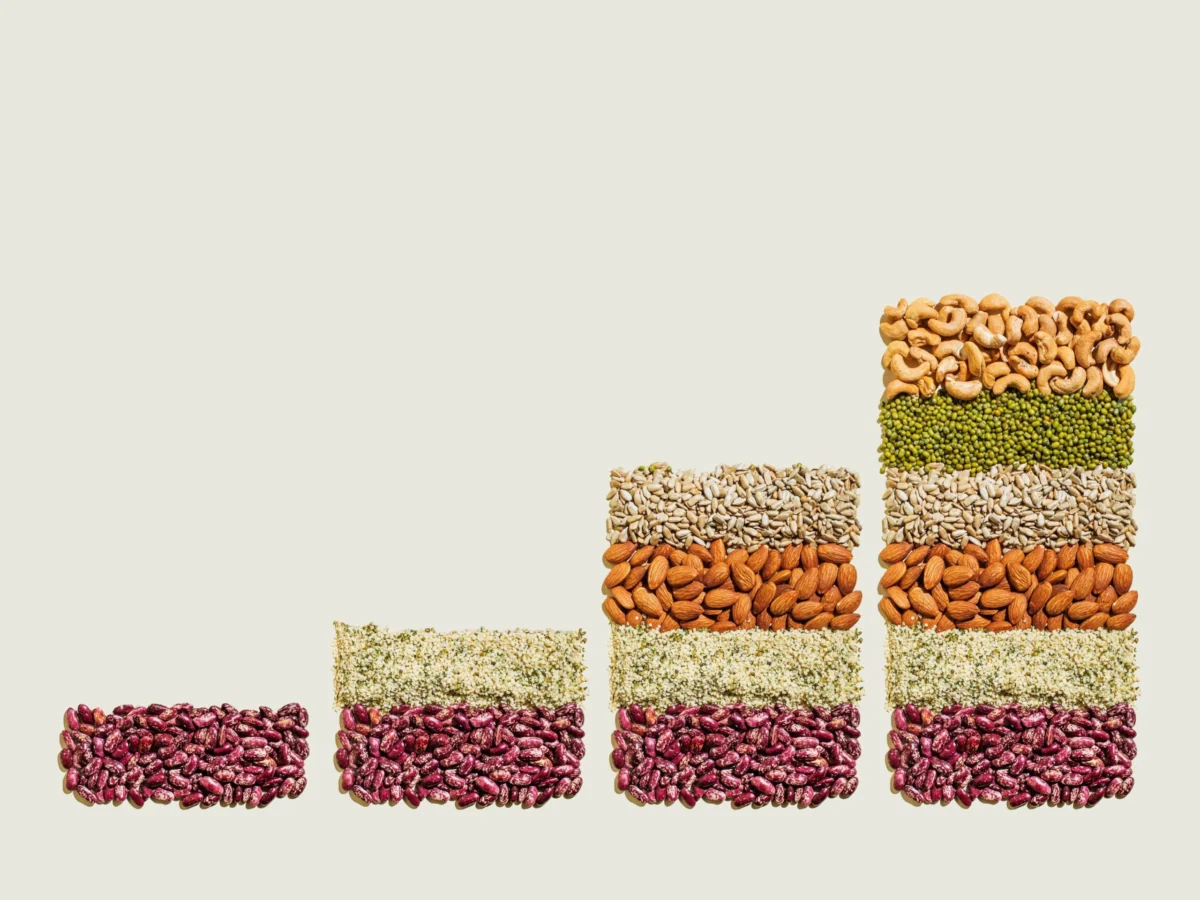
In the landscape of modern wellness trends, "fibermaxxing" has emerged as the latest movement encouraging individuals to aggressively prioritize a nutrient that has been chronically neglected in the Standard American Diet. While the health benefits of fiber—ranging from improved glycemic control to a reduced risk of cardiovascular disease—are supported by an overwhelming body of clinical evidence, a paradoxical issue has surfaced: the transition to a high-fiber lifestyle often triggers acute gastrointestinal distress.
As social media platforms amplify the virtues of high-fiber intake, many enthusiasts are discovering that their digestive systems are not prepared for the sudden shift. Bloating, painful cramping, and unpredictable gas have become common complaints among those attempting to rapidly overhaul their nutrition. However, experts warn that these symptoms are not a signal to abandon fiber altogether, but rather a sign that the digestive tract requires a more strategic, graduated approach.
The Physiology of Fiber: Why Your Gut Protests
To understand why fiber can cause distress, one must look at the mechanics of human digestion. Unlike proteins, fats, or simple carbohydrates, fiber is largely indigestible by human enzymes. Instead of being absorbed in the small intestine, it travels largely intact to the colon, where it serves as a primary fuel source for the trillions of bacteria residing in the gut microbiome.
When an individual suddenly increases their fiber intake, they are essentially overwhelming the resident microbial population. This sudden influx of substrate leads to rapid fermentation, which produces significant amounts of gas. Furthermore, because fiber absorbs water, a sudden increase without adequate hydration can cause the stool to become bulky and rigid, leading to the very constipation it was intended to resolve.
"Even with fiber becoming a growing trend, people still greatly underestimate its importance and, also, just how many ways it benefits the human body," says Desiree Nielsen, RD, a registered dietitian specializing in plant-based nutrition. Beyond its role in regularity, fiber acts as a stabilizer for blood sugar, a modulator for LDL cholesterol, and a foundational element for long-term gut health. Yet, the transition period remains a significant barrier for many.
Clinical Observations: The "Too Much, Too Soon" Syndrome
Gastroenterologists frequently encounter patients who have attempted to improve their health only to end up in the clinic with severe abdominal discomfort. Dr. Lisa Ganjhu, a gastroenterologist at NYU Langone Health, notes that this is a classic "overload" scenario.
"I have a lot of patients that will say, ‘I ate more fiber, and now I’m really bloated and crampy,’" Dr. Ganjhu explains. She emphasizes that the gut is a muscular organ that requires acclimation. Much like a muscle that has been sedentary for months, the digestive tract cannot be expected to perform at a high-intensity level without a period of conditioning. This has led experts to champion the concept of "fiber training"—a methodical, incremental strategy to build digestive tolerance.
The Chronology of Digestive Adaptation
The journey to a high-fiber diet is not a sprint; it is a marathon of biological adjustment. The process of fiber training follows a specific, logical progression:
- The Baseline Assessment: Before increasing intake, individuals must identify their current average daily consumption. Most Americans consume less than half of the recommended daily intake.
- The Initial Micro-Dose (Days 1–7): Experts suggest adding only 3 to 5 grams of fiber at a time. During this phase, the goal is to introduce the body to new substrates without triggering a systemic revolt.
- The Monitoring Phase: For a full week, the individual consumes the same fiber source to gauge their body’s specific response. If symptoms such as bloating or cramping are absent, they may proceed.
- The Incremental Step-Up: Once the initial dose is tolerated, the individual adds another 3 to 5-gram increment.
- The Maintenance Phase: This continues until the individual reaches the federal guidelines of 25–28 grams per day, depending on age and sex.
Supporting Data: Understanding Your Requirements
According to the Dietary Guidelines for Americans, 2020-2025, fiber requirements are tiered by age and gender, providing a roadmap for health:
- Women (19–30): 28 grams daily
- Women (31–50): 25 grams daily
- Women (51+): 22 grams daily
While these represent the baseline, many researchers argue that higher intakes are associated with even greater longevity benefits. However, reaching these targets without proper "training" often results in the "bottleneck" effect, as described by Nielsen. When the system is already sluggish, adding excessive fiber is akin to forcing too much traffic through a narrow highway, leading to a total stall in digestive motility.
Strategic Implementation: How to Train
Fiber training is highly individualized. To successfully navigate the transition, consider the following evidence-based strategies:
1. Choose Low-FODMAP Sources Initially
For those with sensitive systems or existing constipation, starting with high-FODMAP foods (certain fermentable carbohydrates) can exacerbate bloating. Instead, prioritize low-FODMAP fiber sources. Kiwis, for instance, have been clinically studied as a natural, gentle remedy for constipation. Similarly, psyllium husk supplements—such as Metamucil—are often tolerated better than dietary fiber because they provide a consistent, non-fermenting bulk that is less irritating to the colonic lining.
2. The Hydration Mandate
Fiber is chemically dependent on water to function. Without sufficient fluid intake, fiber can have a paradoxical effect, hardening stool rather than softening it. While the "eight glasses a day" rule is often cited as a myth, the reality is that water intake must scale in proportion to fiber intake. If you are increasing your fiber, you must consciously increase your water consumption to ensure the material moves smoothly through the intestinal tract.
3. Consistency Over Intensity
The most common mistake is the "all-or-nothing" approach. Eating a massive kale salad one day and returning to processed foods the next does not give the gut microbiome the stability it needs to diversify and adapt. Consistent, daily intake of the same fiber source for at least five to seven days is essential for building "colonic fitness."
The Implications for Long-Term Health
The implications of successful fiber training extend far beyond the absence of bloating. A well-trained gut that can process high-fiber foods is a gateway to systemic health.
- Metabolic Health: High-fiber diets are instrumental in managing insulin sensitivity. By slowing the absorption of glucose, fiber prevents the sharp spikes and crashes in blood sugar that lead to metabolic fatigue.
- Cardiovascular Protection: Soluble fiber acts as a scavenger in the bloodstream, binding to bile acids—which are made from cholesterol—and carrying them out of the body, effectively lowering systemic cholesterol levels.
- Microbiome Diversity: A diverse diet rich in varied fibers (from legumes, fruits, vegetables, and grains) fosters a robust gut microbiome. A healthy microbiome is increasingly linked to immune function, cognitive health, and even mood regulation via the gut-brain axis.
Expert Consensus: Listening to the Body
Ultimately, the shift toward a high-fiber lifestyle requires a shift in mindset. It is not about "winning" the diet by hitting a gram count as quickly as possible; it is about cultivating a sustainable relationship with your digestive system.
"You have to follow your symptoms and go slow," says Dr. Ganjhu. This advice serves as the cornerstone of any successful nutrition program. If you experience discomfort, it is not a sign of failure—it is a data point. It indicates that you have exceeded the current capacity of your "colonic muscles." By scaling back, hydrating, and proceeding with a more conservative approach, you can eventually reach your nutritional goals without the agony of the "awkward stage."
In the era of rapid-fire health advice, fiber training stands out as a patient, evidence-based approach to wellness. By treating your digestive tract with the same respect you would treat any other part of your body during physical training, you ensure that the benefits of fiber remain a sustainable, long-term asset to your health rather than a temporary source of distress.
 Asro
Asro
 Suro Senen
