

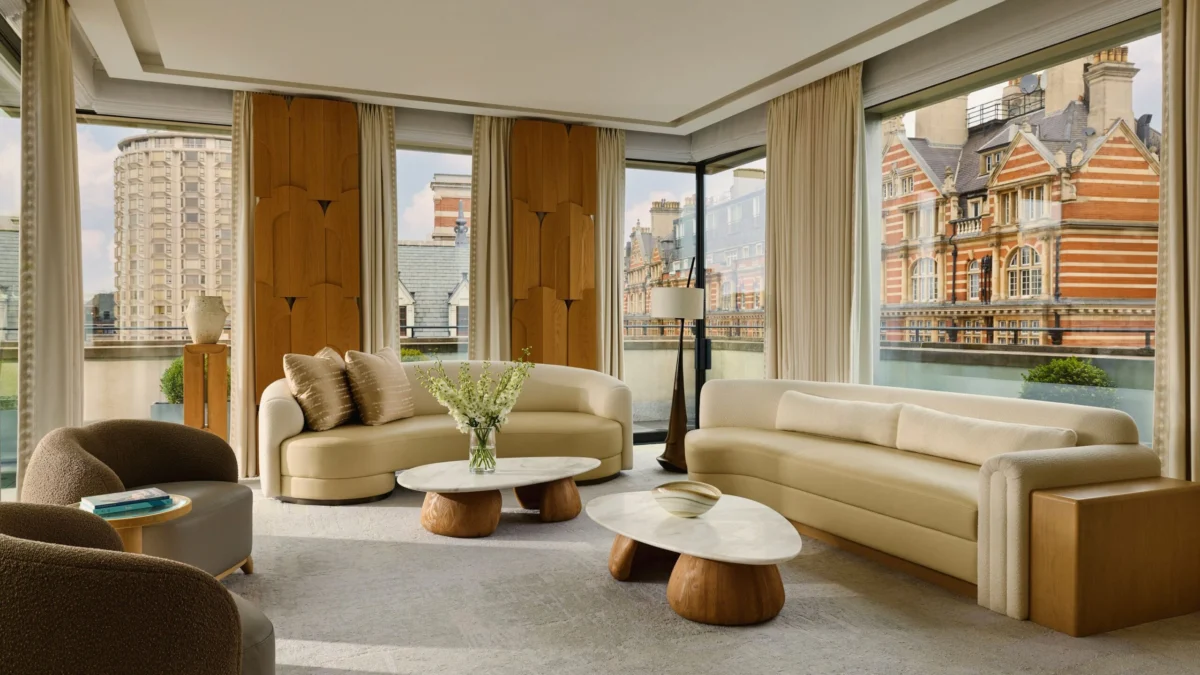
Selecting the "best" hotel in London is a task that defies simple categorization. It is a pursuit as complex as it is subjective—a riddle of geography, architectural history, and evolving service standards that shift with the city’s own pulse. With a hospitality landscape that boasted over 3,000 unique properties as of 2026, the sheer volume of choice is enough to overwhelm even the most seasoned traveler. Yet, for those seeking the quintessential London experience, the challenge is not just in finding a room, but in uncovering a property that acts as a gateway to the city’s storied culture.
The State of the Market: A City in Constant Flux
London’s hotel sector is currently undergoing a renaissance, characterized by a transition from traditional grand dame hotels to a hybrid model that emphasizes hyper-personalized service and modern, tech-forward sustainability. The city’s hospitality ecosystem is dynamic; it is a living entity that constantly renovates its identity.
As we move through 2026 and beyond, the pipeline of new openings continues to reflect a desire for historical reclamation. Major projects such as the highly anticipated Waldorf Astoria London Admiralty Arch and the Auberge Collection’s Cambridge House represent a trend of transforming iconic, heritage-listed buildings into ultra-luxury sanctuaries. These properties are not merely places to sleep; they are structural statements that anchor themselves in the heart of the capital’s administrative and social hubs.
The editorial team at Condé Nast Traveler, bolstered by a local presence in the British capital, maintains an exhaustive, living archive of these developments. From the intimate, thread-count-obsessed boutique addresses in Marylebone to the expansive, high-octane service suites of Knightsbridge, every opening is subject to rigorous inspection.
A Chronology of London Hospitality: From Heritage to Innovation
The history of the London hotel is a narrative of social evolution. To understand the current landscape, one must view it through a chronological lens:
- The Era of the Grand Dame (1880s–1920s): This period birthed the legendary institutions like The Savoy and Claridge’s. These properties were designed to cater to the aristocratic elite and the emerging global aristocracy of industry. They established the "London Standard"—afternoon tea rituals, uniformed doormen, and the concept of the lobby as a theater for social performance.
- The Mid-Century Modernization (1950s–1990s): Following the post-war recovery, London hotels began integrating international standards of convenience. This era saw the rise of global chains in the city, introducing air conditioning, standardized plumbing, and the business-traveler-focused executive lounge.
- The Boutique Revolution (2000s–2015): The turn of the millennium shifted the focus toward design-led experiences. Hoteliers began prioritizing "personality" over pure opulence, leading to the birth of the design hotel where local art, curated soundtracks, and residential-style interiors became the gold standard.
- The Age of the "Urban Resort" (2016–Present): Today’s hotels have become all-encompassing destinations. The current market, exemplified by the Raffles London at the OWO or The Peninsula London, treats the hotel as an urban resort. These properties feature extensive subterranean wellness facilities, celebrity-chef-led restaurants, and residential components that cater to long-stay, high-net-worth individuals.
Data-Driven Decisions: How We Rate the Experience
When evaluating these thousands of options, our methodology moves beyond superficial aesthetics. We employ a multi-variable matrix to ensure that our recommendations provide tangible value to the reader.
1. The Proximity Factor
Location remains the primary driver of hotel selection. Our data suggests that travelers prioritize "walkability to primary cultural anchors." For instance, proximity to the museum quarter in South Kensington or the shopping corridors of New Bond Street is often the deciding factor in our rankings. The Mandarin Oriental Hyde Park consistently scores high in this metric due to its immediate access to both the green lung of Hyde Park and the commercial density of Knightsbridge.
2. Service Archetypes
Service is no longer a monolith. We categorize service into three distinct buckets:
- Predictive: Where staff anticipate needs before they are voiced (e.g., Claridge’s).
- Experiential: Where staff act as local guides, curating bespoke city experiences.
- Discreet: Where the goal is to provide a "home away from home" experience with minimal friction.
3. Sustainability and Governance
Modern travelers are increasingly scrutinizing the "green credentials" of their temporary homes. We now weight energy-efficient infrastructure, waste reduction programs, and locally sourced supply chains as heavily as interior design. Properties that fail to demonstrate a path toward carbon neutrality are seeing a decline in our long-term outlooks.
Official Perspectives: The Philosophy of Luxury
Industry leaders often emphasize that the future of London luxury lies in the "human touch." In an age of AI-driven booking systems and digital check-ins, the most successful hotels are those that double down on the emotional connection.
"The best hotel in London is the one that knows you before you arrive," notes a representative from a leading luxury hospitality group. This sentiment echoes throughout our research. Whether it is the personalized, chocolate-sprinkled babyccinos at The Dorchester or the monogrammed pillows for children at the Rosewood, the winning formula is one of hyper-customization.
The Implications of a Crowded Market
What does the influx of new luxury properties mean for the average traveler?
Increased Price Competitiveness: While the entry price for five-star stays in London remains high, the density of luxury options is forcing a "service arms race." Hotels must constantly innovate their food and beverage offerings, spa menus, and cultural programming to remain relevant.
The Rise of the "Destination Restaurant": A significant implication of the modern London hotel boom is that the hotel restaurant is no longer a secondary afterthought. Many of London’s most sought-after dining tables are now located within hotel lobbies. The Savoy and The Peninsula have turned their tea rooms and dining halls into cultural venues that attract locals as much as guests, effectively blurring the lines between the city and the hotel.
Neighborhood Gentrification: High-end hotel developments often act as catalysts for neighborhood change. The development of areas like Whitehall—previously the domain of government offices—has been transformed by the opening of Raffles at the OWO, bringing a new wave of high-end retail and dining to a previously sterile zone.
Frequently Asked Questions (FAQ)
Which London area is best for a first-time visitor?
For those keen to be in the center of the action, Mayfair and St. James are unparalleled. They offer proximity to Buckingham Palace, Piccadilly Circus, and the city’s best retail. Claridge’s remains the benchmark for this area.
How do I choose a hotel for the festive season?
London at Christmas is a sensory experience. If you are traveling in December, prioritize hotels that invest heavily in festive decor and programming. The Ritz is world-renowned for its Christmas aesthetics, while Raffles London offers the necessary square footage for families to congregate comfortably during the holidays.
Are luxury hotels in London child-friendly?
Surprisingly, yes. The modern London luxury scene has moved away from the "children should be seen and not heard" philosophy. Properties like the Rosewood and The Dorchester have dedicated programming for younger guests, ranging from personalized amenities to bespoke activities that keep children engaged without disrupting the adult experience.
What is the best way to book?
While third-party aggregators offer convenience, we recommend booking directly or through a luxury travel advisor. Direct bookings often allow for better communication regarding dietary requirements, room preferences, and special occasions, which are the hallmarks of a five-star stay in London.
Conclusion
London’s hotel landscape is a testament to the city’s endurance. It is a sector that honors the past while aggressively pursuing the future. As new, massive properties like the Waldorf Astoria prepare to join the fray, the standard for what defines "the best" will continue to shift. For the traveler, this means that the options are not only endless—they are arguably the most sophisticated they have ever been. Whether you seek the history of the Edwardian era or the sleek efficiency of the mid-2020s, London’s hospitality industry remains the city’s most reliable storyteller.
 Lina Hope
 rifanmuazin
 Layla Zulfa
