

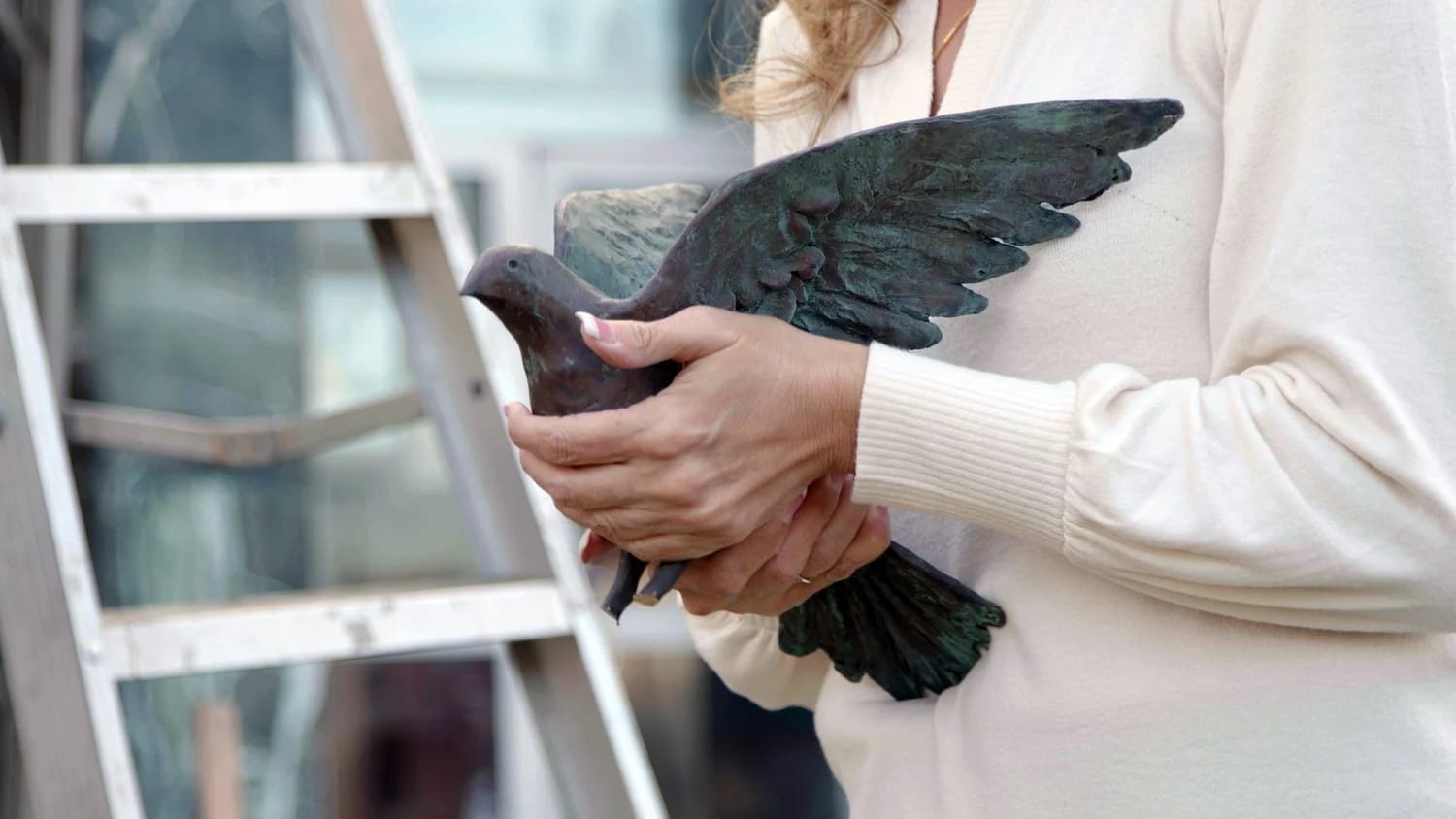
Outside the Santa Ana Public Library in California, a bronze figure once stood in silent vigil—a man clutching a book in one arm, with a dove frozen in the act of taking flight from the other. This statue, commissioned in 1994, was a tribute to Alex Odeh, a Palestinian-American poet, scholar, and civil rights advocate whose life was cut short by a 1985 assassination. Today, that statue is a site of layered memory, scarred by cycles of vandalism and theft. However, in a transformative act of artistic reclamation, artist Jon Rubin has "set the dove free," turning a static memorial into a kinetic, participatory project that is currently traveling the globe.
The Life and Legacy of Alex Odeh
Alex Odeh was more than a regional activist; he was a bridge-builder. As the West Coast regional director of the American-Arab Anti-Discrimination Committee (ADC), Odeh dedicated his life to countering stereotypes and advocating for civil liberties. On October 11, 1985, an explosion at the ADC’s Santa Ana office claimed his life. The bombing, widely attributed to extremist factions, remains a dark chapter in American civil rights history—a stark reminder of the domestic anti-Arab violence that often goes overlooked in mainstream historical narratives.

In 1994, artist Khalil Bendib created the bronze memorial to ensure Odeh’s legacy would remain visible. Yet, the statue became a lightning rod for the very intolerance Odeh fought against. It was defaced with red paint in 1996 and again in 1997. In 2020, the bronze dove—the universal emblem of peace—was stolen, leaving the figure’s hand empty. While the piece was eventually recovered, its history of trauma became an integral part of its identity.
Chronology of a Memorial in Motion
Jon Rubin’s intervention, The Dove, marks a radical shift in how we commemorate the fallen. Rather than restoring the bird to its bronze perch, Rubin has treated the object as a nomadic witness.
- 1985: Alex Odeh is assassinated in a bombing at the ADC office in Santa Ana.
- 1994: Khalil Bendib installs the bronze memorial statue.
- 1996–1997: The statue is targeted twice by acts of vandalism involving red paint.
- 2020: The bronze dove is stolen, prompting a public outcry and eventual recovery of the artifact.
- 2025–2026: Artist Jon Rubin initiates a world tour of the detached dove, facilitating community gatherings and dialogues in Los Angeles, the Bay Area, and Pittsburgh.
- Future: The project aims to transport the dove to Jifna, Palestine, Odeh’s birthplace, before the object eventually returns to its original base.
The Participatory Turn: Art as Shared Experience
Rubin’s project challenges the traditional sanctity of the monument. By taking the dove on a "world tour," he transforms a static, localized object into a living, participatory artwork. This past weekend, the dove arrived in Los Angeles, serving as the focal point for an evening of music, poetry, and communal dining. These gatherings are not merely commemorative; they are active spaces for discussing the history of anti-Arab violence and the contemporary efforts to end the occupation and humanitarian crisis in Palestine.
As Patrick Guetta, featured in this week’s A View From the Easel, famously noted, "One of my favorite museums is the street." Rubin’s work embodies this philosophy. By removing the dove from its plinth, he invites the public to engage with the object at eye level, stripping away the pedestal’s authority to create a more intimate, vulnerable, and accessible dialogue about peace.
Supporting Data and Broader Cultural Context
The significance of Rubin’s project cannot be overstated, particularly within the current cultural landscape where the repatriation of artifacts and the decolonization of memorials have taken center stage.
In our recent coverage, we have tracked the increasing scrutiny of museum collections and public monuments. For instance, the Manhattan District Attorney’s Office recently facilitated the return of several antiquities to Mexico. While our initial reporting suggested three of these items originated from the Metropolitan Museum of Art, subsequent verification confirmed that only one was held there. This correction underscores the complexity of provenance and the necessity for transparency in institutional holdings.

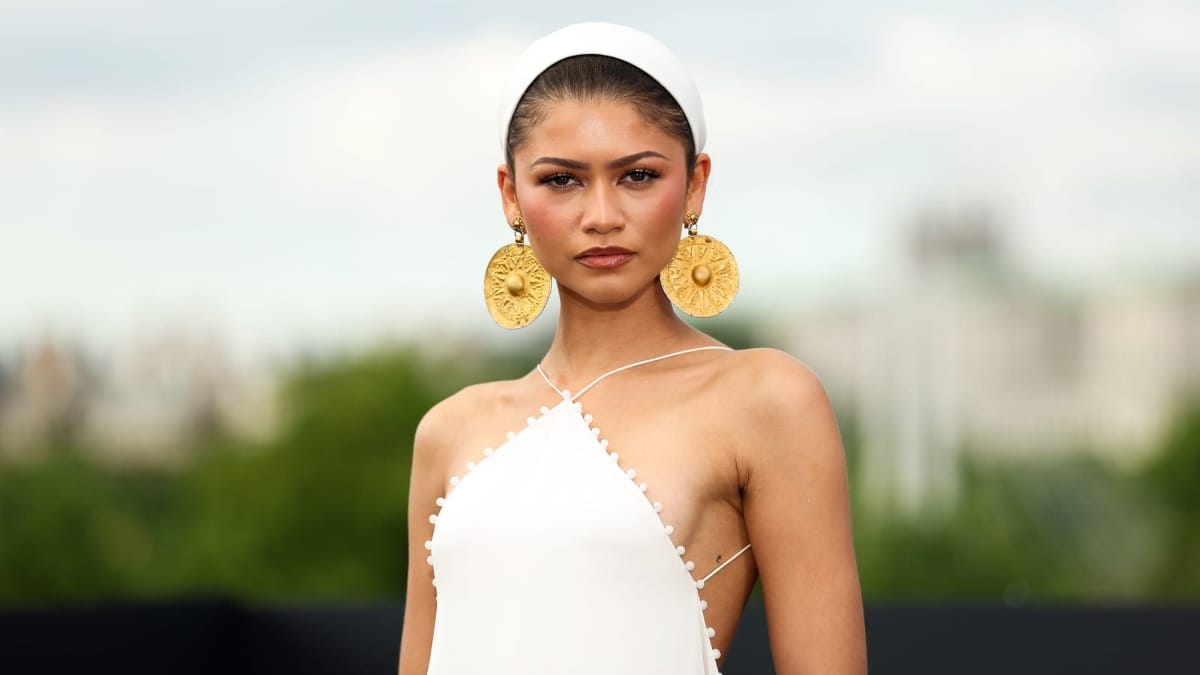
Furthermore, the intersection of pop culture and historical artifacts has ignited fierce debate. The recent instance of Zendaya appearing at a movie premiere adorned in 3,000-year-old Iranian jewelry sparked significant discourse. While some view such appearances as cultural appreciation, critics argue that wearing sensitive, ancient, and often contested antiquities as fashion accessories points to a deeper "out-of-touch" celebrity culture that fails to acknowledge the geopolitical weight of the items they carry.
Official Responses and Institutional Roles
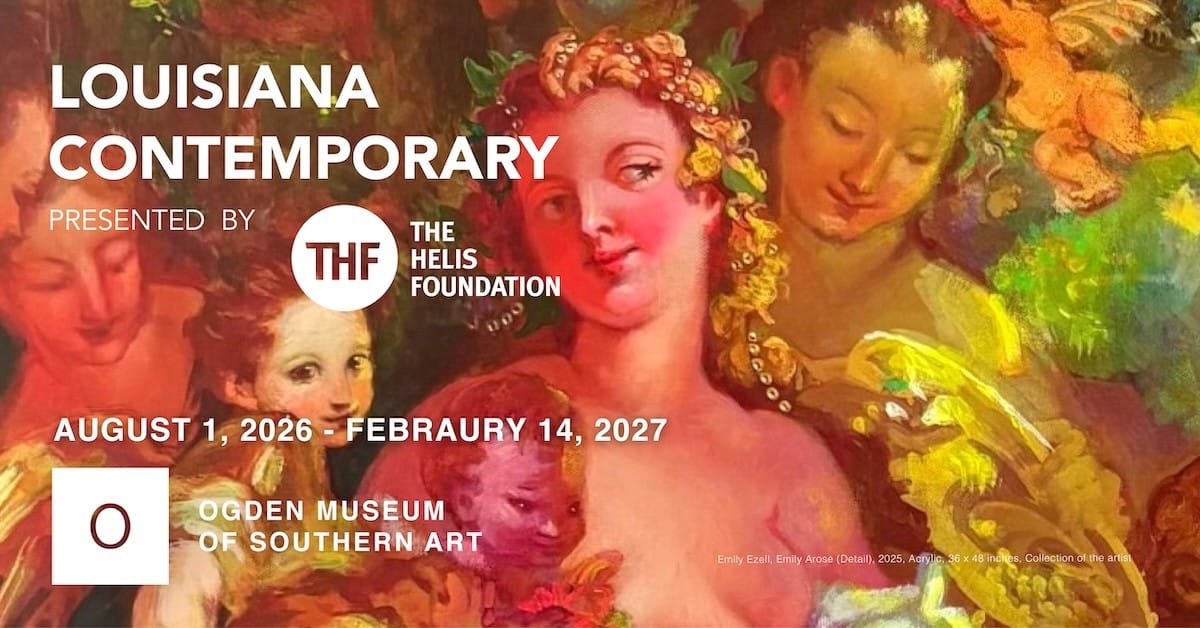
Artistic institutions continue to play a pivotal role in these conversations. The Louisiana Contemporary 2026 exhibition, presented by The Helis Foundation, recently announced the selection of 50 works by 45 artists, curated by Sarah Jones of the Metropolitan Museum of Art. Such exhibitions serve to highlight the vitality of contemporary practice, even as the art world grapples with its historical responsibilities.
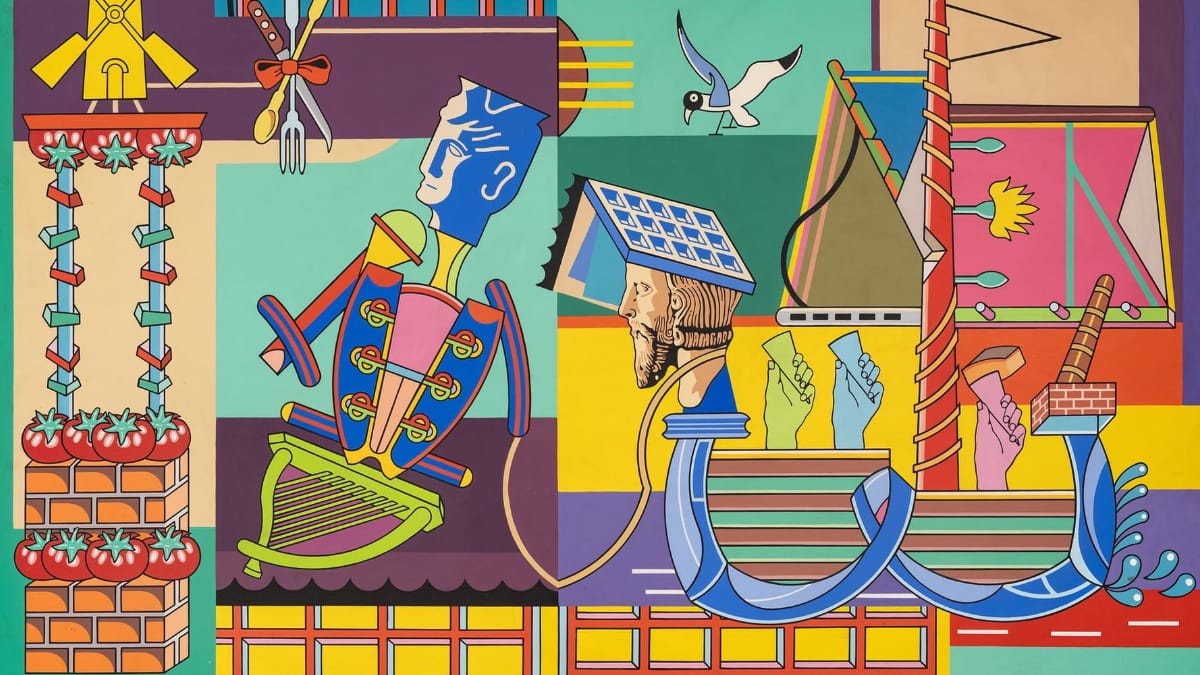
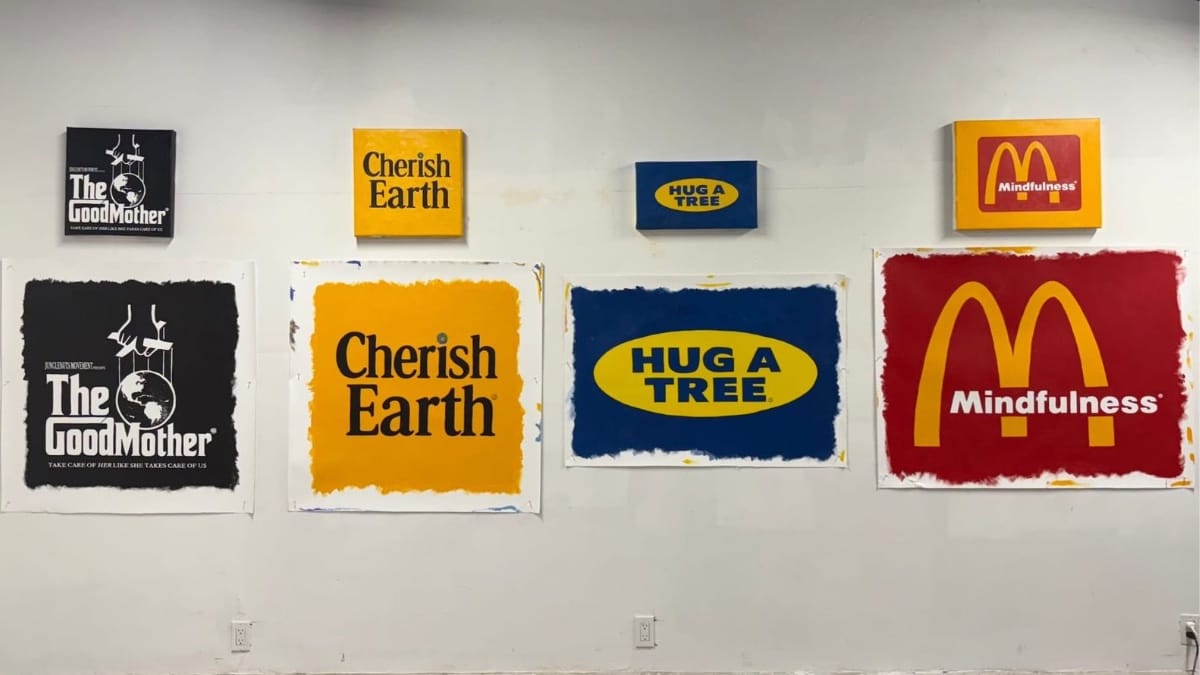
The tension between the "cheerfully sinister" aesthetics of artists like Trevor Winkfield and the heavy political realities of memorials like Rubin’s demonstrates the breadth of the current art historical moment. Whether through the surrealist playfulness of painting or the heavy, tactile reality of a stolen bronze dove, art remains the primary medium through which society negotiates its collective memory.
Implications for Future Memorialization
What does it mean for a monument to travel? Jon Rubin’s project suggests that true remembrance is not found in the permanence of bronze, but in the continuity of conversation. By centering the dove as a nomadic messenger, the project creates a "quiet prayer for peace" that transcends the physical limitations of a library lawn in California.
The implications for future public art are profound. If we shift our focus from "fixing" damaged monuments to "evolving" them, we allow for a more honest engagement with the violence that necessitates these memorials in the first place. The story of Alex Odeh, once silenced by a bomb and later obscured by vandalism, is now being told through movement and community interaction.
As the dove prepares to travel to the Bay Area and Pittsburgh—and potentially to Jifna—it carries with it the hope that art can function as a bridge across geopolitical divides. In an era marked by deep division, Rubin’s project offers a blueprint for how we might reclaim the public sphere, turning spaces of conflict into forums for connection.
Ultimately, the goal is not merely to return the dove to its perch, but to ensure that the peace it symbolizes is no longer a static, singular object, but a living, shared commitment. The journey of the dove is a testament to the fact that while history can be vandalized, it cannot be erased so long as there are those willing to carry its weight into the world.
 Sagoh
Sagoh
 Muslim
 Dwi Wanna
