

Platforming video games have long held a sacred, foundational place in the interactive entertainment medium. Since the groundbreaking success of titles like Nintendo’s Super Mario Bros., the genre has embodied a universal escapism—a pure, unadulterated joy derived from running, timing jumps, and conquering colorful obstacles. Characterized by vibrant aesthetics, creative art styles, and fundamentally simple controls, platformers have rightfully earned their reputation as the ultimate gaming comfort food. They invite players of all skill levels into predictable, joyful loops of trial and error where progress feels tangible and rewarding.
However, not every bite of this nostalgic comfort food is sweet. Beneath the bright colors and cheerful soundtracks of classic platforming design lies a sub-genre of titles that are downright sadistic. These games present the same basic premise of leaps and bounds, but they amplify the difficulty, hazards, and mechanical precision requirements to an almost impossible degree. In these environments, a single miscalculated frame means certain doom, subverting the innocent expectations of players who assumed jumping on blocks would be a relaxing endeavor.
Once the initial shock of their brutality wears off, however, a unique psychological shift occurs: players are driven harder than ever to conquer them. Below, we examine five of the most punishing, unforgiving platformers in gaming history, analyzing the mechanics, historical context, and design philosophies that transformed innocent adventures into legendary trials of endurance.
1. Main Facts: The Anatomy of a Brutal Platformer
What separates a standard platformer from a soul-crushing one? Generally, difficulty in gaming can be split into fair challenge and cheap design, but the finest "brutal" platformers manage to walk a razor-thin line between the two.
Key characteristics defining this punishing sub-genre include:
- Zero-Error Tolerance: Checkpoints are often sparse, and mistakes are instantly fatal—punishing the player with a trip back to the start of a grueling sequence.
- Subversive Aesthetics: The use of bright, whimsical, or cartoonish art styles to mask deeply unforgiving level design.
- Restrictive Movement Systems: Protagonists often possess momentum, inertia, or directional limitations that require absolute mastery to navigate hazard-heavy environments.
- Sensory Overload: Stages crowded with overlapping enemy projectiles, shifting platforms, and environmental traps that require split-second memorization or lightning-fast reflexes.
2. Chronology of Cruelty: Five Definitive Trials
5. Castlevania (1986)
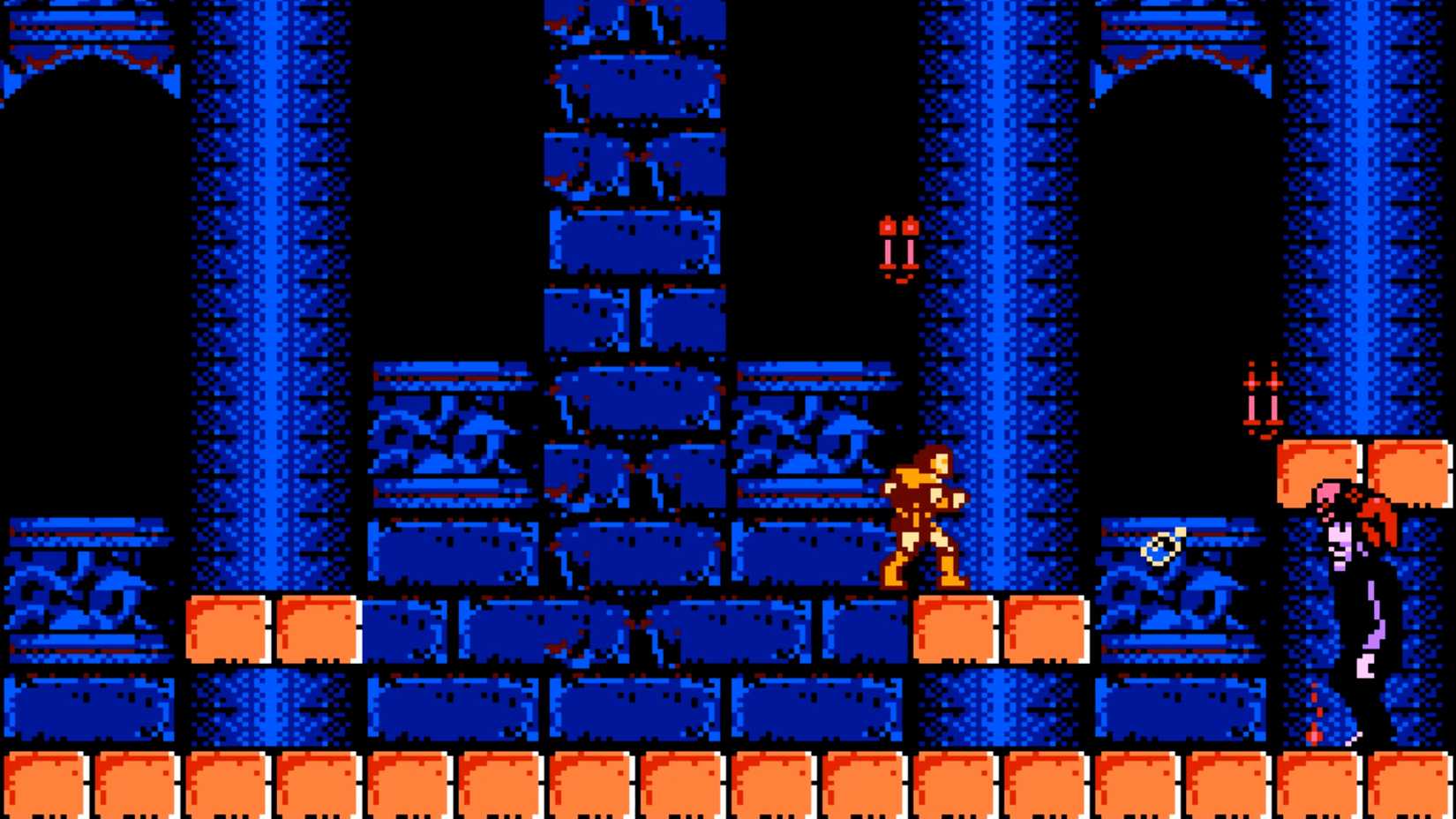
Though later iterations popularized the exploration-heavy "Metroidvania" style, the original 1986 Castlevania for the Nintendo Entertainment System was a linear, gothic platforming gauntlet. Tasking players with guiding the whip-wielding hero Simon Belmont through Dracula’s sprawling, monster-infested castle, the game set a high watermark for early action-platformer difficulty.

The Challenge: Dracula’s domain is a masterclass in architectural sadism. Simon Belmont moves with a deliberate, stiff gait and a rigid jump arc that cannot be altered mid-air—a design choice that leaves no room for hesitation. Furthermore, Simon’s trusty leather whip only strikes directly horizontally, rendering him utterly defenseless against enemies attacking from elevated angles or subterranean crevices. Combined with relentless enemy respawn rates and knockback physics that routinely hurl Simon directly into bottomless pits, Castlevania proved that the scariest part of gothic horror isn’t the monsters—it’s the platforming.
4. Crash Bandicoot 4: It’s About Time (2020)
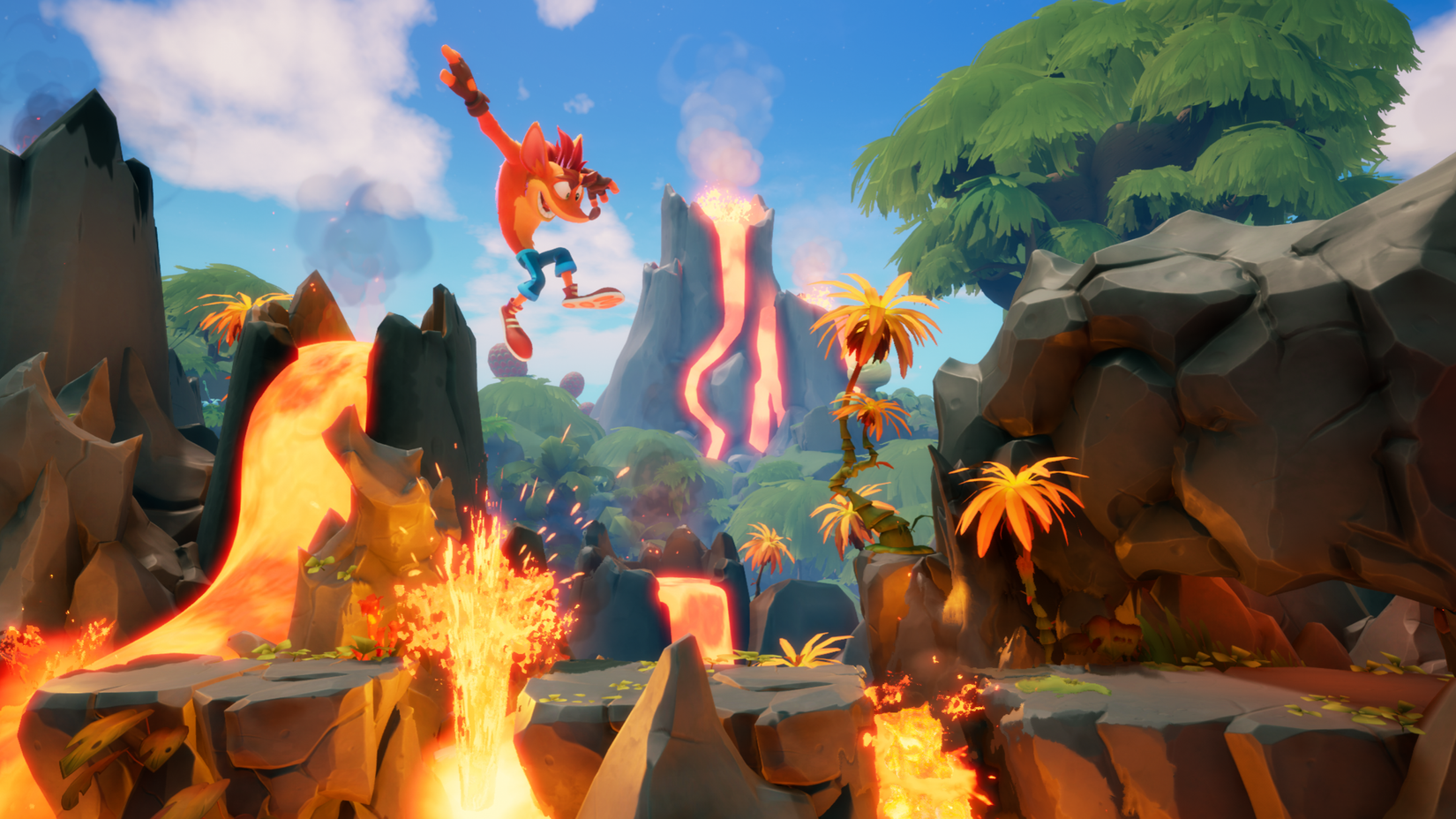
While the original PlayStation trilogy established the marsupial’s reputation for tough-as-nails precision, Toys for Bob’s 2020 sequel took the franchise’s infamous difficulty curve and raised it to astronomical heights. Crash Bandicoot 4 picks up after Neo Cortex tears a hole in the dimensional fabric, forcing Crash and Coco to traverse unstable timelines using mystical Quantum Masks.
The Challenge: The game demands pixel-perfect positioning across levels riddled with tracking obstacles, flame jets, and multi-tiered hazards. The addition of the Quantum Masks—which dynamically alter gameplay by slowing time, reversing gravity, or shifting objects between corporeal states—forces players to master multiple mechanics simultaneously. Juggling these complex powers mid-jump creates an endurance test that routinely pushes dedicated fans to their absolute psychological limits.
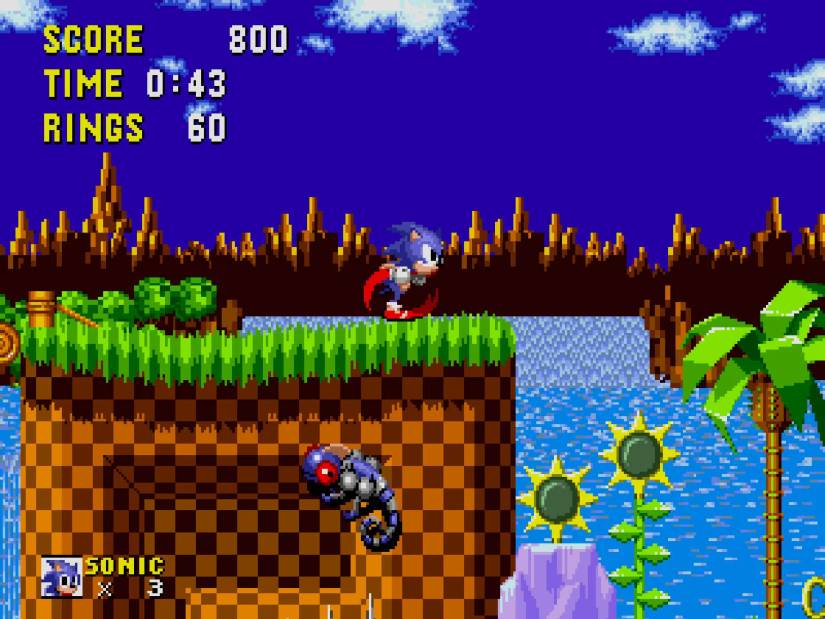
3. Sonic the Hedgehog (1991)
Sega’s flagship blue hedgehog revolutionized the 16-bit era by introducing blistering speed to the platforming formula. Armed with the ability to shatter Dr. Robotnik’s robotic armies in a blur of blue motion, Sonic captured the imaginations of millions upon its 1991 debut.
The Challenge: Sonic’s greatest asset is also his greatest hazard: speed. Because the spiny protagonist moves faster than almost any other character in gaming history, the camera frequently struggles to keep pace. Levels are packed with traditional platforming hazards like spikes, lava pits, and automated defenses. Because Sonic moves at hyperspeed, players often have mere milliseconds to react to incoming threats, resulting in sudden, unavoidable collisions with walls or enemies. Ironically, the core gimmick of the franchise is precisely what makes its platforming so uniquely frustrating.
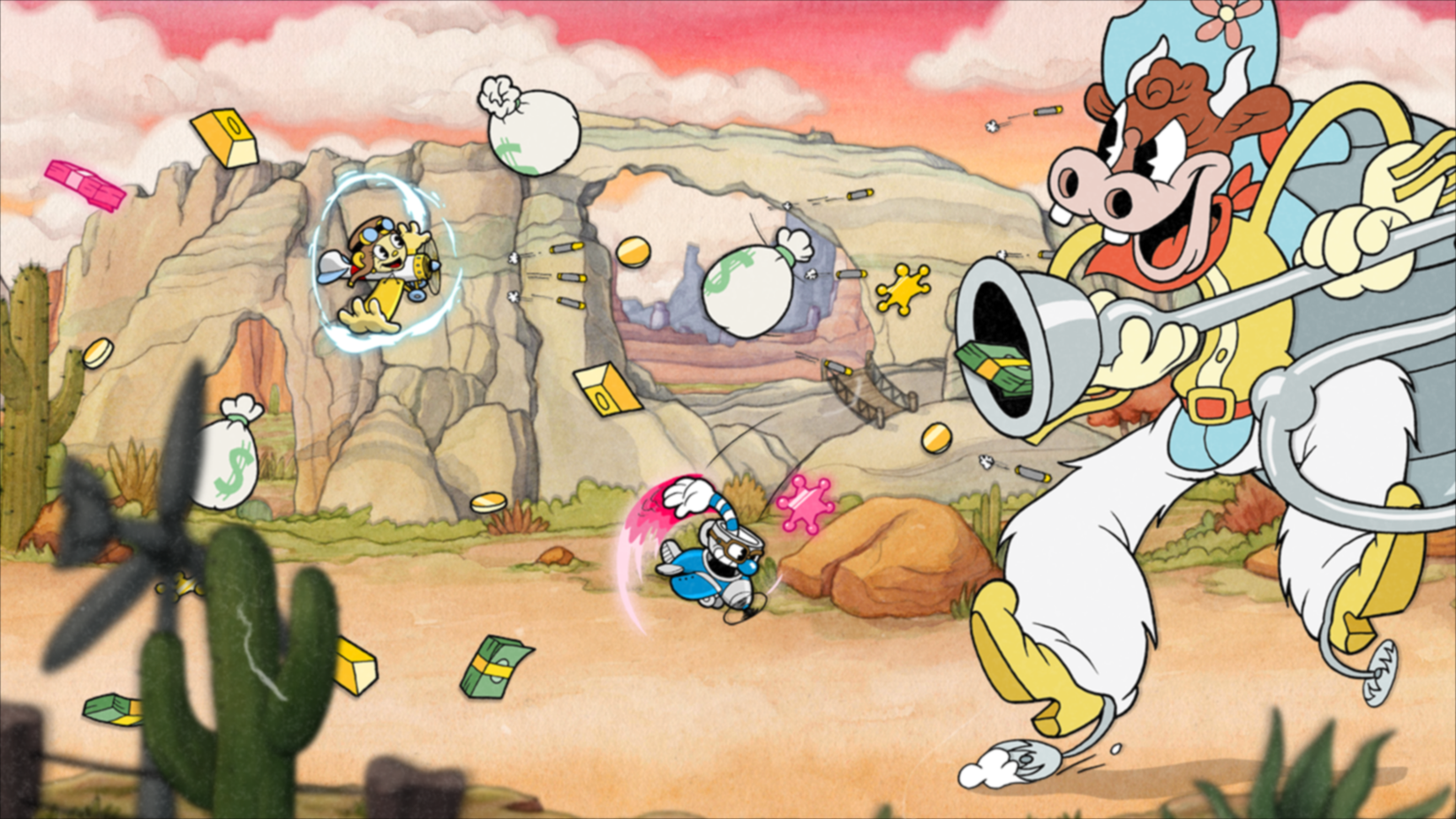
2. Cuphead (2017)
Studio MDHR’s 2017 masterpiece is a stunning visual love letter to 1930s rubber-hose animation. Chronicling the misadventures of Cuphead and Mugman after losing a high-stakes gamble at the Devil’s Casino, the game tasks players with collecting the souls of the Devil’s debtors across a series of hyper-stylized stages.
The Challenge: While the fundamental platforming leaps in Cuphead are relatively straightforward, they are continuously complicated by relentless, frantic shooting mechanics. Players must simultaneously dodge a barrage of chaotic projectiles, projectiles, and bizarre bosses—ranging from giant floral fiends to aggressive theater troupes—while maintaining precise positioning. Merging bullet-hell shooting mechanics with platforming endurance turns every single level into a masterclass in stress management.
1. Rayman (1995)
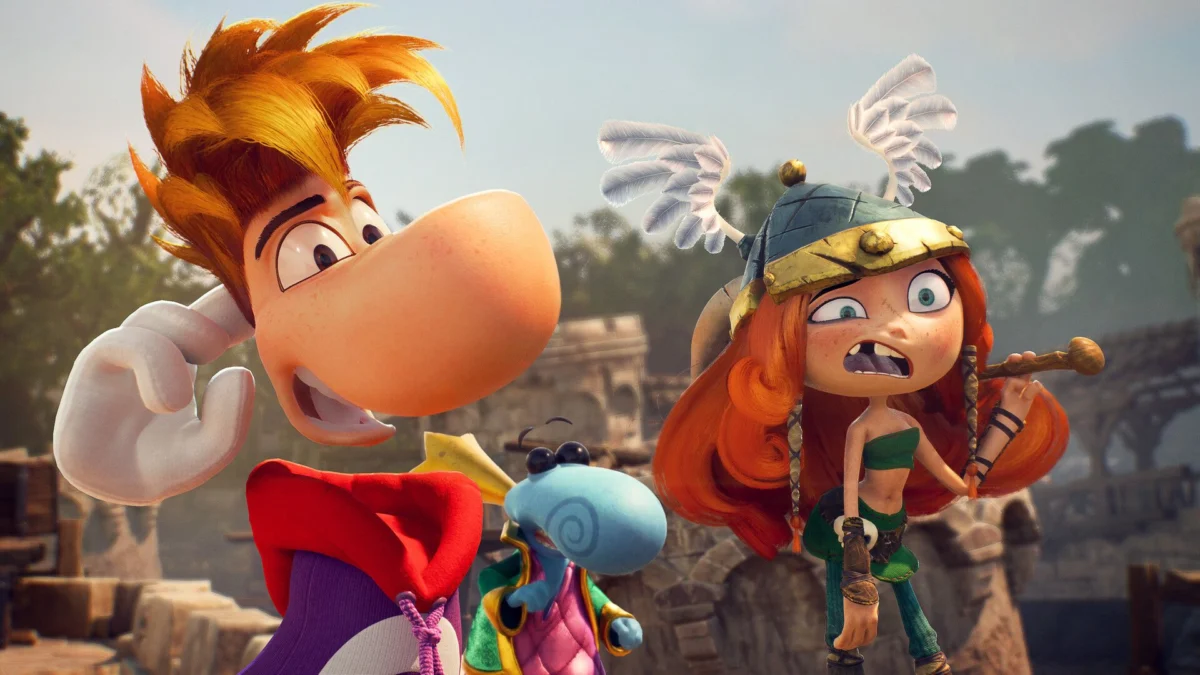
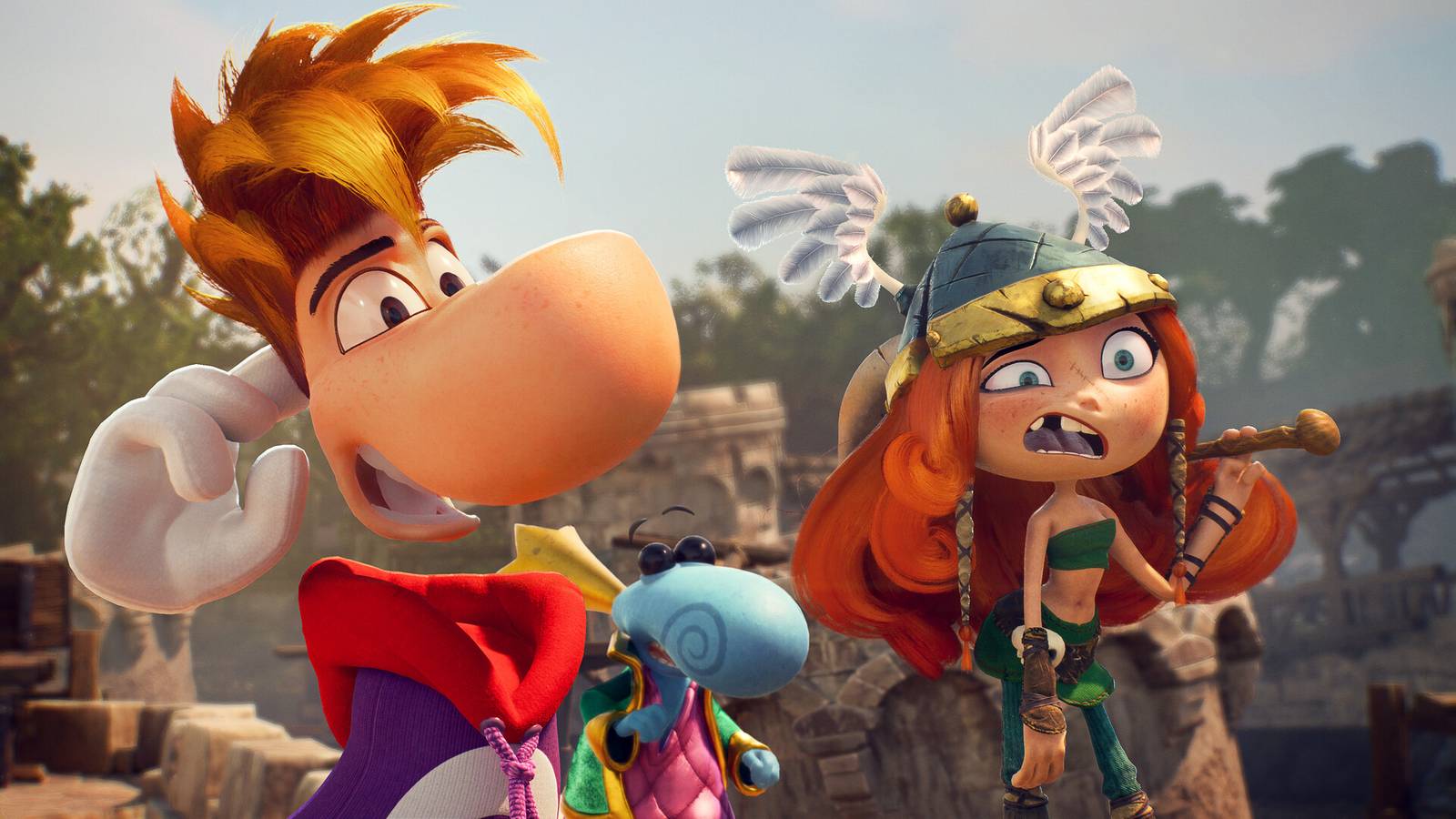
Widely regarded as one of the greatest pranks in gaming history, Ubisoft’s 1995 platformer Rayman presents a vibrant, whimsical world powered by magical Lums. Threatening this peace is the sinister Mr. Dark, who prompts the limbless hero Rayman to embark on a quest to save his realm using his floating fists and helicopter hair.
The Challenge: The game’s colorful, animated art style is a cruel facade masking one of the most punishing, unyielding video games ever coded. Rayman acts as an amalgamation of every nightmare found in the genre: it combines Castlevania’s rigid jump geometry, Cuphead’s chaotic enemy density, Crash Bandicoot’s complex stage gimmicks, and Sonic’s unpredictable hazards. Not a single frame goes by without peril, and the cartoonish aesthetic often feels like a taunt from the developers. In Rayman, anything can happen—and usually, it results in a game-over screen.
3. Supporting Data and Player Psychology
Why do players willingly subject themselves to this level of frustration? According to data compiled across gaming communities and streaming platforms, difficult platformers boast some of the highest replay rates in the industry.
- The Dopamine Loop: Psychological studies on video game engagement indicate that the magnitude of the reward is directly proportional to the difficulty of the task. Conquering a stage after 200 deaths triggers a massive dopamine release.
- Speedrunning and Community Culture: Titles like Castlevania and Rayman have fostered massive speedrunning communities. The rigid, unforgiving nature of these games provides a high skill ceiling, allowing elite players to showcase unmatched mechanical mastery.
4. Industry and Developer Perspectives
Developers of these punishing titles often defend their design choices as a deliberate counter-culture to modern hand-holding. In retrospective interviews, creators of legacy platformers have noted that early arcade and console games were intentionally designed to drain quarters or maximize playtime through high difficulty.
Modern developers, such as those at Studio MDHR and Toys for Bob, have echoed similar sentiments, arguing that true satisfaction in gaming cannot exist without genuine risk. When asked about accessibility concerns regarding Cuphead, the developers maintained that the difficulty was intrinsic to the artistic vision: the feeling of overcoming a literal deal with the devil.
5. Implications for Future Game Design
The enduring popularity of these punishing platformers proves that player appetite for trial-by-fire difficulty remains as robust as ever. While modern AAA gaming frequently leans toward accessible, cinematic experiences that prioritize forward momentum over failure, the indie scene continues to champion the masocore platformer.
As new generations of developers look back to the foundational eras of the NES, Sega Genesis, and original PlayStation, the lessons of Castlevania, Rayman, and Cuphead remain clear: players do not always want comfort. Sometimes, when missing a jump means certain doom, they want the sweet release of a checkpoint—and the triumphant rush of finally sticking the landing.
 Jia Lissa
 Layla Zulfa
 Basiran
