

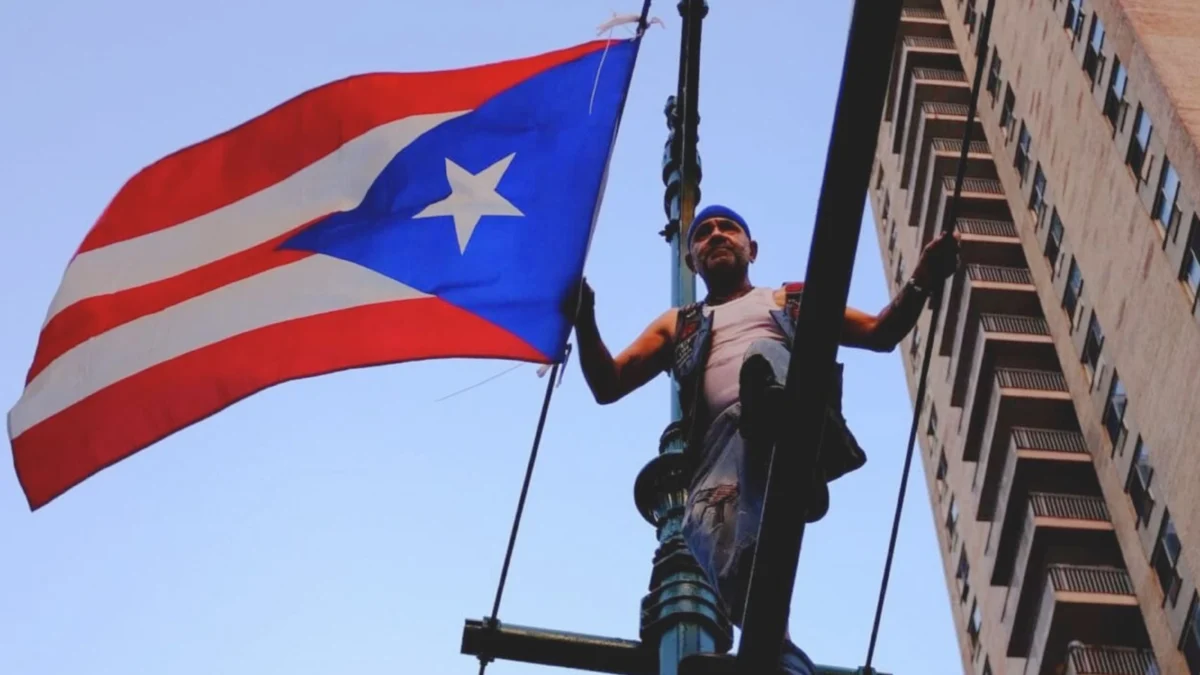
In the contemporary creative sector, the intersection of technology and artistic expression has reached a critical inflection point. As artificial intelligence continues to permeate the workflows of artists and designers—often invisibly—the discourse surrounding its long-term impact on human creativity has transitioned from speculative debate to urgent necessity. Simultaneously, the film industry is experiencing a resurgence of interest in historical narratives and high-stakes biographical studies, proving that while audiences are eager for the "next big thing" in digital tech, they remain deeply anchored in the complex, human-centric stories of the past.
The AI Dilemma: Artistic Identity in the Generative Age
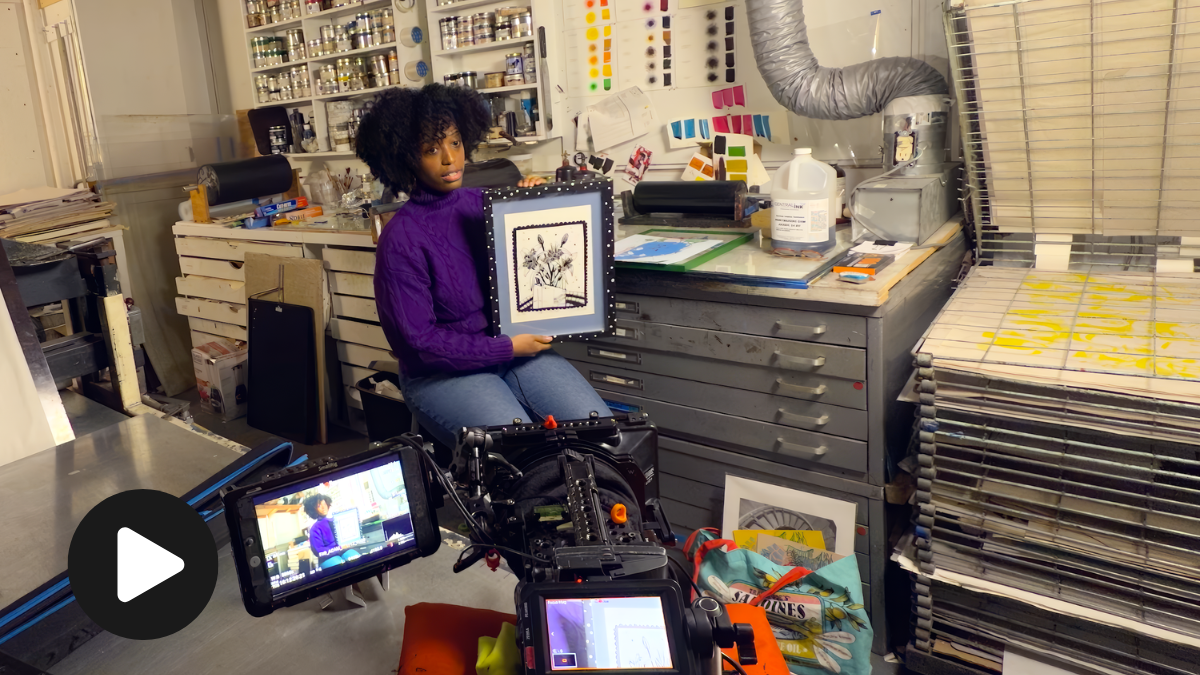
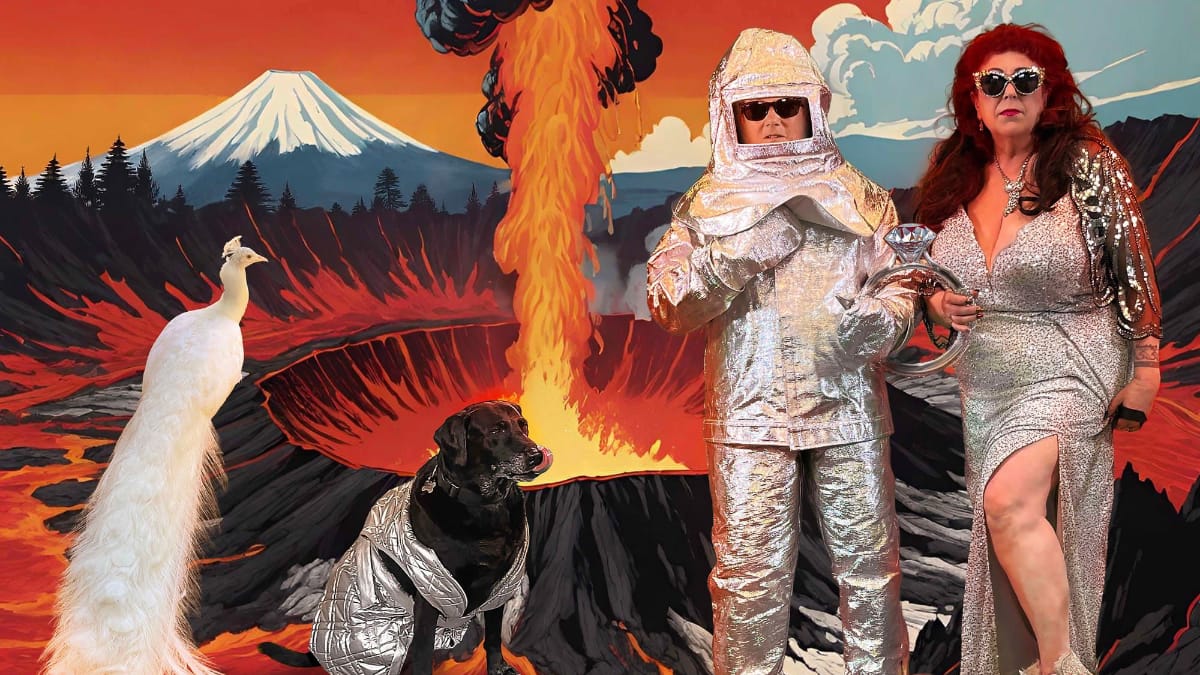
The pervasive tension regarding generative technology is perhaps nowhere more visible than in the creative arts. A new, 19-minute documentary produced by the Strategic National Arts Alumni Project (SNAAP) provides a rare, unfiltered look at how this transition is being navigated on the ground. The film, which premieres exclusively on Hyperallergic, serves as a visual companion to the 2025 Pulse Survey on AI and Work.

The survey, which synthesized the perspectives of over 2,000 postsecondary arts and design graduates across more than 100 U.S. institutions, reveals a nuanced, often contradictory relationship between artists and the tools they use. While many creative professionals maintain a reflexive skepticism toward AI, they are simultaneously integrating these tools into their professional pipelines out of necessity or curiosity. The documentary moves beyond abstract theory, documenting the ethical quandaries, the fears of professional displacement, and the pragmatic "hidden" usage of AI that defines the modern studio environment.
Chronology of a Tech Shift
- Early 2024: Initial integration of generative AI begins to disrupt traditional digital art workflows, leading to widespread concern among illustrators and designers regarding copyright and the sanctity of original intellectual property.
- 2025: The Strategic National Arts Alumni Project conducts the "Pulse Survey on AI and Work," identifying a significant gap between institutional training and the realities of the professional workforce.
- Summer 2026: The release of the SNAAP documentary brings these findings to the public, marking a pivot toward more transparent industry conversations about labor rights and AI.
The Resurgence of the Epic: Caravaggio, O’Keeffe, and the Muse
Beyond the digital frontier, the current cinematic landscape is dominated by a return to the "great artist" narrative. However, these are not the sanitized, hagiographic portraits of the mid-20th century. Today’s documentaries and biopics, such as those recently spotlighted in our review series, aim to deconstruct the mythologies surrounding iconic figures.
The recent examination of Georgia O’Keeffe, for instance, challenges the persistent, reductive narratives that have historically tethered her identity to her relationship with Alfred Stieglitz. By reframing her as a "perpetual voyager," current filmmakers are centering O’Keeffe’s own agency and her prolific output during her years of travel. Similarly, the ongoing fascination with figures like Caravaggio and the complex, often fraught, artistic relationship between Kate Moss and Lucian Freud demonstrates a public appetite for the darker, more "human" elements of artistic genius. Critics argue that these films are successful because they refuse to look away from the contradictions of their subjects, providing a more robust, albeit uncomfortable, portrait of the creative life.
Supporting Data: The Pulse Survey Findings
The data from the 2025 Pulse Survey suggests that the creative class is far from a monolith in its opinion of AI. The findings can be categorized into three primary response tiers:
- The Pragmatists (42%): Respondents who view AI as a neutral tool, similar to the introduction of Photoshop or CAD software. They advocate for mastering the tech to maintain competitive advantage.
- The Skeptics (38%): Those who express deep concern regarding the ethical sourcing of training data. Many in this group have actively boycotted generative tools or implemented "AI-free" workflows.
- The Uncertain (20%): A segment that remains deeply conflicted, acknowledging the efficiency gains of AI while fearing the eventual erosion of their own unique artistic "voice."
This data underscores the volatility of the current market. Institutions that fail to address these concerns in their curricula risk leaving their graduates ill-equipped for a landscape where AI proficiency and AI ethics are becoming indistinguishable.
Implications for the Film and Art World
The rapid evolution of these technologies and narratives carries profound implications for the cultural sector. Firstly, the "democratization" of image generation poses an existential challenge to the visual arts market. As the barrier to entry for producing high-quality visuals drops, the value proposition of the "human-made" becomes a primary differentiator.
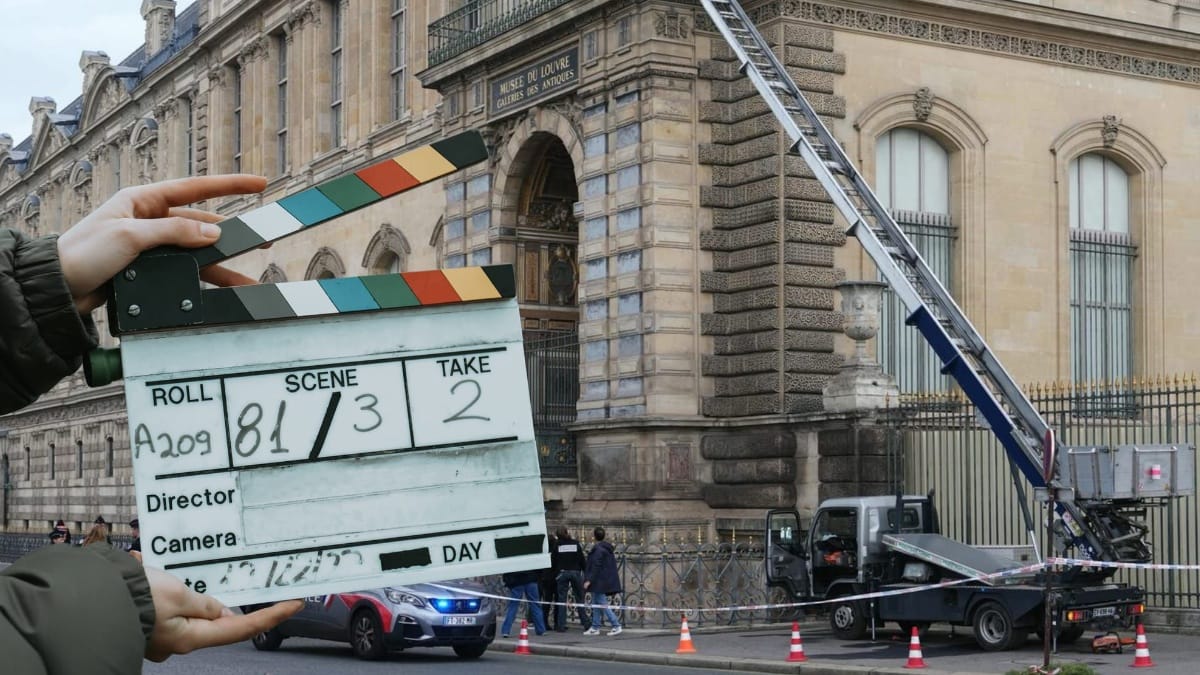
Secondly, the success of indie cinema—as evidenced by organizations like BlackStar, which continues to champion cinema for liberation—suggests that audiences are increasingly seeking content that prioritizes authentic, lived experience over the polished, algorithmically-determined narratives of major studios. The upcoming adaptation of the Louvre heist serves as a case study for this: audiences are hungry for high-stakes, real-world art history stories, provided they are told with the gravity and tension that such events deserve.
Official Responses and Industry Sentiment
Industry leaders are split on how to proceed. On one hand, there is a push toward "AI-assisted" copyright legislation that would protect the work of human artists from being scraped without consent. On the other, major production houses are moving to integrate AI into post-production and VFX to reduce costs.
"The goal is not to stop progress," noted one respondent in the SNAAP survey, "but to ensure that the human element of the creative process is not treated as a line item to be optimized away." This sentiment is reflected in the recent surge of interest in "maintenance art"—a concept that highlights the labor involved in preserving culture—which has become a recurring theme in contemporary film and theory.
Future Outlook: The Intersection of History and Innovation
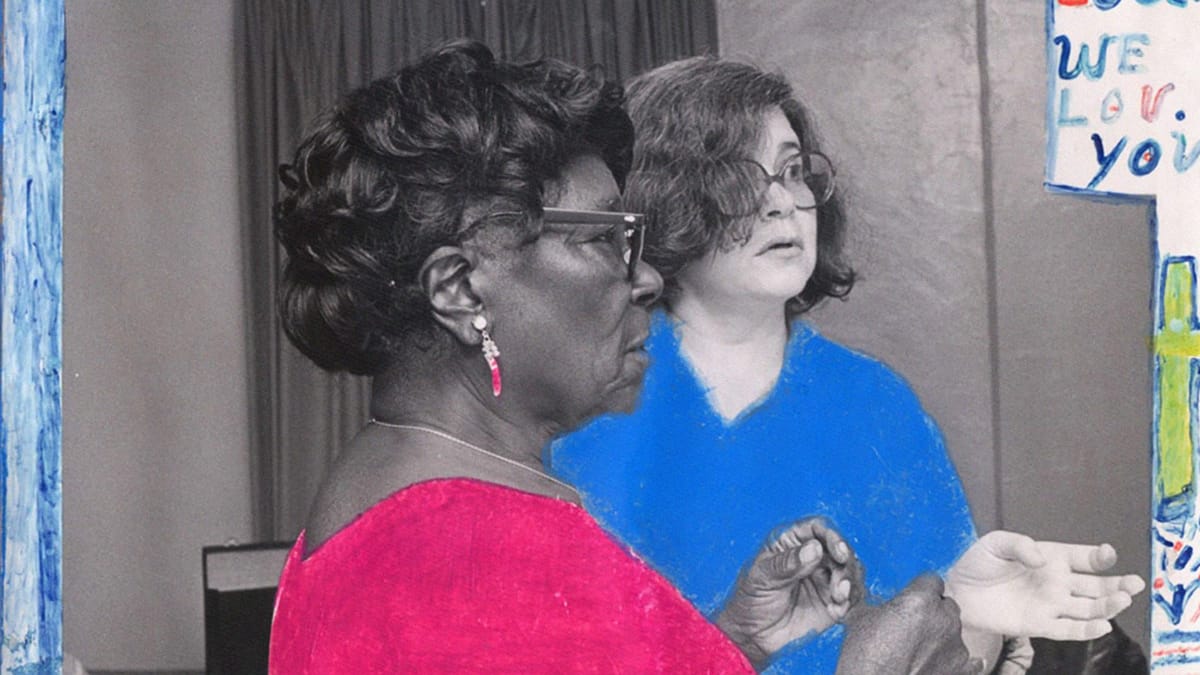
As we look toward the remainder of the year, the themes of the "liminal"—that space between the digital and the physical, the past and the future—continue to define our cultural output. From the animated biopics of figures like Nellie Mae Rowe, which are bypassing traditional distribution to find audiences on platforms like YouTube, to the rigorous, scholarly critiques of epic films by historians like Joel Christensen, the ways in which we consume art are changing.
The takeaway for the reader, the artist, and the consumer is clear: we are living in an era where the definition of "art" is being renegotiated in real-time. Whether it is through the lens of a historical biopic or the interface of an AI generator, the core requirement remains the same—a demand for truth, complexity, and human connection. As these films and surveys suggest, the future of our creative culture will not be decided by the technology we use, but by the intent and ethics we bring to the tools at our disposal.
For more in-depth coverage, subscribe to the Hyperallergic Film Newsletter, where we continue to track the intersections of cinema, art history, and the evolving digital landscape.
 Basiran
 Muslim
 Evan Lee Salim
