

By [Your Name/Journalistic Staff]
Published July 21, 2026
The Pokémon Trading Card Game (TCG) has long been a battlefield for collectors, but the release of the "Ascended Heroes" collection this past Tuesday at Sam’s Club marked a new low point for retail distribution. What was intended to be a controlled, fair-market drop of the year’s most coveted set devolved into a chaotic scene of scalper dominance, broken promises, and internal policy failures that have left the collector community reeling.
With the secondary market for Ascended Heroes currently seeing price markups of up to 450% over the $55.98 MSRP, the intense demand was expected. However, the systematic collapse of store-level enforcement at Sam’s Club locations across the United States has transformed a routine product launch into a case study of how corporate policy often fails to meet the harsh reality of the retail floor.
The Anatomy of the Launch: A Chronology of Chaos
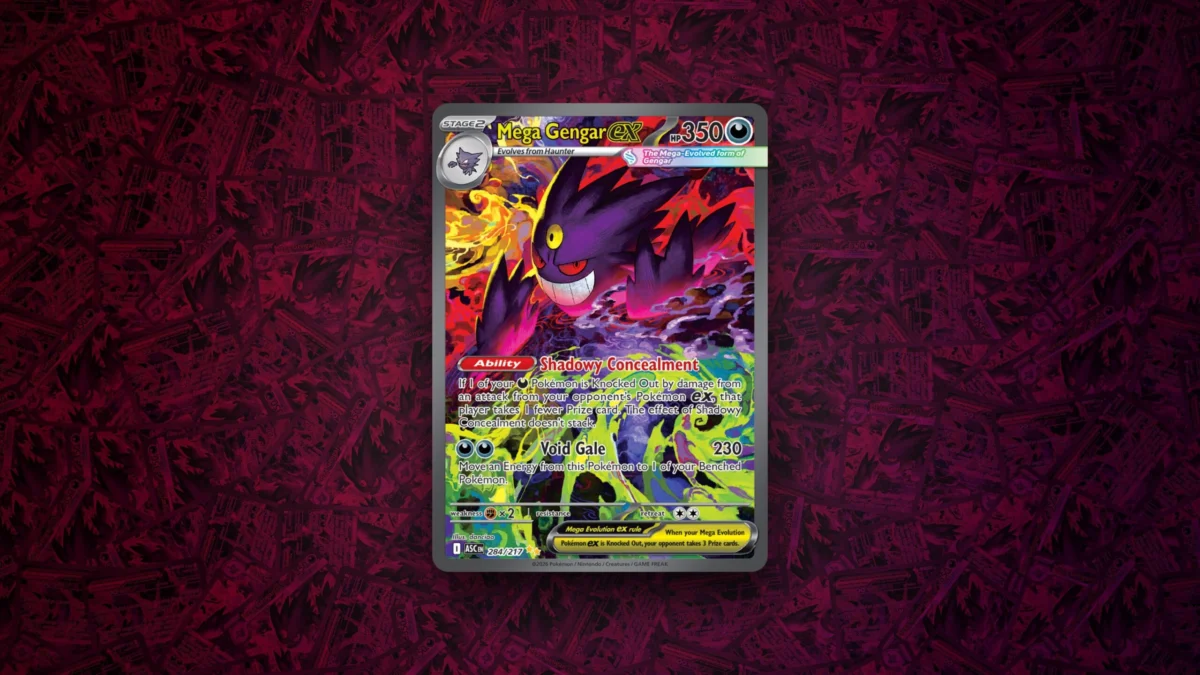
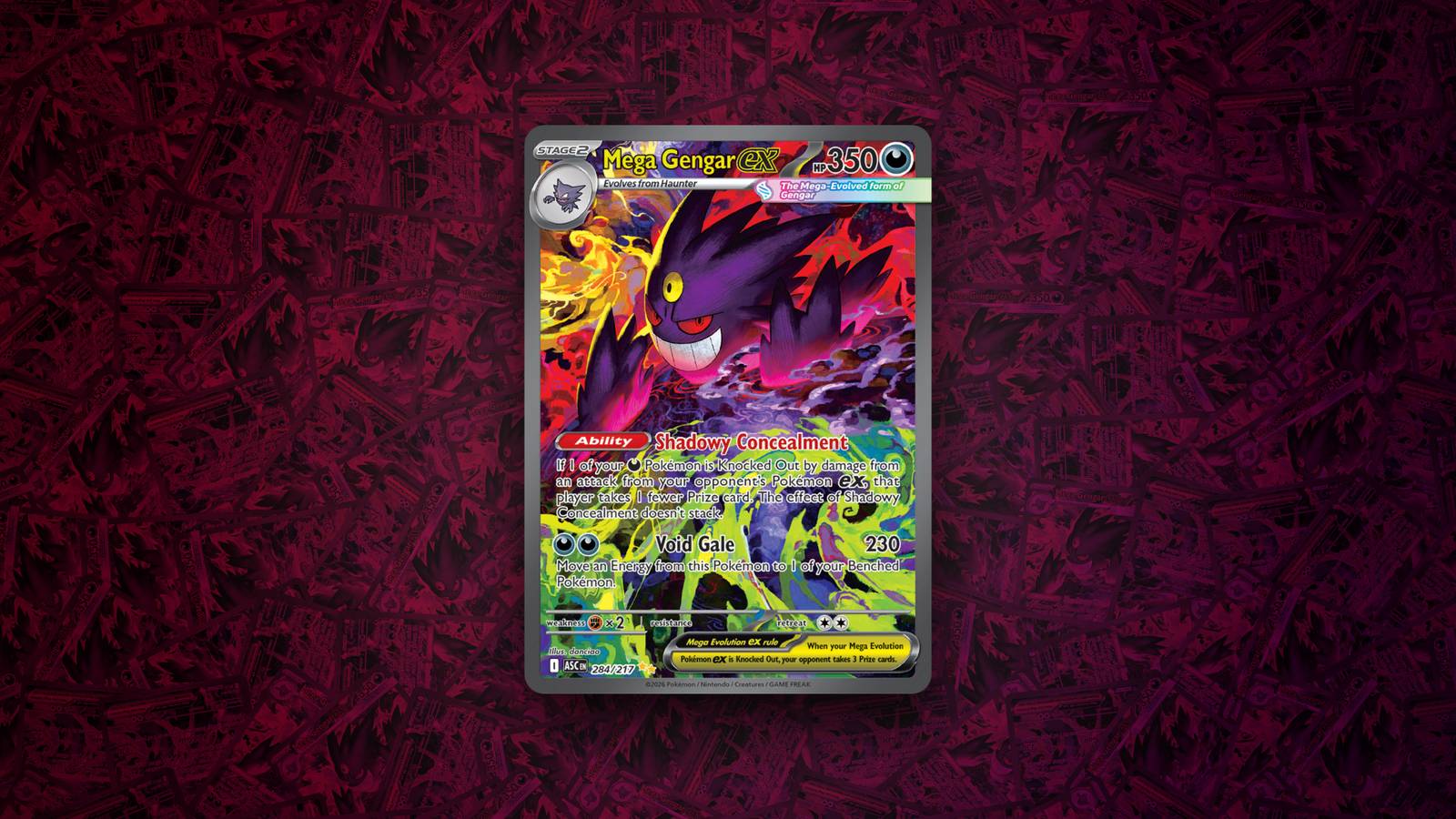
The anticipation for the Ascended Heroes "Focused Fighter Collection"—a box featuring 15 booster packs—began building in early July. Because the set’s artwork has been lauded as the best in years, and because individual pack prices hover around $3.75 in the box, the product became an immediate target for both genuine hobbyists and high-volume resellers.
The Weekend Vigil
By Saturday, July 18, reports of "camping" began appearing on social media. Collectors, wary of the limited stock, set up chairs and tents outside major Sam’s Club locations. The dedication was born from a mix of genuine passion and the fear of missing out (FOMO) that defines the current TCG landscape.
Tuesday Morning: The Breach of Protocol
When doors opened on July 21, the atmosphere turned sour within minutes. Despite an internal memo explicitly stating that systems were configured to enforce a two-box-per-membership limit, the reality on the ground told a different story.
Witness reports indicate that at multiple high-traffic locations, the first five to ten people in line were able to clear out entire pallets of inventory. In one instance, a store had enough stock to serve 288 people, but because management allegedly allowed individuals with multiple memberships to bypass the quantity limits, only 35 customers were able to secure product before the shelves were stripped bare.
Systemic Failures and Enforcement Gaps
The core of the issue lies in the disconnect between corporate mandates and store-level execution. Sam’s Club management had issued specific instructions to employees: monitor for "membership stacking," ensure the two-box limit, and prioritize fairness for the average member.
The "Insider" Problem
Perhaps the most damaging revelation involves allegations of employee misconduct. On various forums, including Reddit’s r/samsclub, employees admitted to seeing managers strike "deals" with bulk buyers. These arrangements, whether motivated by personal gain or a desire to clear inventory quickly, effectively disenfranchised the thousands of members who had waited in line for hours.
In one documented case, an employee was terminated after using their lunch break to cut the line specifically to secure product for themselves. While this shows that some internal oversight exists, it underscores a culture where the temptation of high-value Pokémon cards can override professional ethics.
Supporting Data: The Resale Market Pressure
To understand why the Ascended Heroes release was so volatile, one must look at the economics. The current resale market has become a high-stakes environment where scalpers utilize sophisticated software and "mules" to hoard inventory.
- MSRP vs. Market: The $55.98 retail price represents a significant discount compared to individual pack prices.
- The Scalper Math: At a 450% markup, a single box yields a profit margin that justifies the cost of hiring individuals to stand in line for hours or purchasing multiple illicit memberships.
- The Inventory Deficit: Even with "high allocation" promises, the supply was never going to meet the demand. When retail stores fail to gatekeep, the scalpers effectively act as a bottleneck, ensuring that the product only reaches the consumer at a massive premium.
Official Responses and Corporate Silence
As of the time of writing, Sam’s Club has not released a formal public statement addressing the widespread reports of mismanagement. The lack of a unified response has exacerbated the frustration of the collector community, who feel that their memberships—which cost annual fees—are essentially worthless when it comes to high-demand merchandise.
In private, some store managers have cited "system limitations," claiming that their point-of-sale (POS) terminals were not adequately programmed to block the purchase of more than two boxes per card if the user utilized a different membership ID. This technical failure, coupled with the human error of failing to manually audit transactions, created the "perfect storm" that left shelves empty before the majority of the queue even reached the registers.
The Broader Implications for TCG Retail
The Ascended Heroes disaster is not an isolated incident; it is a symptom of a larger, systemic problem in the hobby industry. Retailers like Walmart, Target, and Sam’s Club have largely failed to adapt to the "card craze" that has permeated the mainstream market since 2020.
1. The Death of the "Fair Launch"
If a retailer cannot guarantee a fair distribution process, they risk losing the goodwill of their customer base. For a warehouse club model, which relies on loyalty and subscription fees, this is particularly dangerous. If members feel that their time is being disrespected and that inventory is being funneled to scalpers, the long-term value of the membership drops.
2. The Digital Divide
With in-store drops failing, the burden shifts to online platforms. However, the online experience is arguably worse, as it is plagued by "botting" software that clears inventory in milliseconds. When both physical and digital retail channels are compromised, the Pokémon TCG effectively becomes inaccessible to the average fan.
3. The Need for Industry Standards
There is a growing call among collectors for retailers to adopt a "lottery" or "reservation" system. By requiring members to register for a chance to purchase a box before the release date, stores could eliminate the need for dangerous overnight lines and prevent the "first-come, first-served" chaos that invites corruption and scalper dominance.
Conclusion: What Comes Next?
As the dust settles on the Ascended Heroes release, the Pokémon TCG community remains divided between those who managed to secure a box and the thousands who were left empty-handed. The incident at Sam’s Club serves as a harsh reminder that as long as the secondary market remains significantly more profitable than the retail market, and as long as retail employees are left to handle the pressure without proper support or automated enforcement, the "depressing mess" seen this Tuesday will likely repeat itself.
For now, the only remaining hope for fans is the online release. However, given the current state of bot-infested digital storefronts, the prognosis is grim. Collectors are left with a simple, albeit frustrating, reality: until retailers treat Pokémon cards with the same security protocols as high-end electronics or luxury goods, the hobby will continue to be defined by the very chaos it seeks to escape.
 Basiran
 Nana Muazin
 Layla Zulfa
