

By Oli Welsh | July 22, 2026
In the modern landscape of cinema, the "theatrical experience" has become a fragmented battleground. With the release of Christopher Nolan’s latest epic, The Odyssey, the conversation has shifted from plot and performance to pixels, celluloid, and aspect ratios. While the debate over the "definitive" way to view a film is nothing new, the aggressive marketing of premium large formats (PLFs) has transformed a matter of personal preference into a contest of cinematic purity.
As someone who deeply respects the craft of filmmakers like Nolan, I am not here to argue that IMAX 70mm isn’t a majestic achievement. It is. However, it is time we acknowledge that the culture of FOMO (fear of missing out) and the creeping gatekeeping surrounding these premium formats are spoiling the democratic joy of going to the movies.
The Quest for the Perfect Projection: Main Facts
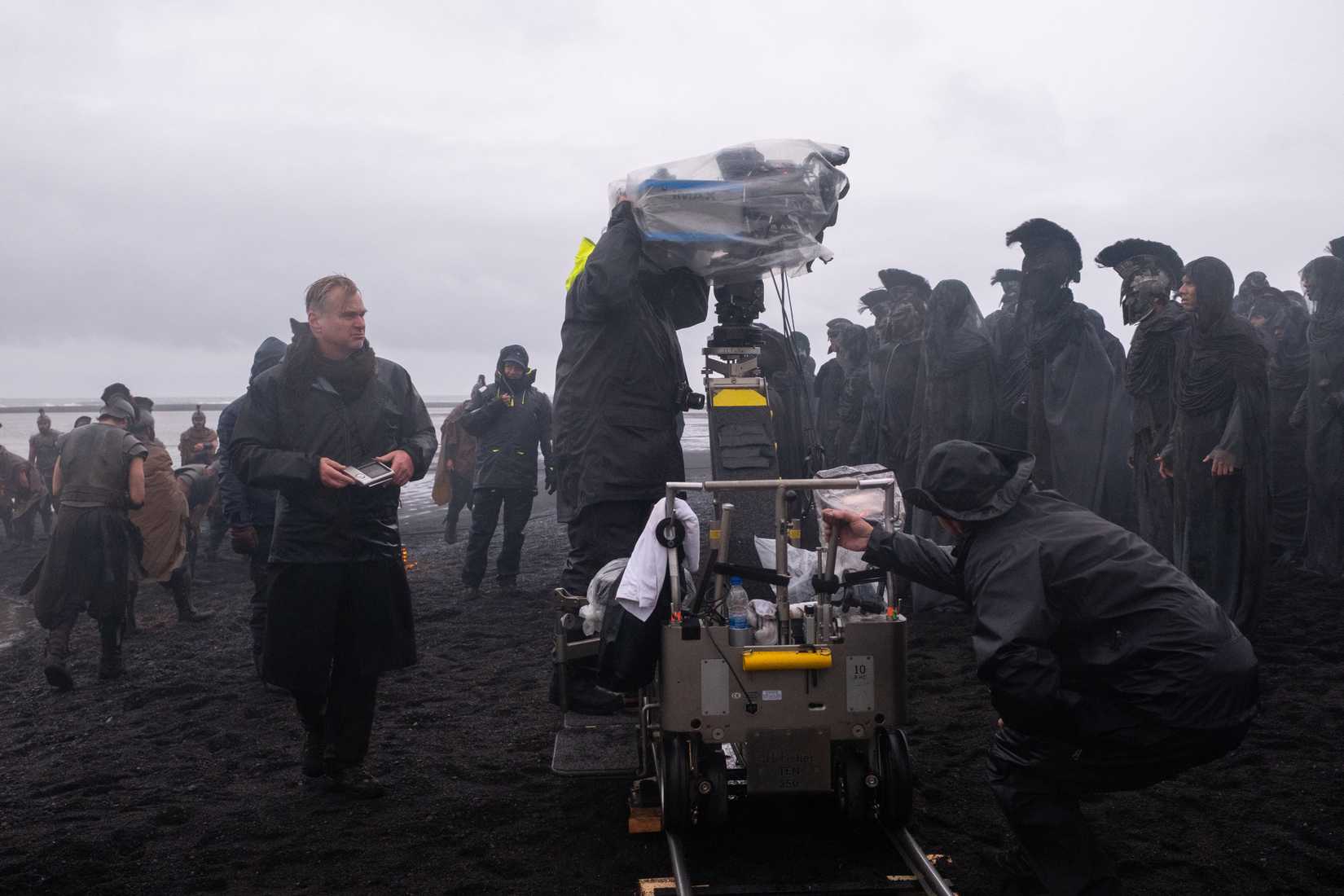
Christopher Nolan’s The Odyssey has been marketed not just as a film, but as an event—a technological pilgrimage. Nolan has famously championed the use of IMAX 70mm cameras, which capture images in a tall, expansive aspect ratio that fills the peripheral vision in a way no standard screen can replicate. For many, the "true" version of the film exists only on these massive, high-resolution canvases.
However, the reality of the theatrical market is starkly different from the ideal. In major metropolitan hubs like London, the few theaters capable of projecting 70mm IMAX are sold out for months. This scarcity has created a secondary market anxiety where cinephiles feel that viewing the film in any other format is a "lesser" experience—a compromise that borders on failure.
A Chronology of the Premium Format Boom
The shift toward format-obsessed cinema didn’t happen overnight. It is a trend that has been building for nearly a decade:
- 2017-2020: The gradual rise of boutique premium experiences, such as Dolby Vision and refined IMAX digital, began to move beyond the "blockbuster only" model.
- 2025: Following the massive success of films like Sinners and One Battle After Another, major studios realized that marketing specific technical formats could drive repeat business. "Format-hunting" became a badge of honor on platforms like Letterboxd.
- July 2026: The release of The Odyssey marks the zenith of this trend. Official websites now host interactive tools that allow users to compare aspect ratios, effectively turning the moviegoer into a technician who must curate their own viewing experience rather than simply enjoying a story.
Supporting Data: The Comfort vs. Prestige Paradox
When I decided to bypass the hunt for a sold-out 70mm seat, I opted for a standard digital screening at my local cinema. The contrast was illuminating.
My local theater offered a high-definition digital projection with pristine sound quality. More importantly, it offered physical comfort—a vital metric often ignored in the "format wars." For a three-hour film, legroom and seat ergonomics are not luxuries; they are essential for immersion. By choosing convenience, I was able to invite a friend for a free Monday screening, turning the film into a shared social event rather than an isolated, stressful pursuit of a "perfect" seat.
The industry often ignores the "barrier to entry" data. When we label standard screenings as "inferior," we alienate the casual moviegoer. According to industry analysis, while premium formats drive higher ticket prices, the bulk of box office revenue still relies on the millions of viewers who frequent standard screens. By prioritizing the "prestige" viewer, studios risk creating a two-tiered system that devalues the standard cinema experience.
Official Responses and Industry Rhetoric
The marketing surrounding The Odyssey is a masterclass in controlled messaging. Studios have released promotional materials featuring cast members—including Robert Pattinson, a well-known 35mm purist—advocating for specific projection methods.

While the artistic intent of the filmmaker should always be honored, this level of technical marketing creates a cynical feedback loop. When a film’s website provides a checklist of formats, it encourages the audience to view the movie as a consumer product with "upgradable" features rather than a singular piece of art. The message is clear: if you aren’t seeing it in the "intended" format, you are doing it wrong.
Implications: The Rise of Cinematic Snobbery
The implications of this trend for the future of film culture are concerning. When we frame moviegoing through the lens of technical purity, we invite gatekeeping. We see it in online forums where fans are mocked for seeing a film in "digital" instead of "film," or in the casual dismissal of anyone who cannot travel to one of the few global locations offering the "full" experience.
1. The Death of the "Democratic" Experience
Cinema has historically been the most accessible art form. It is meant to be shared in a room where the screen size and the quality of the image—while important—take a backseat to the collective emotional experience. When we turn the theater into an elitist club, we lose that inclusivity.
2. The Letterboxd Effect
The gamification of cinema—using apps like Letterboxd to "collect" viewing formats—is a double-edged sword. While it keeps film discourse alive, it also encourages repeat viewing at inflated prices. It shifts the goal from "did I enjoy the film?" to "did I see the film in the highest-fidelity format available?"
3. The Technical Reality
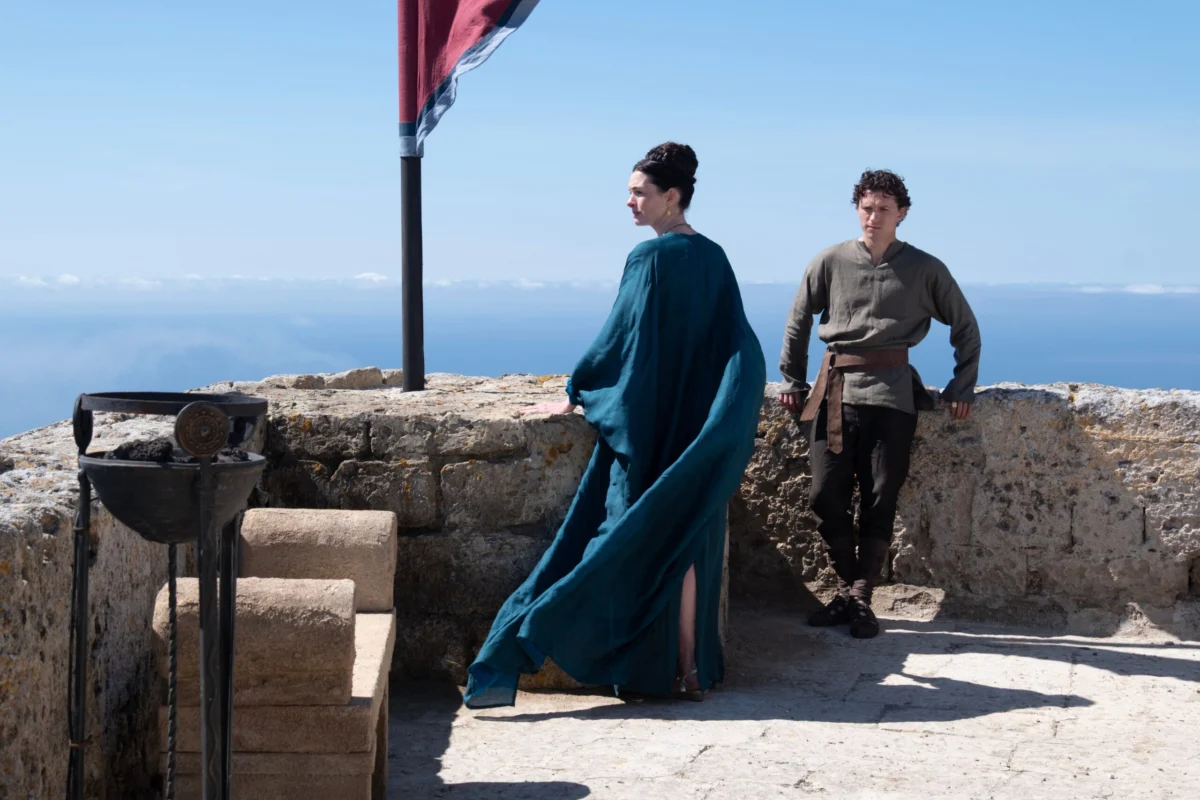
It is worth noting that modern digital projection has reached a point of quality that would have been unimaginable 30 years ago. Even in a standard aspect ratio, the cinematography of Hoyte van Hoytema in The Odyssey remains breathtaking. The film is composed with such care that it retains its power regardless of the frame size. To suggest otherwise is to ignore the brilliant work of the cinematographers who understand how to translate their vision across multiple delivery systems.
Conclusion: Reclaiming the Joy of Cinema
Large formats are, objectively, cool. They offer an immersive window into the filmmaker’s imagination that is undeniably impressive. However, we must be careful not to let the pursuit of the "ultimate" experience prevent us from having a "great" experience.
The next time you find yourself stressing over whether to drive two hours for a specific projector, or whether you’re missing out because your local theater isn’t "premium," take a breath. The magic of the movies isn’t found in the aspect ratio or the film stock. It’s found in the flickering light, the shared silence of a dark room, and the story unfolding before you.
Let’s keep the gatekeeping out of the lobby. After all, the best seat in the house is simply the one that allows you to lose yourself in the film.
 Nana Muazin
 Layla Zulfa
