

By Trevor Carr
Published July 23, 2026
The echoes of the 2026 FIFA World Cup final have begun to fade, but for the Mexican state of Jalisco, the tournament’s legacy is only just beginning. Long regarded as the cultural heartbeat of Mexico, Jalisco successfully leveraged its role as a host destination to shift its global narrative, proving that it is not merely a regional powerhouse, but a premier international travel destination. With the world’s eyes fixed on Guadalajara—the state capital—Jalisco transformed the sporting spectacle into a masterclass in economic development, infrastructure readiness, and cultural diplomacy.
The Main Facts: A Tournament of Transformation
Jalisco’s relationship with the "Beautiful Game" is storied. Having hosted matches during the 1970 and 1986 tournaments, the state is no stranger to the logistical demands of FIFA. However, the 2026 iteration represented an unprecedented scale of engagement. Guadalajara hosted four critical matches, serving as a hub for international visitors and a showcase for the region’s diverse offerings.
The primary impact was immediate and quantifiable. During the high-octane weeks of the tournament, the state recorded an influx of between 2 million and 2.5 million visitors. These weren’t just casual spectators; they were global travelers hailing from football-obsessed nations including Japan, Colombia, Spain, and beyond. This surge in tourism served as a stress test for the city’s hospitality sector, which responded with remarkable resilience and luxury-level service.
Chronology of the 2026 World Cup Impact
The success of Jalisco in 2026 was not a stroke of luck; it was the culmination of years of strategic planning.
- Pre-Tournament Preparation (2023–2025): Jalisco focused on infrastructure upgrades and the rigorous promotion of its Pueblos Mágicos (Magical Towns). Crucially, this period saw a concerted effort by the state government to improve public safety, leading to a 50 percent reduction in the homicide rate in 2025 compared to the previous year.
- May 2026: Guadalajara signaled its culinary maturity by hosting the prestigious Michelin Guide Ceremony for Mexico, effectively setting the stage for the global gastronomic conversation that would dominate the summer.
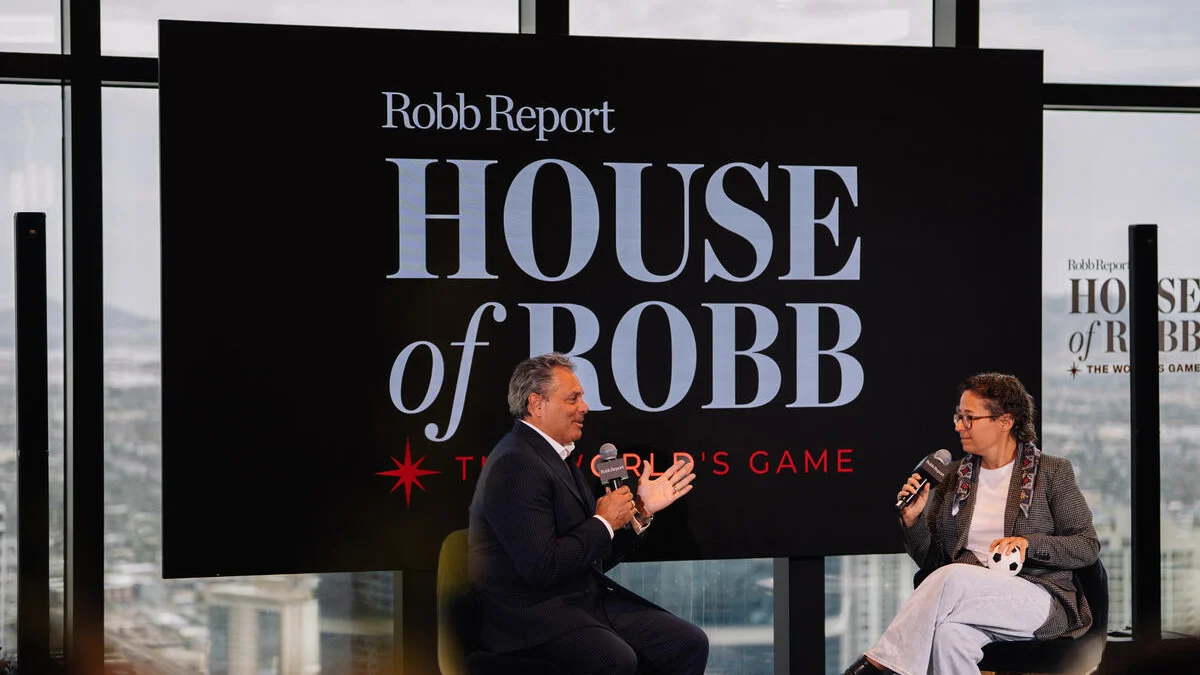
- June–July 2026: The World Cup matches took place. The state capital became a cosmopolitan melting pot, with fan zones, cultural exhibitions, and hospitality hubs—most notably the "House of Robb" event—providing a platform for international networking and luxury tourism promotion.
- Late 2026 and Beyond: With the tournament concluded, the state is transitioning into a long-term branding strategy, leveraging the post-World Cup momentum to launch the "Year of Gastronomy" in 2027.
Supporting Data: The Economic Engine
The financial metrics associated with Jalisco’s World Cup tenure are staggering. According to official reports, the tournament injected approximately $700 million into the state’s economy. This capital infusion permeated multiple layers of the local market, from luxury retail to small-scale artisan markets.

The hospitality sector experienced the most dramatic shift. Hotel occupancy rates surged by 9.2 percent, a significant figure given the high baseline of Guadalajara’s luxury hotel market. More tellingly, daily hotel rates saw an explosive increase, climbing by over 180 percent as demand for premium accommodations peaked during match days. This data suggests that visitors were not merely looking for a place to sleep, but were willing to pay a premium for high-end, experiential luxury, a trend that bodes well for the state’s future tourism revenue models.
Official Perspectives: The "Jalisco is Mexico" Doctrine
During a discussion at House of Robb: The World’s Game, Michelle Fridman Hirsch, Jalisco’s Secretary of Tourism, provided a candid look at the philosophy driving the state’s success. For Hirsch, the goal was to dismantle outdated perceptions and replace them with the reality of a modern, sophisticated, and safe destination.
"We like to say Jalisco is Mexico, because it embodies much of the Mexican icons that are known in the world about Mexico," Hirsch stated. This identity is anchored in the state’s cultural pillars: the vibrant sounds of Mariachi, the tradition of charrería (the national sport), and the global prestige of tequila.
Addressing the elephant in the room—tourist safety—Hirsch was clear. The data from 2025 provided the foundation for the confidence seen in 2026. By tackling crime rates with a 50 percent year-over-year reduction, the state created a "psychological safety net" that allowed tourists to focus on the experience rather than their security. "Everyone was saying, ‘OK, the only risk I’m feeling is that I want to stay,’" Hirsch noted, highlighting a shift in visitor sentiment that is arguably the most valuable outcome of the tournament.
Implications: Beyond the Pitch
The World Cup has served as a catalyst for a broader, long-term tourism strategy that extends far beyond the stadium gates. Jalisco is currently positioning itself as a hub for both luxury leisure and high-end cultural events.
The Luxury Frontier
While Guadalajara provided the urban excitement of the tournament, the state’s coastal and rural assets have seen increased interest. The Costalegre region is rapidly becoming the next frontier for ultra-luxury hospitality. With established high-end offerings like Four Seasons and upcoming debuts from brands like Six Senses and Cheval Blanc, Jalisco is catering to a demographic that values privacy, exclusivity, and environmental integration.

The Gastronomic Future
The focus for 2027 is the "Year of Gastronomy," an ambitious campaign to turn Jalisco into a global culinary capital. Following the successful hosting of the Michelin Guide ceremony, Guadalajara is set to host the "50 Best Latin American Restaurants" ceremony. This focus on high-end dining is a calculated move to move the state up the value chain of tourism, attracting food-focused travelers who tend to stay longer and spend more than the average tourist.
The Cultural Heritage Advantage
Jalisco’s strategy is heavily anchored in its 12 Pueblos Mágicos. The town of Tequila, in particular, stands as a prime example of how the state has successfully commodified its heritage without cheapening it. By integrating the production of the world’s most famous spirit into a luxury tourism experience, the state has created a blueprint for sustainable, heritage-based development.
Conclusion: A Legacy of Momentum
The 2026 World Cup was a high-stakes gamble for Jalisco, but the returns have been profound. By successfully hosting the world, the state has effectively rebranded itself as a destination that blends traditional Mexican soul with a contemporary, luxury-forward mindset.
As the temporary grandstands are dismantled and the flags are taken down, the infrastructure remains. The hotels are more robust, the culinary scene is more globally recognized, and the perception of the state’s safety has been fundamentally altered. For Jalisco, the final whistle on the 2026 World Cup does not signal an end, but rather the beginning of a new chapter—one where the state is no longer just a destination for football fans, but a permanent fixture on the itinerary of the global elite. Whether it is the golden fields of agave in Tequila, the pristine luxury of the Costalegre coastline, or the vibrant urban energy of Guadalajara, Jalisco has proven that it is ready for the world.
 Sagoh
Sagoh
 Reynand Wu
 Siti Muinah
