As the crisp air of autumn begins to settle and the mercury dips across the globe, fashion enthusiasts face the annual ritual of wardrobe evaluation. For many, this seasonal transition involves unearthing treasured cold-weather pieces stored away during the warmer months, while simultaneously identifying critical gaps for the upcoming season. With a collective style consensus leaning heavily toward timeless elegance, refined silhouettes, and understated luxury, the search for versatile autumn basics has led style editors and everyday consumers alike to high-street giant H&M.
Known for its fast-paced trend turnover, the Swedish multinational retailer has increasingly pivoted toward higher-end aesthetics, focusing on premium fabrications, structured tailoring, and rich, muted colorways. The result is a collection of autumn essentials that easily punch above their weight class, offering an elevated look at a fraction of designer prices.
The Evolution of High-Street Luxury: Main Facts
The current retail landscape is defined by "quiet luxury"—a macro-trend emphasizing discreet branding, superior craftsmanship, and enduring style over fleeting micro-trends. H&M’s latest autumn drop directly taps into this consumer demand by reinterpreting classic wardrobe pillars through a modern, sophisticated lens.
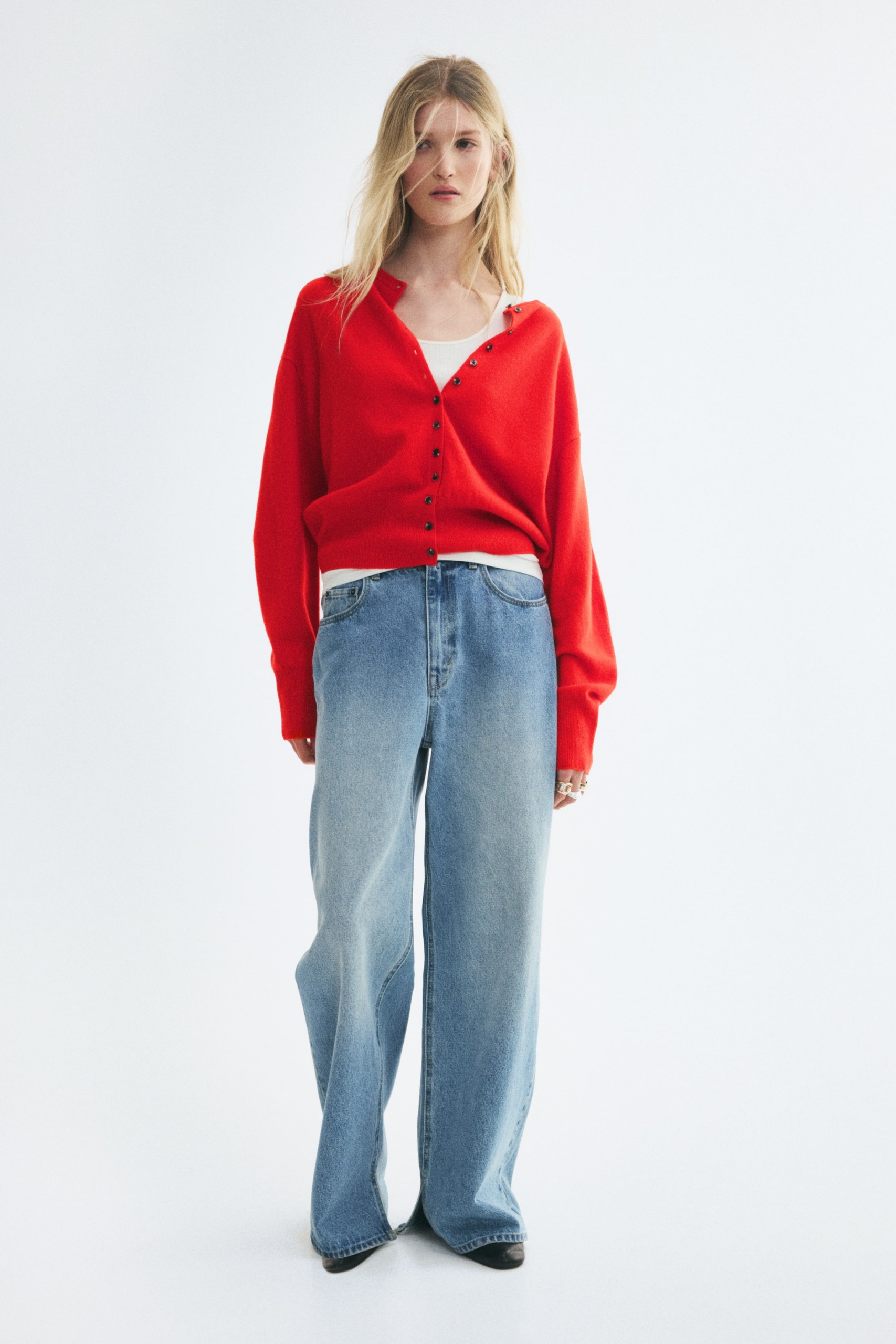
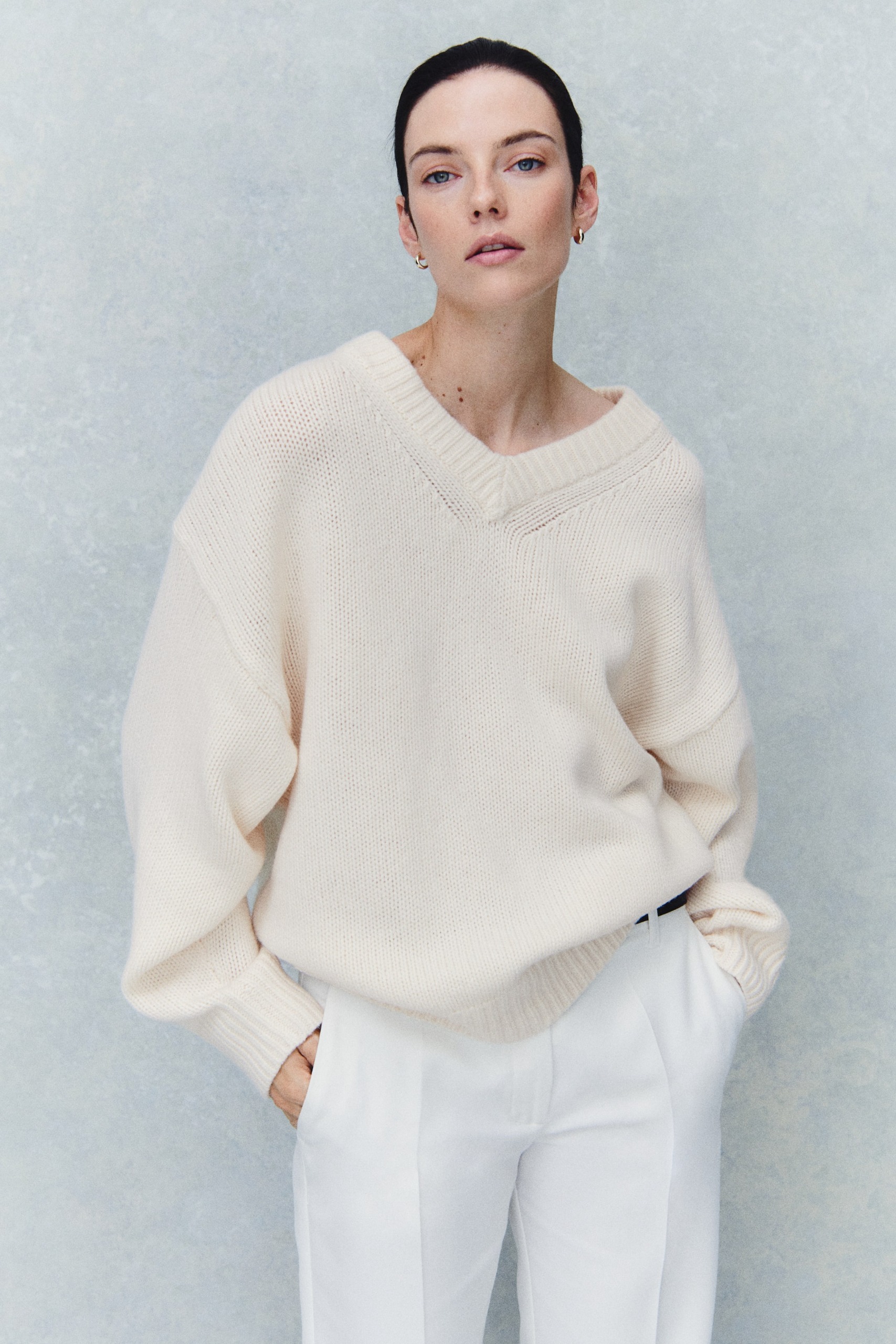
Refined Fabrications: The collection relies heavily on tactile, premium-feeling materials such as wool blends, cashmere mixes, fine-gauge merino wool, and structured twills.
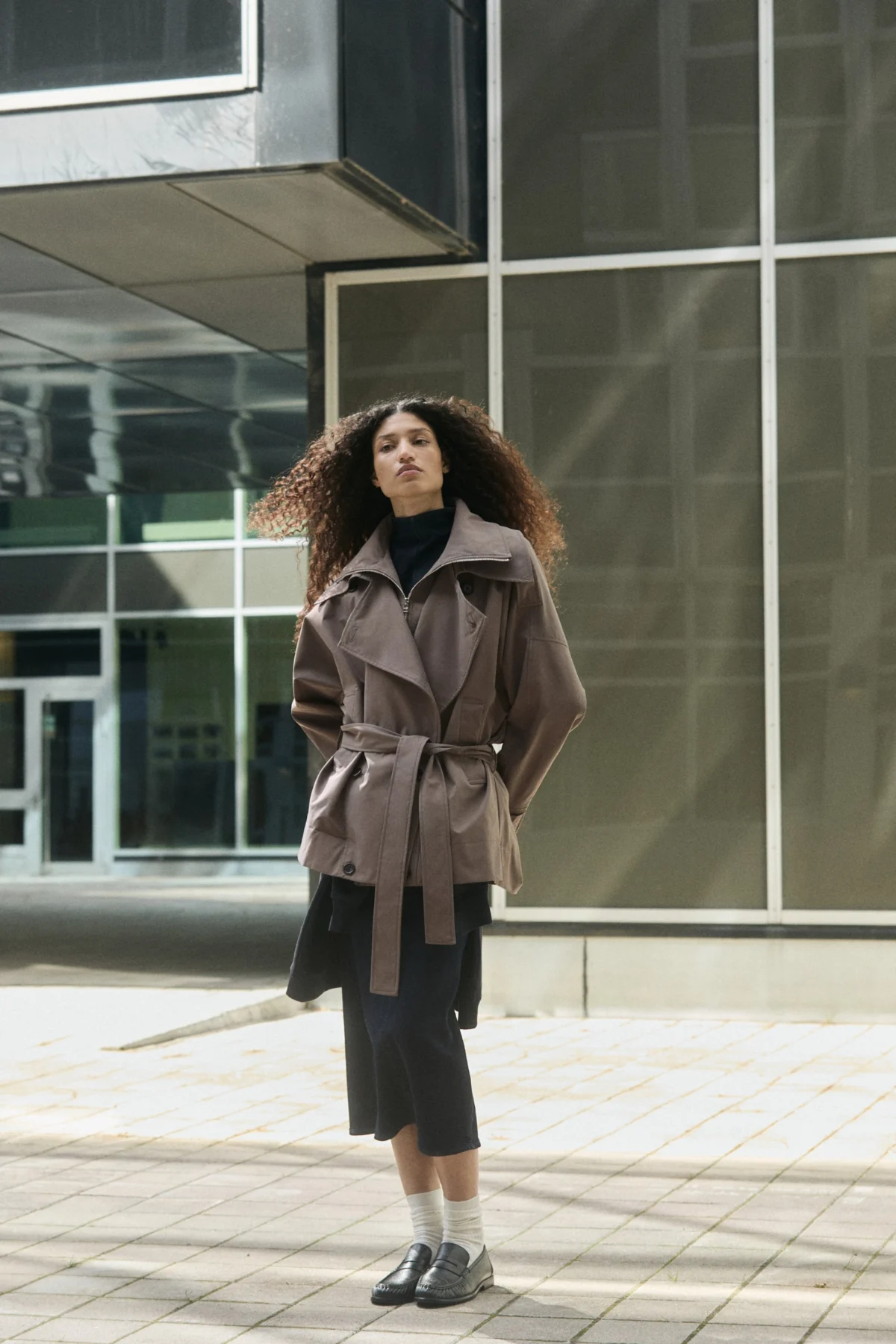
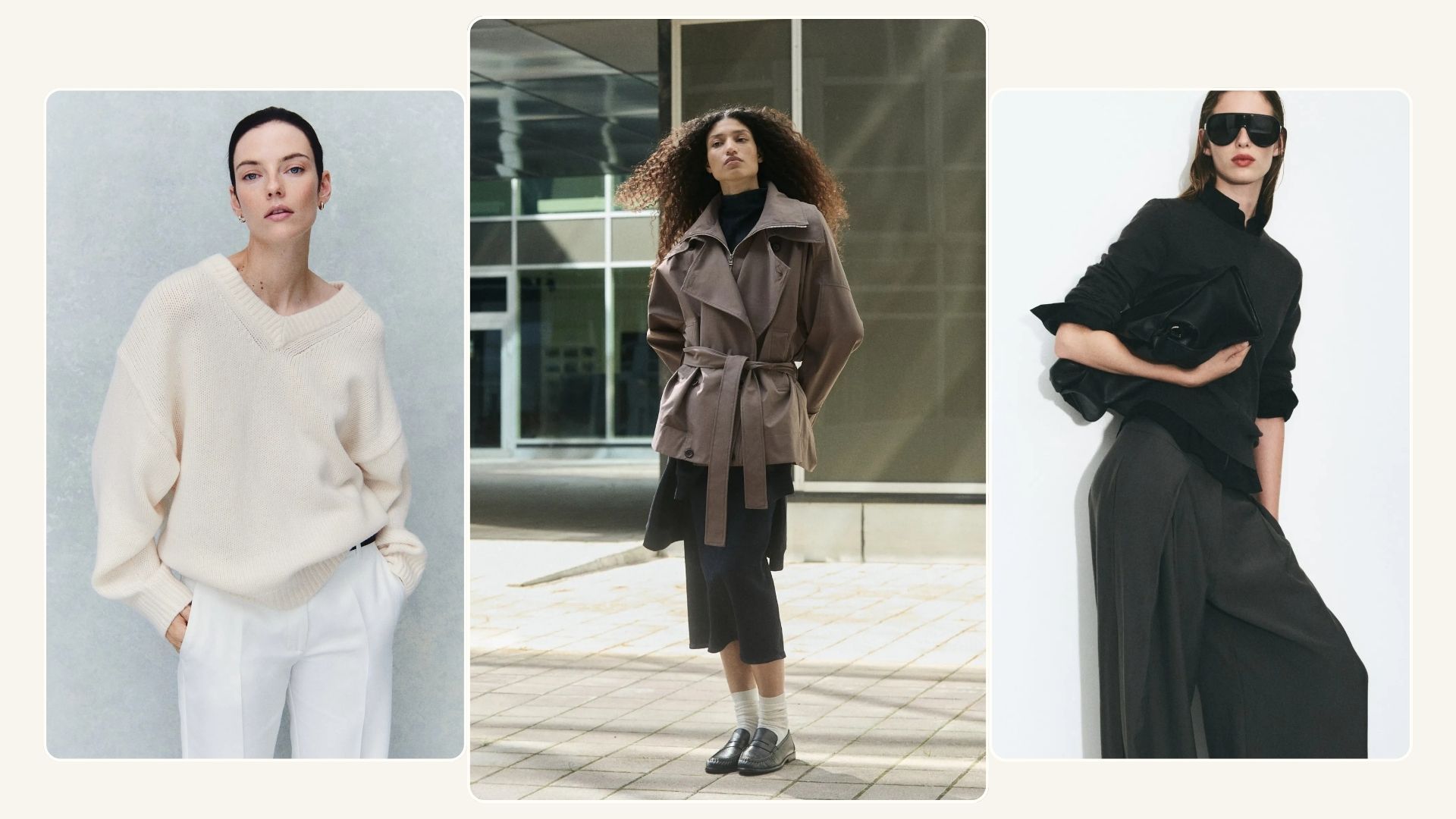
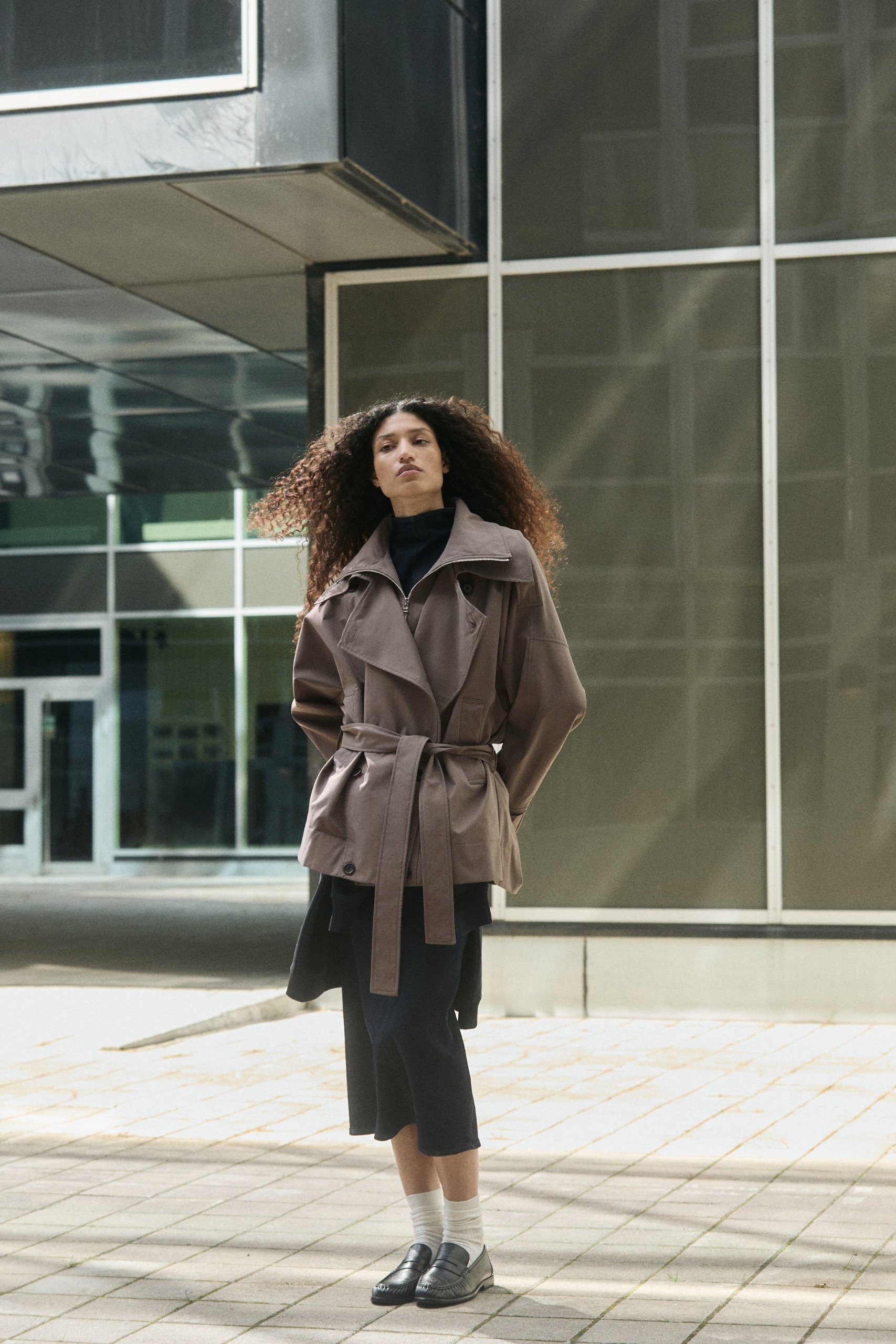
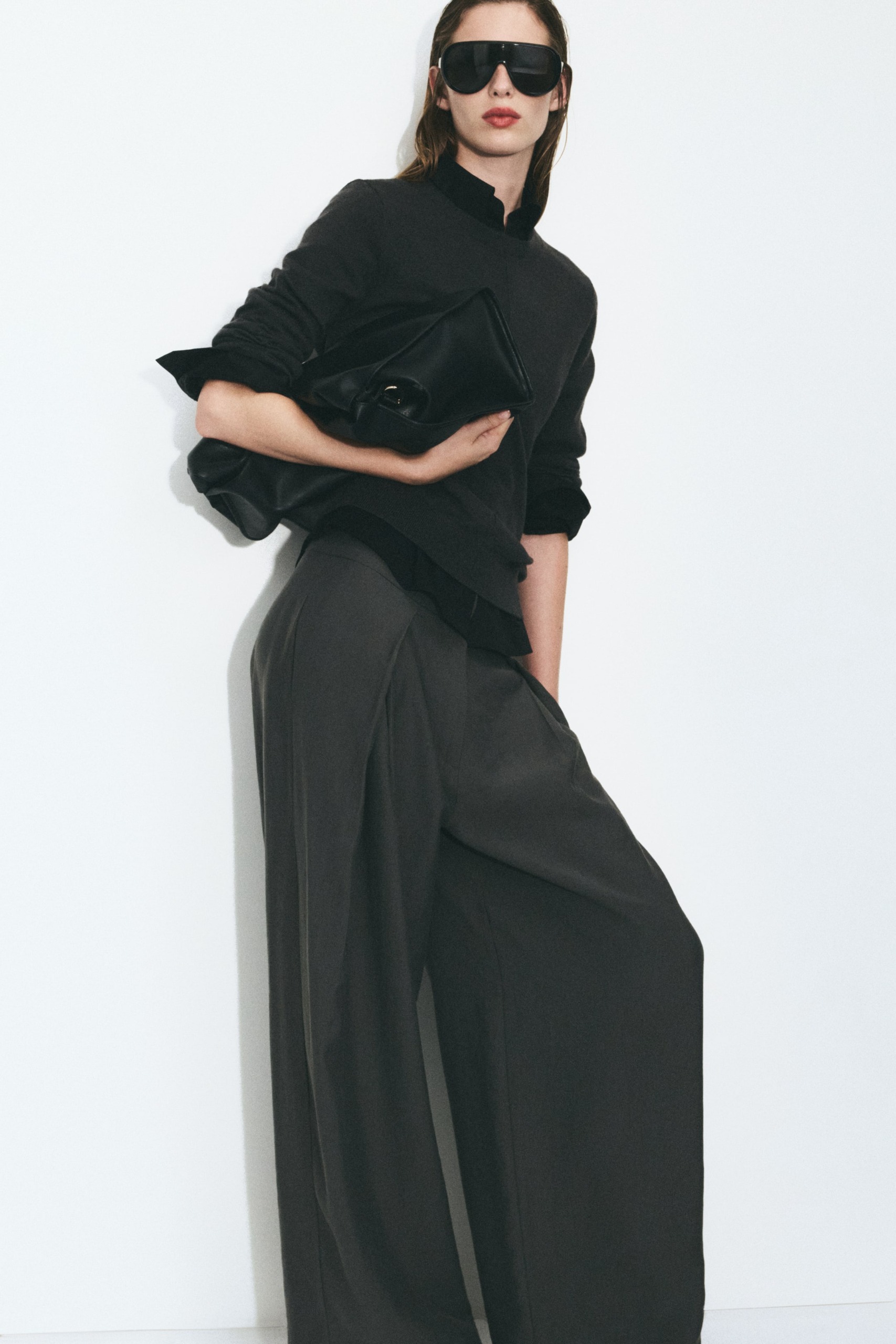
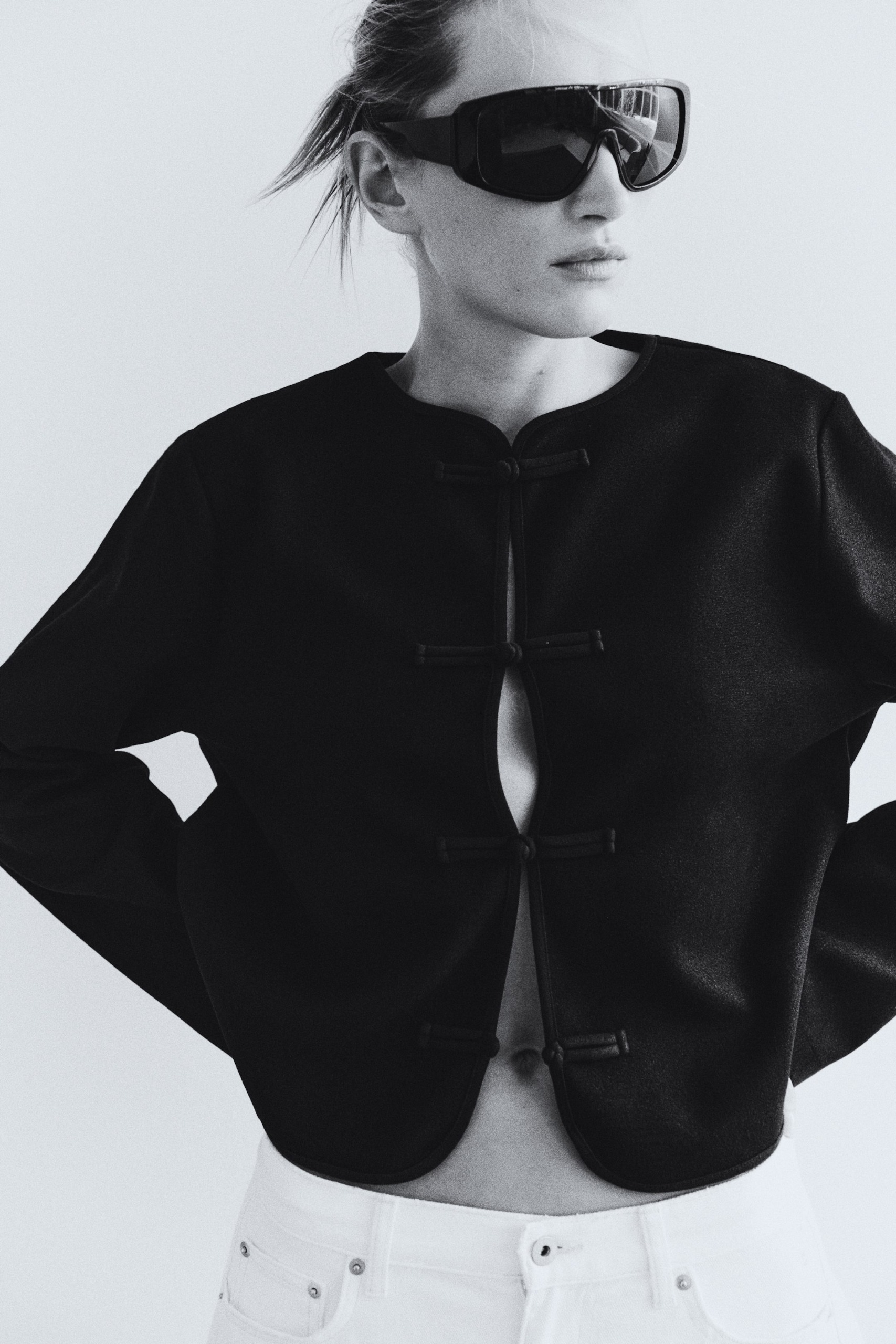
Tailored Silhouettes: Rather than relying purely on stretchy, casual fits, the brand has introduced sharply draped trousers, architectural outerwear, and impeccably constructed jackets with elevated hardware.
Strategic Pricing: Despite looking and feeling like mid-tier designer pieces, key items in the collection remain remarkably accessible, with most outerwear and knitwear staying well under budget constraints.
Fast-Moving Staples: Cult-favorite pieces—most notably the brand’s annual best-selling cashmere-blend jumpers and sculptural wool coats—are returning with updated design tweaks, generating immediate consumer demand and rapid sell-out rates.
A Chronology of the Autumn Rollout
The deployment of H&M’s autumn collection followed a carefully timed retail strategy designed to capture early-bird shoppers while sustaining momentum through the peak of the seasonal transition.
Late Summer: The Pre-Fall Tease
As temperatures peaked in August, the first indicators of the autumn collection appeared quietly online. These early offerings focused on transition-friendly pieces: lightweight knits, brushed cotton shirts, and structured jackets designed to bridge the gap between summer evening breezes and true autumn chill.
Early September: The Outerwear and Knitwear Drop
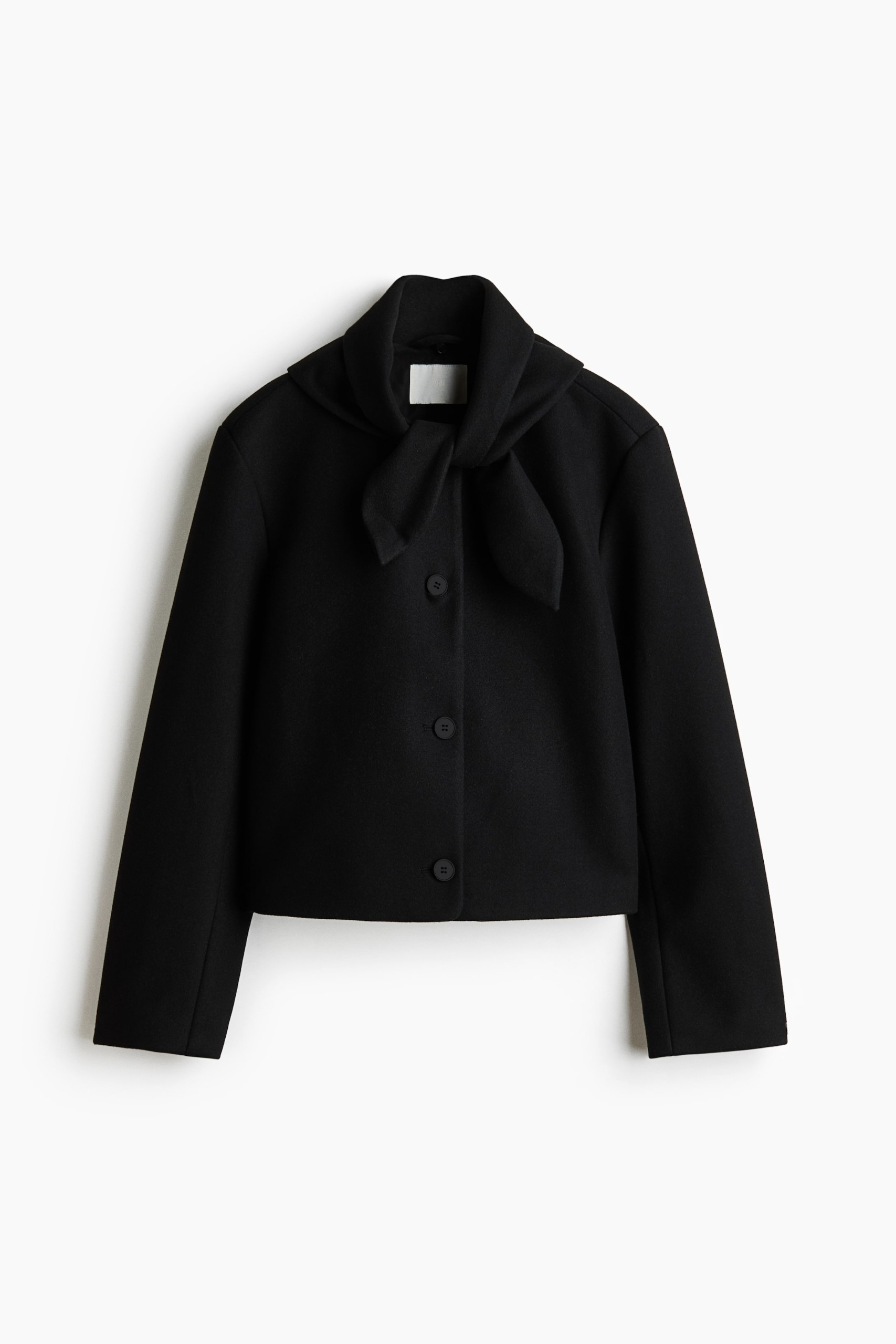
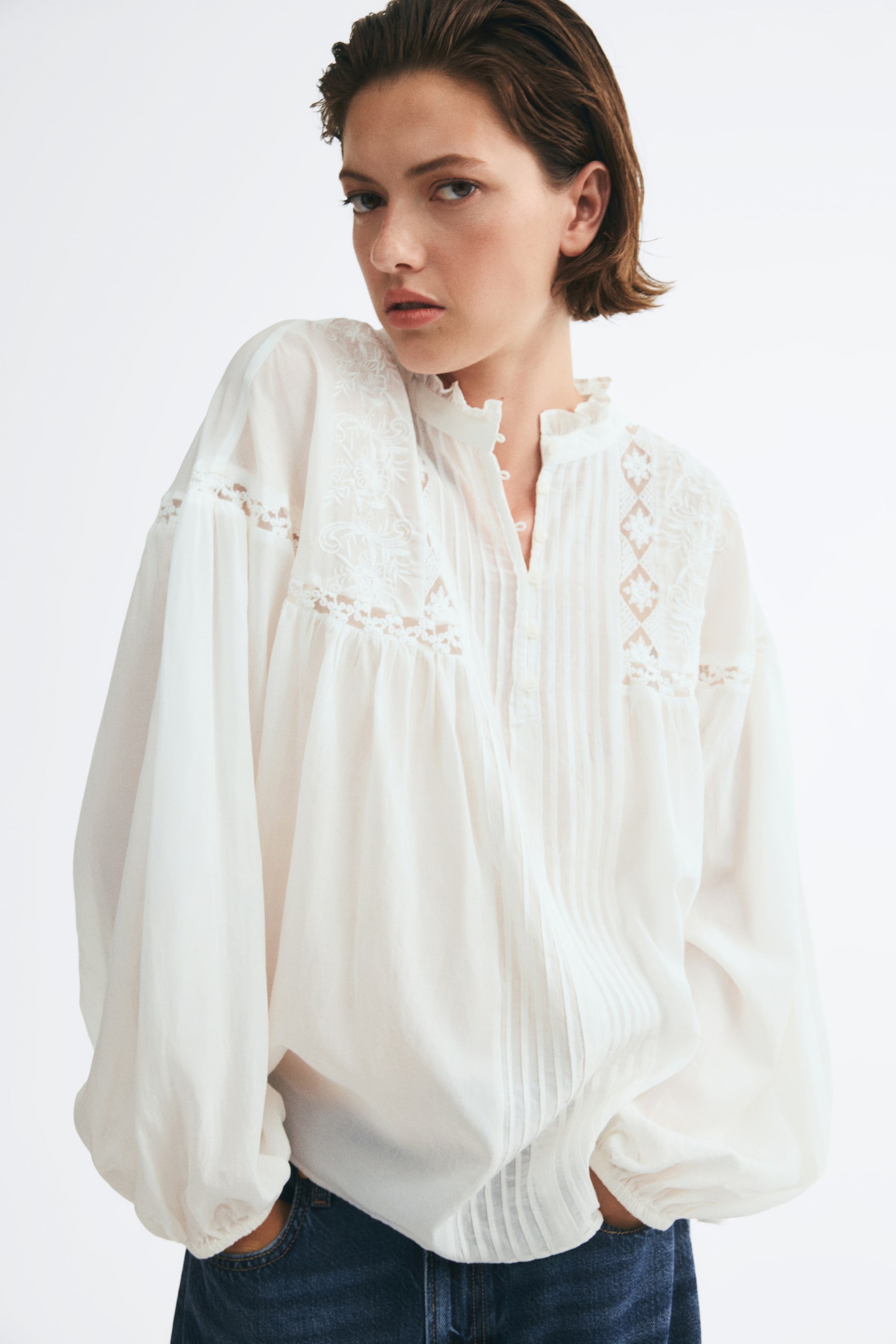
As September approached, the core of the collection landed. This phase introduced heavy-hitting capsule items, including the heavily anticipated Oversized Wool Jumpers, Scarf-Collar Twill Jackets, and the return of the perennial favorite Cashmere-Blend Jumper. Consumer engagement surged as fashion creators highlighted these pieces for their high-end appearance relative to their low price points.
Mid-September to October: Tailoring and Cold-Weather Anchors
The final wave of the collection introduced structural anchors: heavy wool coats, wide-leg tailored trousers with sophisticated draping, and coated outerwear. This phase caters to consumers finalizing their complete autumn-winter capsule wardrobes, locking in foundational items before the holiday shopping rush begins.
Supporting Data and Market Analysis: The High-Street Phenomenon
The retail success of H&M’s elevated autumn line is not accidental; it reflects broader shifts in consumer spending habits in response to economic pressures.
Value-Driven Elegance: Market data from retail analysts indicates a sustained surge in demand for "elevated basics." Consumers are increasingly reluctant to invest thousands in designer labels for seasonal trends, instead turning to fast-fashion innovators capable of mimicking high-end tailoring and fabrication.
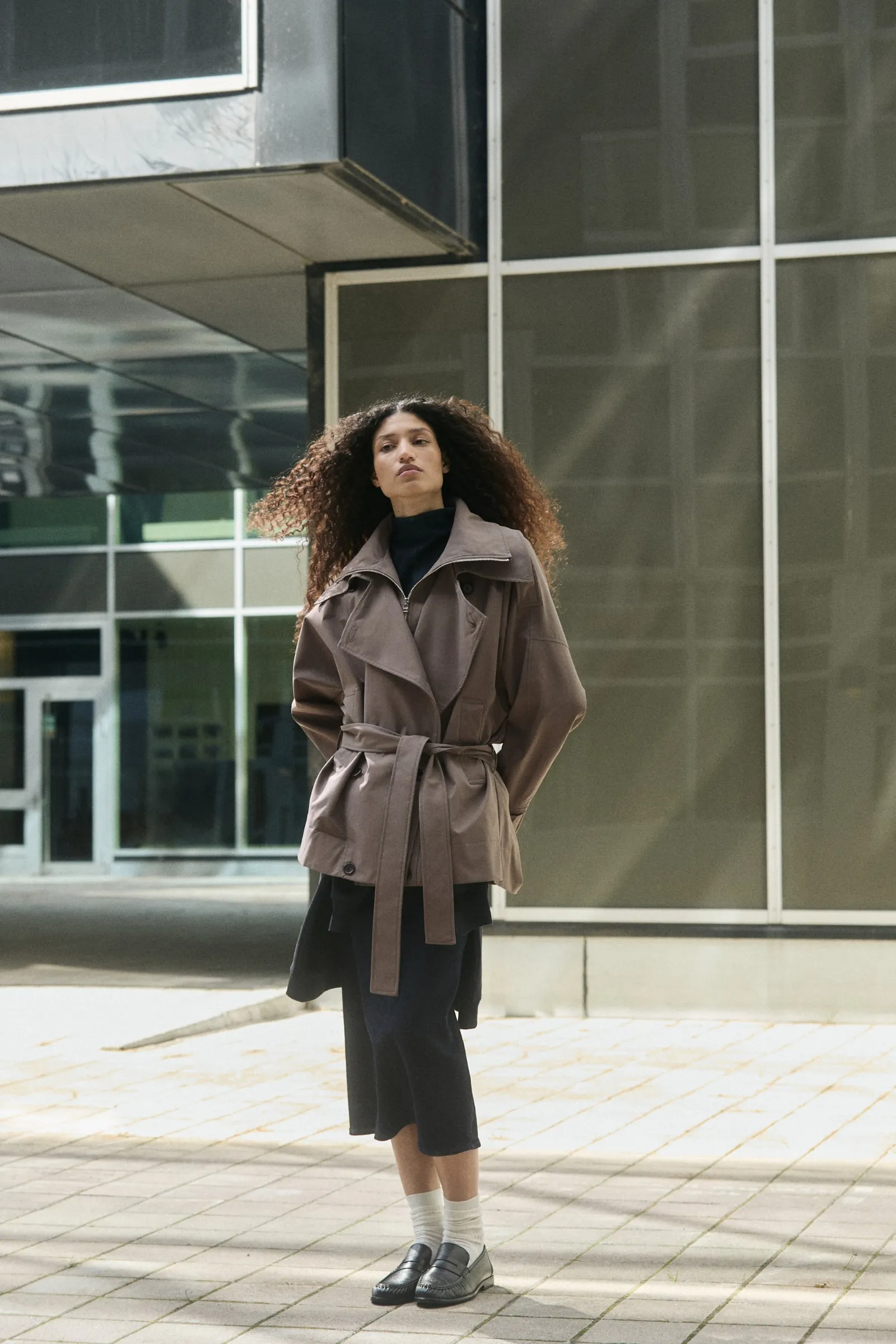
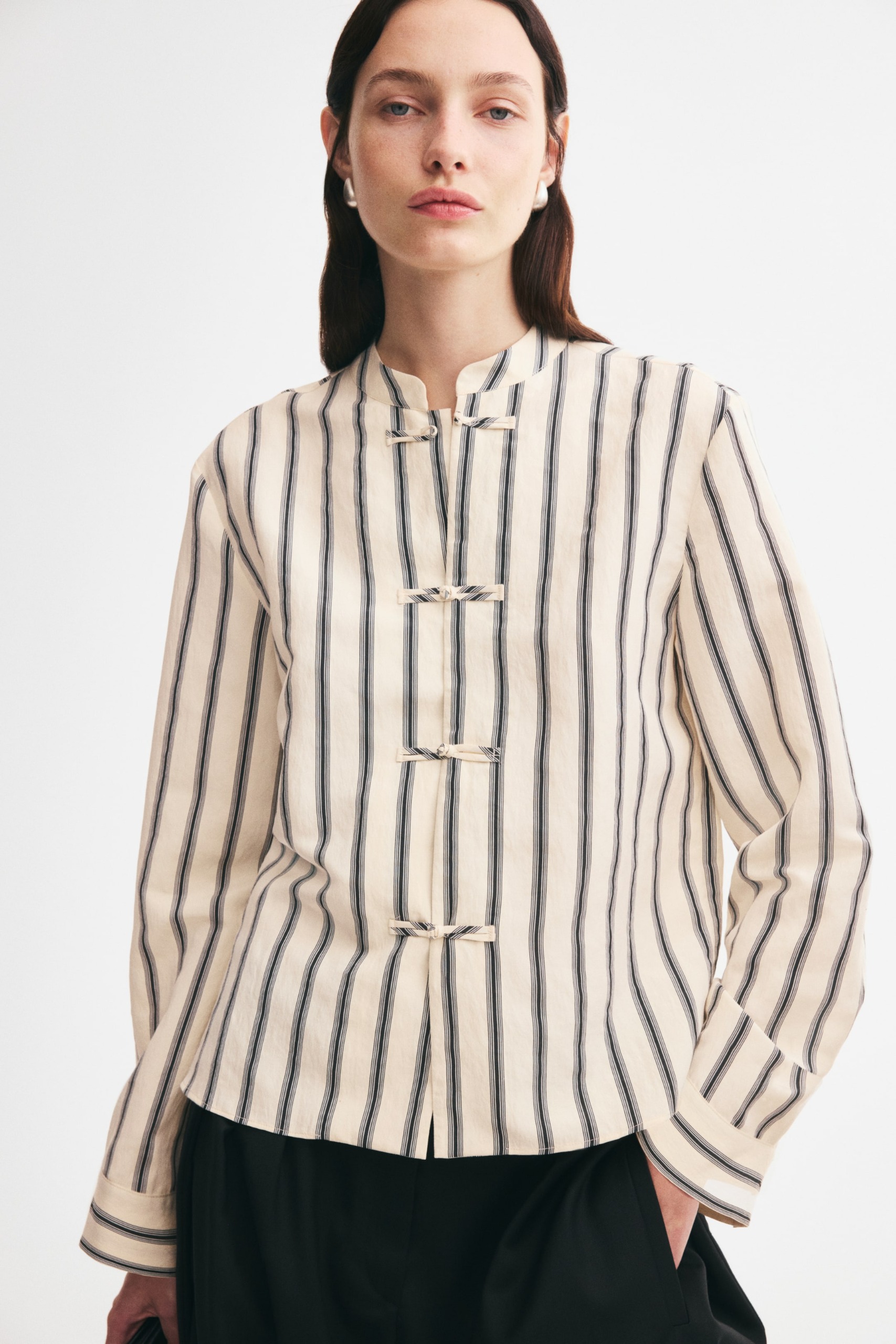
Digital-First Discovery: Over 60% of high-street fashion purchases are now influenced by digital lookbooks, social media curation (particularly TikTok and Instagram style breakdowns), and peer recommendations. Items featuring unique design details—such as the viral knot-button shirts and double-collar trench coats—have seen exponential organic reach online.
Inventory Turnover vs. Scarcity: H&M has capitalized on artificial scarcity by producing limited runs of its most elevated pieces (such as the cashmere and merino wool lines). This strategy drives immediate conversion, preventing unsold inventory while creating a sense of urgency among shoppers who recognize that once these pieces sell out, they rarely return until the following year.
Industry and Consumer Response
The fashion press and digital style communities have taken note of H&M’s design evolution, frequently featuring high-street finds alongside luxury designer pieces in seasonal "high-low" styling guides.
"The democratization of style is happening in real-time on the high street," notes one prominent London-based fashion editor. "When a retailer can deliver a double-collar trench coat or a beautifully draped wool trouser that looks like it belongs on a Milan runway for under £100, it fundamentally shifts how consumers approach building a capsule wardrobe."
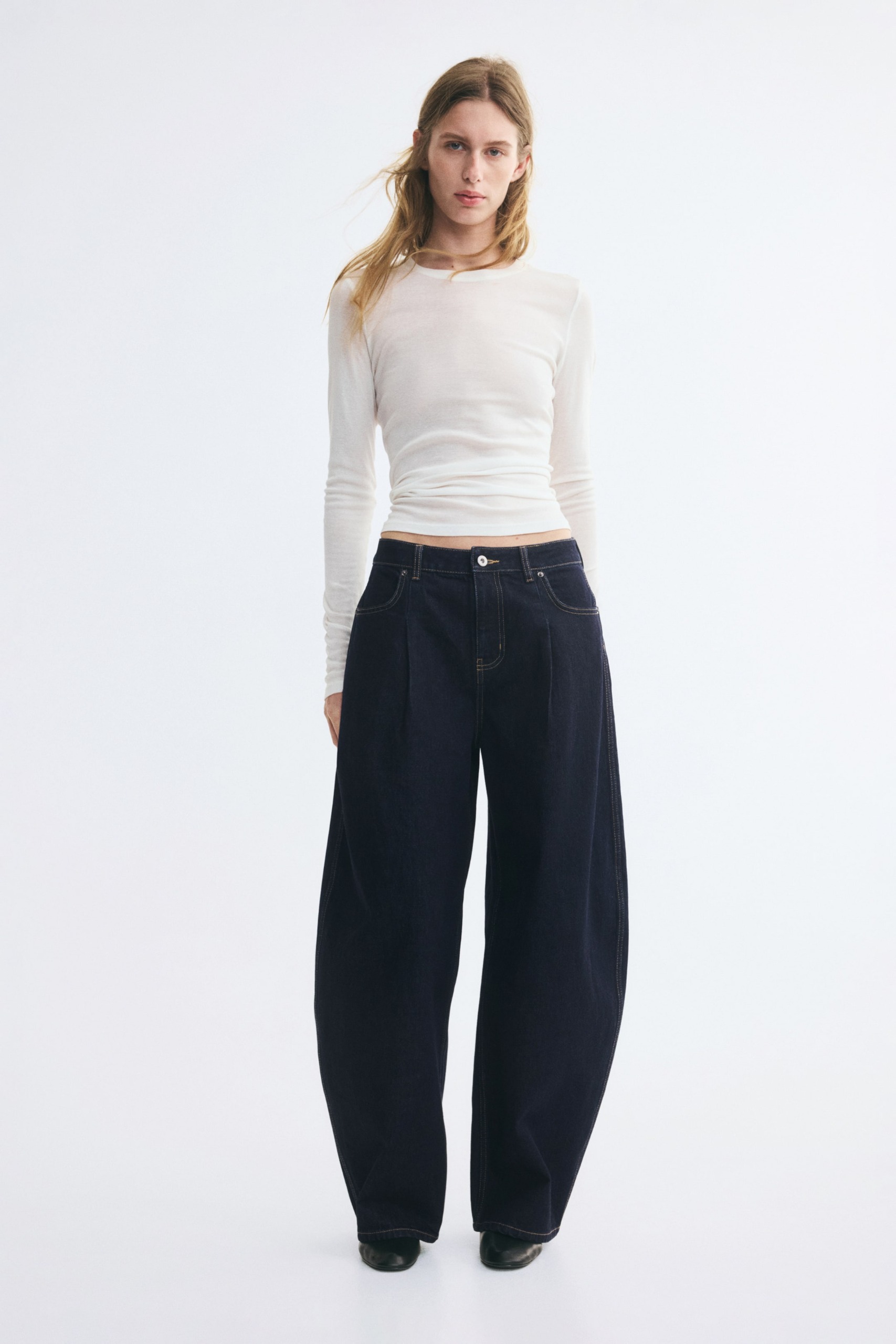
Consumers have echoed these sentiments across social platforms, praising the unexpected longevity and comfort of H&M’s updated wool-blend garments. However, seasoned shoppers have issued warnings regarding rapid stock depletion, advising buyers to snap up standout items—such as the newly introduced barrel-leg trousers and tailored outerwear—the moment they drop online.
Implications for the Future of Retail
H&M’s successful pivot toward expensive-looking, timeless autumn wear carries several notable implications for the broader fashion industry:
Elevated Standards for Mass Retail: Fast-fashion competitors can no longer rely solely on trendy, disposable items. Consumers demand tactile quality, longevity, and versatility, forcing mass-market brands to upgrade their manufacturing standards and material sourcing.
Sustainability Pressures: While offering affordable luxury increases accessibility, it places heightened scrutiny on production ethics. As consumers buy more "timeless" pieces intended to last multiple seasons, transparency regarding wool sourcing, cashmere blending, and labor practices will remain a critical metric for brand loyalty.
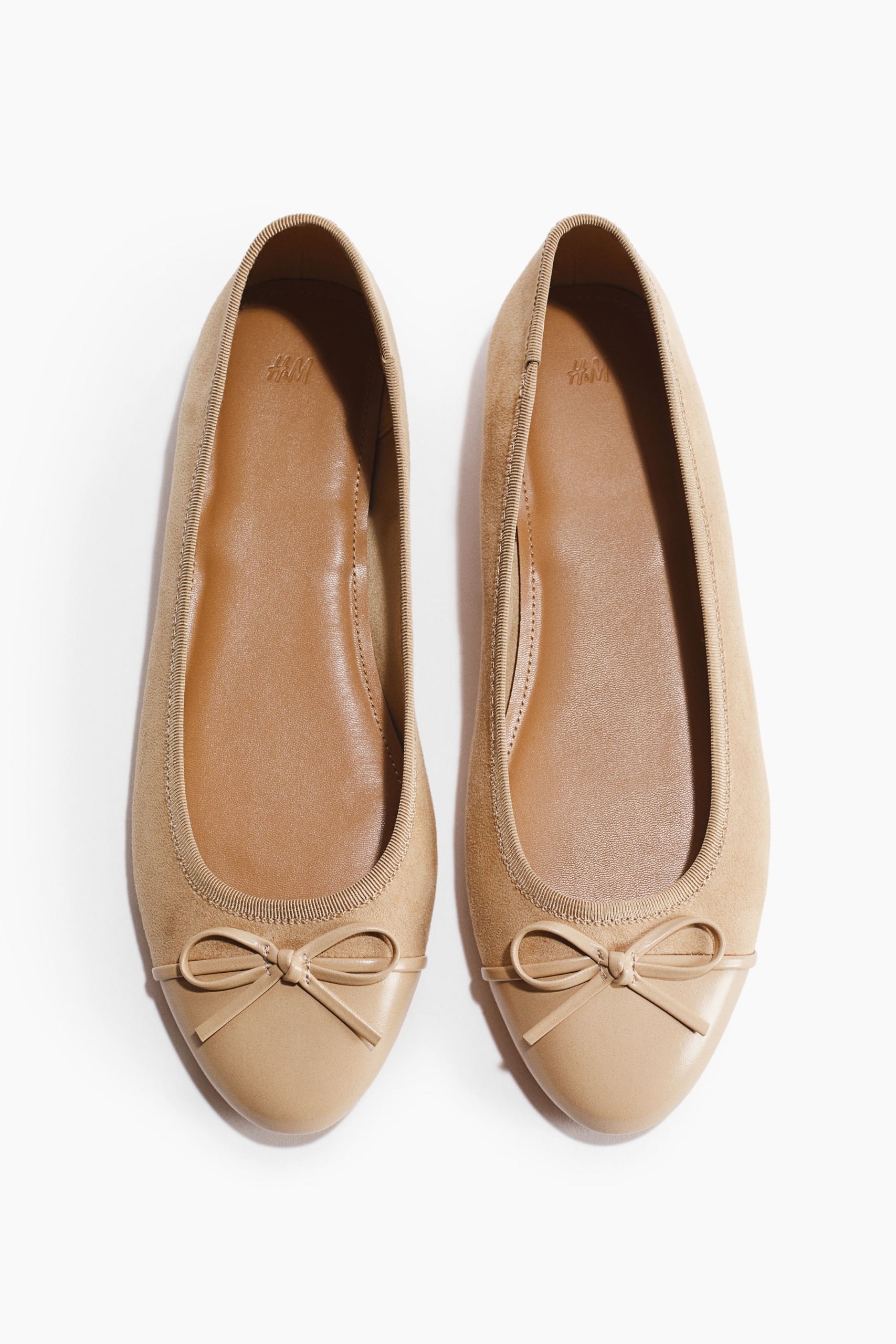
The Blurring Lines of High-Low Fashion: The modern consumer cares less about brand prestige and more about silhouette and styling execution. The ability to seamlessly mix an H&M merino wool polo-neck with vintage designer accessories or high-end footwear has become the definitive uniform of the contemporary style icon.
Ultimately, H&M’s autumn collection proves that dressing with elegance and sophistication does not require an extravagant budget—it requires a discerning eye for clean lines, rich textures, and thoughtful layering.


 Lina Hope
 Laily UPN
 Nana Muazin
