

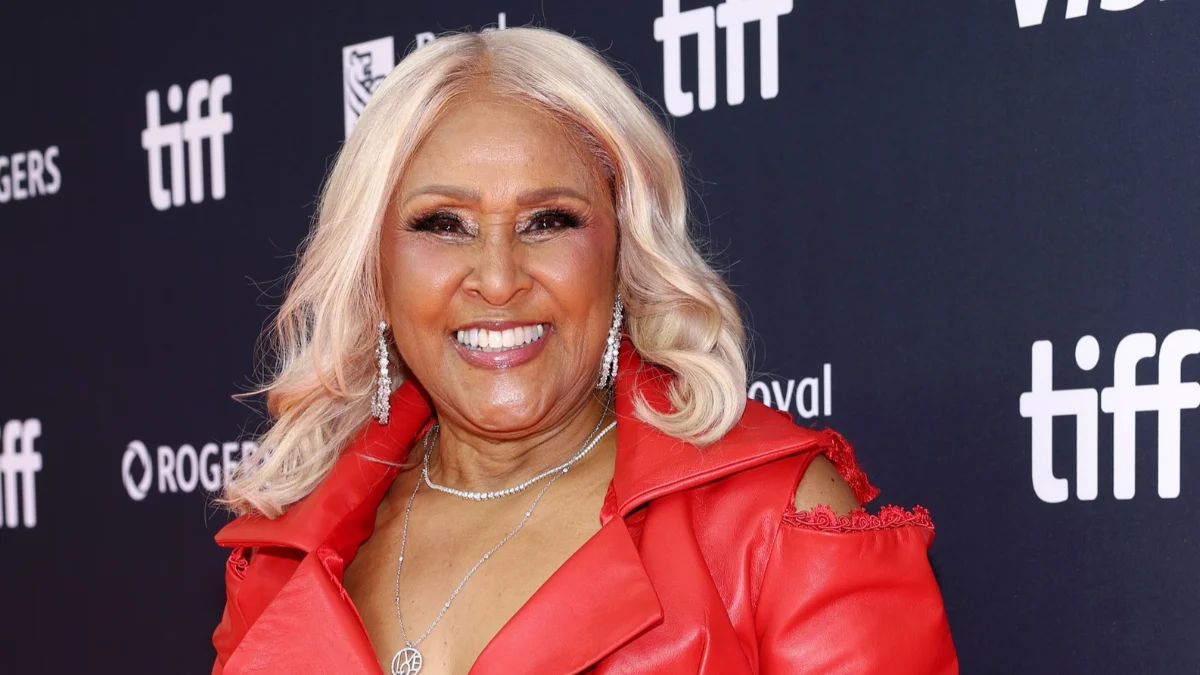
For decades, Darlene Love was the industry’s best-kept secret—a powerhouse vocalist whose pipes defined the sound of the 1960s, even if the public didn’t always know her name. Thirteen years after she gained widespread acclaim as a featured subject in the Oscar-winning documentary 20 Feet From Stardom, Love is finally reclaiming her narrative in full. At 85, the legendary singer has debuted her own definitive documentary, Darlene Love: I Know Where I’ve Been, which premiered to standing ovations at the 2026 Toronto International Film Festival (TIFF).
Directed by veteran filmmaker Barry Avrich, the documentary serves as both a retrospective of an unparalleled musical journey and a testament to the resilience of a woman who refused to be silenced by an industry that often sidelined her.
The Main Facts: A Portrait of Resilience
Darlene Love: I Know Where I’ve Been is not merely a biography; it is a reclamation project. The film shifts the spotlight from the star-studded casts that Love has supported throughout her life to the woman herself. At 85, Love stands as a living bridge between the Golden Age of pop and the modern musical landscape.
The film meticulously tracks her trajectory from a young gospel singer to the studio powerhouse behind some of the most influential records in history. Produced with the support of executive producer Taraji P. Henson, the project carries a weight of urgency. It frames Love’s life not as a tragic tale of exploitation, but as a triumphant saga of survival. As the film currently seeks distribution, it stands as the most comprehensive look at a woman who, despite being the "voice" behind the hits, had to fight for decades to earn the credit she was owed.
A Chronological Odyssey: From Wall of Sound to Cleaning Homes
To understand the significance of this documentary, one must look at the timeline of Love’s career—a rollercoaster of unparalleled highs and crushing lows.
The 1960s: The Spector Era
Love’s professional life began in the crucible of the 1960s music industry. Under the tutelage of the volatile producer Phil Spector, Love became an essential, if often uncredited, component of the "Wall of Sound." Her voice was the driving force behind "He’s a Rebel," a track that hit number one on the Billboard Hot 100. She provided the backbone for The Ronettes’ iconic "Be My Baby" and added the haunting, iconic vocals to Boris Pickett’s "Monster Mash."
During this era, Love was everywhere, yet she was rarely on the cover of the records. She was a session singer, a ghost in the machine, contributing to tracks that would become the cultural DNA of a generation while remaining largely anonymous to the record-buying public.
The Disappearing Act: The Long Silence
The middle act of Love’s story is defined by a jarring shift in reality. Faced with a changing industry and personal obligations, Love stepped away from the limelight to raise her family. The reality of the transition was stark: the woman who had topped the charts was soon cleaning houses in the affluent neighborhoods of Beverly Hills to make ends meet. It was a period of deep humility, one that the documentary handles with raw honesty, showcasing the quiet strength required to navigate a life far removed from the glamour of the recording studio.
The 1980s Resurgence
The 1980s marked a second life for Love. Her return to the stage was not just a comeback; it was an awakening. Through sheer force of will, she began rebuilding her career, moving from the peripheries to the front of the stage. She began collaborating with giants—Bruce Springsteen, Cher, and Paul Shaffer—who recognized the instrument that was her voice. This era transformed her from a "session singer" into a "legend," a transition the film documents with archival footage and modern interviews that highlight her enduring vocal capability.
Supporting Data: The Alchemy of a Legend
The documentary is bolstered by testimonials from those who witnessed the "Love effect." Barry Avrich, whose direction provides a polished, respectful gaze at Love’s life, noted during an interview with TheWrap that Love is a unique phenomenon in pop history.
"When you think about her voice and you think about her career, it’s the alchemy of the greats," Avrich said. "She isn’t just a singer who survived; she is the thread that connects the dots of 20th-century music."
The film also provides a technical look at her contribution to the music industry. By deconstructing the tracks she worked on, the documentary illustrates how Love’s specific vocal texture—a blend of gospel grit and pop sweetness—defined the sound of the 60s. It wasn’t just that she sang well; it was that she sang with a soul that the industry was desperately trying to commodify.
Official Responses and The "It’s My Turn" Ethos
The emotional core of the film is found in the interviews with those closest to the project. Taraji P. Henson, who served as an executive producer, became involved because she recognized the cultural imperative of Love’s story.
"All the odds were stacked against her, and she still prevailed," Henson remarked. "That’s inspiration. That’s a story that is needed now, and I think the universe lined it up this way."
For Love herself, the documentary is a final settling of accounts. Throughout the film, she reflects on the decades spent in the shadow of others. Her tone, however, is not one of bitterness, but of profound satisfaction. In one of the film’s most poignant moments, Love reflects on her place in the industry with a simple, powerful declaration: "In the film, I say this about me, and I didn’t always say it: It’s my turn."
This mantra—It’s my turn—serves as the thematic heartbeat of the documentary. It is an acknowledgement that while her talent was always there, her moment of total, undisputed ownership of her legacy has finally arrived.
Implications: Why This Documentary Matters Now
The release of I Know Where I’ve Been comes at a time when the entertainment industry is undergoing a reckoning regarding the treatment of artists, particularly women and people of color who were marginalized in previous decades.
A Lesson in Artistic Ownership
The film serves as a cautionary tale about the importance of intellectual property and credit in the music business. By tracing Love’s path, the documentary highlights the systematic ways in which female vocalists were often treated as disposable assets rather than creative partners. Its success at TIFF signals a growing public interest in the "behind-the-scenes" architects of our cultural history.
The Longevity of the Human Spirit
Beyond the music, the film offers a broader lesson on aging and professional longevity. At 85, Love is performing with a vigor that rivals artists decades her junior. The documentary challenges the industry’s ageist bias, proving that talent of this magnitude does not expire. It suggests that there is a profound power in endurance—in the ability to keep singing, keep working, and keep showing up, even when the world is looking the other way.
The Search for a Home
As the film currently navigates the landscape for distribution, it is expected to generate significant interest from streaming platforms and arthouse distributors. Its potential reach is vast; it appeals not only to fans of 1960s music but also to a younger demographic interested in social justice and the history of the music business.
The documentary is a victory lap, but it is also an invitation. It invites the audience to listen closer to the songs they have known for years, to hear the voice behind the "Wall of Sound," and to acknowledge the woman who paved the way for generations of performers.
Conclusion
Darlene Love: I Know Where I’ve Been is a cinematic triumph that captures the essence of a woman who has lived a thousand lives in one. Through Barry Avrich’s lens, we are treated to the spectacle of a true American icon finally claiming her rightful place in the pantheon of rock and pop royalty.
Whether it is the haunting melodies of her early hits or the powerful resonance of her voice today, Darlene Love has proven that she is, and has always been, the star. As she states in the film, the wait is over. It is her time. And if the reception at the Toronto International Film Festival is any indication, the world is more than ready to listen.
 Dwi Wanna
 Iffa Jayyana
