

Published: September 16, 2026
Author: Josh Broadwell
Main Facts
- Fire Emblem: Fortune’s Weave
- Developer: Intelligent Systems
- Publisher: Nintendo
- Platform: Nintendo Switch 2
- Release Window: September 2026
- Setting: The Dagdan Empire, centuries before the events of 2019’s Fire Emblem: Three Houses.
- Core Premise: A time-travel narrative in which a custom player character guides various historical "Flame Lords" through their formative years to alter a tragic future where the lord of the underworld has reduced the continent of Dagda to ruin.
- Structural Scope: Features four distinct branching opening acts that require over 120 hours of playtime to fully experience, showcasing a heavily streamlined home-base mechanic, advanced hardware utilization on Nintendo’s next-generation platform, and a drastically overhauled, highly personalized character-skill and combat system.
Chronology: A Journey Through Time, War, and Memory
The clock ticked past 2:00 a.m., marking yet another late August evening spent engrossed in Fire Emblem: Fortune’s Weave. Guiding a small, woefully underprepared army across a fortified bridge, caught between rampaging elephants in the rear and a bastion of horrors ahead, the strategic tension crystallized why developer Intelligent Systems has outdone itself. Before the enemy horrors could be addressed, a fourth wave of flying reinforcements caught the formation entirely off guard, forcing a tactical retreat and bringing an abrupt end to the night’s campaign.

Playing on hard mode with a looming review deadline invites self-reflection, yet every near-defeat only deepens the admiration for what Fortune’s Weave accomplishes.
The Prologue and the Dagdan Empire
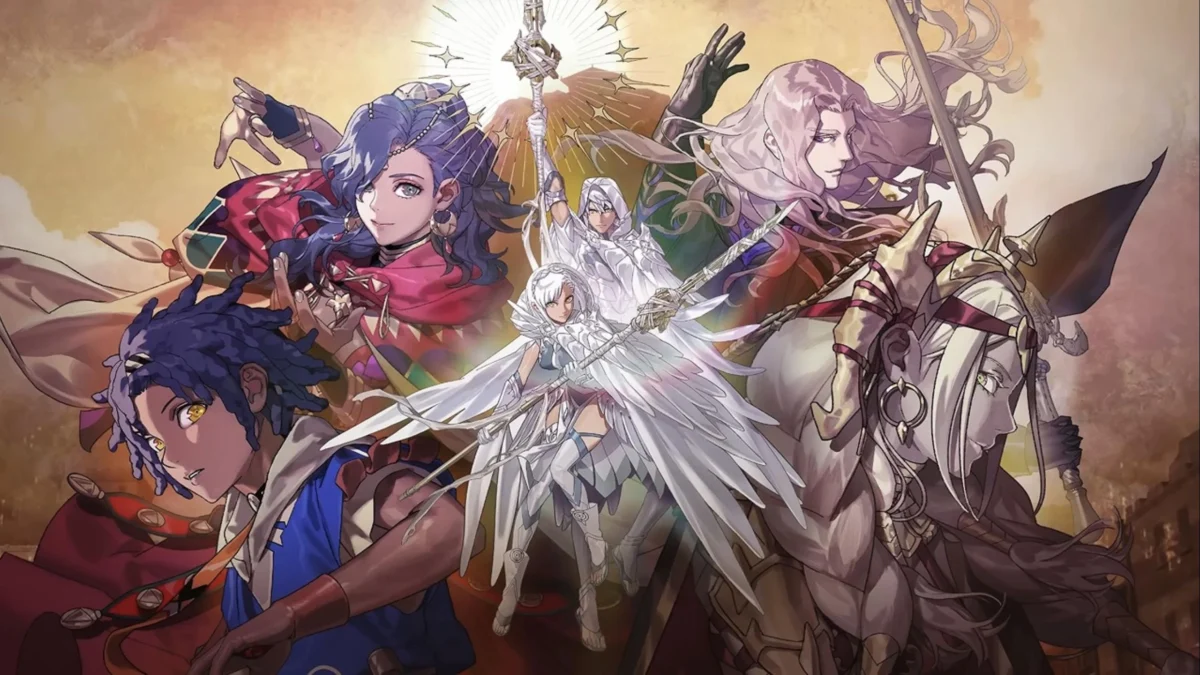
Fortune’s Weave begins centuries before the timeline of 2019’s Fire Emblem: Three Houses, transporting players to the Dagdan Empire south of Fódlan. Right from the prologue—which evokes the visceral scale of Attack on Titan and the thematic soul of Xenoblade Chronicles—geography and temporal mechanics take center stage. The custom player character wakes in a dead city alongside a rogue mage, a gun-wielding veteran, and the goddess Fortuna.

While the overarching narrative belongs to Fortuna, the opening 30 hours focus on a desperate mission: the lord of the underworld has returned, leaving Dagda in ruins. With forces too sparse to mount a direct assault, the player must travel backward in time to guide the nation’s greatest historical figures—the Flame Lords—along alternative paths.
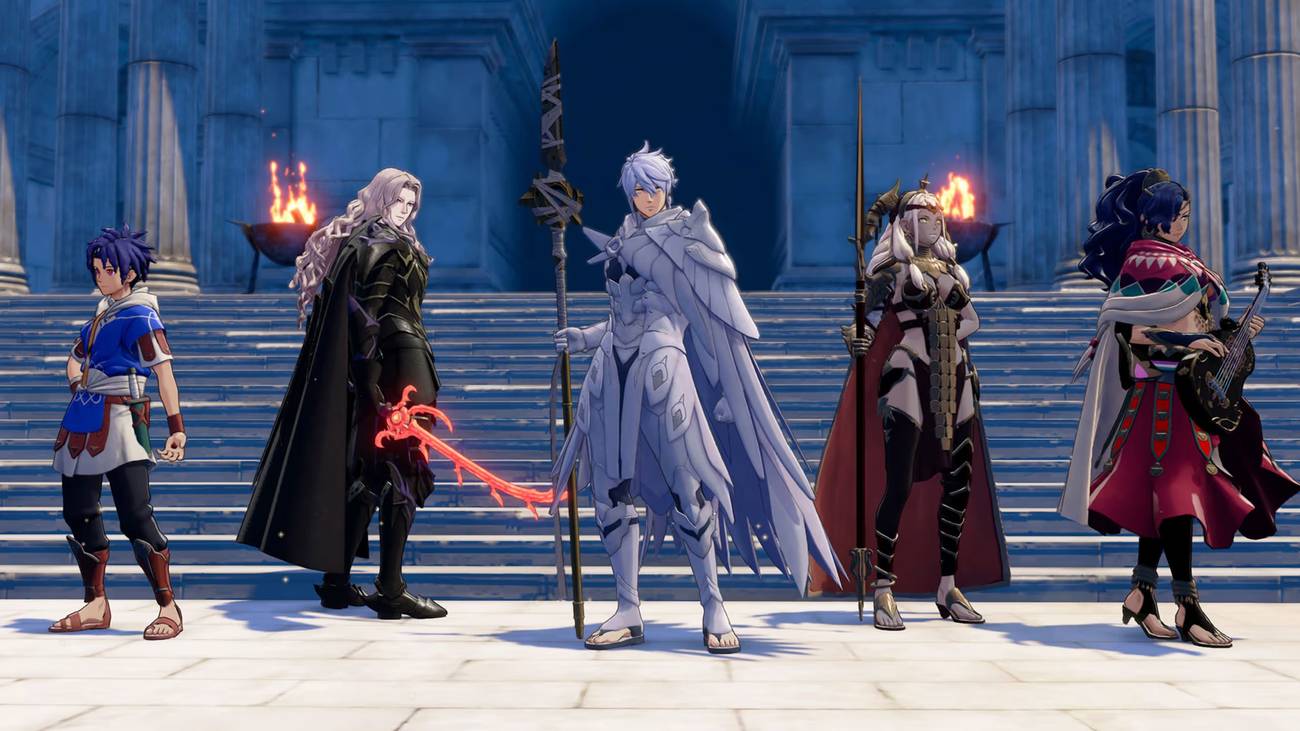
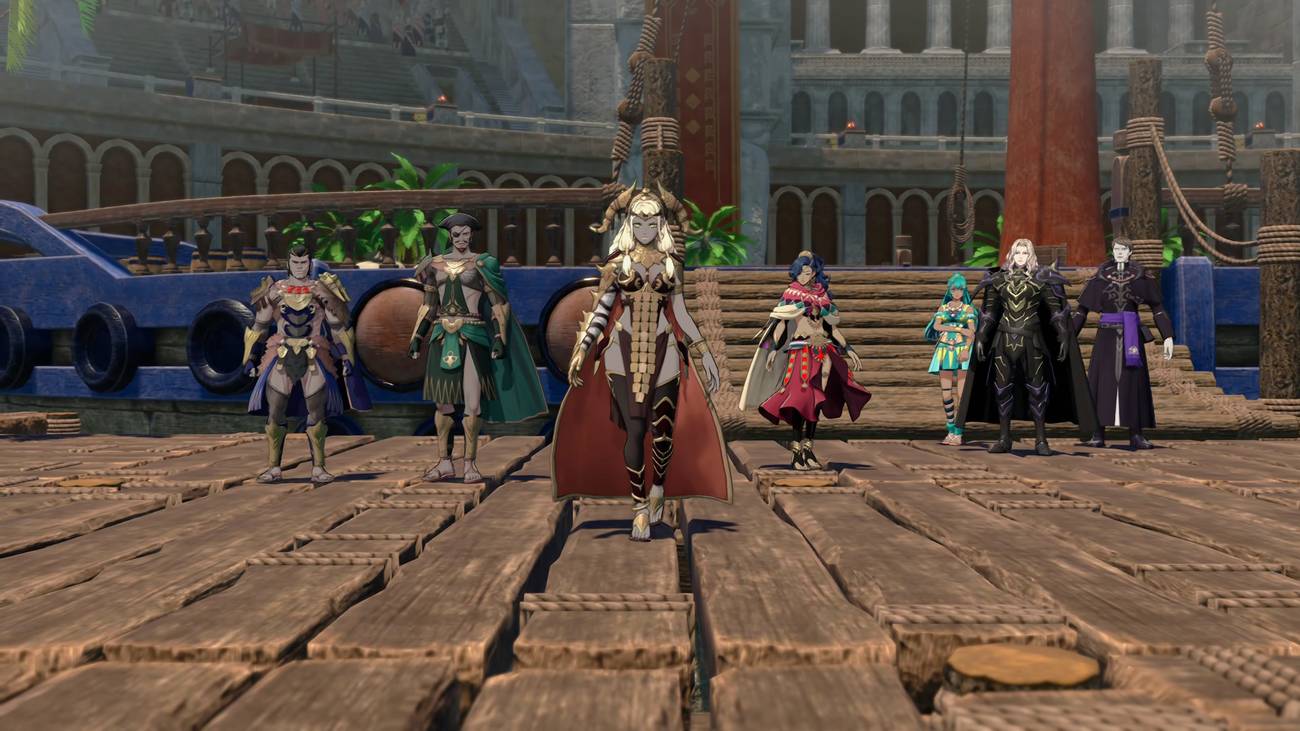
Characters such as Leda (seeking vengeance for her family), Theodora (fighting for marginalized national recognition), Dietrich (consumed by bloodlust), and Cai (striving for familial peace) converge on the capital city of Dagsion for the Heroic Games. Winning the games grants their dearest wish, providing the narrative scaffolding for the game’s expansive first act.
Act-Based Evolution
Following the character-centric foundations of Act 1, the narrative shifts gears in Act 2, focusing heavily on events rather than individual personal dramas. This segment unfolds similarly regardless of the chosen Flame Lord, serving as a jarring, event-driven pivot reminiscent of classic entries like 1996’s Fire Emblem: Genealogy of the Holy War.
Act 3 merges the structural freedom of the early game with the large-scale military clashes of the middle chapters. It serves as the crucible where personal relationships built decades prior pay off, forcing players to reckon with the government-sanctioned history of Dagda and the ultimate consequences of Fortuna’s intervention.
Supporting Data: Streamlined Systems and Hardware Utilization
Refined Interpersonal Mechanics
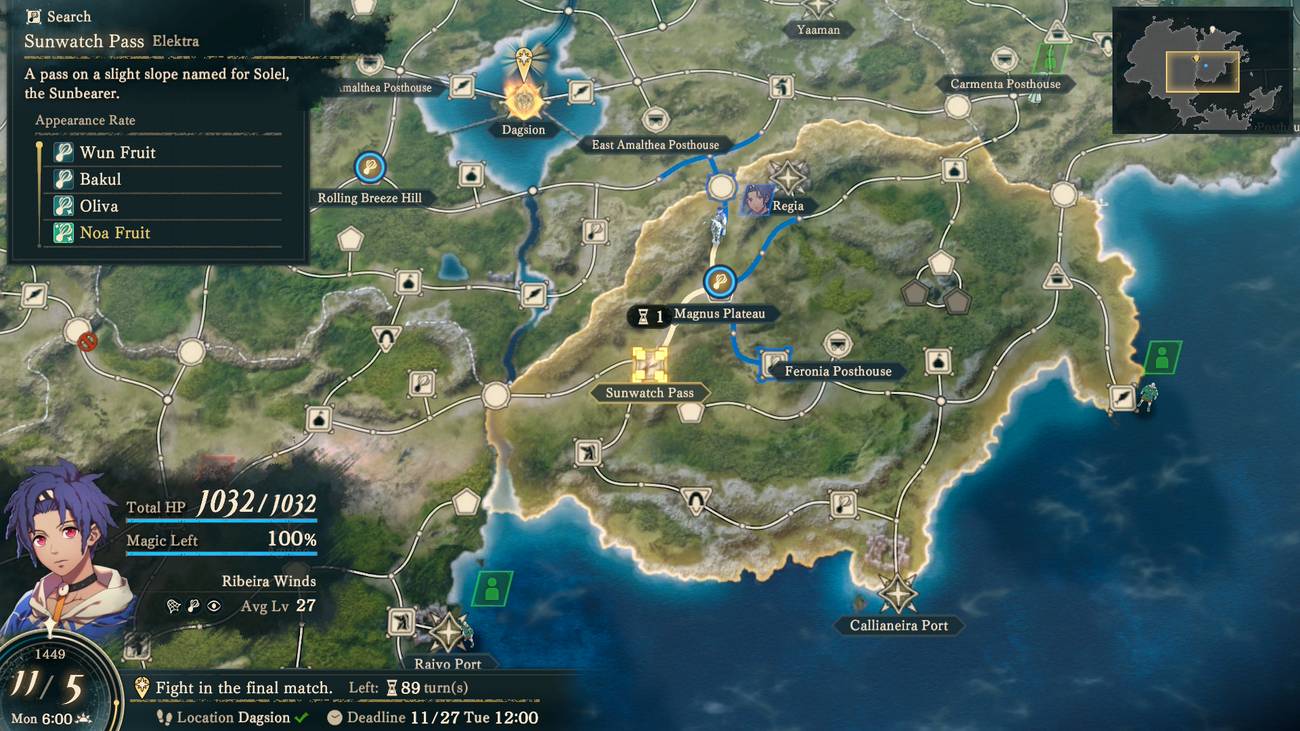
Functionally, the non-combat segments of Fortune’s Weave refine the social loops introduced in Three Houses. Players spend free time finding allies, clearing side quests, doing odd jobs, and improving combat skills. Even with over 100 turns to allocate before a major engagement, the game avoids padding or artificial bloat.
Streamlined design choices—such as rewarding "auto-activities" that quickly pass time or allowing quick-fire skirmish battles in dungeons using a single button press—ensure the experience respects the player’s time. Whether visiting theaters and bathhouses to boost support levels, shopping for recruitment gifts, or spending days gathering crafting materials for traveling merchants, every action directly impacts battlefield preparedness.
Nintendo Switch 2 Hardware Integration
Utilizing the advanced hardware of the Nintendo Switch 2, Fortune’s Weave eliminates the technical bottlenecks of its predecessors.
- Load Times: Booting from the main menu takes under 10 seconds, and transitioning into active gameplay requires only a few more. Moving across the densely populated capital of Dagsion takes less than five seconds, a massive improvement over the sluggish pacing of Garreg Mach Monastery in Three Houses.
- Visual Fidelity: Battle animations, cinematics, portrait movements, and character models have been dramatically enhanced, delivering a smooth, visually cohesive tactical experience.
Official Responses and Creative Vision
Intelligent Systems has crafted a project that functions as a confident declaration for a studio and a genre that spent decades searching for its footing in modern entertainment. By deliberately withholding information, Fortune’s Weave subverts modern gaming conventions. Rather than providing exhaustive lore dumps as check-list tasks, the game preserves the autonomy of its characters. Their histories do not entirely belong to the player, generating a sense of vastness and genuine unpredictability.
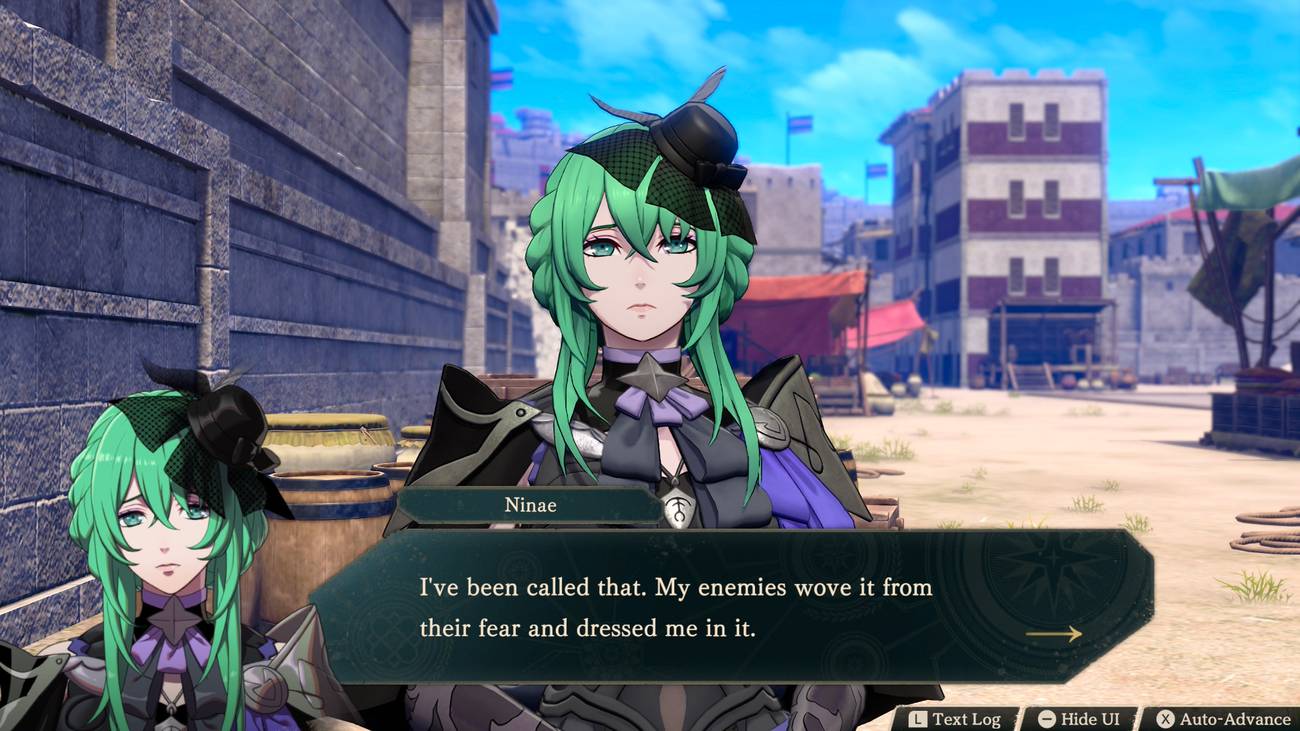
The thematic core of the game centers heavily on maternity—exploring good, toxic, absent, and spiritual mothers—and the generational legacies they impose. Through these lenses, the narrative naturally bleeds into institutionalized racism, genocide, nationalism, and tyranny, handling dark sociopolitical themes with a grace rarely seen in the genre’s history.
Implications for the Tactical RPG Genre
Exceptional Combat Depth
The combat engine in Fortune’s Weave represents a watershed moment for the franchise. While class skills were introduced in 2005’s Path of Radiance and refined in 2023’s Engage, Fortune’s Weave ties specific abilities directly to character identities.
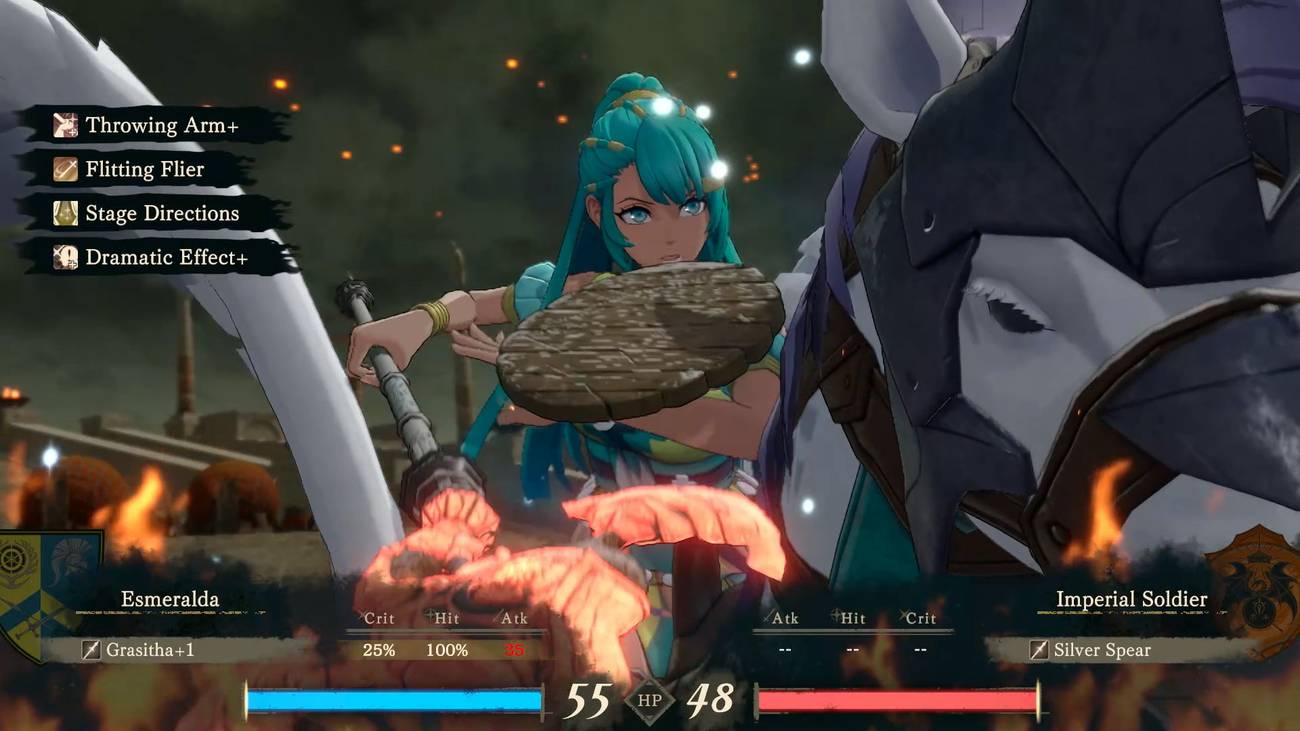
- Noctula gains evasion bonuses after every combat encounter, encouraging aggressive play.
- Dietrich accumulates critical hit rates after missed crits, mirroring his volatile nature.
- Jasmine leverages armored counter-attacks, while Esmeralda specializes in heavy ranged artillery.
Coupled with a nuanced weapon system that drops the traditional rigid weapon triangle in favor of specialized utility (such as follow-up damage multipliers for swords), the build variety is staggering. Players can configure identical base classes to play entirely different roles—transforming wing soldiers into ranged specialists, heavy spearmen, or high-speed dual-strike aerial units.
A Definitive Benchmark
Fortune’s Weave demands high investments of both time and mental energy, but it rewards dedication exponentially. Crossing the 120-hour mark still leaves paths unexplored and secrets undiscovered. In an era of congested release schedules, Intelligent Systems has delivered a timeless tactical masterpiece—one that proves the tactical RPG genre not only has a vital home in modern gaming, but can still set the gold standard for interactive storytelling.
 Lina Irawan
 Azzam Bilal Chamdy
 Basiran
