

By Samantha Nelson
Published September 16, 2026
Main Facts: The Phenomenon of LitRPG
Literary Role-Playing Games, or LitRPG, have officially graduated from the digital fringes of self-publishing forums to mainstream literary dominance. Characterized by narratives where characters navigate game-like mechanics—complete with statistics, inventory management, leveling systems, and quest logs—the genre has captured the imaginations of millions of readers worldwide.
Though anime and web novel giants like Sword Art Online and Solo Leveling laid much of the groundwork for global interest in gaming-infused storytelling, the English-language market has found its definitive crossover titan in Matt Dinniman’s Dungeon Crawler Carl. Following a Coast Guard veteran and a prize-winning show cat as they survive a lethal, alien-broadcasted reality television dungeon, Dinniman’s series has broken through traditional publishing barriers. With eight books published by Ace Books, two more in active development, a forthcoming television series on Peacock produced by Seth MacFarlane, and an upcoming tabletop role-playing game adaptation, the IP represents the pinnacle of modern commercial LitRPG success.
As readers eagerly await the next installment of Carl’s subterranean exploits, the broader literary ecosystem is taking notice. Traditional publishing houses are aggressively scooping up web serial sensations, transforming once-obscure digital projects into New York Times bestsellers and sweeping multimedia franchises.
Chronology: From Russian Origins to Global Multimedia Empire
To understand the current explosion of LitRPG, it is necessary to trace its rapid evolution over the past decade and a half:
- 2013: The term "LitRPG" is officially coined by a Russian publishing house seeking to categorize a burgeoning wave of novels heavily inspired by Massively Multiplayer Online Role-Playing Games (MMORPGs).
- 2016–2020: The genre expands exponentially through self-publishing platforms, Patreon, and web serial sites like Royal Road. Authors such as Travis Deverell (writing as Shirtaloon), Pirateaba, and J.F. Brink build massive, fiercely loyal online readerships, publishing millions of words chapter-by-chapter.
- The Dungeon Crawler Carl Breakthrough: Matt Dinniman self-publishes Dungeon Crawler Carl, which quickly transforms into an underground phenomenon before landing a major traditional publishing deal with Ace Books.
- 2025–2026: The genre achieves institutional recognition. Mainstream publishers like Aethon Books and Harper Voyage begin landing New York Times bestseller spots for translated and republished web serials. Major Hollywood entities take notice, greenlighting high-profile adaptations such as Seth MacFarlane’s Peacock series adaptation of Dungeon Crawler Carl.
Supporting Data: The Scale and Growth of the Genre
While traditional publishing once viewed gaming-adjacent fiction as a niche sub-genre of science fiction and fantasy, market data and production metrics tell a vastly different story:

- Massive Output: Authors within the space are renowned for their staggering productivity. For instance, Pirateaba has penned over 15 million words for The Wandering Inn web series since 2016.
- Extended Universes: Series longevity is a hallmark of the genre, with successful authors frequently publishing deep runs. Travis Deverell’s He Who Fights with Monsters spans 13 books; J.F. Brink’s Defiance of the Fall encompasses 17 volumes; and Tao Wong’s The System Apocalypse concluded its comprehensive 12-book arc in 2022.
- Traditional Validation: Major imprint acquisitions—such as Ace Books publishing the Dungeon Crawler Carl series and Harper Voyage picking up The Wandering Inn—demonstrate that digital-first fantasy can achieve massive physical retail dominance.
Official Responses and Industry Perspectives
Publishing executives and creators point to the interactive, psychologically engaging nature of gaming mechanics as the primary driver behind the genre’s explosive growth.
"Readers today don’t just want to observe a fantasy world; they want to understand the underlying architecture of how characters grow, overcome, and master impossible odds," notes an industry analyst tracking the crossover between digital media and traditional print. "LitRPG provides a dopamine loop structurally identical to the video games that generations of readers grew up playing."
Authors who transitioned from independent web serials to traditional publishing echoes these sentiments. By treating character progression like an open-source spreadsheet of skills and abilities, writers create an immense sense of agency. Even when characters face seemingly insurmountable odds—such as waking up naked in a death-match dungeon or an apocalyptic wilderness—the clear, incremental metrics of leveling up offer readers a reassuring framework of hope and tangible achievement.
Implications: Where Does LitRPG Go From Here?
The mainstreaming of LitRPG has profound implications for the future of speculative fiction, multimedia adaptations, and the traditional publishing industry:
1. The Death of the Gatekeeper Model
The journey of titles like He Who Fights with Monsters and Defiance of the Fall proves that the traditional gatekeeper model of publishing is no longer the sole arbiter of success. By building direct-to-consumer audiences on platforms like Royal Road and Patreon, authors can prove market viability long before a traditional publishing contract is ever signed.
2. Transmedia Synergy
The intersection of LitRPG, television, and tabletop gaming—exemplified by the Dungeon Crawler Carl franchise expanding simultaneously into a Peacock television series and a TTRPG—highlights a new gold standard for intellectual property. Stories designed with gaming DNA are inherently primed for adaptation across multiple interactive and passive entertainment mediums.
3. Broadening Fantasy Tropes
By blending western progression fantasy with eastern xianxia (mythology and Taoist philosophy) and digital interface mechanics, LitRPG continues to shatter rigid genre boundaries. As more readers embrace these hybrid storytelling styles, the line separating "literary fiction" from "interactive entertainment" will continue to blur, welcoming an even broader demographic of readers into the fold.
Five Essential LitRPG Books to Read Right Now
If you have devoured the adventures of Carl and Donut and are hungry for more game-inspired literature while waiting for the next release, consider diving into these five premier series:
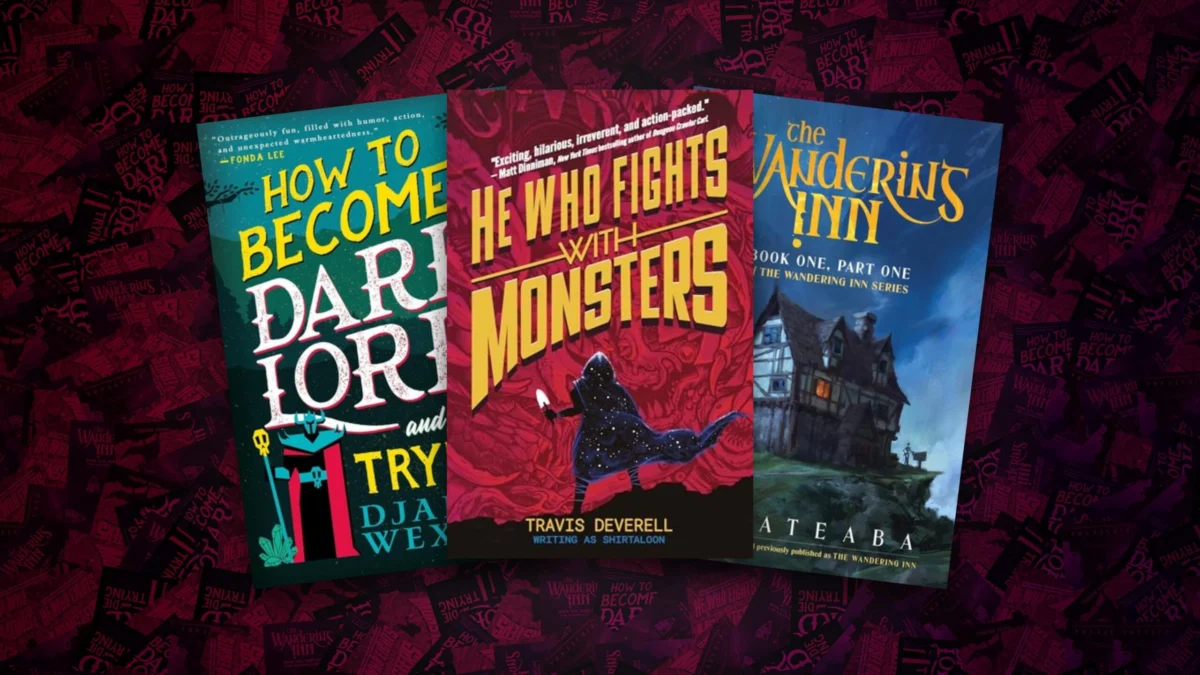
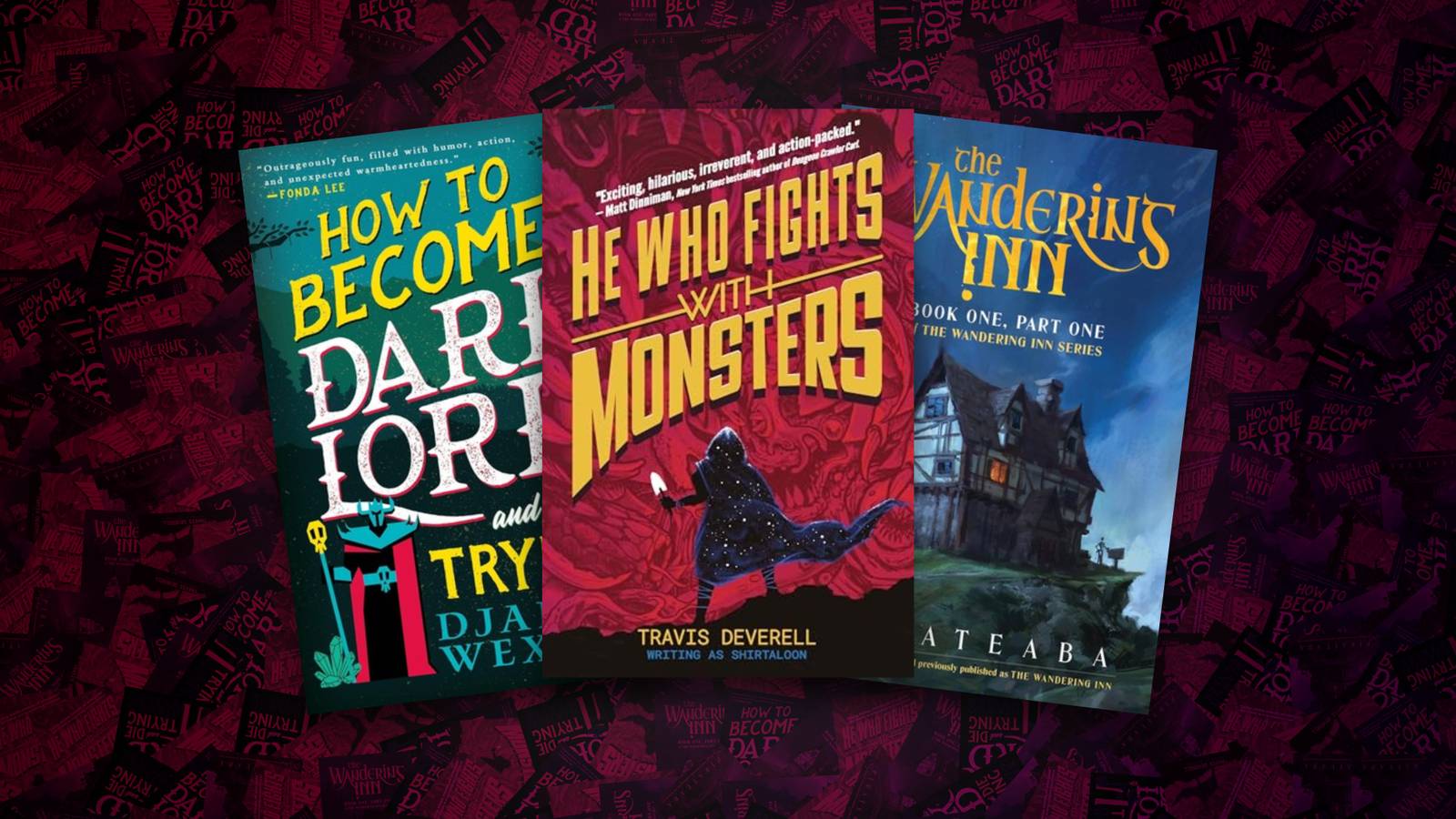
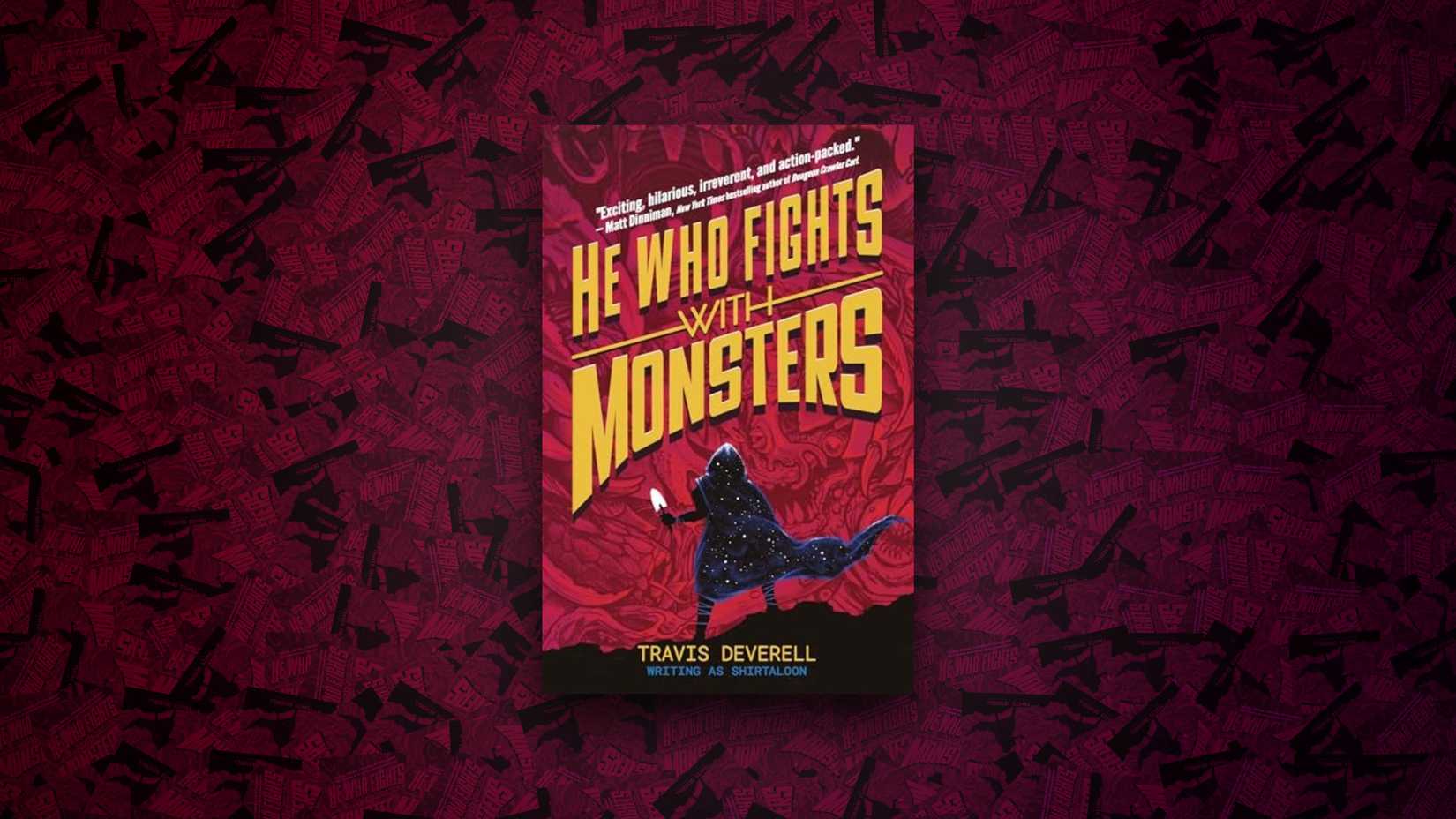
1. He Who Fights with Monsters by Travis Deverell
Initially self-published under the pen name Shirtaloon, Travis Deverell’s massive hit follows Jason, a middle manager at an office supply store who mysteriously wakes up in a magical alternate world. Discovering that his newfound abilities lean toward the terrifying and "evil" end of the spectrum, Jason must rapidly learn to harness his dark powers for good as he combats monsters, cultists, and cannibals. With the first book achieving New York Times bestseller status upon its republication by Aethon Books, and books like Adventurer and Hero rolling out rapidly, readers have an expansive, fast-paced universe to sink their teeth into.
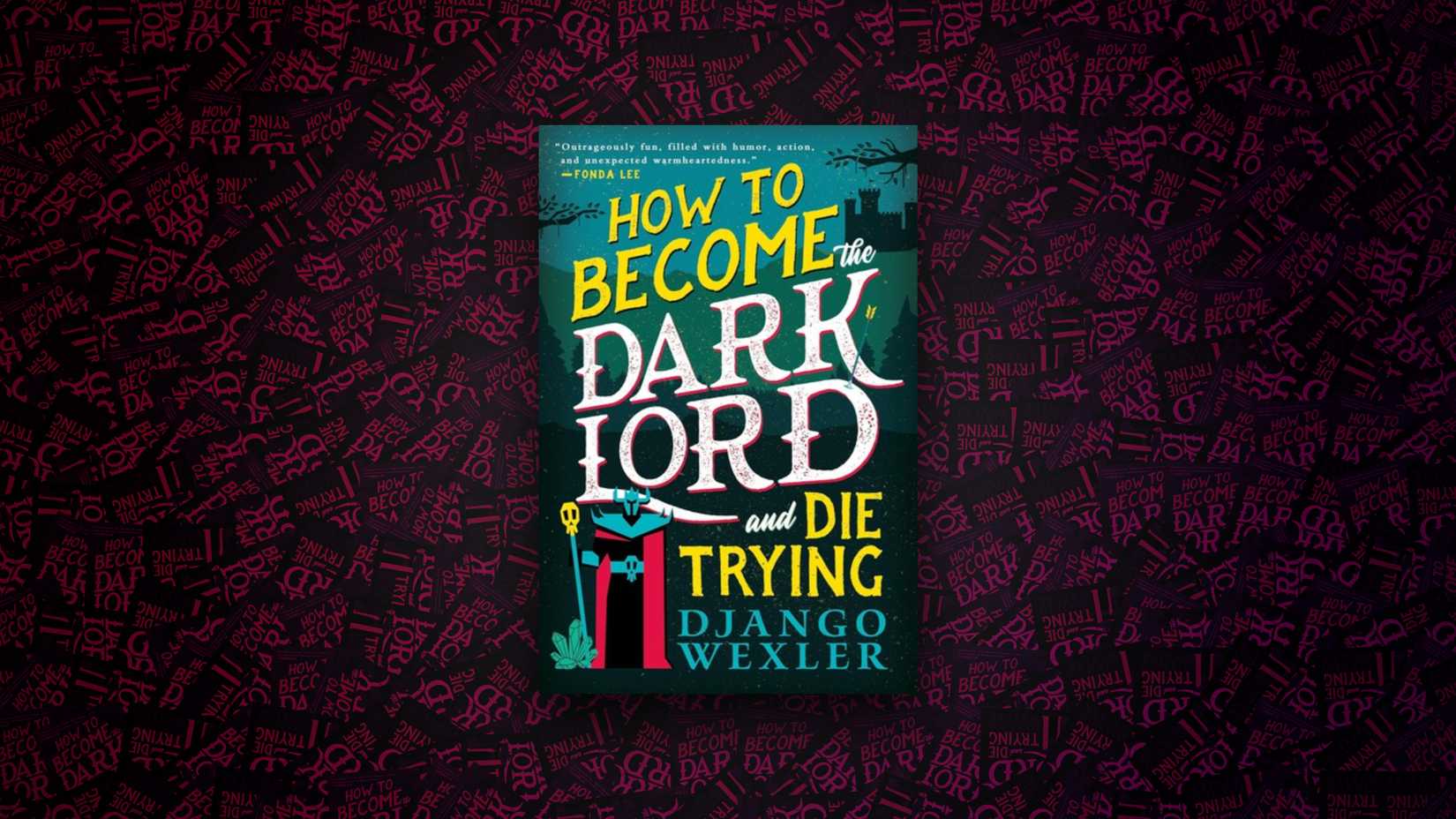
2. How to Become the Dark Lord and Die Trying by Django Wexler
For readers seeking a witty, approachable entry point into the genre, Django Wexler’s inventive novel offers a brilliant subversion of classic tropes. Protagonist Davi wakes up naked in a fantasy realm, prophesied to save humanity from the Dark Lord. After dying and respawning repeatedly across countless failed attempts to save the kingdom the "heroic" way, Davi decides to defect. She pivots to playing for the antagonist side, building an army of orcs, optimizing her leveling strategy, and ruthlessly eliminating the competition. Wexler lightens the heavier stat-tracking elements of traditional LitRPG while delivering an unhinged, hilariously nerdy protagonist.
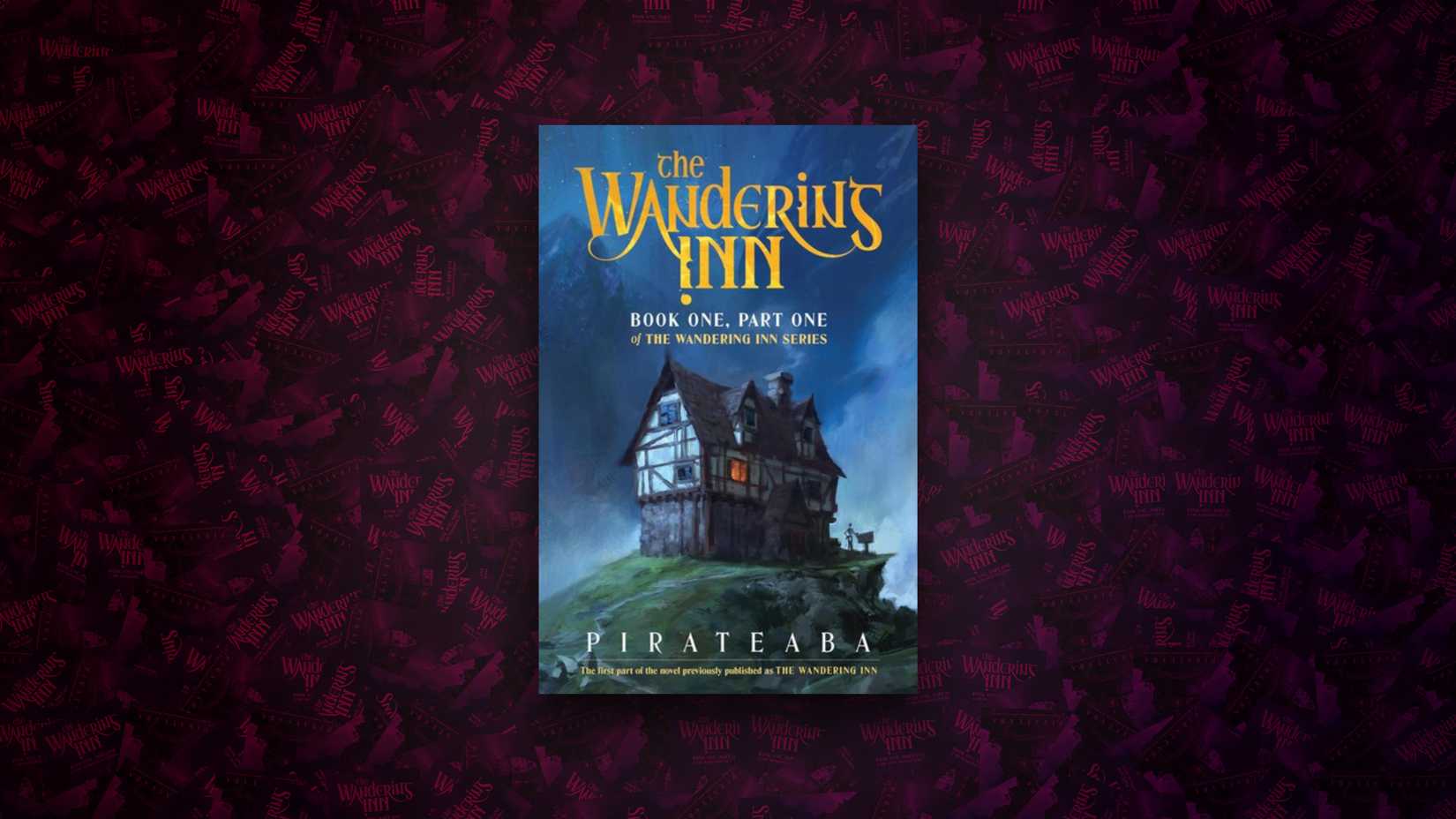
3. The Wandering Inn by Pirateaba
For those who prefer a slower, richer progression fantasy akin to Travis Baldree’s Legends & Lattes, Pirateaba’s gargantuan web series is an essential read. Erin Solstice, an ordinary young woman thrust into a leveling-enabled fantasy realm, rejects the traditional path of the wandering adventurer. Instead, she claims an abandoned structure and turns it into a safe-haven tavern, famously posting a "No Killing Goblins" sign at her front door. Harper Voyage’s publication of the series brings this monumental epic—spanning millions of words and deep character explorations—to physical bookshelves worldwide.
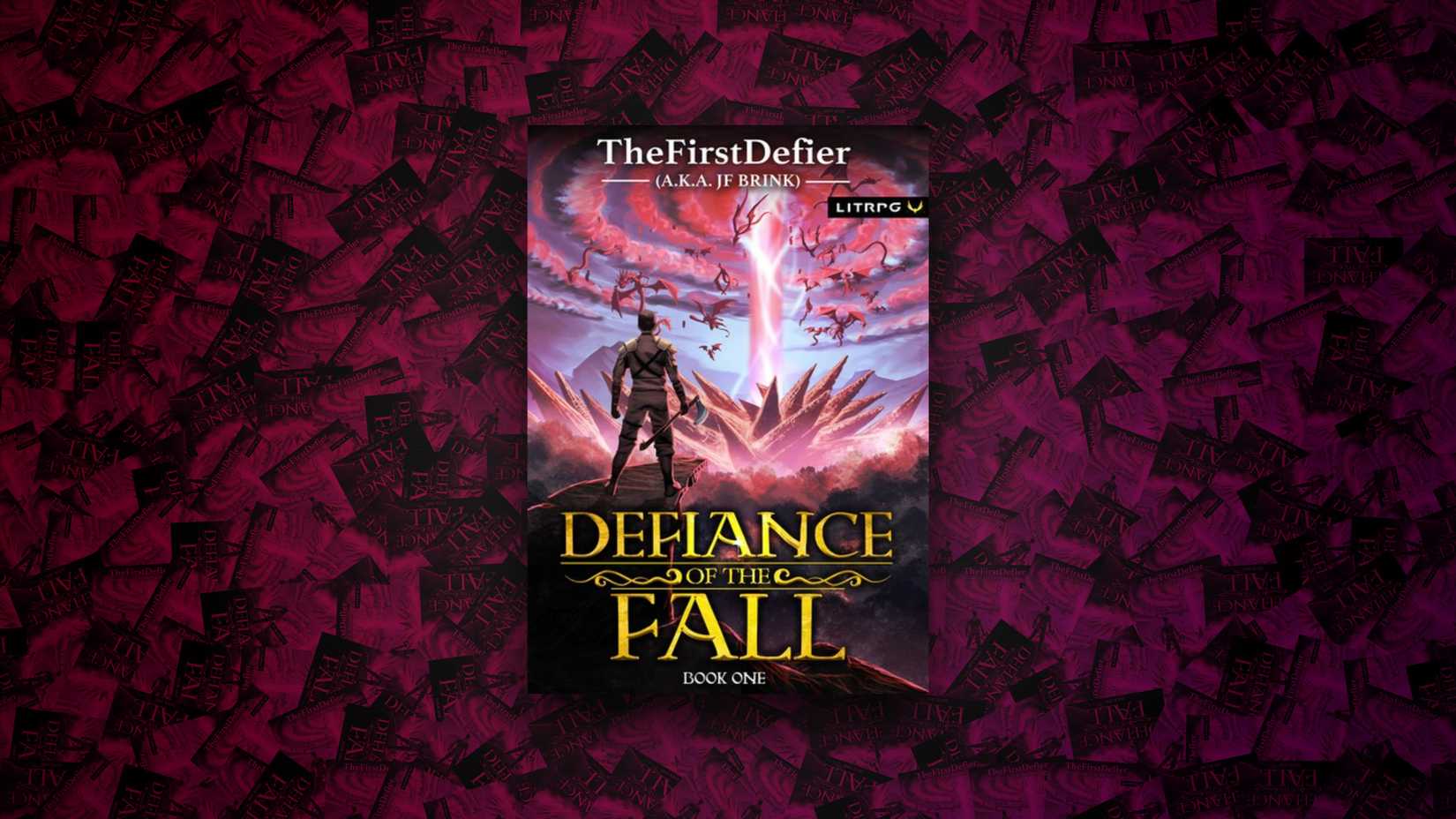
4. Defiance of the Fall by J.F. Brink
Written under the moniker TheFirstDefier, J.F. Brink’s 17-book series mirrors the desperate, high-stakes survival elements of Dungeon Crawler Carl. The story kicks off when Earth is abruptly absorbed into a brutal multiverse where civilizations must fight for dominance. Protagonist Zac is left entirely alone in a deadly forest, armed with nothing more than a hatchet. To reunite with his family, he must battle demons, beasts, and rival factions, mastering a system that grants godlike potential. Defiance of the Fall brilliantly marries classic LitRPG tropes with xianxia elements, introducing readers to deep Daoist philosophies of immortality and supernatural growth.
5. Life in the North by Tao Wong
If you suffer from anxiety over unfinished series and long publishing hiatuses, Tao Wong’s completed The System Apocalypse series is the perfect antidote. Spanning 12 fully available digital volumes, the story begins when John Lee is peacefully camping in the Yukon wilderness, only for Earth to undergo a sudden, systemic transformation. Modern technology fails entirely, replaced by a mysterious cosmic energy that introduces levels, skills, and quests. John must quickly decipher the rules of this new world, survive mutated wildlife, and protect human survivors from predatory alien factions offering "protection" in exchange for ultimate subjugation.
 Nana Muazin
 Layla Zulfa
 Basiran
