

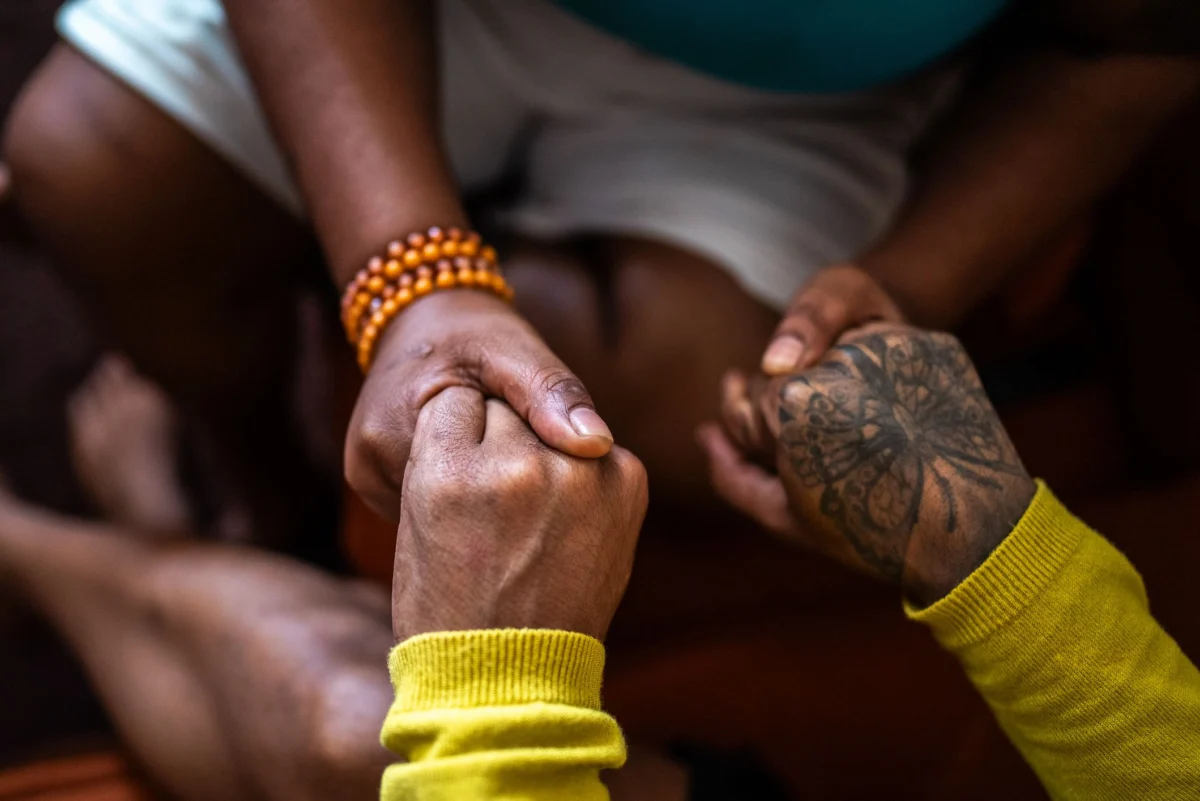
When confronting the statistics surrounding Black women’s breast health, the numbers tell a stark and sobering story. According to the National Breast Cancer Foundation, Black women are diagnosed with breast cancer at a younger median age—60 compared to 62 for white women—and face a mortality rate 38% higher than their white counterparts. They endure the lowest survival rates across every known stage of breast cancer. Furthermore, approximately one in five Black women diagnosed with the disease present with triple-negative breast cancer (TNBC), an aggressive, difficult-to-treat subtype that outpaces rates found in any other racial or ethnic demographic.
Yet, statistics cannot quantify the human reality of a cancer diagnosis. They do not capture the 3:00 a.m. phone calls of panic, the communal head-shaving gatherings, the breakthroughs found in therapy sessions, or the profound moment a mother looks into her child’s eyes and decides that survival is an absolute mandate. Black women have always been more than data points. Nowhere is that truth more evident than in the ways they face, endure, and ultimately rebuild their lives following a breast cancer diagnosis.
The accounts detailed below center on 13 Black women who refused to let statistical averages dictate their futures. Professionals, mothers, creators, and community anchors, their lives encompass career ambition, humor, rage, faith, and joy. Their experiences with breast cancer altered them irrevocably, yet out of trauma, they forged something data cannot measure: robust community, renewed purpose, and a hard-won blueprint for survival passed down to every generation that follows.

Main Facts: The Clinical Reality and the Human Response
Breast cancer remains one of the most critical public health challenges facing Black women in the United States. Biological factors, systemic disparities in healthcare access, delayed diagnoses due to systemic dismissal of symptoms, and higher prevalences of aggressive subtypes like TNBC contribute to a widening health equity gap.
Despite these systemic hurdles, patients are increasingly transforming personal diagnoses into collective advocacy. Across the country, survivors are stepping outside traditional patient roles to establish non-profits, host support networks, demand second opinions, and challenge a medical establishment that has historically overlooked young women of color. The narratives of these 13 women highlight a dual reality: the exhausting labor required to navigate an unequal medical system, and the transformative power of self-advocacy, community care, and cultural resilience.
Chronology: From Symptom Discovery to Survivorship and Advocacy
The trajectory of a breast cancer journey rarely follows a straight line. For these 13 women, the timeline from initial suspicion to long-term survivorship underscores the critical need for persistence against medical dismissal.

1. Monique Bass: Pushing Past Dismissals
Monique Bass, 53, began annual mammograms at 40. However, it was a self-exam at 47 that revealed an abnormal lump. Over three years, three separate tissue biopsies returned benign results, and doctors urged continued monitoring. Trusting her body, Bass pushed for a lumpectomy. The diagnosis: stage 1 invasive ductal carcinoma. Navigating treatment during the 2020 pandemic alongside a divorce, Bass leaned on her faith. Today, she is the founder of What’s Behind the Bra?, a New Jersey nonprofit providing comfort packages and support to patients.
2. Jaqueline Beale: Finding Humor in the Dark
Diagnosed at 40 after finding a lump during a self-exam—despite clear sonograms and mammograms—Jaqueline Beale faced stage 1 breast cancer. Receiving the news while her radiologist hailed a New York cab set a surreal tone, but Beale anchored her treatment in laughter and love, relying on her family’s humor to soften the edges of physical illness.
3. Annita White: Reclaiming the Future
Annita White, 51, delayed her routine mammogram while balancing life as a single mother, higher-education administrator, and PhD student. When a mass was finally detected, the diagnosis hit hard. After aggressive chemotherapy, surgery, and hair loss, White’s faith carried her through. Three years later, she is cancer-free, holds her PhD, and advocates as "Dr. Nita" with the African American Breast Cancer Alliance.
.jpg)
4. Marylande Regis: The Fight of a Registered Nurse
At 36, Marylande Regis found a lump shortly after weaning her infant. Initially dismissed by an on-call provider as a clogged milk duct due to her age, Regis refused to back down. A second opinion revealed aggressive stage 2B, BRCA1-positive breast cancer. Enduring chemotherapy, a bilateral mastectomy, radiation, and a hysterectomy, Regis balanced motherhood, autism advocacy, and family support, ultimately emerging into a season of renewed hope.
5. Judy Fambrough-Billingsley: A Lifelong Fighter
At 75, Judy Fambrough-Billingsley—a lifelong athlete and naturalized citizen who grew up during the Civil Rights Era as an NAACP youth leader—faced her first brush with serious illness. Ignoring early lumps due to a prior clean mammogram, she eventually sought care and received a cancer diagnosis. Drawing on decades of activism and community organizing, she brings the spirit of the Civil Rights movement to her ongoing cancer journey.
6. Taylor Johnson: Defying Age Restrictions
Nearly 30, Taylor Johnson found a lump in her left breast. Denied a mammogram by providers who deemed her too young, she insisted on a biopsy, revealing stage 2 triple-negative breast cancer. While undergoing chemotherapy, surgery, and radiation, Johnson focused on maintaining stability for her young daughter, discovering an inner emotional resilience she hadn’t known she possessed.

7. Jessica Ncube: Embracing Softness as Strength
Jessica Ncube, 41, a licensed clinical social worker, received her diagnosis via a routine mammogram. Following unclear margins after a lumpectomy, she opted for a double mastectomy. Professionally wired to care for others, Ncube had to unlearn the ingrained expectation of unbreakable Black resilience, learning instead to embrace rest, receive support, and allow softness to coexist with strength.
8. Ameiko Newman: Finding Purpose Through Crisis
Hospitalized for abdominal pain at 40, Ameiko Newman received a shock breast cancer diagnosis. While undergoing weekly chemo and immunotherapy, Newman pivoted her career, founding Graceful and Glow to design stylish chemo scarves specifically tailored for Black women navigating hair loss.
9. Charlotte Connor: Radical Optimism
At 30, Charlotte Connor found a lump following a breast augmentation. Initially told not to worry, a delayed diagnosis confirmed stage 2A ductal carcinoma. Adopting an "overly optimistic" mindset for the sake of her young daughter, Connor focused on future milestones rather than immediate fear, leaning on a close-knit circle for a pre-chemo head-shaving celebration.

10. Donna Culmer: Navigating Military Life and Cancer
In 1999, Donna Culmer—then 46, serving in the U.S. Navy as a trainer, and raising three children—was diagnosed with stage 1 cancer after a routine mammogram missed an early spot. Enduring four months of chemotherapy and a subsequent mastectomy with the support of her family and church, Culmer reflects 27 years later on the generational endurance required of Black women facing systemic and personal crises.
11. Patricia Fox: Healing the Mind and Body
At 26, Patricia Fox discovered a golf-ball-sized lump. Dismissed initially as a cyst due to dense breast tissue and young age, she pushed for a biopsy, revealing estrogen receptor-positive stage 2A breast cancer. Overcoming deep emotional despair through dedicated therapy, Fox now travels the community working to destigmatize mental health care within Black communities.
12. Annette Colden: Honoring a Sister’s Legacy
Following the loss of her sister to breast cancer, Annette Colden was urged to maintain screenings. After an initial misdiagnosis of "lumpy breasts," a follow-up a year later revealed stage 0 breast cancer at age 42. Relying on faith and a supportive hospital network, Colden dedicates her time to mentoring newly diagnosed patients through round-the-clock support.

13. Ricki Fairley: Transforming Grief into Advocacy
Diagnosed at 55 with aggressive stage 3A triple-negative breast cancer while traveling for work, Ricki Fairley shook up her entire life—quitting her job, ending her marriage, and selling her home to prioritize her peace. After beating a subsequent metastatic TNBC diagnosis, Fairley co-founded The Black Breast Cancer Alliance, dedicating her life to systematically dismantling racial disparities in breast cancer mortality.
Supporting Data: Disparities in Incidence, Treatment, and Survival
The clinical insights embedded in these 13 stories reflect broader epidemiological trends documented across oncology and public health research:
- Age of Onset: Black women are diagnosed at a median age of 60, two years younger than white women, making younger cohorts particularly vulnerable to initial dismissals by medical providers citing age-based risk models.
- Aggressive Subtypes: Triple-negative breast cancer (TNBC) disproportionately affects Black women, accounting for roughly one in five diagnoses. TNBC lacks the hormone receptors commonly targeted by standard therapies, increasing the risk of recurrence and metastasis.
- Mortality Disparities: Systemic barriers—including socioeconomic disparities, unequal access to high-tier cancer centers, implicit bias within clinical settings, and delayed initial diagnostics—drive a 38% higher mortality rate among Black breast cancer patients.
Official Responses and Institutional Shifts
Public health organizations and advocacy groups have increasingly recognized the urgent need to address racial disparities in breast cancer outcomes. Initiatives spearheaded by organizations like the African American Breast Cancer Alliance (AABC) and The Black Breast Cancer Alliance (Touch BBCA) are pushing for structural changes in clinical trials, emphasizing the inclusion of diverse patient populations, and demanding cultural competency training for healthcare providers.

Medical institutions are gradually pivoting toward lowering screening age recommendations—such as updated U.S. Preventive Services Task Force guidelines advising mammograms starting at age 40—which patient advocates note is a critical step in catching aggressive cancers earlier in younger women of color. Furthermore, oncology networks are increasingly integrating mental health resources, peer support navigators, and holistic care models into standard treatment protocols to address the psychological toll documented by survivors like Jessica Ncube and Patricia Fox.
Implications: A Blueprint for the Future
The experiences of these 13 women offer profound implications for patients, clinicians, and healthcare policymakers alike:
- The Necessity of Self-Advocacy: Time and again, these narratives illustrate that trusting one’s internal intuition and pushing back against initial medical dismissals—whether regarding age, breast density, or persistent lumps—is often the dividing line between early detection and late-stage progression.
- Holistic and Cultural Healing: Medical treatment alone is insufficient. Survivorship requires addressing emotional, spiritual, and psychological well-being. Normalizing mental health care and therapy within communities of color is vital to dismantling the harmful myth of the "strong Black woman" who must bear trauma in silence.
- Collective Community Care: Organizations founded by survivors—such as Monique Bass’s What’s Behind the Bra? and Ricki Fairley’s Black Breast Cancer Alliance—prove that community-led support models bridge critical gaps left by institutional healthcare systems.
Ultimately, these women demonstrate that while statistics map the obstacles, human resilience, community solidarity, and fierce self-determination rewrite the outcome.
 Lina Hope
 Asro
Asro
 Sagoh
Sagoh
