

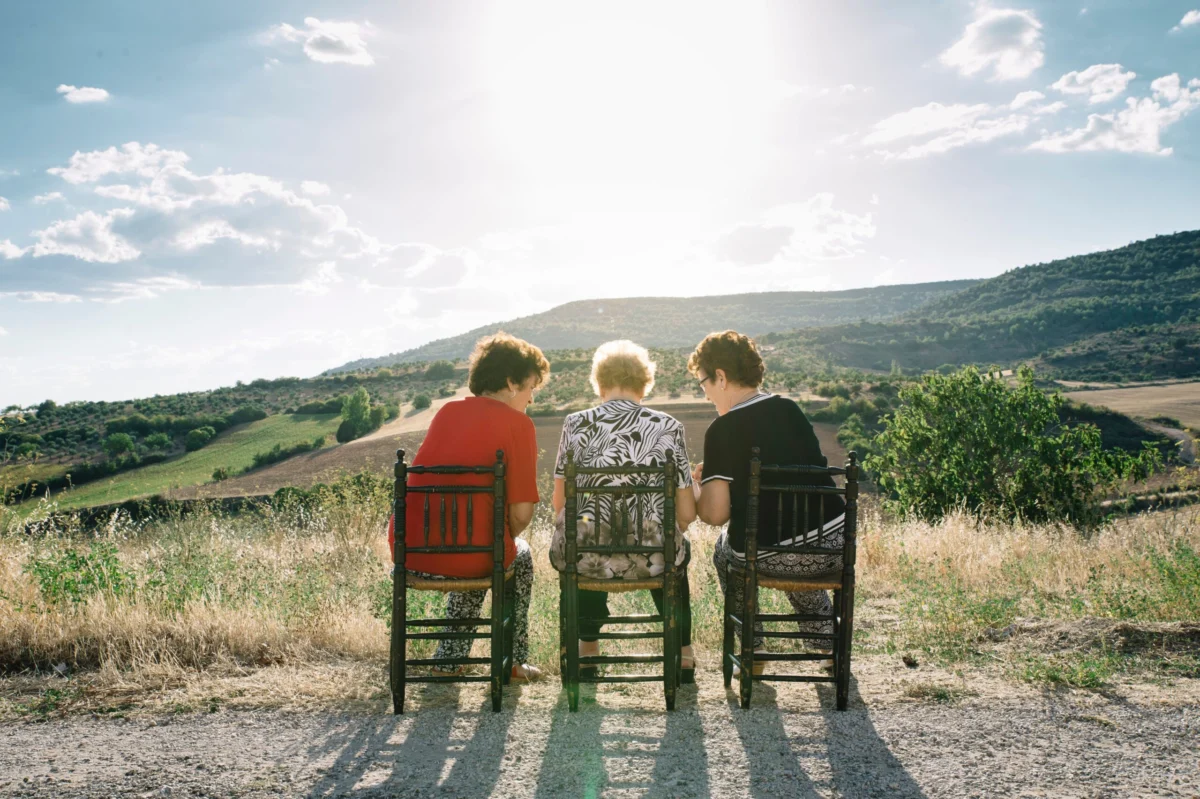
Introduction: The Secret Lives of Italian Nonne
When health and science writer relocated to Italy in 2024, one cultural nuance immediately commanded attention: the vibrant, independent lifestyle of the quintessential Italian nonna (grandmother). Moving effortlessly across bustling cityscapes without mechanical assistance or mobility aids, these women navigate their daily routines with striking vitality. Many are dressed to the nines in bold colors, accessorized with confidence, and make no attempt to conceal their advancing years.
This lifestyle is not merely an isolated cultural charm; it is emblematic of a nation that boasts some of the highest life expectancy rates in the European Union, alongside a rapidly expanding population of centenarians. In fact, a cluster of villages in Sardinia constitutes one of the world’s officially designated Blue Zones—regions where people live significantly longer, healthier lives than the global average.
It is little surprise, then, that social media has latched onto this lifestyle, birthing a viral wellness trend known as “Nonnamaxxing.” The core premise is elegantly simple: anyone can maximize their health span and life quality by deliberately adopting the habits of Italian grandmothers. While internet-era trends often lean toward superficial aesthetics—such as wearing vintage cotton nightgowns, undertaking digital detoxes, or romanticizing unhurried carb-heavy lunches—public health experts argue that the underlying philosophy holds profound, scientifically validated merit.
Chronology of the Trend: From Piazza to Platform
The conceptual evolution of Nonnamaxxing traces a fascinating path from traditional Mediterranean survival strategy to modern digital counter-movement.
- Pre-2024 (The Foundation): For generations, rural and urban Italian grandmothers lived out of necessity what modern science now validates as longevity medicine. Forced by infrastructural layouts, historical economic factors, and cultural norms into active, community-based, and seasonally aligned lifestyles, nonne sustained communities through unpaid caregiving and deep social webs.
- Early 2024: As international expatriates and travelers documented the daily rhythms of Southern European life, lifestyle content creators began contrasting fast-paced Western burnout with the unhurried grace of elderly Italian women.
- Late 2024 to 2025: The term “Nonnamaxxing” exploded across TikTok, Instagram, and lifestyle blogs. Gen Z and millennial internet users, overwhelmed by hustle culture and algorithmic self-optimization pressures, weaponized the aesthetic as an ironic yet deeply sincere form of escapism.
- Present Day: Medical journals, psychologists, and evolutionary biologists are evaluating the trend. Far from being a fleeting social media fad, researchers confirm that the pillars of Nonnamaxxing align precisely with evidence-based longevity science.
Supporting Data: The Science Behind the Style
To understand why Nonnamaxxing works, one must look beyond the charming imagery and examine the hard data supporting each pillar of the Italian grandmother’s lifestyle.
1. Radical Acceptance of Aging
In Italy, it is common to see women of advanced age proudly wearing swimwear at local pools and beaches, entirely unbothered by societal pressures regarding youth preservation. This cultural acceptance of aging carries profound physiological consequences.
- Psychological Framing: Dr. Sonja Lyubomirsky, a distinguished professor of psychology at the University of California, Riverside, and author of How To Feel Loved, explains that mindset acts as a cognitive filter. Whether aging is perceived as a deterioration or a rich accumulation of wisdom dictates psychological well-being.
- The Biological Clock: Recent studies indicate a direct correlation between how women psychologically process aging and the actual cellular pace at which they age. A positive psychological outlook is frequently mirrored in lower systemic inflammation and extended telomere preservation. As 96-year-old Viterbo resident and digital creator Licia Fertz notes: "Never think of yourself as old. You are born young."
2. Lifelong Daily Movement
Walking in Italy is rarely framed as a structured, sweat-inducing gym workout; rather, it is infrastructural inevitability. Narrow medieval streets, expensive fuel, and highly walkable urban design mandate that walking forms the baseline of human transportation.
- Evolutionary Biology: Dr. Daniel Lieberman, a professor of Human Evolutionary Biology at Harvard University, emphasizes that walking is humanity’s most fundamental physical activity. Hundreds of studies confirm its capacity to slow biological aging.
- Quantifiable Impact: Dr. Paola Mariotti, a pediatrician and Florentine nonna, tracks her daily steps, aiming for a minimum of 5,000 to 10,000 steps daily. Reinforcing this, a landmark 2025 study published in the American Journal of Preventive Medicine revealed that even 15 minutes of brisk daily walking measurably reduces the risk of premature mortality.
3. Purposeful Caregiving and Social Connection
Italian grandmothers are deeply embedded in family logistics, frequently handling school pickups, homework supervision, and childcare. While critics point out the socioeconomic burden placed on unpaid female labor in Italy, the physiological feedback loop for the caregivers is remarkably positive.
- Cognitive Preservation: Research published by the American Psychological Association demonstrates that grandparents who actively participate in childcare score significantly higher on tests of memory and verbal fluency than non-caregiving peers.
- Mortality Risk Reduction: According to data from the American Journal of Preventive Medicine, individuals who volunteer or engage in consistent caregiving roles for over 100 hours annually experience a markedly reduced risk of mortality, coupled with heightened optimism and a durable sense of purpose.
4. Intentional Nutrition and Seasonal Eating
The culinary habits of Italian grandmothers rely heavily on regional freshness rather than industrial processing. Local markets frequently distribute charts outlining seasonal fruit and vegetable availability, driving a diet naturally aligned with the Mediterranean framework.
- Nutritional Integrity: Dr. Antonino De Lorenzo, professor emeritus of human nutrition at the University of Rome Tor Vergata, highlights that the health benefits stem from the avoidance of industrial preservatives and processing. Ripeness, freshness, and culinary preparation directly optimize a food’s micronutrient profile.
- Chronic Disease Prevention: Long-term adherence to the Mediterranean diet—rich in extra virgin olive oil, legumes, fresh vegetables, and whole grains—is universally recognized by institutions like Harvard Medical School as a primary driver for cardiovascular health and extended life span.
Official Responses and Expert Perspectives
As Nonnamaxxing transitions from internet meme to medical discussion, professionals across psychology, nutrition, and sociology have weighed in on its cultural significance.
Jonathan Alpert, New York-based Psychotherapist:
"The appeal here is the fantasy of a life that feels grounded, warm, and unhurried. A lot of younger people are burned out by the pressure to constantly optimize themselves, be productive, and turn their lives into content. Nonnamaxxing provides a psychological safe harbor against hustle culture."Licia Fertz, 96-Year-Old Italian Influencer and Author:
"I put on my makeup and dress in cheerful colors, even if I’m not leaving the house, because presenting yourself well is an act of self-love. The most important thing for living a long and happy life? Don’t isolate yourself. Always stay in touch with people, travel, plan outings, and get out of the house. Boredom is the one thing that truly makes you old."
Implications: Re-Engineering Modern Life
The rise of Nonnamaxxing signals a broader cultural fatigue with hyper-productivity and digital saturation. It challenges the wellness industry’s obsession with expensive biohacking, algorithmic optimization gadgets, and restrictive fad diets, offering instead a return to simplicity, community, and foundational human behaviors.
For societies built around car-centric infrastructure and isolated living—such as the United States—adopting a literal Italian lifestyle is difficult. However, the underlying principles are entirely portable:
- Redefining Productivity: Swapping frantic multitasking for mindful presence (dolce far niente) lowers cortisol and reduces chronic stress.
- Prioritizing Movement as Transit: Integrating step counts into daily errands rather than viewing exercise as an isolated chore.
- Combating Isolation: Treating social engagement, community involvement, and caregiving not as obligations, but as critical longevity interventions.
- Embracing Self-Presentation: Maintaining personal rituals—such as dressing with intention and embracing physical aging without fear—cultivates mental resilience.
Ultimately, Nonnamaxxing suggests that the key to a longer, happier life does not lie in the future of technology, but in reclaiming the timeless, grounded wisdom embodied by generations of women who simply walked through their cities, cared for their families, and refused to let boredom steal their joy.
 Asro
Asro
 Suro Senen
 Azzam Bilal Chamdy
