

When we travel, the eternal dilemma remains: how do we achieve maximum comfort without sacrificing our sense of style? There is, admittedly, a time and a place for the humble sweatpant—usually at 30,000 feet on a redeye flight where the only priority is survival. However, many of us—including the editors at Condé Nast Traveler—have spent years hunting for a more sophisticated middle ground.
We crave the "unicorn" of travel wear: trousers soft enough for a grueling six-hour flight, stretchy enough for a spontaneous sprint to the departure gate, breathable enough for an afternoon of aimless wandering in a foreign city, and polished enough to wear directly to a dinner reservation upon arrival. This search is not just a preference; it is a professional obsession.
The good news for the modern traveler is that the market has evolved. We are no longer limited to standard joggers or restrictive denim. Today, we are seeing a surge in "hybrid" apparel—jeans with the structural integrity of high-end tailoring, yoga pants that masquerade as professional slacks, and utility wear that keeps you ready for any climate.
Main Facts: The Evolution of Travel-Ready Apparel
The shift toward "elevated travel wear" represents a fundamental change in how we view utility. The primary goal for travel apparel in 2024 is multi-functionality. A pair of pants is no longer just a garment; it is a tool for navigating transit.

Key attributes identified by our editorial team include:
- Fabric Resilience: The best travel pants utilize blends—often incorporating elastane or spandex—that resist wrinkles and maintain their shape even after hours of sedentary travel.
- Adaptable Waistbands: High-rise, compression-style, or partially elasticized waistbands are critical for comfort, particularly during the bloating that often accompanies long-haul air travel.
- Versatile Silhouettes: Wide-leg and straight-leg cuts currently dominate the market, as they offer more breathability than skinny fits and pair effortlessly with everything from sneakers to loafers.
Chronology: From Leisurewear to Essential Travel Kit
The history of the "travel pant" has seen a distinct trajectory. In the mid-20th century, travel was a formal affair, often requiring suits or dresses. By the 1990s and 2000s, the "athleisure" revolution brought the yoga pant into the mainstream, turning it into the unofficial uniform of the airport lounge.
However, the late 2010s and early 2020s marked a pivot point. As travelers began seeking a "put-together" look—the rise of the "airport aesthetic" on social media—brands began engineering high-performance fabrics that could mimic the appearance of chinos, denim, or wool trousers while maintaining the stretch and moisture-wicking properties of activewear. Today, the focus is on the "all-day pant," a singular garment that eliminates the need to change clothes between the hotel and the plane.
Supporting Data: Expert-Recommended Selections
Our editors have tested dozens of pairs in environments ranging from humid tropical hubs to the crisp, dry air of mountain transit zones. Here are the standout performers:

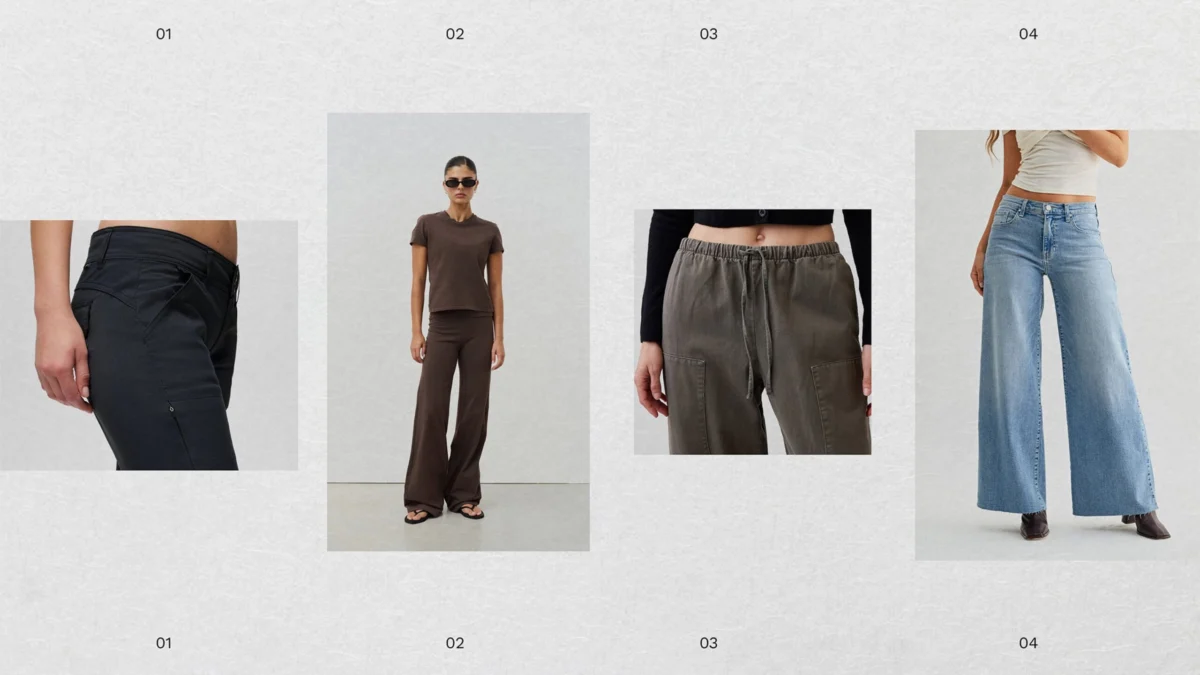
1. The Dress Pant Alternative
For those who need to step off a plane and straight into a boardroom, the Spanx Ponte Wide-Leg Pant has become a gold standard. Its high-rise waistband offers built-in compression that is both flattering and functional. Unlike traditional dress pants, the fabric is resistant to the "seat-bag" effect, maintaining its structure throughout long journeys.
2. The Tailored Comfort Choice
The Abercrombie & Fitch Curve Love Sloane Tailored Pant has gained traction for its menswear-inspired aesthetic. By utilizing a partially elastic waistband and a wide-leg cut, these pants offer the ease of loungewear with the crisp pleating of a high-end trouser. They are designed to hold their shape, making them a reliable choice for those who want to look tailored without feeling constricted.
3. Utility and Adventure
For trips that bridge the gap between urban exploration and light hiking, the Prana Halle Low-Rise Bootcut Pant remains a perennial favorite. These are essentially the "Swiss Army Knife" of pants—they are water-repellent, pack down to almost nothing, and can be rolled up and pinned at the calf if the temperature rises.
4. The "Indestructible" Pull-On
The Apiece Apart Rene Pull-On Pant is, according to senior features editor Rebecca Misner, virtually indestructible. While the price point is elevated, the viscose and recycled nylon blend provides a level of durability that makes it a long-term investment. Its tailored silhouette is highly adaptable, transitioning seamlessly from a business meeting to a casual museum stroll.

5. Denim That Doesn’t Dig
The biggest challenge for denim lovers is the "waistband dig." The Silver Jeans Co. Suki Mid-Rise Wide-Leg Jean solves this by using premium stretch technology that snaps back to its original shape. Similarly, the Gap Low Rise UltraSoft ’90s Loose Crop Jean provides a vintage aesthetic without the stiffness of traditional raw denim, making them comfortable enough to double as pajamas on an overnight flight.
Official Responses and Industry Trends
Retailers are responding to these shifts by diversifying their "travel" lines. "We are seeing a massive demand for ‘day-to-night’ versatility," says one industry analyst. "Consumers are traveling with smaller carry-ons, which means they cannot afford to pack ‘plane clothes’ and ‘dinner clothes’ separately. The demand for the hybrid garment is the highest it has been in a decade."
Furthermore, brands like Halara and Set Active have focused on the "buttery-soft" feel of activewear while mimicking the look of denim or standard trousers. This trend of "stealth comfort"—where a garment feels like a yoga pant but looks like a classic pant—is the dominant force in current travel fashion.
Implications for the Modern Traveler
What does this mean for the way we pack? The shift toward high-performance, stylish pants implies a more minimalist approach to travel. By curating a wardrobe of pieces that serve multiple functions, travelers can effectively reduce their luggage weight.

Furthermore, the emphasis on comfort-first fashion has implications for health and wellness during travel. Opting for non-constrictive clothing—particularly in the lower body—aids circulation, which is vital during long periods of immobility.
Final Thoughts: Finding Your Fit
Ultimately, the "best" travel pant is subjective. For some, it is the structure of a Ponte knit; for others, it is the soft, forgiving nature of a high-quality stretch denim. As you prepare for your next journey, consider the "sit-down test": if the pants feel restrictive when you sit in a chair, they will likely feel even more so in a cramped economy seat. Prioritize fabrics that breathe, waistbands that flex, and cuts that make you feel confident the moment you walk through the arrivals gate.
Whether you are navigating a bustling transit hub or embarking on a long-distance road trip, your choice of trousers should be the least of your concerns. By investing in the right pair, you allow yourself to focus on what truly matters: the destination.
 Basiran
 Nana
Nana
 Nana Muazin
