

After years of navigating the cramped, high-rent reality of a shoebox Manhattan apartment, the siren call of the open road became impossible to ignore. In September 2024, my partner and I made a definitive break from urban claustrophobia. We sold the bulk of our furniture, packed our entire existence into a pair of Samsonite suitcases, and embarked on an ambitious 365-day odyssey across the United States.
Our mission was simple yet profound: to trade the sedentary life of a city dweller for the fluid, unpredictable rhythm of the road, utilizing Airbnb as our primary anchor for lodging. What began as an experiment in minimalism and mobility transformed into a year-long education in the American landscape, the nuances of domestic travel, and the intricate art of digital-age nomadism. Having logged over 16,000 miles and touched down in 30 states, we discovered that successful long-term travel isn’t just about the destination—it’s about mastering the logistical framework that makes a temporary space feel like home.
The Geography of a Year: A Chronological Snapshot
The journey was not a linear path but a tapestry of regional experiences, each defined by the distinct character of the local rental market. We started our trek in the fall, allowing us to chase the fading warmth across the South and Southwest.

Our initial months were spent in hubs that balanced the amenities of a city with the charm of regional travel. We navigated the winding mountain roads of Gatlinburg, Tennessee; indulged in the coastal rhythms of Destin, Florida; and immersed ourselves in the cultural tapestry of New Orleans, Louisiana. As winter set in, we pivoted to the vibrant culinary and arts scenes of Lexington, Kentucky, and Austin, Texas, before eventually heading West to the high-desert landscapes of Santa Fe, New Mexico, and the sprawling cultural monolith of Los Angeles, California.
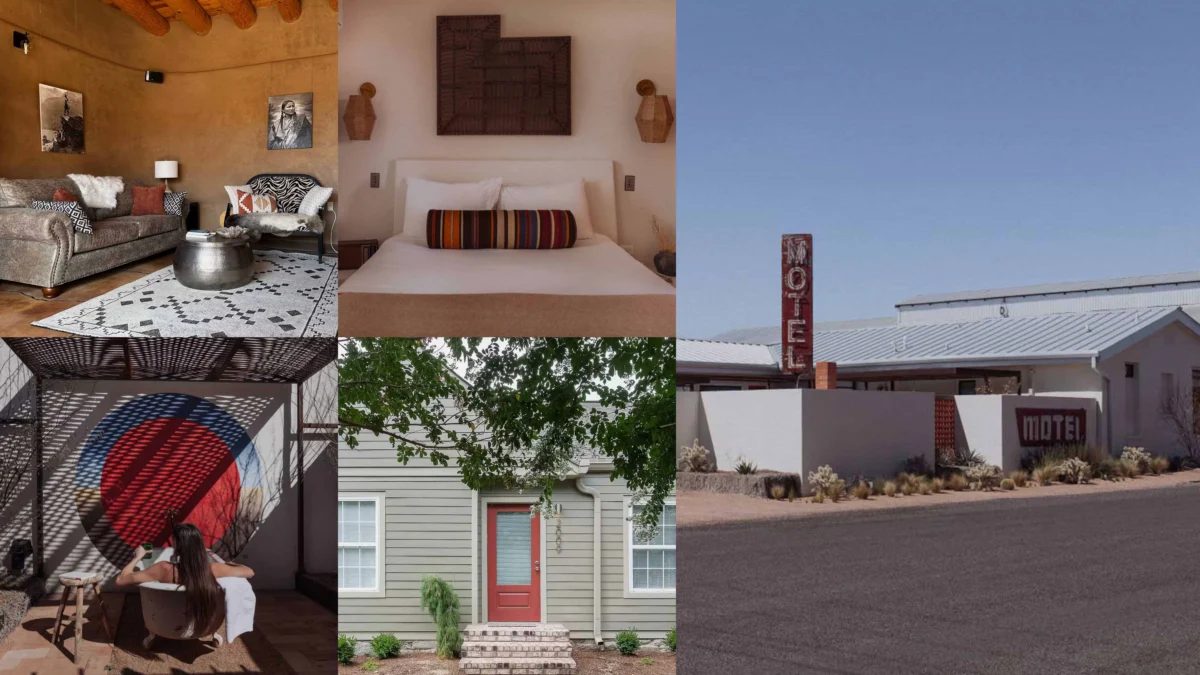
The diversity of these locations provided a masterclass in accommodation styles. From the shotgun-style homes of the Irish Channel in New Orleans—where we embedded ourselves in local Mardi Gras festivities—to the eco-conscious, architectural marvels of the Taos Earthships, each stay required a different set of expectations. By the time we reached the mid-point of our journey, we weren’t just tourists; we were seasonal residents, learning the subtle rhythms of our host neighborhoods, from trash pickup schedules to the best local coffee shops.
Decoding the Platform: How to Curate the Perfect Stay
One of the most significant takeaways from our year-long experiment was the realization that the "perfect" Airbnb is rarely found through serendipity; it is constructed through rigorous research and the strategic use of platform tools.

The Power of Filtering
For those planning an extended stay, the "Filters" function is your most valuable asset. My partner and I quickly established a set of "non-negotiables." For us, a dishwasher was essential to prevent the friction that inevitably arises from household chores on the road. Similarly, in-unit laundry became a requirement for any stay exceeding two weeks, effectively eliminating the budget-draining and time-consuming reliance on local laundromats. Once the essentials were locked in, we expanded our search to include "cherry on top" amenities—bathtubs, proximity to waterfronts, or specialized architectural features like A-frame structures.
Leveraging the "Guest Favorite" and Accessibility Tags
Airbnb’s "Guest Favorite" badge proved to be a reliable indicator of quality. Properties with this designation consistently delivered on expectations, providing a safety net for travelers who cannot afford the volatility of a bad booking. Furthermore, for those traveling with older companions or individuals with mobility issues, the platform’s accessibility filters are robust. Utilizing toggles for step-free entrances and shower grab bars saved us from potential frustration and ensured that our chosen environments remained inclusive and safe.
The "Flexible Dates" Strategy
One of the most effective ways to optimize both budget and neighborhood discovery is the "flexible dates" toggle. By decoupling our travel from rigid calendars, we unlocked a wider array of properties. This not only opened up neighborhoods that might have been priced out of our range on specific peak weekends but also allowed us to find hidden gems in areas we might have otherwise overlooked.

Financial Optimization: How to Stay Longer for Less
The financial viability of a nomadic lifestyle relies heavily on understanding the economic structure of short-term rentals. While shorter stays offer excitement, they are rarely cost-effective.
Mastering the Monthly Discount
Airbnb incentivizes long-term bookings through automatic monthly-stay discounts. We found that by targeting stays of 28 days or more, we could secure savings of at least 15% across the board. In markets like New Orleans and Austin, these savings often climbed to 25% or more.
The Art of the Direct Inquiry
Perhaps the most underutilized tool in a traveler’s kit is direct communication with the host. Before finalizing a booking, we made it a habit to reach out to hosts with a personalized template. We introduced ourselves, explained our intentions for a long-term stay, and politely inquired about pricing flexibility. This simple human connection often yielded results that the platform’s automated pricing couldn’t—hosts are frequently willing to offer further discounts to reliable, long-term guests who promise to treat their property with care.

The Human Element: Building Community on the Go
Traveling for a year can be isolating if you treat your rentals as mere hotel rooms. We found that the most rewarding experiences came from treating the relationship with our hosts as a two-way street.
Before arriving, we would send a brief note to our hosts, asking for local recommendations that weren’t found in tourist guidebooks. This approach opened doors to private social clubs in New Orleans, exclusive hiking trails in Arizona, and the best-kept culinary secrets in Nashville. By engaging with our hosts, we shifted our status from "transient guest" to "temporary neighbor."
This connection was particularly important for identifying property quirks. Whether it was a temperamental hot water heater or a specific street noise pattern at night, candid conversations with hosts helped us prepare for the realities of our living space before we even arrived.

The "Packing Tetris": Essential Gear for the Nomad
Living out of a suitcase for 365 days necessitates a refined approach to luggage. We adopted a "less is more" philosophy, but we made exceptions for items that significantly increased our quality of life.
- Organization: A high-quality, compartmentalized tote bag is essential. I relied on a Dagne Dover daily tote, which allowed me to keep my remote-work equipment, chargers, and personal items organized, making it easy to transition from our rental "office" to a local cafe.
- Small Luxuries: Never underestimate the power of homey touches. We carried our own high-quality slippers (Bombas) to ensure that no matter how sterile a rental might feel, we could walk into a space and instantly feel grounded.
- Documentation: As a writer, I found that maintaining a physical record was vital for my mental clarity. I kept a personalized Papier journal to document our journey, and I made it a tradition to leave a handwritten thank-you note for our hosts upon departure. This small act of gratitude served as a perfect, low-cost way to maintain a positive reputation on the platform.
Implications for the Future of Remote Work
Our year on the road has profound implications for the evolving nature of work. The "Digital Nomad" movement is no longer a niche subculture but a sustainable lifestyle for those with the discipline to manage it.
The data from our trip suggests that as more companies embrace remote-first policies, the demand for "work-ready" rentals—those with high-speed internet, dedicated workspaces, and ergonomic furniture—will continue to rise. Our experience taught us that while the "freedom" of the road is the headline, the "structure" of the logistics is the story.

We are not finished yet. The itch for discovery has only intensified. Next month, we embark on another year-long circuit, this time with a more refined eye for the unique. We are looking for more than just a place to sleep; we are looking for the "wondrous"—glass domes in the mountains, cliffside retreats, and experimental architectural spaces.
Ultimately, the lesson of our journey is that the American landscape is vast, varied, and waiting to be explored. Whether you are a professional looking to escape the cubicle or a creative seeking inspiration from the shifting horizon, the key to the road is knowing that you don’t have to sacrifice comfort for adventure. By being intentional about where you stay, how you book, and how you engage with your hosts, you can turn the entire country into your living room. The suitcase is packed, the wishlist is growing, and the next adventure is only a click away.
 Asro
Asro
 Siti Muinah
