

For 34-year-old Caroline, the first six months on the popular weight-loss drug Wegovy felt like a triumph. Standing five feet four inches tall and weighing 130 pounds, she had grown exhausted from trying every conventional diet under the sun. Desperate to return to what she considered her healthy baseline of 100 pounds, she bypassed her primary care physician—fearing immediate rejection for a prescription she didn’t clinically "need" by conventional BMI standards—and turned to telehealth. Within half a year, she shed 30 pounds.
Yet, when she successfully reached her goal and stopped taking the medication, the consequences were swift. Within a single month, she regained 10 pounds. Realizing that maintaining her weight required ongoing pharmacological intervention, she resumed the injections at a maintenance dose.
There was just one catch: this time, she was keeping it a secret.
Caroline’s story is far from an isolated incident. Across North America, a growing subculture of individuals—predominantly women—are going to extraordinary lengths to hide their use of GLP-1 receptor agonists like Wegovy, Ozempic, and Mounjaro from romantic partners, family members, and even their primary care doctors. As these medications revolutionize the landscape of obesity medicine, they are simultaneously unearthing deep-seated cultural stigmas, relationship anxieties, and the unintended consequences of the digital telehealth boom.
Main Facts: The Underground World of GLP-1 Secrecy
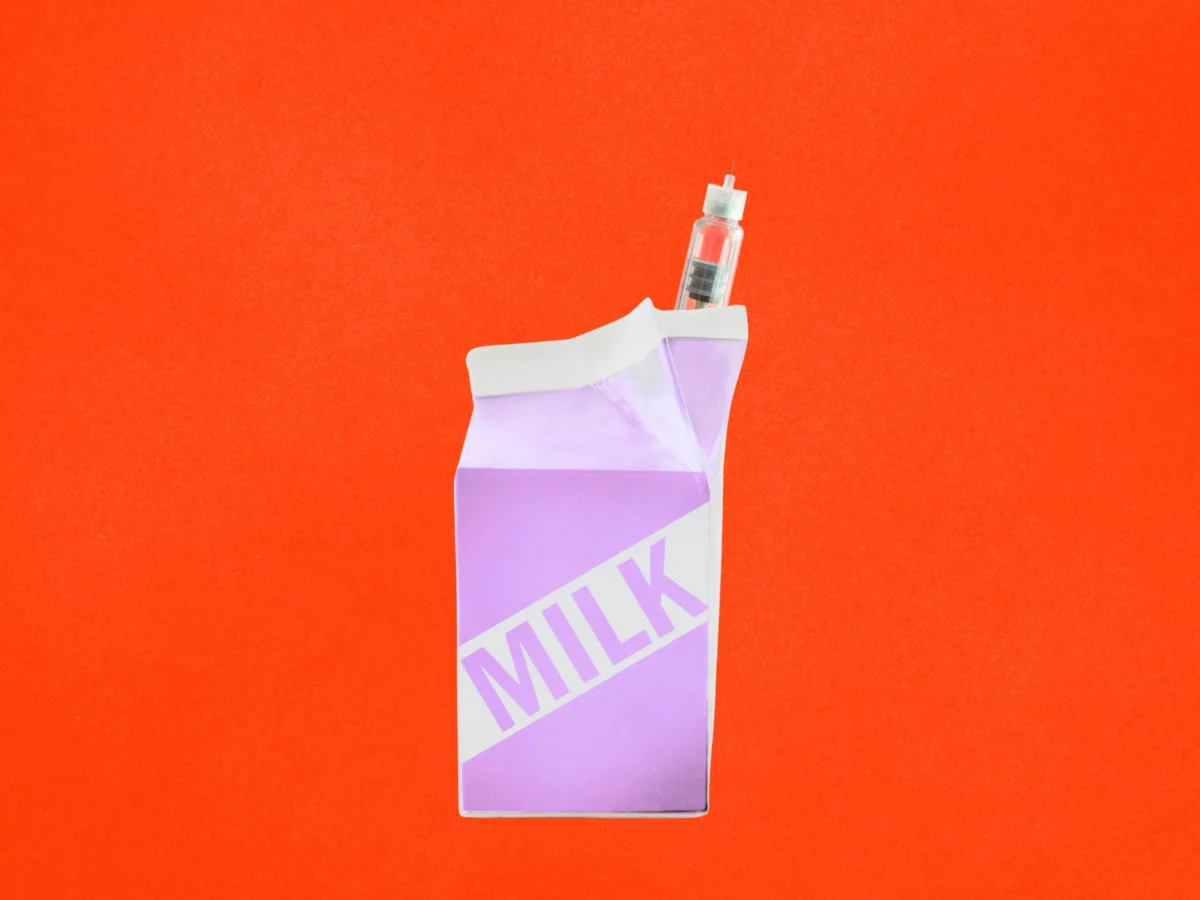
The phenomenon of hiding weight-loss medications has birthed an underground toolkit of domestic subterfuge. On online forums such as the Reddit community r/GLP1microdosing, users routinely trade tips and tricks on how to conceal injectable pens—which require refrigeration—from unsuspecting spouses and children.
The hiding spots read like a dark comedy of domestic life:
- Tomato paste boxes
- Play-food containers from children’s pretend kitchens
- Opaque feta cheese containers
- Butter stick boxes
- Anchovy paste tubes
- Empty probiotic and supplement bottles
- Metal water bottles, baking soda boxes, and even wine cartons nestled in the back of the family fridge.
For Caroline, who lives alone, hiding the pen from her boyfriend is relatively manageable, though stressful. But when they travel together, the charade becomes grueling. She has to slip the pen into hotel room refrigerators or, worse, stash it in the refrigerators of her visiting parents-in-law, praying no one investigates the mysterious package behind the milk.
Medical professionals are taking notice. Dr. Kia Mitchell, a family and obesity medicine physician based in Jacksonville, Florida, reports seeing numerous patients go to similar lengths to shield their prescriptions from their partners.
"The first time I heard about this pattern, it was from a patient who just didn’t want to turn this into a debate at home," Dr. Mitchell explains. "She just wanted to have the option to take the medication… There’s this loss of control with the gaining of the weight, but being able to control the narrative around weight loss has been empowering and exciting for her patients. Because now they can reveal it on their own terms. That’s where the control comes back."
Chronology: From First Dose to Deepening Deception
To understand how individuals arrive at such elaborate measures of concealment, it is helpful to examine the typical trajectory of secret GLP-1 use:
- The Initial Trial and Telehealth Access: Frustrated by traditional weight-loss methods and fearing judgment from brick-and-mortar primary care physicians, individuals turn to direct-to-consumer telehealth platforms. These digital clinics often streamline the prescription process with minimal friction, asking only for basic health metrics or bloodwork.
- Rapid Results and Early Disclosure: In the beginning, many patients are open about their journey. Caroline initially told her boyfriend, mother, and close friends. However, as the pounds melted away, loved ones often expressed alarm at the speed and extent of the weight loss, urging them to stop.
- Cessation and Weight Rebound: Believing they have "fixed" the issue or wishing to escape the cycle of chronic medication, patients often attempt to stop taking the drug. Almost universally, clinical reality sets in: appetite returns, metabolic adaptations take over, and weight is rapidly regained.
- Resumption and Concealment: Confronted with the prospect of regaining the weight they fought so hard to lose, patients restart the medication, often at a maintenance dose. Fearing criticism, lectures, or relationship strain, they make the conscious decision to keep the prescription hidden.
- The Complication of Medical Oversight: As time passes, the web of secrecy expands. Patients frequently fail to inform their primary care doctors, leading some—like Caroline—to resort to unconventional and risky substitutes, such as consulting artificial intelligence models (like ChatGPT) for drug-interaction advice regarding concurrent medications like Accutane or Ritalin.
Supporting Data and Medical Insights: The Pitfalls of Secrecy
While concealment may offer short-term emotional shielding, medical and psychological experts point out significant physical and psychological hazards associated with hiding GLP-1 use.
Psychological Strain and Stress Hormones
Dr. Mitchell emphasizes that the fundamental goal of a health journey should be reducing systemic stress. Living in a constant state of anxiety—worrying that a partner might discover a pen in the butter compartment—creates chronic mental fatigue.
"When someone is trying to lose weight, we want their stress hormones to be as low as possible," Dr. Mitchell notes. "If you’re trying to hide the medication, we’ll be fighting an uphill battle if you’re stressed about that."
Unplanned Pregnancies and Side Effects
Medically, GLP-1s alter gastrointestinal function and can dramatically improve metabolic health, which in turn significantly increases fertility. Dr. Mitchell notes that she has welcomed "several GLP-1 babies" into her practice resulting from unexpected conceptions while on the drug. Furthermore, managing common side effects like nausea or fatigue becomes exponentially harder when a patient cannot confide in the person they live with.
The Role of Telemedicine
The rise of digital health platforms—such as Hers, Hims, Ro, and others—has democratized access to weight-loss treatments, effectively bypassing the traditional medical establishment where weight bias and social stigma run rampant.
Dr. Craig Primack, head of weight loss at Hers, acknowledges that while these platforms provide a vital service by removing initial barriers, the lack of direct, ongoing physical counseling can leave patients isolated. However, Dr. Primack also defends the telehealth model, noting that it successfully eliminates the profound shame many feel when discussing weight with a traditional doctor.
Official Responses and Perspectives
Medical experts hold nuanced, sometimes conflicting views on the ethics and safety of secret medication use.
On one hand, psychologists like Dr. Rachel Goldman—a clinical assistant professor in the department of psychiatry at NYU Grossman School of Medicine—acknowledge why patients feel driven to secrecy. Society remains deeply judgmental about body weight, and the cultural narrative surrounding GLP-1s often frames them as a "cheat code" or a lazy shortcut rather than a legitimate medical treatment for a chronic condition.
"If my husband found out, it would just be a series of lectures," wrote one user on Reddit, echoing a sentiment shared by many. Another user, married for over 52 years, simply stated, "After 52 years of marriage, one knows one’s mate… Just don’t want to hear any negative or critical opinions."
Dr. Primack points out another complex dynamic: the shifting power balance within romantic relationships.
"Your weight and persona set up a dynamic in your couple," Dr. Primack explains. "When you start changing that, sometimes spouses get very jealous—Oh my god, you’re becoming potentially more attractive. Not that weight is directly linked to that, but that’s what I hear them say."
Despite understanding the root causes, Dr. Mitchell maintains that true wellness requires a support network. "Dealing with something like this, I want people to have community," she says, while conceding that maintaining autonomy over one’s body can feel temporarily empowering.
Broader Implications: Navigating the Conversation
The widespread normalization of secret medical treatments points to a broader cultural failure: a lack of safety, empathy, and open communication surrounding body autonomy and metabolic health.
For those caught in the web of secret medication use, mental health professionals emphasize that breaking the silence—on one’s own terms and when safely possible—is the ultimate goal. Dr. Goldman offers a strategic framework for individuals wanting to bridge the gap between privacy and honesty with their partners:
- Reflect on Your "Why": Before initiating a conversation, ground yourself in your personal motivations. Understand what led you to this decision and what the treatment means for your overall health and well-being.
- Use "I" Statements: Frame the discussion around your personal lived experience rather than debating the societal merits of GLP-1 medications.
- Anticipate Reactions and Set Boundaries: Recognize that a partner’s initial reaction might be rooted in shock, misconception, or personal bias. Decide in advance what you need from them—whether it is active support, understanding, or simply the space to make healthcare decisions without judgment.
- View It as an Ongoing Process: The goal is not to execute a flawless conversation on the first try, but to open the door to long-term honesty and emotional connection.
For Caroline, the reality remains complicated. Stuck between her desire to maintain her physical health, her fear of weight rebound, and the exhausting reality of hiding medical supplies in her relatives’ refrigerators, she continues to weigh the costs of her secrecy.
As the medical community grapples with the long-term implications of lifelong GLP-1 therapy, society, too, must confront the social environments that turn a routine healthcare prescription into a clandestine operation hidden behind boxes of anchovy paste.
 Lina Hope
 Asro
Asro
 Sagoh
Sagoh
